Stress Management
Not sure you’re ready?
Take the ~3-minute readiness diagnostic and see where you stand.
The Architecture of Calm: Mastering Stress Management in Nursing
Welcome! Pull up a chair. Today, we are going to talk about something so universal, so incredibly common, that we often forget just how magnificent and terrifying its machinery really is. We are talking about stress.
Now, when most people say "I'm stressed," they think of it as a purely emotional state—a sort of invisible cloud hovering over their heads. But you are training to be a nurse. You need to see the world differently. You must look at stress and see a cascade of chemical messengers, a rewiring of the nervous system, and a physical engine running dangerously hot.
To help our patients, we must first deeply understand the mechanisms of their distress. Then, we can step in and engineer an environment of healing. Let’s dive under the hood and see how this all works.
Long before a patient ever tells you they are anxious, their body is already screaming it. Why? Because the human body has a highly predictable, beautifully complex defense mechanism.
To understand this, we look to the General Adaptation Syndrome (GAS). This model outlines the human body's systemic physiological response to stress. It tells us exactly what the body is doing when it encounters a threat, and it happens in three distinct acts:
- The Alarm Stage: This is the immediate shock. The alarm stage of the General Adaptation Syndrome involves the initial fight-or-flight sympathetic response. Evolution built this to help us outrun a tiger, but today, it triggers just as intensely from a medical diagnosis.
- The Resistance Stage: If the tiger doesn't leave, the body settles in for a siege. The resistance stage of the General Adaptation Syndrome involves the body attempting to adapt to a persistent stressor. It tries to normalize operations while keeping defenses high.
- The Exhaustion Stage: You can't run an engine in the red forever. The exhaustion stage of the General Adaptation Syndrome occurs when the body's adaptive energy stores become completely depleted. This is where system failure begins.
The Autonomic Seesaw: Sympathetic vs. Parasympathetic
During that initial "Alarm" stage, the sympathetic nervous system activates the fight-or-flight response during exposure to acute stress. Imagine flipping a master switch in a factory. Suddenly, all non-essential functions shut down, and all power reroutes to survival systems.
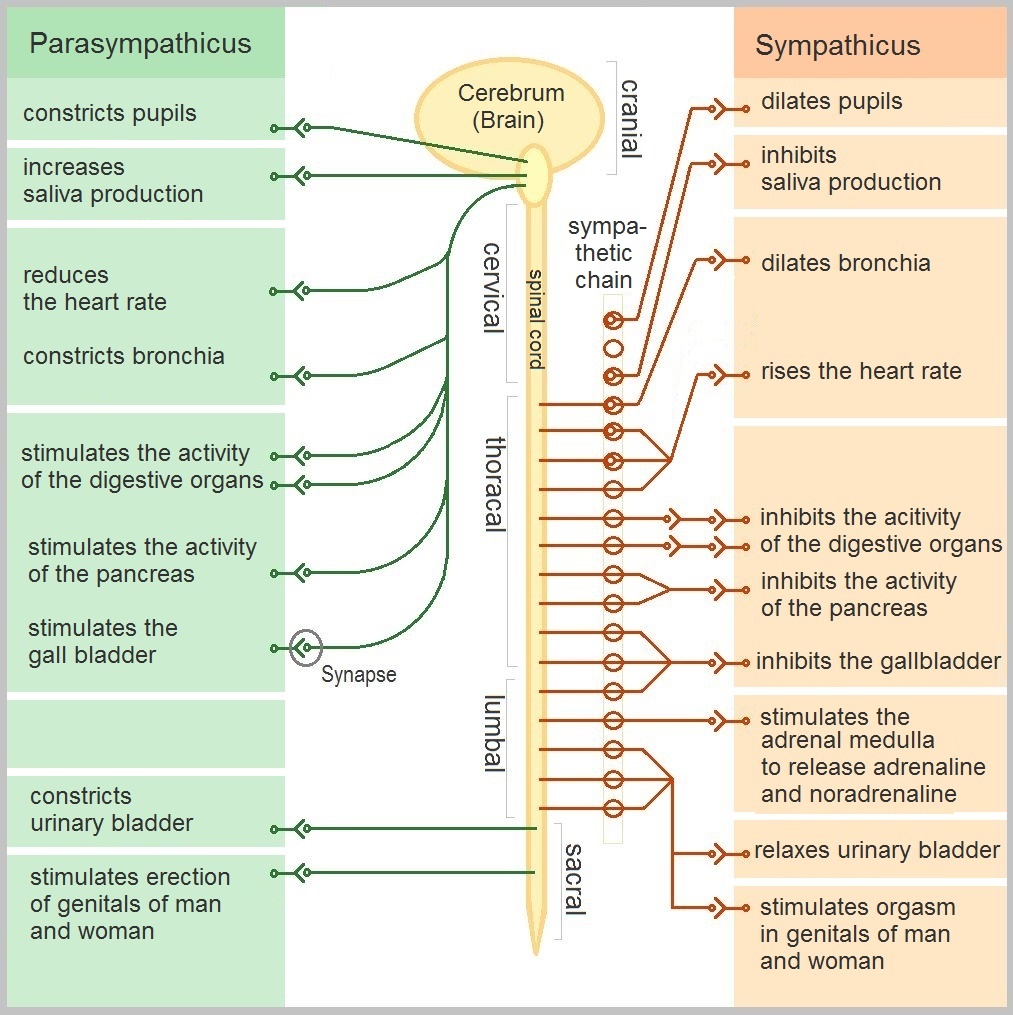
What does this look like biologically?
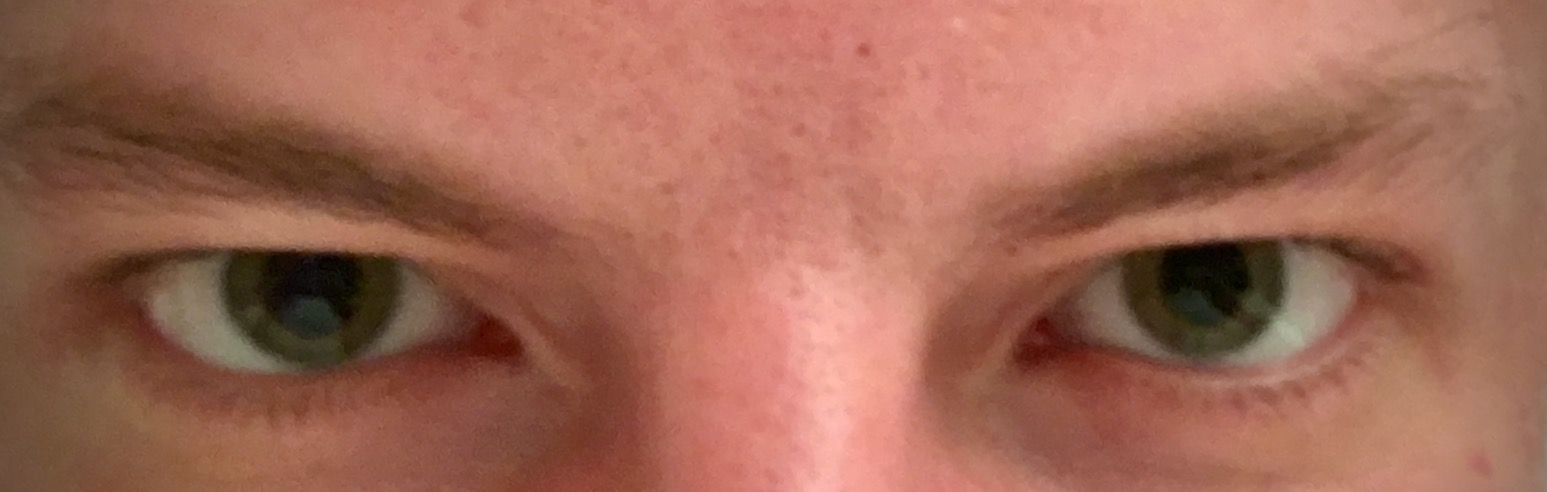
- Pupillary dilation is a physiological response mediated by the sympathetic nervous system during acute stress. Why? To let in more light so you can see the "threat" more clearly!
- Meanwhile, digestion grinds to a halt. Decreased gastrointestinal motility is a physiological consequence of acute sympathetic nervous system activation. The body is essentially saying, “We don’t have time to digest a sandwich right now; we need to survive!”
The Chemical Culprit: Cortisol
While the sympathetic nervous system handles the short-term crisis, the endocrine system plays the long game. Cortisol is a primary stress hormone released by the adrenal cortex during prolonged periods of stress.
A little cortisol is helpful; it keeps you alert and fuels the resistance stage. But if the stress doesn't go away, the body floods with it. And here is the fascinating, dangerous trade-off: prolonged elevation of systemic cortisol levels actively suppresses the human immune system. The body sacrifices its long-term defense against pathogens to maintain its short-term defense against stress. This is precisely why stressed patients are more vulnerable to infections!
As a nurse, your observation skills are your greatest diagnostic tool. People often cannot or will not articulate their anxiety. You must act as a detective, reading the biological and behavioral clues they leave behind.
The Acute Stressors (The "Right Now" Threat)
When a patient faces an immediate, acute stressor, their body will broadcast it through both physiological and respiratory signs. Pay close attention to these vital, nonverbal cues:
- Tachycardia is a nonverbal physiological indicator of the body's response to acute stressors. The heart is racing to pump oxygenated blood to the muscles.
- Tachypnea is a nonverbal respiratory cue indicating the presence of an acute stressor. They are breathing rapidly to bring in more oxygen.
- Diaphoresis (sweating) is a nonverbal physiological cue indicating physical or psychological stress.
- Clenched fists are a nonverbal behavioral indicator of acute psychological or physical stress. The body is literally bracing for an impact.
- Facial grimacing serves as a nonverbal cue indicating physical pain or psychological distress. Watch the micro-expressions!
- Pacing is a nonverbal behavioral manifestation of anxiety or psychological stress. The excess adrenaline demands kinetic release.
The Chronic Stressors (The "Long Haul" Threat)
What happens when the stress is chronic? The explosive signs fade, and a heavy, draining exhaustion takes over.
- You will notice poor eye contact, which often serves as a nonverbal cue indicating psychological stress or emotional withdrawal.
- Look at their face. A flat affect is a nonverbal cue indicating emotional exhaustion or chronic psychological stress. The emotional battery is drained.
- Look at their dinner tray. Significant changes in a client's appetite are a behavioral indicator of chronic psychological stress.
Think about the modern hospital. Beeping alarms. Fluorescent lights. Strangers poking you at 3:00 AM. Ironically, the very place designed for healing is fundamentally hostile to human biology!
"You cannot expect a seed to grow in toxic soil, and you cannot expect a patient to heal in a chaotic environment."
As a nurse, you are the architect of the patient's environment. You must implement measures to protect them from institutional chaos.
Sensory Overload and The Circadian Clock
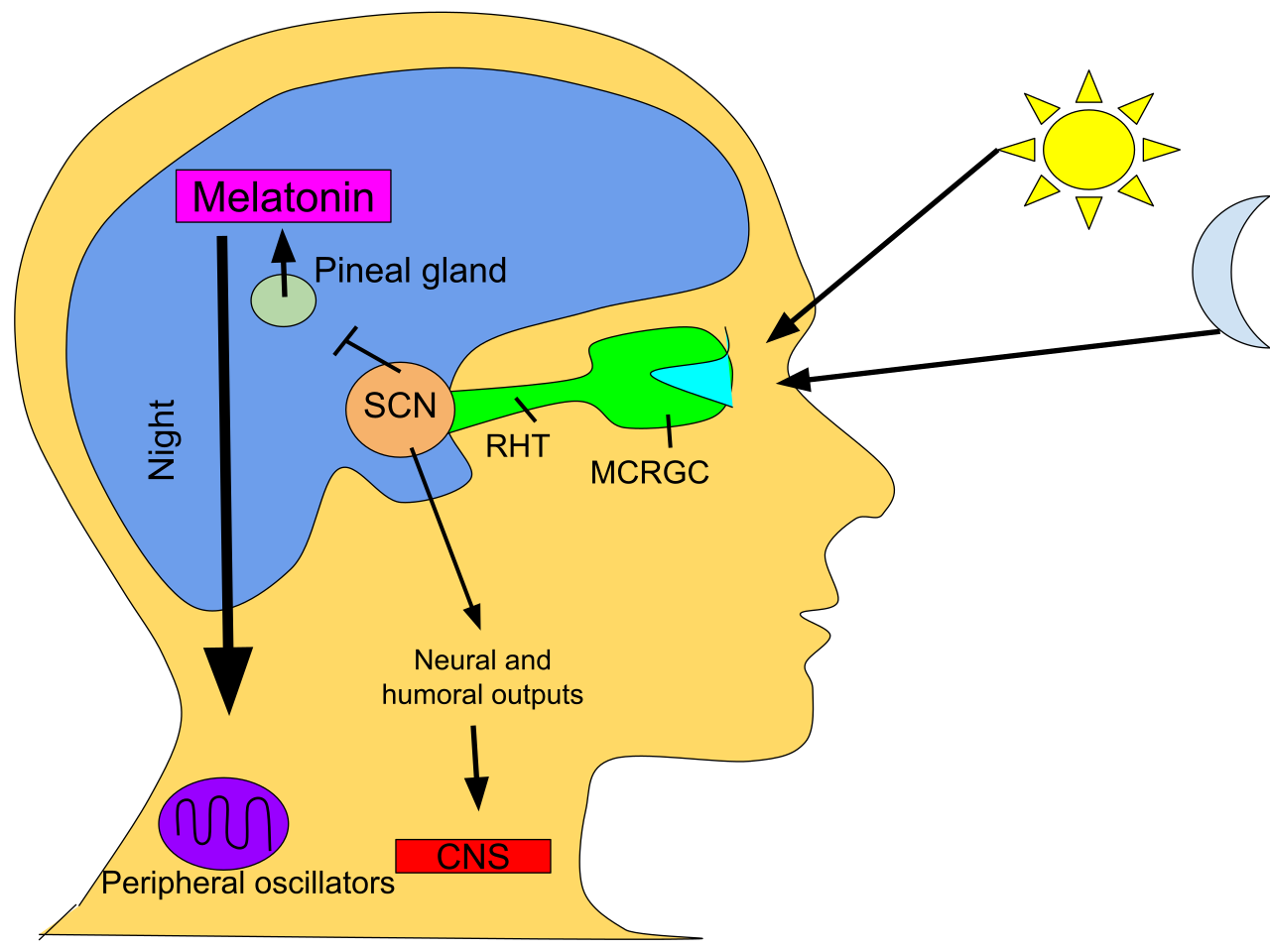
First, we have to talk about noise and light. Environmental noise in healthcare settings acts as a significant sensory stressor for clients. Imagine trying to rest inside a pinball machine. Furthermore, continuous bright lighting in healthcare environments disrupts client circadian rhythms.
Why does that matter? Because biology relies on rhythm. Disruption of circadian rhythms exacerbates physiological and psychological stress. If you break their biological clock, you break their ability to heal.
How do we fix it?
- Lowering medical alarm volumes to safe minimums decreases environmental noise stressors for clients. You don't turn them off, but you make them safe and sane.
- Clustering nursing care activities reduces the frequency of environmental interruptions. Instead of going into the room at 1 AM for vitals, 2 AM for meds, and 3 AM for a blood draw, you do them together. Why? Because minimizing environmental interruptions promotes restorative sleep for hospitalized clients.
The Psychology of Control
Hospitalization strips people of their identity and autonomy. They wear a gown that ties in the back, sleep in a strange bed, and are told when to eat and when to wake up. This loss of control is deeply traumatic.
- Providing a designated private space for clients mitigates the stress associated with a loss of privacy. Give them a sanctuary, however small.
- Maintaining a consistent daily routine reduces unpredictability and psychological stress for clients. The brain loves predictability. It feels safe when it knows what happens next.
- Explaining the function of unfamiliar medical equipment to clients reduces environment-related psychological stress. That terrifying, humming box with the flashing lights? It becomes harmless once you explain it's just a pump delivering fluid.
- Offering clients choices in their daily care routines increases their sense of control. Let them decide whether to take their bath in the morning or the evening. It sounds trivial, but it isn't, because an increased sense of autonomy directly correlates with reduced psychological stress in healthcare settings.
We don't just protect the patient from stress; we must teach them how to fight back. When we provide information to clients on stress management techniques, we are quite literally teaching them how to hack their own nervous systems.
Activating the Parasympathetic System
If the sympathetic nervous system is the gas pedal, the parasympathetic nervous system is the brakes. We want to slam on those brakes.
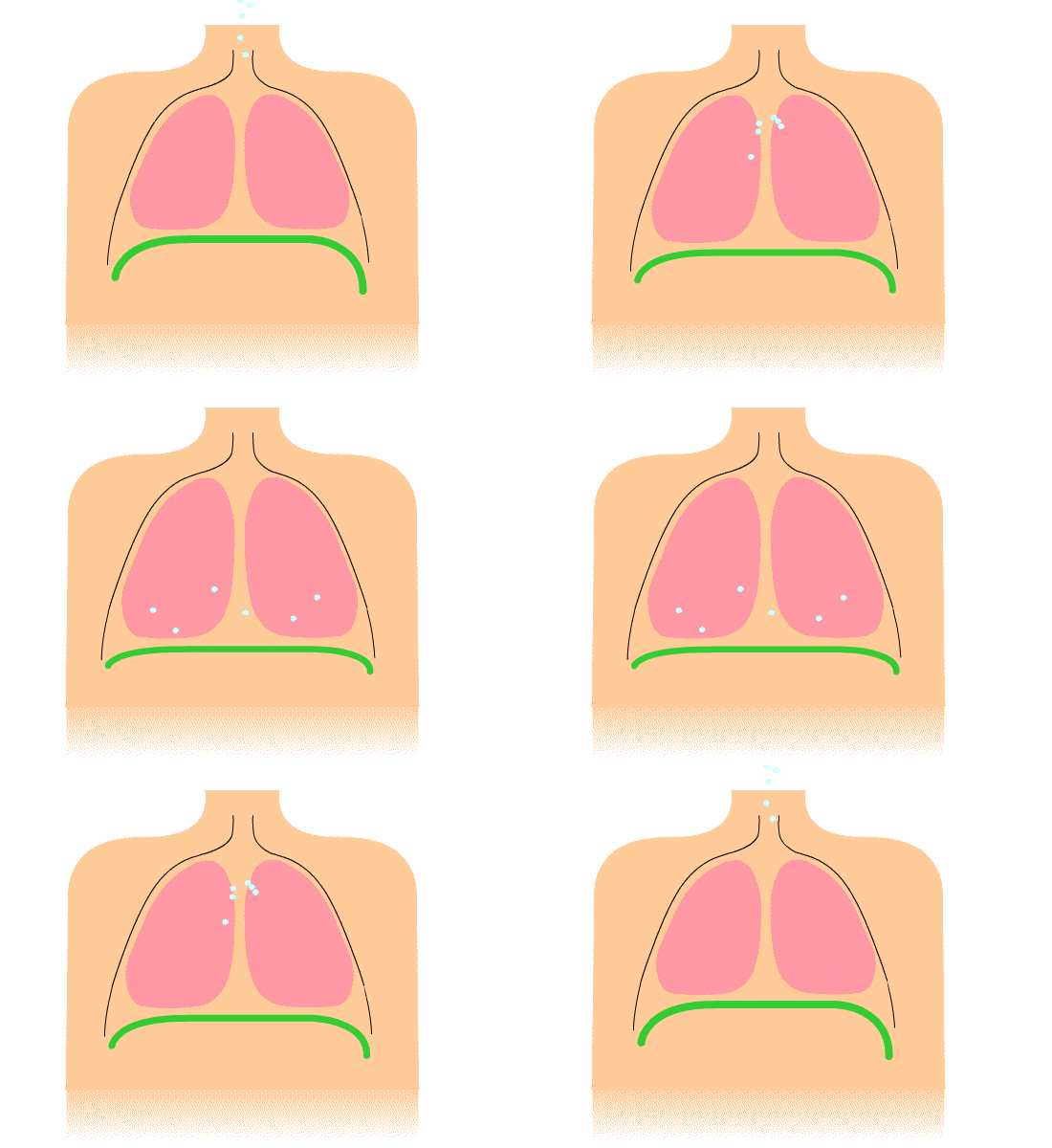
- Deep breathing exercises stimulate the parasympathetic nervous system. How do we do it? It's specific: deep breathing exercises involve inhaling slowly through the nose and exhaling slowly through the mouth. This mechanical action signals the vagus nerve that the body is safe. As a result, this parasympathetic nervous system stimulation effectively reduces a client's resting heart rate.
- Progressive muscle relaxation involves sequentially tensing and releasing specific muscle groups. By creating tension and then purposefully dropping it, the brain registers a profound sense of physical relief.
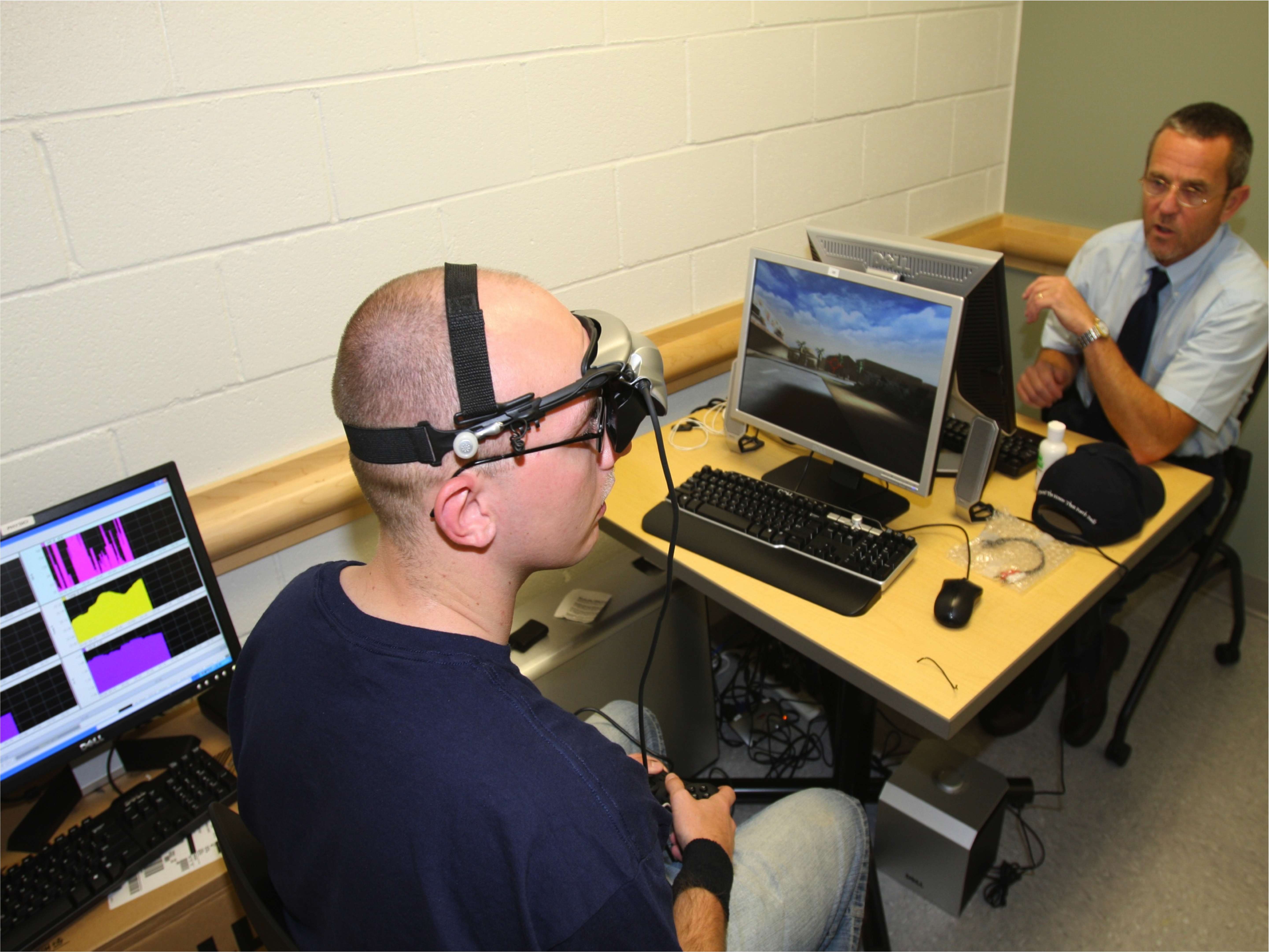
- Biofeedback utilizes physiological monitoring devices to help clients gain voluntary control over autonomic responses. It’s like putting a speedometer on their stress! By watching their heart rate on a monitor, they learn what thoughts and breaths lower the numbers.
Redirecting the Mind
Sometimes the physical body is calm, but the mind is running on a hamster wheel of panic. We have tools to redirect cognitive focus.
- Mindfulness meditation trains the client to focus their awareness entirely on the present moment. No past regrets, no future anxieties. Just the now.
- Guided imagery requires the client to focus on mental images of a peaceful and calming environment. The brain is incredible—it can actually trigger physiological relaxation just by imagining a safe space!
- Cognitive reframing helps clients identify negative thoughts and replace them with positive alternatives. We teach them to catch the thought "I'm never going to heal," and rewire it to "My body is working hard to heal today."
- Journaling provides an expressive outlet for clients to process and manage psychological stressors. Getting the fear out of their head and onto paper disarms the anxiety.
- Music therapy utilizes carefully selected auditory stimuli to reduce patient anxiety and promote physiological relaxation. Sound waves literally alter brain wave states!
The Power of Movement
Never underestimate the biochemical power of a good walk. Regular physical exercise reduces baseline levels of systemic cortisol. By utilizing the excess glucose and lipids dumped into the bloodstream by the stress response, exercise clears the biological debris of anxiety and resets the endocrine system.
In science, we don't guess; we measure. How do you, as an elite nurse, evaluate if your stress management techniques are actually working? We look for hard evidence and subjective truth.
| Evaluation Metric | What to Look For | Why it Matters |
|---|---|---|
| Heart Rate | A decrease in resting heart rate serves as an objective indicator of effective stress management technique use. | It proves the parasympathetic nervous system has successfully overridden the sympathetic "alarm" stage. |
| Blood Pressure | A reduction in resting blood pressure is an objective measurement of successful stress reduction. | Demonstrates reduced systemic vascular resistance, indicating decreased sympathetic tone. |
| Sleep Quality | Subjective client reports of improved sleep quality indicate successful implementation of stress management strategies. | Sleep is the ultimate biological vulnerability. If a patient feels safe enough to sleep deeply, the psychological interventions are succeeding. |
Stress is not an abstraction. It is pupillary dilation, decreased GI motility, spiking cortisol, and a racing heart. It is the General Adaptation Syndrome unfolding right before your eyes in the form of clenched fists, tachypnea, and poor eye contact.
But you are not a passive observer. By clustering care, dampening alarms, offering choices, and teaching techniques like progressive muscle relaxation and deep breathing, you give the patient the power to flip the switch. You bring them out of exhaustion and back into balance.
Study these cues. Master these techniques. Understand the physiology. That is how you become not just a nurse, but an architect of human healing.