Therapeutic Environment
Not sure you’re ready?
Take the ~3-minute readiness diagnostic and see where you stand.
Welcome to the laboratory of human behavior! When you walk onto a unit, you aren't just stepping into a building; you are stepping into a therapeutic milieu.
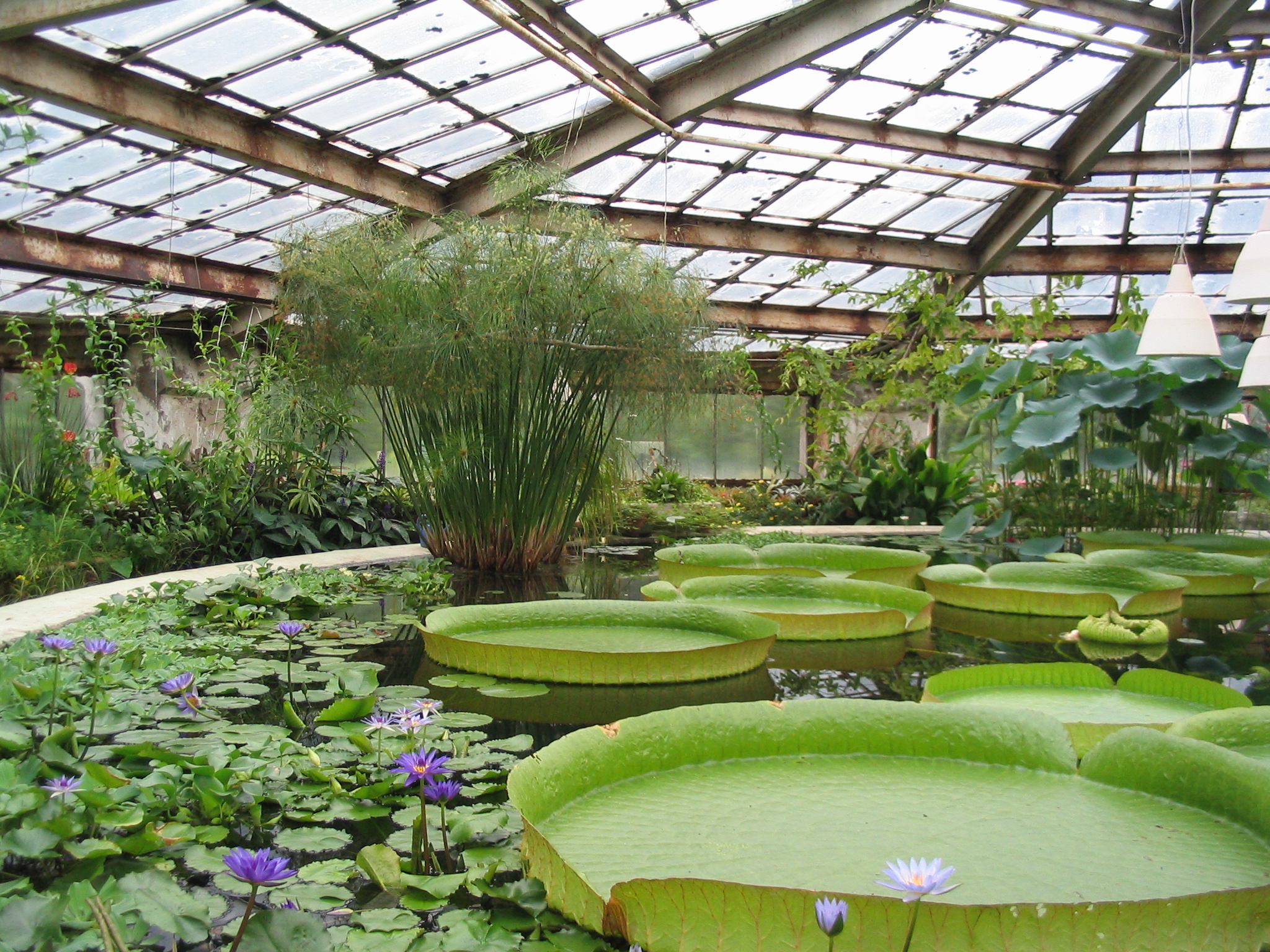
Think of a therapeutic milieu as a meticulously engineered greenhouse designed to heal the mind. Just as a greenhouse controls light, temperature, and soil to help a fragile plant take root, a therapeutic milieu provides a structured environment to promote client psychological safety. By curating the physical and social atmosphere, a therapeutic milieu promotes positive behavioral changes through guided community interactions.
On the NCLEX-RN, you will be tested on your ability to be the architect of this environment. You must arrange the pieces—the people, the physical space, and the rules—so that healing is not just possible, but inevitable. Let’s break down exactly how you build, protect, and manage this space.
Before therapy can happen, safety must be guaranteed. A mind cannot heal if the body is in danger, and an anxious brain cannot process new coping skills.
Designing the Physical Layout
The physical architecture of the unit does a lot of the heavy lifting. The physical layout of a therapeutic milieu includes open spaces to allow for unobstructed staff observation. We can't help clients if we can't see them!
However, clients also need places to cool down. Providing a designated quiet area on a psychiatric unit allows clients to de-escalate independently. This gives them a safe escape hatch before anxiety boils over into aggression.
Eliminating Environmental Hazards
When a client is in the depths of despair, the physical environment must be foolproof.
Crucial Rule: Removing ligature risks from a psychiatric client's room is a primary intervention for maintaining physical safety.
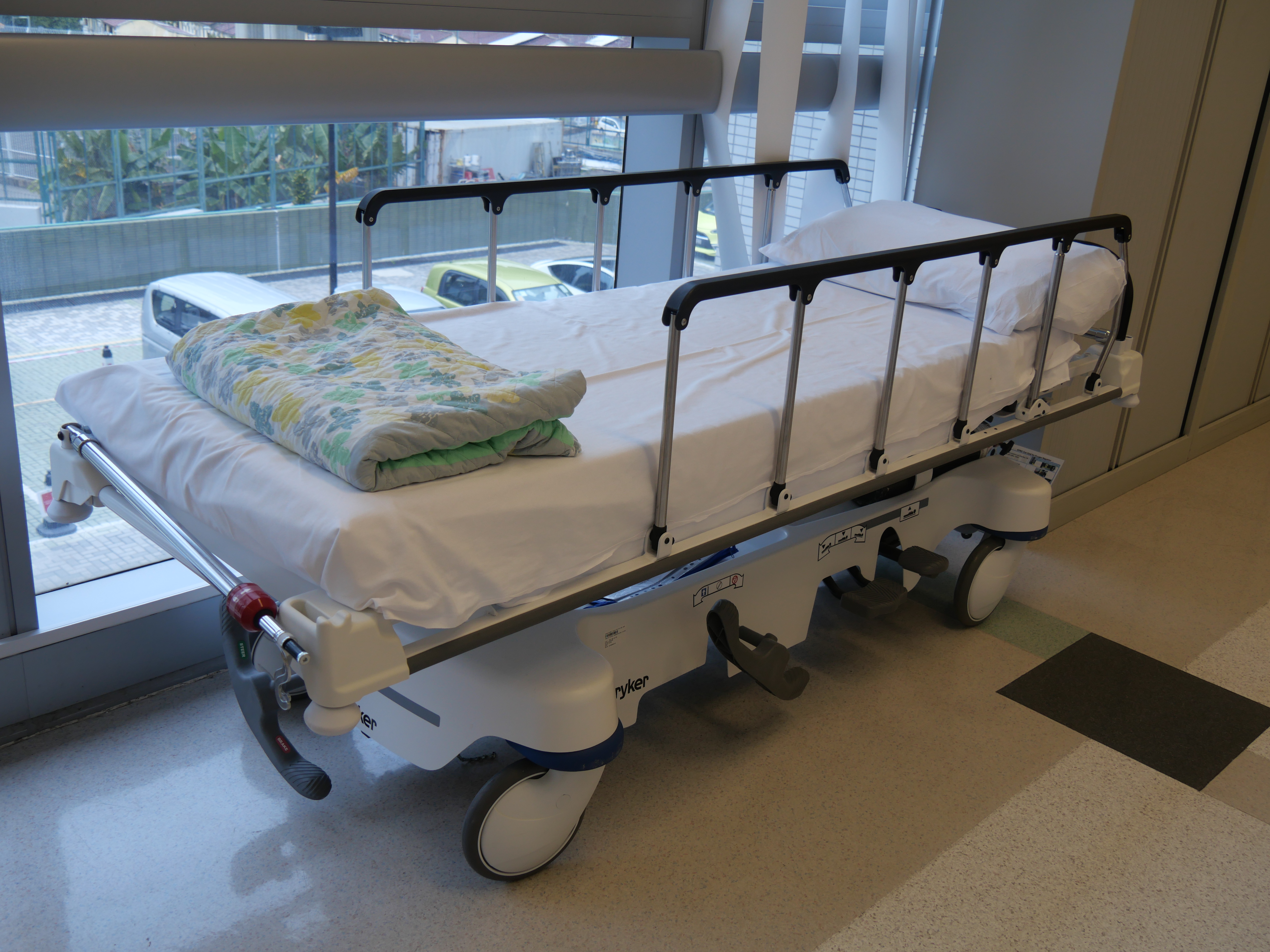
A "ligature risk" is anything that could be used to attach a cord or fabric for strangulation. Therefore, ligature-resistant hardware is installed in psychiatric unit bathrooms to prevent suicide attempts. (Think: sloping door handles, breakaway shower heads). Similarly, standard hospital beds with exposed cords are contraindicated for clients with active suicidal ideation. The environment itself must protect the client when their own mind will not.
We also maintain safety through vigilant procedures. Contraband searches are a standard safety procedure upon admission to a psychiatric unit. Furthermore, to ensure clients are safe throughout the day and night, safety rounds in a psychiatric unit are conducted at staggered intervals to prevent clients from anticipating checks. If you always check at exactly 2:00 and 2:30, a client knows exactly how long they are unobserved. Staggering the times creates an unpredictability that ensures continuous safety.
The Emotional Blueprint: Rules and Staff Culture
A physical space is only as good as the people running it. Human beings crave predictability, especially when their internal world is chaotic. Establishing predictable daily routines reduces overall client anxiety in a psychiatric setting.
How do we build this routine? A therapeutic milieu includes a daily scheduled routine of community meetings. By allowing clients to participate in community governance meetings, it promotes a sense of unit ownership. When clients feel they have a voice in the unit's daily operations, they are more invested in their own behavioral change. Furthermore, permitting clients to personalize their sleeping space within safety limits fosters a sense of autonomy, reminding them that they are humans, not just patients.
But autonomy requires boundaries. Consistent boundary setting by all staff members is essential for maintaining emotional safety in a therapeutic milieu. If Nurse A says "no" but Nurse B says "yes," the structure crumbles. Inconsistent enforcement of unit rules undermines client trust in the healthcare team.
The staff's dynamic directly infects the milieu. Confrontational interactions between staff members destroy the therapeutic atmosphere of the unit. If the staff is at war, the clients feel it immediately. Along those same lines, frequent staff turnover disrupts the continuity of care necessary for a stable therapeutic milieu. Healing requires relationships, and relationships require time and stability.
Imagine trying to solve a complex calculus problem while a rock band plays in your bedroom. That is what external stressors do to a psychiatric client trying to heal. You must identify and eliminate these "weeds" in our greenhouse.
Sensory Stressors
The central nervous system of a client in acute psychiatric distress is highly sensitized.
- Noise: High noise levels on a hospital unit increase baseline client anxiety. Keep the nurses' station quiet!
- Light: Bright lighting can exacerbate sensory overload in agitated psychiatric clients. Dim the lights to soothe the nervous system.
- Temperature: Even the thermostat matters. An excessively cold or hot room temperature acts as an external stressor that can impede client psychological recovery.
Social and Security Stressors
Other people—even well-meaning ones—can derail recovery.
- Intrusive Relatives: While family support is usually great, intrusive family members can negatively impact a psychiatric client's emotional stabilization. You may need to limit visitation if it harms the client.
- Unit Violence: Exposure to violent outbursts from other clients impedes the psychological recovery of traumatized clients. You must shield vulnerable clients from aggressive ones.
- Security Personnel: While security guards keep hospitals safe, the presence of visible security personnel can escalate anxiety in clients with active paranoia. Keep security nearby but out of direct sight of highly paranoid clients.
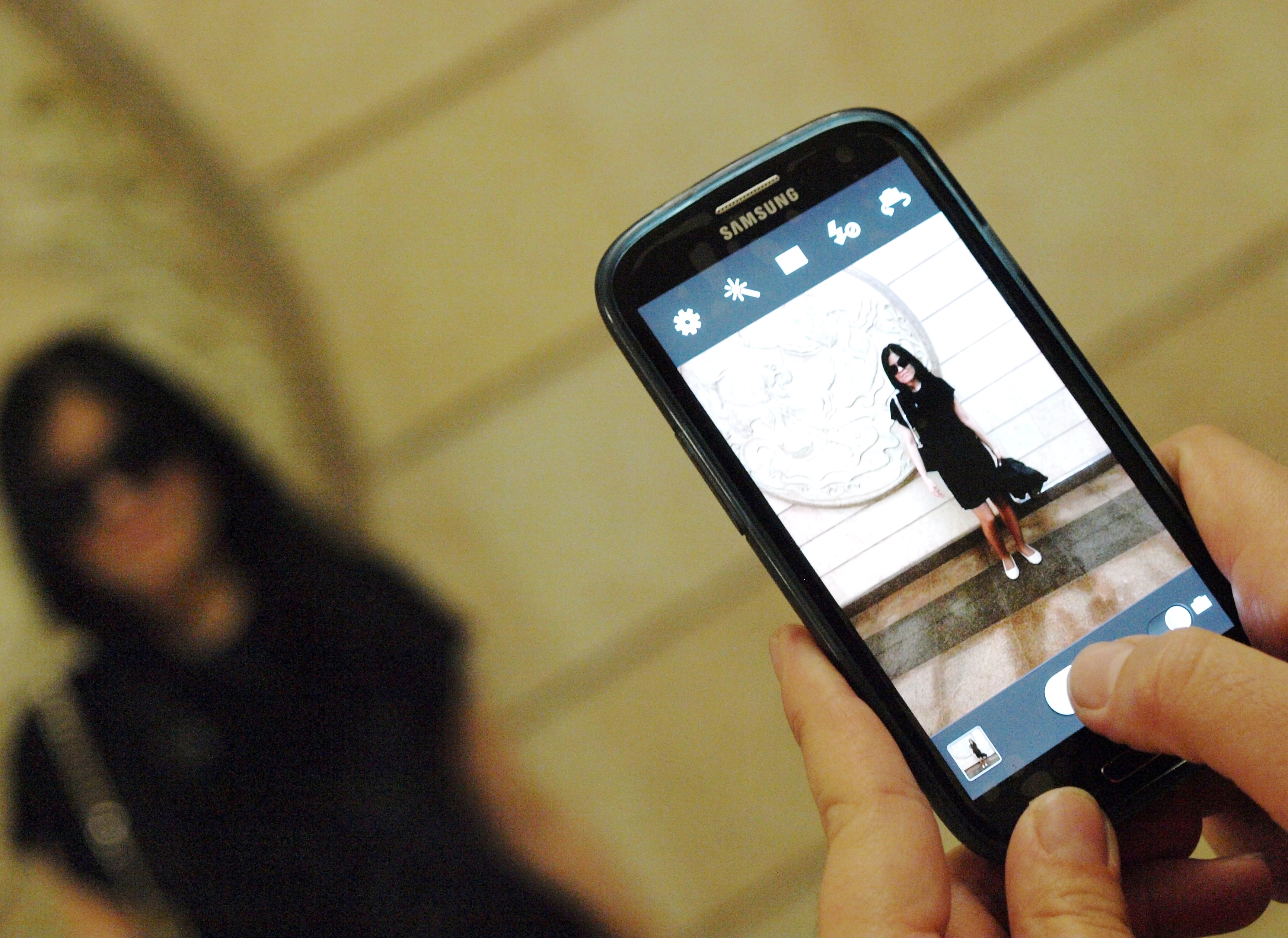
- Smartphones: Why do we take away cell phones? It's not to be mean; it's about HIPAA and safety. Unrestricted access to personal mobile devices can compromise the privacy of other clients on a psychiatric unit (phones have cameras and social media access!).
This is one of the most frequently tested concepts on the NCLEX-RN. Assigning rooms on a psychiatric unit is like mixing chemicals in a beaker: the wrong combination will cause an explosion.
You must balance stimulation, safety, and socialization.
| Client Presentation | Room Assignment Strategy | The Feynman "Why" (The Rationale) |
|---|---|---|
| Acute Mania | Private room, located away from high-traffic areas. | A manic brain is an engine red-lining. Clients experiencing acute mania require a private room to decrease sensory stimulation. Placing a room assignment for a manic client away from high-traffic areas stops the constant input of people walking by from adding fuel to the fire. |
| Active Hallucinations | Quiet, low-stimulus room. | A client experiencing active hallucinations should be placed in a quiet room to reduce sensory triggers. Extra noise can easily be incorporated into their delusions or auditory hallucinations. |
| Active Paranoia | Private room. | A client with active paranoia should be given a private room to minimize suspiciousness. If they have a roommate, they will likely incorporate the roommate into their paranoid delusions (e.g., "He is spying on me!"). |
| Aggressive Behavior | Private room. | A client exhibiting aggressive behavior requires a private room to protect other clients. Safety first! |
| High Suicide Risk | Room near the nursing station. | Clients at high risk for suicide must be placed in a room near the nursing station. Proximity allows for immediate, rapid observation and intervention. |
| Severe Cognitive Impairment | Room near the nursing station. | Clients with dementia or delirium wander and fall. Clients with severe cognitive impairment benefit from room assignments near the nursing station for close observation. |
| Active Substance Use Disorders | Do NOT room two SUD clients together. | Two clients with active substance use disorders should not share a room to prevent mutual triggering. They will inevitably talk about their drug use ("euphoric recall"), triggering cravings in each other. |
| Severe Depression | Carefully matched roommate (do NOT pair with high-energy). | Placing a severely depressed client with a highly energetic roommate increases the depressed client's sense of inadequacy. It makes the depressed client feel worse! However, as they improve, clients recovering from major depression often benefit from having a roommate to prevent extreme social isolation. |
| Physical Frailty | Do NOT pair with easily agitated clients. | Rooming a physically frail client with an easily agitated client increases the risk of physical injury. If an agitated client throws a chair or lashes out, the frail client cannot escape or defend themselves. |
Summary: The Nurse as the Thermostat
Remember this core truth for the NCLEX: You are not just a task-doer; you are the thermostat of the unit.
If a client is hallucinating, you turn down the environmental volume (quiet room). If a client is manic, you isolate them from the traffic. If the milieu feels chaotic, you look at the staff—are boundaries consistent? Are rules being enforced?
By mastering the physical layout, relentlessly eliminating hazards (ligatures, contraband), engineering the social dynamic, and logically puzzling together room assignments, you create the one thing every psychiatric client desperately needs: a safe place to heal.