Adaptive Plan Components and Methodologies
Not sure you’re ready?
Take the ~3-minute readiness diagnostic and see where you stand.
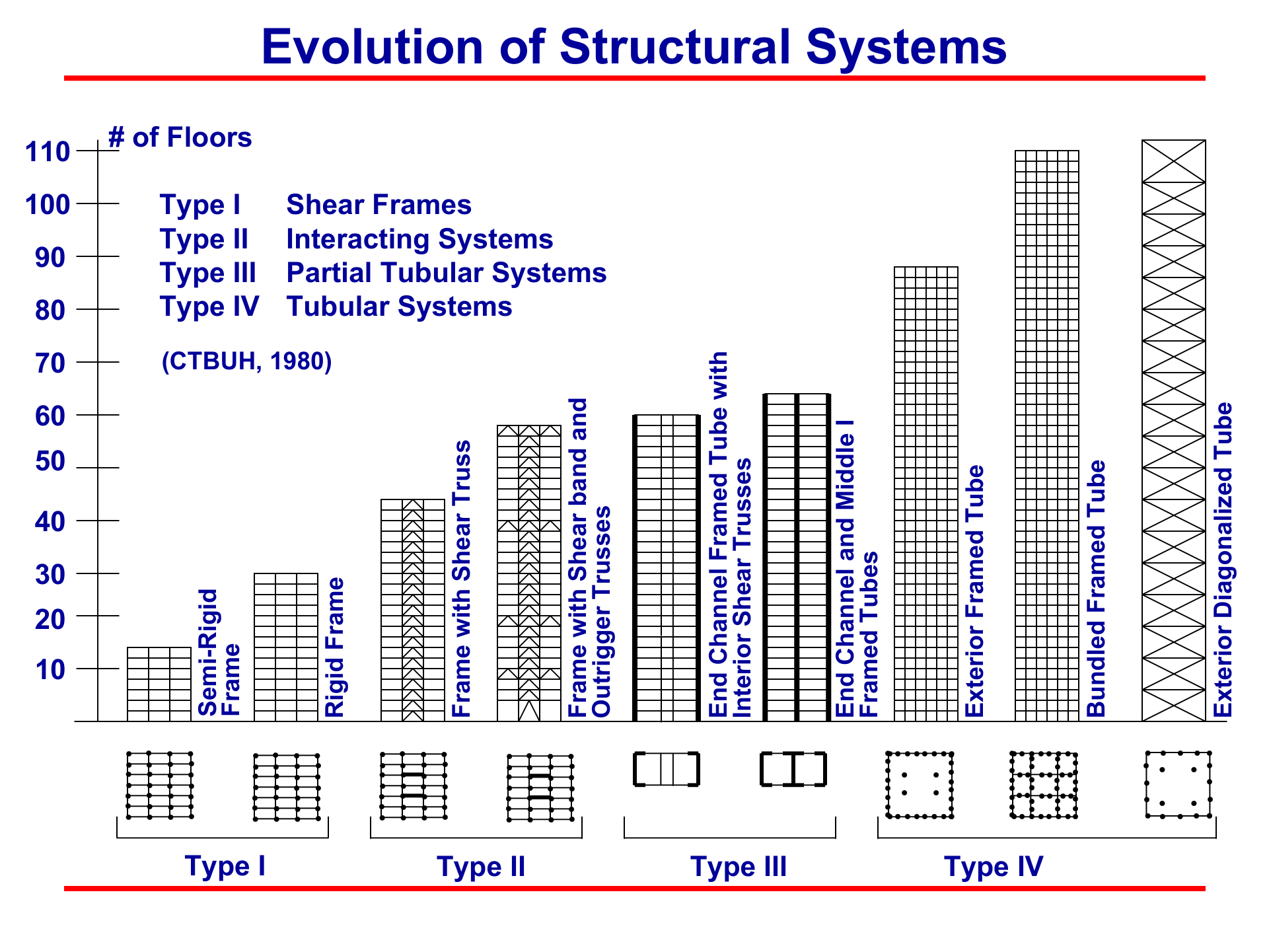
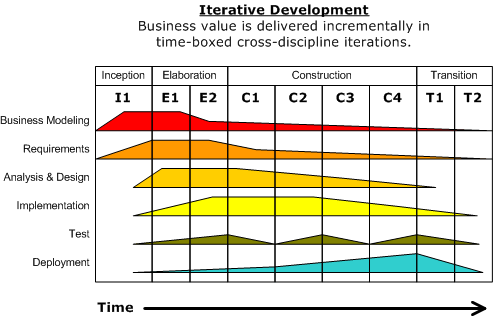
Designing a rigid blueprint for a skyscraper requires predicting every structural load before the first shovel hits the dirt. If the bedrock beneath the site reveals an unexpected fault line halfway through construction, the initial baseline becomes a catastrophic liability rather than a guide. Software development, marketing campaigns, and organizational transformations operate in environments where the "bedrock" shifting customer needs, emerging technologies, and market dynamics changes daily. In these environments, adaptive planning focuses on iterative refinement rather than strict adherence to an initial baseline. By replacing monolithic predictions with continuous learning loops, adaptive methodologies welcome changing requirements even late in the development cycle. The project is not controlled by fiercely guarding the original plan; it is controlled by consistently delivering small pieces of value, inspecting the results, and adjusting course.
Before examining specific frameworks like Scrum or Kanban, we must understand how adaptive teams define, measure, and track their work. Whether you are building an app or redesigning a supply chain, work must be quantified in a way that prioritizes human value over abstract checklists.
Large, sweeping initiatives are defined as Epics. In agile planning, Epics are large bodies of work that must be broken down into smaller user stories. You cannot execute an Epic in a single pass; it must be decomposed. This decomposition yields the fundamental unit of agile value: the user story, which is a brief description of a product feature written from the perspective of the end user. Instead of writing a technical specification ("Build a secure login database"), you write a user story ("As a returning customer, I want to securely save my payment information so that checkout is faster").
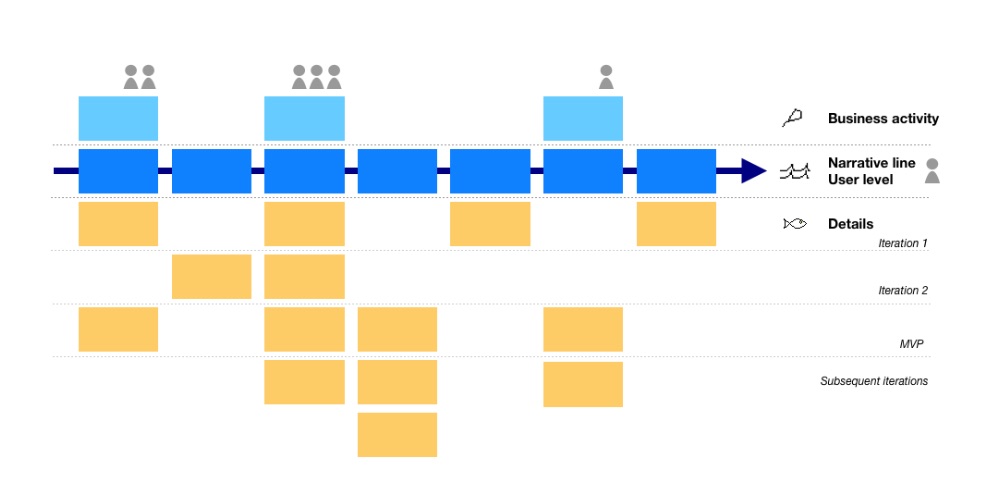
To forecast how much work a team can accomplish, we do not estimate in absolute hours. Instead, adaptive teams use story points, which are a relative unit of measure used in agile estimating to gauge the effort required to implement a user story. A story assigned 8 points is roughly twice as complex or effort-intensive as a 4-point story. Over time, the team discovers its velocity, an agile metric that measures the amount of work a team successfully completes during a single iteration.
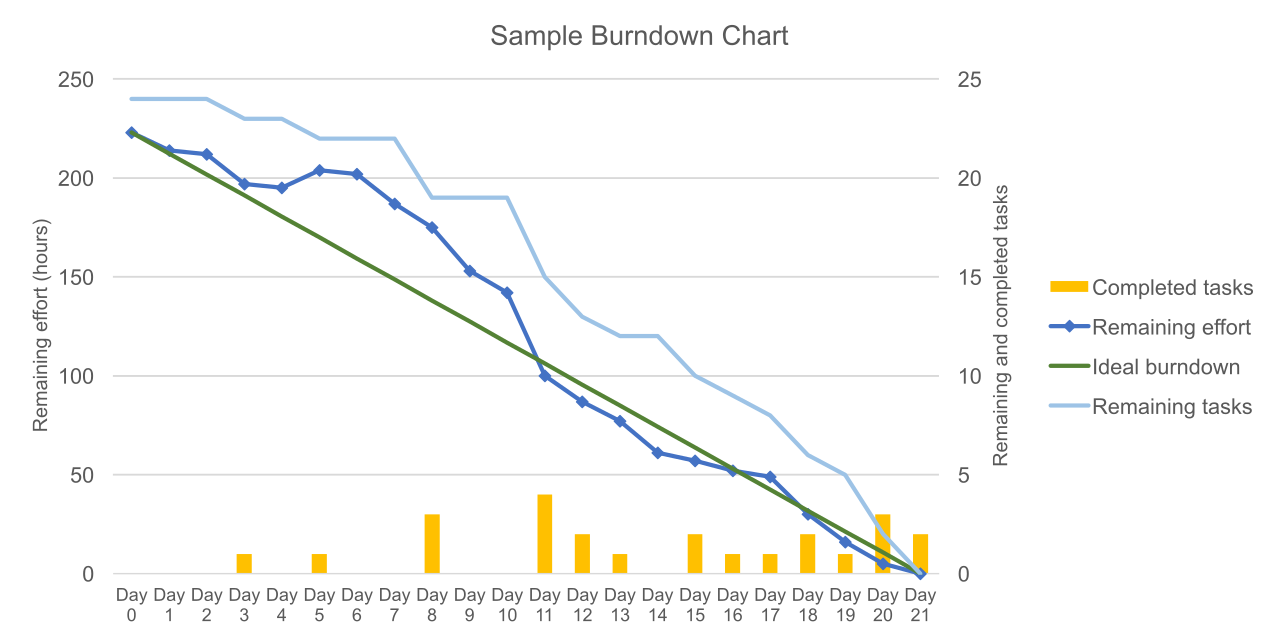
To visualize this progress, teams rely on two primary types of charts:
- Burndown Chart: A graph that visually tracks the amount of work remaining against time in an agile iteration. The line slopes downward, aiming for zero as the deadline approaches.
- Burnup Chart: A graph that visually tracks the amount of work completed against time in an agile project. The line slopes upward, clearly showing scope increases alongside completed work.
If you have encountered agile in the modern workplace, you have likely encountered Scrum. Scrum is an agile framework that uses timeboxed iterations called Sprints.
At its core, Scrum methodology is based on the theory of empiricism. Empiricism asserts that knowledge comes from experience and making decisions based on what is observed. You do not guess what the market wants; you build a piece of it, show it to the market, and let reality dictate your next move. Empiricism in Scrum relies on the three pillars of transparency, inspection, and adaptation.
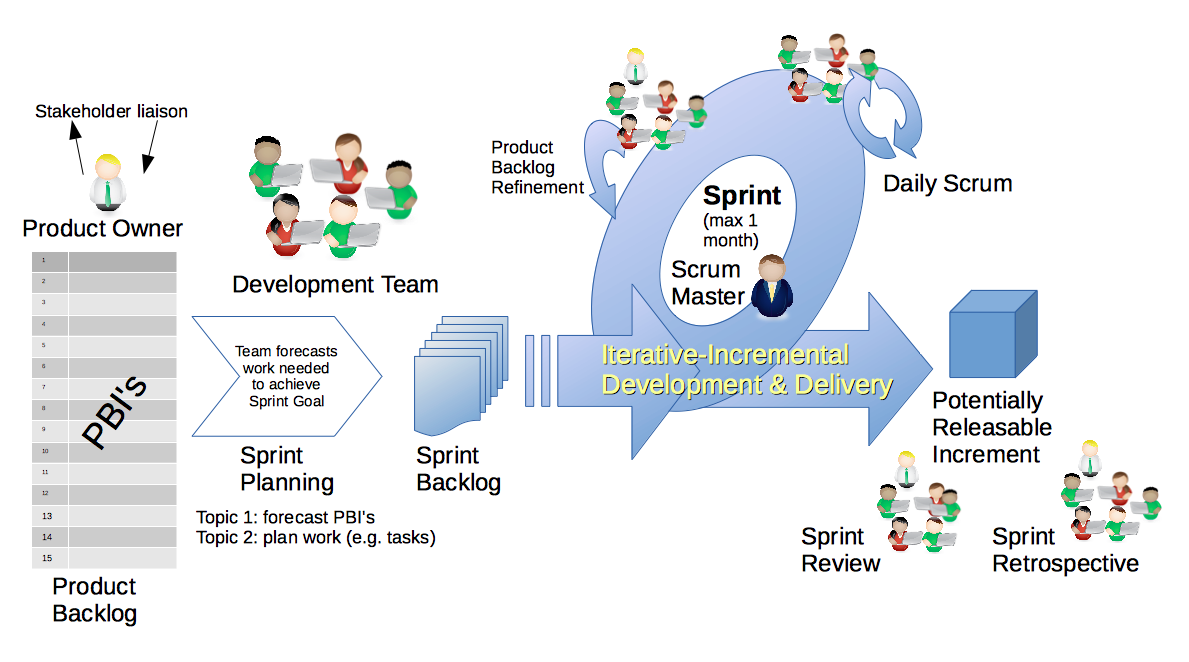
The Scrum Team
There are no traditional project managers in Scrum. Instead, accountability is divided among three specific roles:
- The Product Owner: The visionary who maximizes the value of the product resulting from the work of the Scrum Team. They define what gets built and in what order.
- The Scrum Master: The process facilitator who establishes the Scrum framework as defined in the Scrum Guide. They remove impediments and ensure the team adheres to Scrum principles.
- Developers: The cross-functional professionals who create the usable Increment each Sprint. They determine how the work gets done.
The Artifacts
Scrum revolves around three tangible artifacts that generate transparency:
- The Product Backlog: An ordered list of what is needed to improve the product. It is not a static document; it is an emergent artifact that constantly evolves over time as the market and product grow.
- The Sprint Backlog: The immediate tactical plan. The Sprint Backlog contains the Sprint Goal, the selected Product Backlog items for the Sprint, and an actionable delivery plan for achieving that goal.
- The Increment: The culmination of the Sprint. An Increment in Scrum is a concrete stepping stone toward the Product Goal. It must be fully functional, tested, and ready to use.
The Events
Scrum operates on a heartbeat of five events, anchored by the Sprint, which is a timeboxed iteration in Scrum lasting exactly one month or less.
- Sprint Planning: This event initiates the Sprint and lays out the work to be performed for the upcoming iteration.
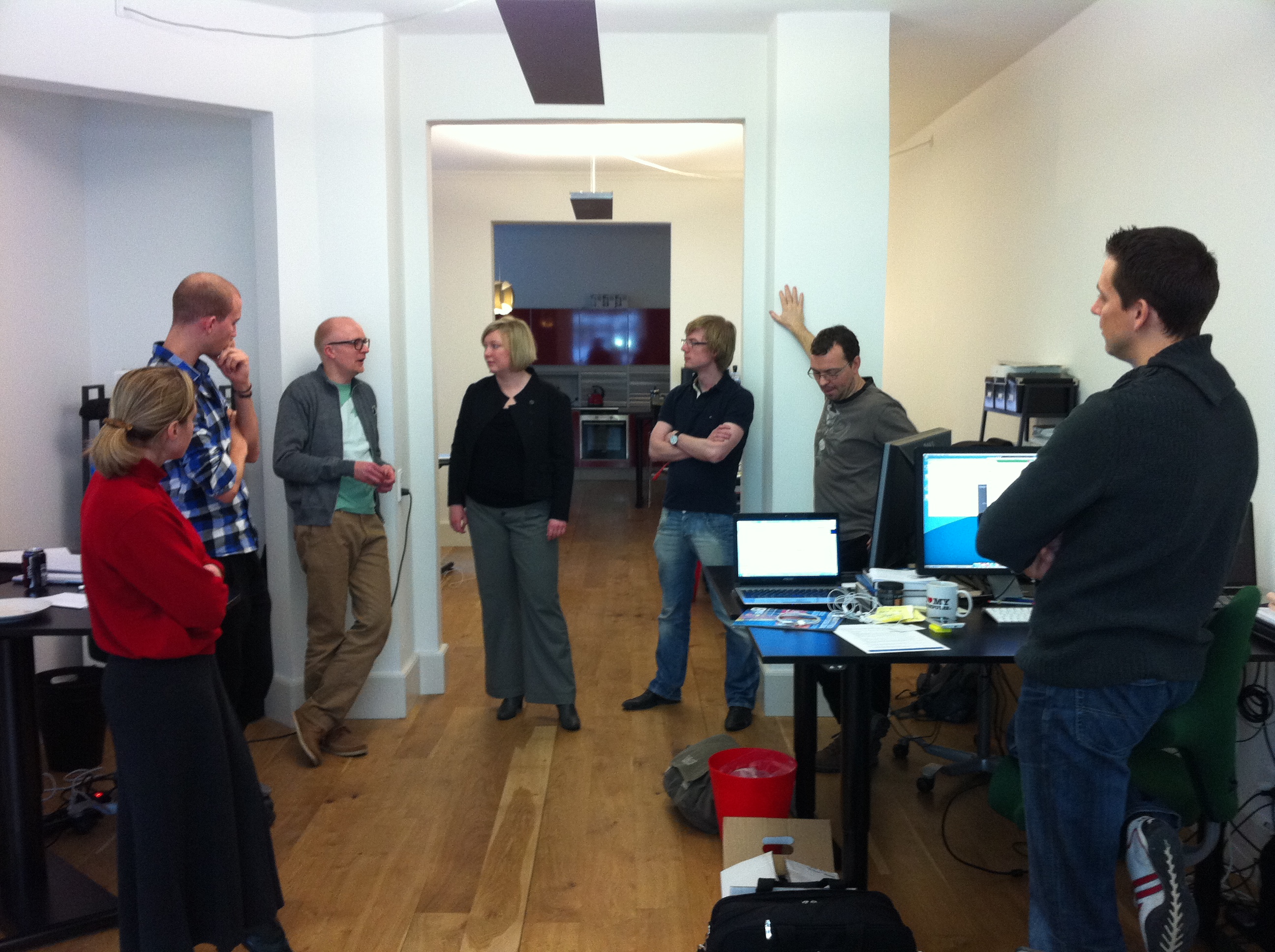
- Daily Scrum: A highly focused, fifteen minute daily event for the Developers of the Scrum Team to synchronize activities and adjust their plan toward the Sprint Goal.
- Sprint Review: Held at the end of the Sprint, this event inspects the Sprint outcome to determine future adaptations. The team presents the Increment to stakeholders for feedback.
- Sprint Retrospective: The final event that concludes the Sprint. Its sole purpose is continuous improvement; the Sprint Retrospective focuses on ways to increase team quality and effectiveness.
CAPM Exam Tip: Do not confuse the Sprint Review with the Sprint Retrospective. The Review looks at the product (the Increment). The Retrospective looks at the process (how the team worked together).
While Scrum operates on strict, rhythmic timeboxes, some environments—like IT operations, support desks, or continuous manufacturing—cannot wait for a two-week Sprint to address a new request. For these teams, we turn to Kanban.
Kanban is an agile methodology focused on managing the continuous flow of work. Crucially, Kanban methodology does not require fixed timeboxes or fixed length iterations. Work is pulled in as soon as there is capacity to handle it.
The central mechanism of this framework is the Kanban board, which visually depicts workflow stages and the work items currently in the system. A board might have columns for "To Do," "In Development," "Testing," and "Done."
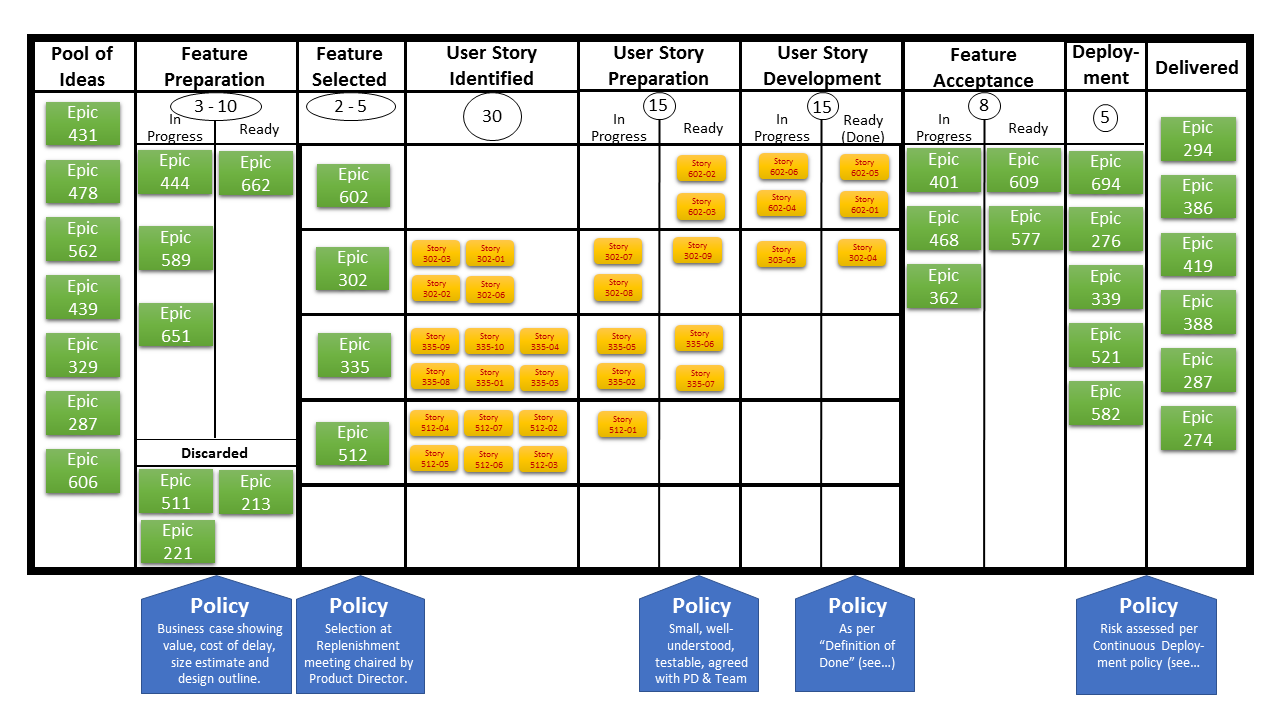
However, simply putting sticky notes on a wall does not mean you are doing Kanban. The magic lies in mathematics. Kanban operates as a pull system, meaning a pull system draws work into the next stage only when capacity is available. Contrast this with a traditional "push" system, where management dumps 50 tasks onto a team's desk regardless of whether they have time to do them.
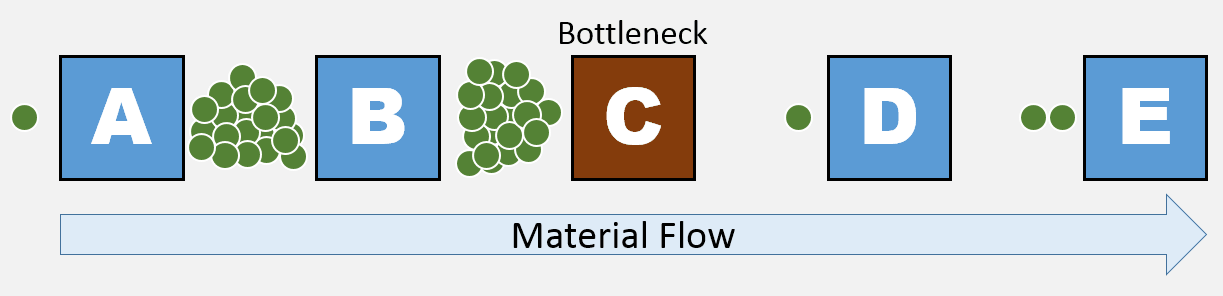
To enforce this pull system, Kanban relies on Work-in-Progress (WIP) limits. These limits restrict the maximum number of work items allowed in a specific workflow stage. By hard-capping the number of items in the "Testing" column at 3, you ensure the testers are never overwhelmed. Consequently, Work-in-Progress limits are used in Kanban to prevent bottlenecks. If a column reaches its WIP limit, the entire team swarms to clear the blockage before pulling new work into the system.
While Scrum provides a management framework, it doesn't tell developers how to write good code. Enter XP. Extreme Programming is an agile software development framework focused on improving software quality and responsiveness to changing requirements.
XP takes proven engineering practices and turns the dial up to "extreme." If testing is good, let's test constantly. If code reviews are good, let's review code continuously as it is written. The CAPM exam requires you to understand several specific XP practices:
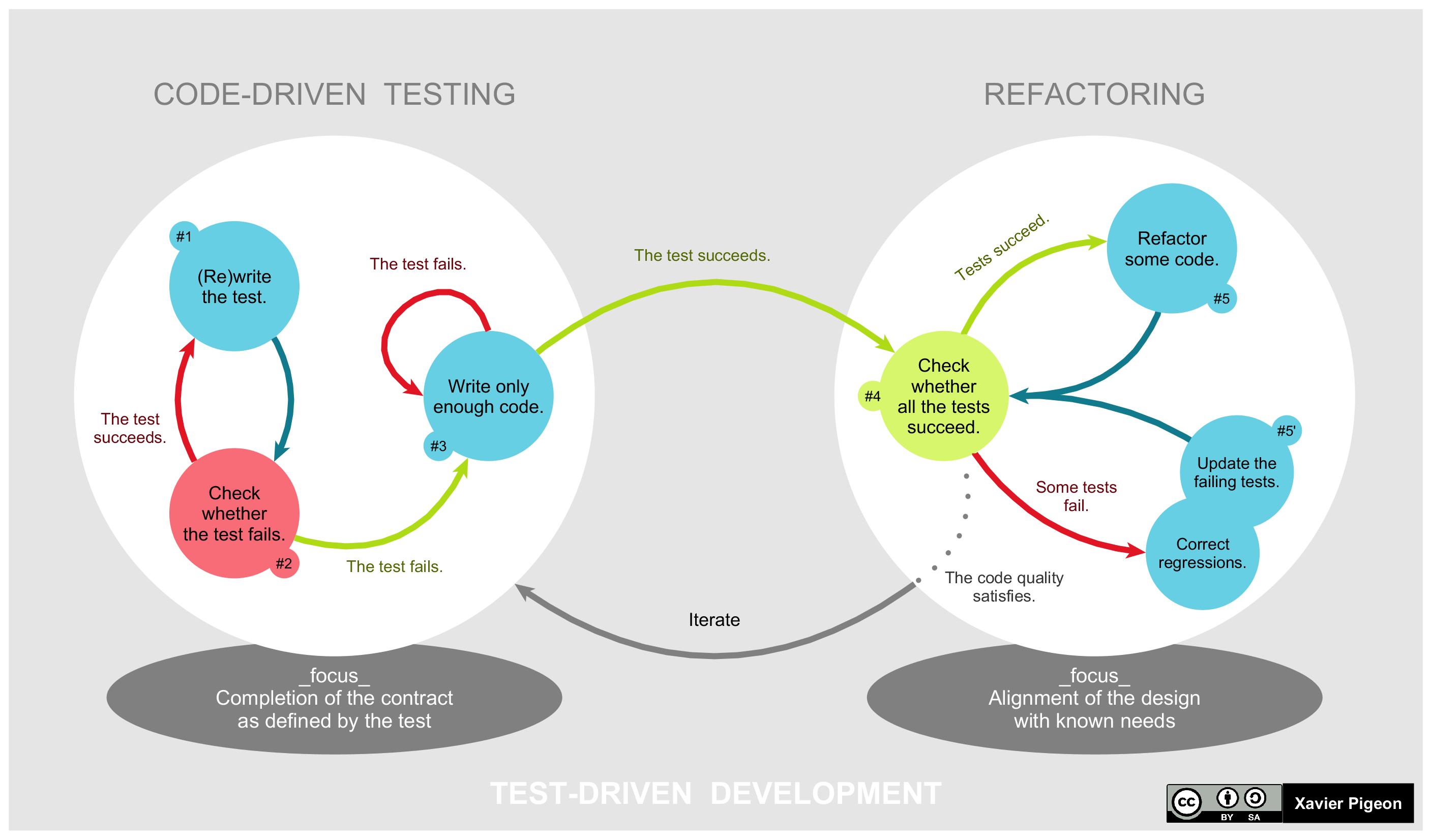
- Test-Driven Development (TDD): A discipline that requires developers to write automated tests before writing the functional code. This ensures the code is inherently testable and meets requirements by default.
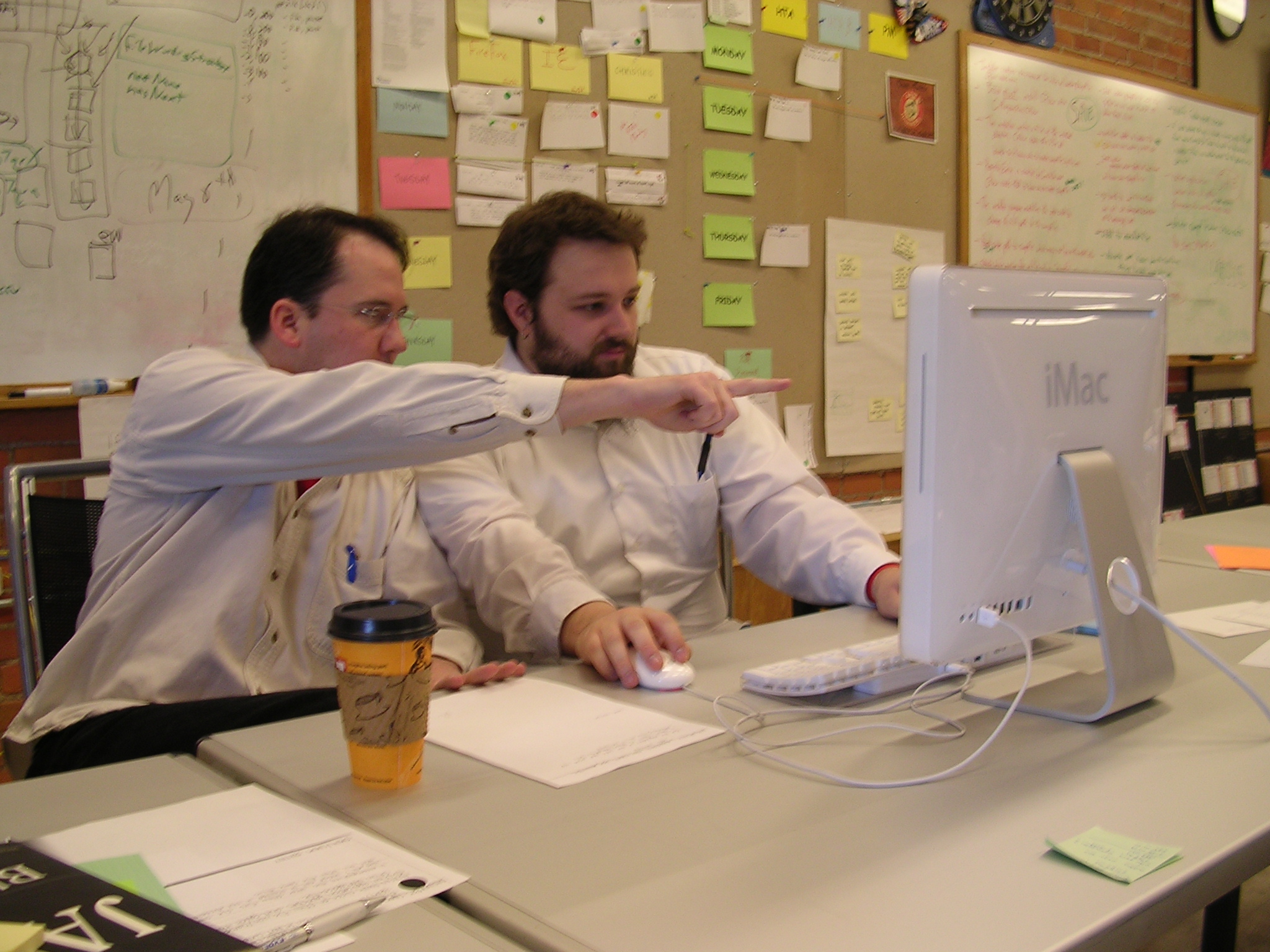
- Pair Programming: A collaborative practice that involves two developers working together collaboratively at a single workstation. One types (the driver) while the other reviews and navigates, drastically reducing defects.
- Continuous Integration (CI): A practice that requires developers to frequently merge code changes into a central repository, often several times a day, preventing the nightmare of integrating massive codebases at the end of a project.
- Refactoring: The act of cleaning up code. It involves restructuring existing code to improve design without changing external behavior, ensuring technical debt does not accumulate.
- Collective Code Ownership: The principle that allows any team member to modify any part of the project code at any time. There are no "silos" where only one person understands a crucial piece of the architecture.
- Small Releases: The practice of ensuring frequent delivery of working software to gather quick feedback from users.
- Sustainable Pace: The cultural mandate that dictates that team members should not work excessive overtime to maintain high quality outputs. Burned-out developers make mistakes; a sustainable pace is an engineering necessity, not just a perk.
Scrum, Kanban, and XP are incredibly effective for a single team of 5 to 10 people. But what happens when you are building an autonomous vehicle, a task requiring software engineers, hardware designers, legal compliance teams, and marketing, totaling hundreds of people? A single Daily Scrum would take hours.
To solve this, organizations utilize SAFe. The Scaled Agile Framework is a set of workflow patterns intended to guide enterprises in scaling agile practices beyond a single team.
SAFe achieves this scale by creating a "team of teams." This meta-team is called an Agile Release Train (ART), which is a long-lived team of agile teams that incrementally develops solutions. Because it consolidates multiple smaller agile teams, an Agile Release Train typically consists of fifty to one hundred twenty five individuals.
To guide this massive train, a specific role acts as the chief conductor. The Release Train Engineer in the Scaled Agile Framework serves as the chief Scrum Master for the Agile Release Train, clearing systemic impediments that affect multiple teams.
Just as a Scrum team plans their upcoming Sprint, the entire ART must align their efforts. They do this during a massive timebox called a Program Increment (PI), which is a timebox during which an Agile Release Train delivers incremental value. Because this involves aligning dozens of teams, a Program Increment in the Scaled Agile Framework typically lasts eight to twelve weeks.
The PI is initiated by a critical planning event. Program Increment Planning is a cadence-based event that aligns all the teams on an Agile Release Train to a shared mission. During PI Planning, representatives from all teams identify dependencies (e.g., Team A cannot build the user interface until Team B builds the database), negotiate scope, and map out their collective trajectory for the next 8 to 12 weeks.
Summary Distinction Chart for the CAPM Candidate
| Methodology | Primary Focus | Defining Characteristics | Key Mechanisms |
|---|---|---|---|
| Scrum | Empiricism & Iteration | Timeboxed iterations (Sprints). Specific roles (PO, SM, Developers). | Sprint Goal, Daily Scrum, Retrospectives. |
| Kanban | Continuous Flow | No fixed timeboxes. Visual management. Pull system based on capacity. | WIP Limits, Kanban board. |
| XP | Software Quality | Engineering-first mindset. Highly disciplined development standards. | Pair Programming, TDD, CI, Refactoring. |
| SAFe | Enterprise Scaling | Synchronizing massive groups (50–125 people). | Agile Release Train (ART), Program Increment (PI). |
Mastering adaptive planning requires understanding that these frameworks are not mutually exclusive. A large enterprise might use SAFe to align its strategy (PI Planning), while individual teams within the Agile Release Train run Scrum for their daily management, using Kanban boards to visualize their workflow, and enforcing Extreme Programming practices to write their code. Your role as a project professional is to know which tool to pull from the box based on the complexity, scale, and flow of the work in front of you.