Problem-Solving Tools and Meetings
Not sure you’re ready?
Take the ~3-minute readiness diagnostic and see where you stand.
Consider a complex engineering endeavor, such as the construction of a suspension bridge or the deployment of a new enterprise software system. The raw materials and code do not assemble themselves; they are orchestrated by human beings. When human coordination breaks down, timelines slip, budgets hemorrhage, and quality degrades. The fundamental mechanisms we use to align this human capital are meetings and structured problem-solving frameworks. Far from administrative busywork, these are the analytical instruments through which project variances are resolved, decisions are quantified, and collective action is deployed.

To pass the CAPM exam—and more importantly, to execute effectively in a project environment—you must understand how to engineer these interactions. You need to know how to measure the thermodynamic efficiency of a meeting, how to diagnose the absolute root of a failure, and how to shepherd a chaotic storm of ideas into a mathematical decision.
In any physical system, if you do not constrain energy, it dissipates as useless heat. The same is true for human collaboration. We have all endured wandering, hour-long discussions that conclude with no clear outcome.
Ultimately, evaluating meeting effectiveness involves confirming whether the meeting achieved its stated objectives within the scheduled time frame. If a meeting finishes on time but yields no decisions, it failed. If it achieves the objective but takes three hours instead of the scheduled one, it failed.
To achieve this effectiveness, project professionals use a specific set of controls to manage the flow of information:
- The Meeting Agenda: A meeting without an agenda is a ship without a rudder. A meeting agenda must be distributed prior to a meeting to ensure participants can prepare and understand the meeting objectives. It acts as the blueprint for the conversation.
- Meeting Ground Rules: Just as a physical system has constants, meetings require boundaries. Meeting ground rules establish acceptable participant behavior and collaboration expectations during a project meeting. This might include rules against interrupting or mandates that laptops remain closed.
- The Meeting Facilitator: Left to their devices, groups will naturally drift toward tangents. A meeting facilitator ensures the discussion stays on track and adheres to the published agenda, acting as the dampening force on an oscillating wave.
- The Parking Lot: When a brilliant but irrelevant idea surfaces, you cannot simply ignore it, nor can you let it derail the agenda. A parking lot is a meeting management tool used to temporarily record off-topic ideas or issues for future discussion. It preserves the idea while protecting the current objective.
Closing the Loop: Documentation
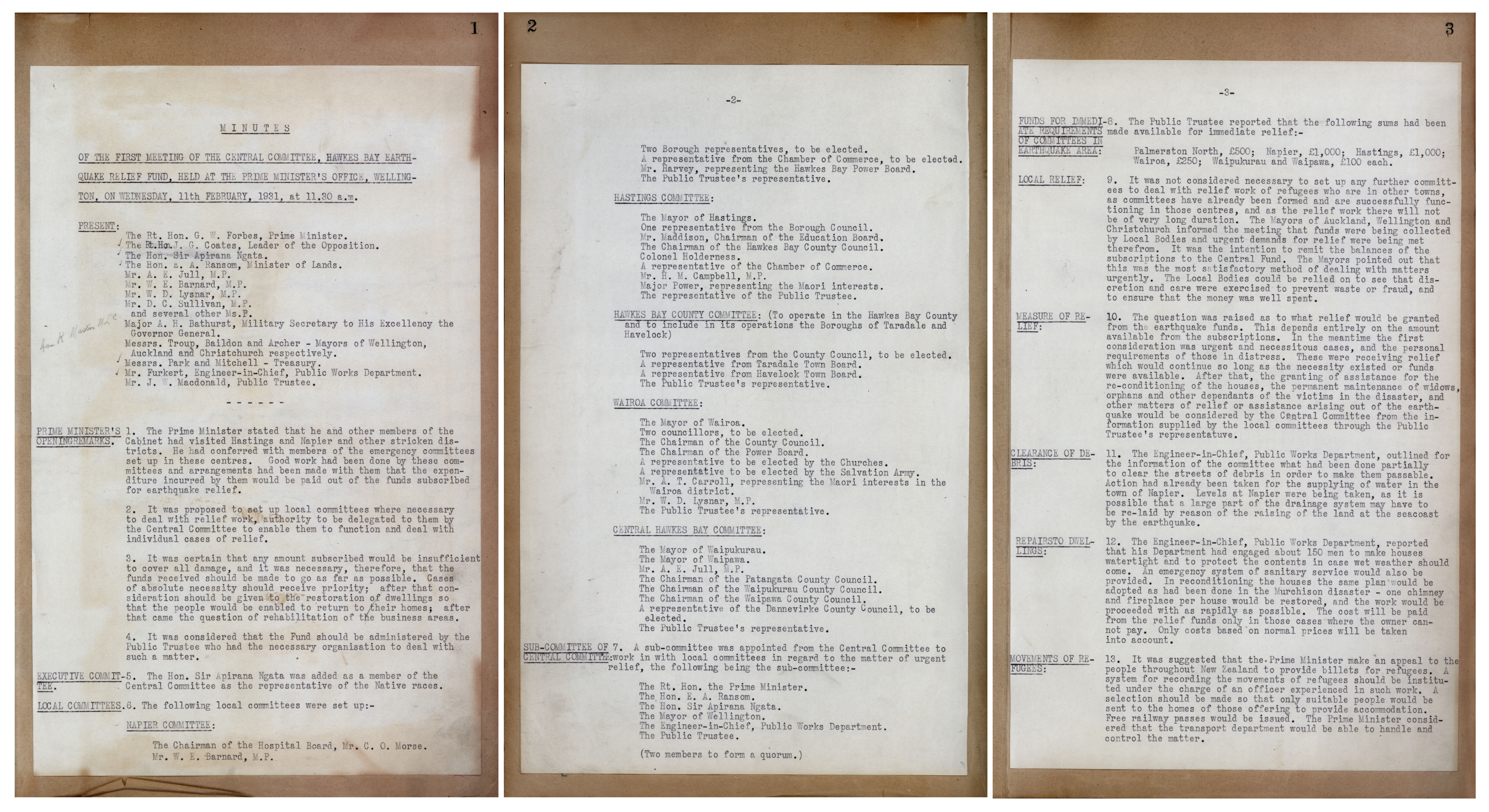
Once the meeting concludes, the energy generated must be directed into action. Meeting minutes formally document the decisions made and action items assigned during a project meeting. They serve as the official historical record.
Furthermore, a vague task assignment is merely a wish. For progress to occur, action items generated during a meeting must include a designated owner and a specific target completion date. Without an assigned owner, everyone assumes someone else will do it; without a target date, it will never get done.
Not all meetings serve the same function. Depending on where you are in the project life cycle, and whether you are using predictive (Waterfall) or adaptive (Agile) methodologies, you will deploy highly specific meeting types.
The Foundation: Kickoff Meetings and Focus Groups
Before the work begins, you must align your vectors.
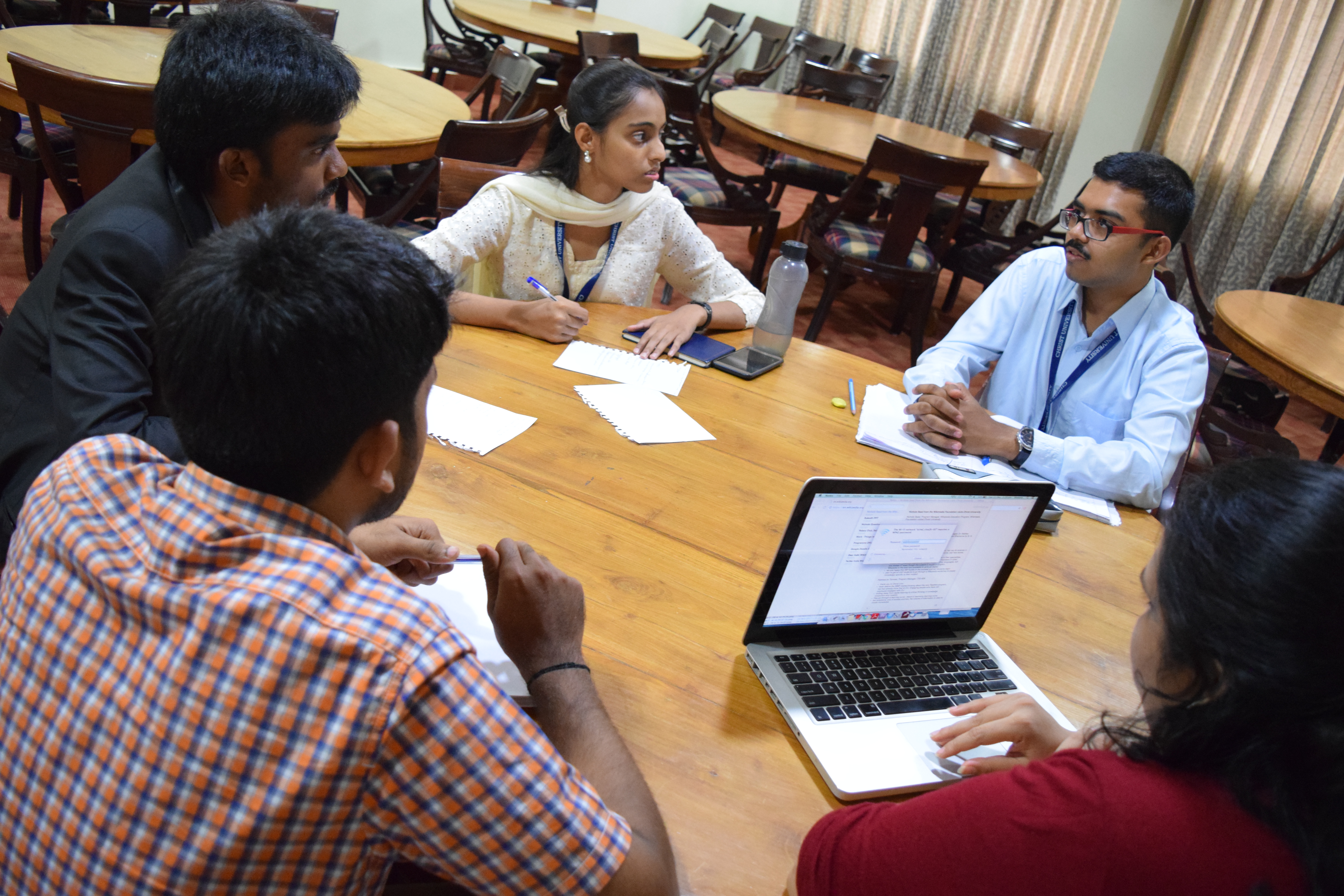
- Project Kickoff Meeting: This marks the official transition from planning to execution. A project kickoff meeting communicates the project objectives, establishes stakeholder roles, and gains team commitment to the project goals. It ensures everyone understands the destination and their part in reaching it.
- Focus Group: Often deployed during the business analysis phase when defining scope, a focus group brings together prequalified stakeholders and subject matter experts to learn about their expectations and attitudes regarding a proposed product. Unlike a sterile survey, a focus group is guided by a trained moderator using an interactive and conversational approach to gather qualitative feedback. The moderator probes deeper into why stakeholders feel a certain way.
The Agile Pulse: Standups and Retrospectives
In Agile environments, feedback loops must be short and rapid.
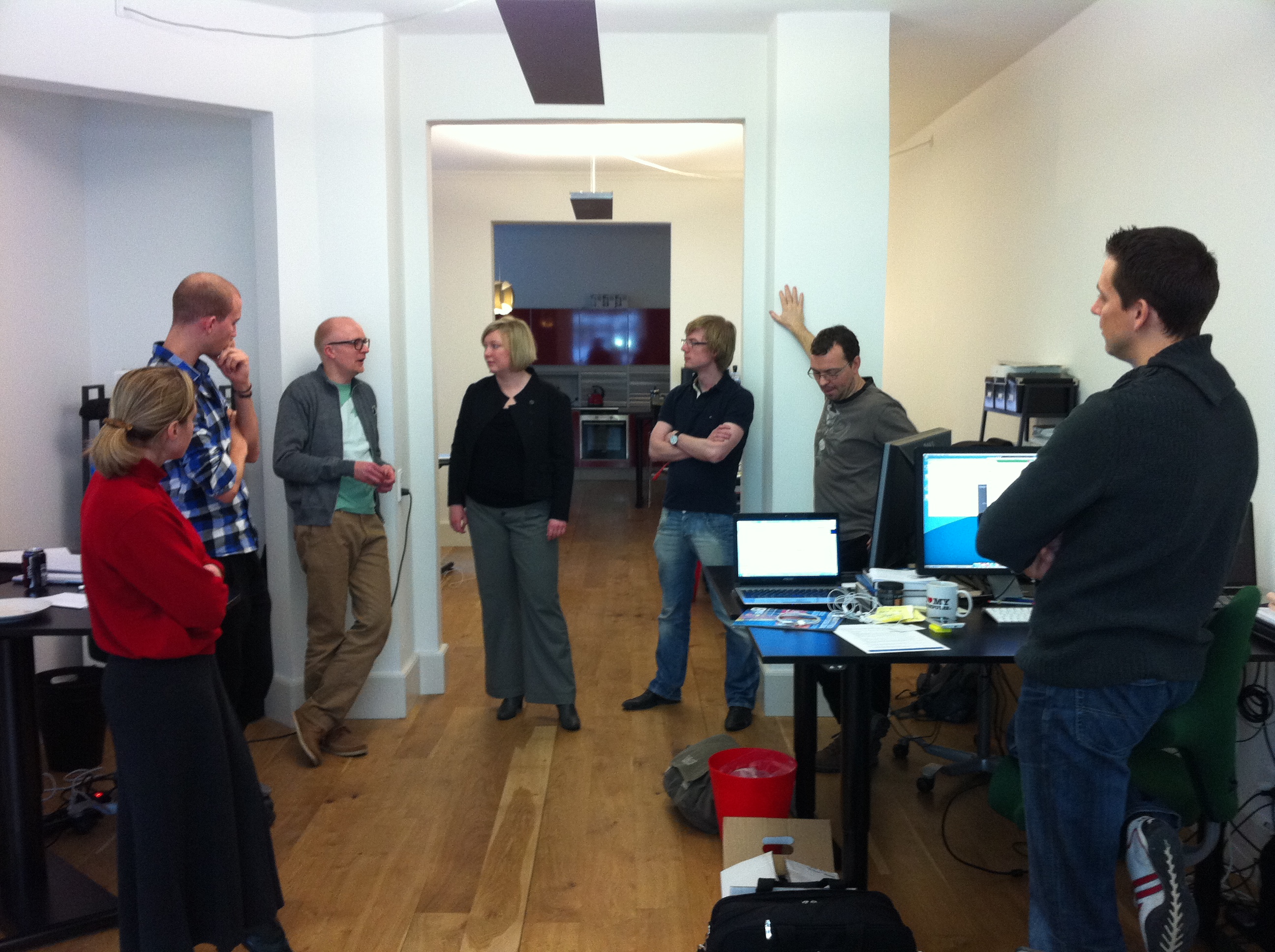
The Daily Standup A daily standup meeting is an agile practice used by the project team to share progress updates and identify active impediments.
The Critical Constraints: To prevent the standup from devolving into a lengthy status report, a daily standup meeting is strictly timeboxed to a maximum duration of 15 minutes. The Format: Participants strictly state three things: what was accomplished yesterday, what is planned for today, and any blocking issues.
Continuous Improvement: Retrospectives vs. Lessons Learned
The CAPM exam will heavily test your ability to distinguish between Agile continuous improvement and traditional project closure activities.
| Meeting Type | When is it held? | What is its purpose? |
|---|---|---|
| Retrospective Meeting | At the end of an agile iteration (Sprint). | To identify process improvements for the upcoming iteration. It focuses on the immediate team's workflow. |
| Lessons Learned Meeting | Typically during project closure or phase gates. | To evaluate project successes and failures to capture knowledge that will improve future project performance across the organization. |
Imagine a machine on a factory floor suddenly begins producing defective parts. You could replace the broken parts (fixing the symptom), or you could find out why the machine broke in the first place.
Root cause analysis (RCA) is an analytical problem-solving technique used to determine the underlying reason for a project variance or defect. It prevents you from wasting resources on surface-level symptoms.
The Ishikawa Diagram
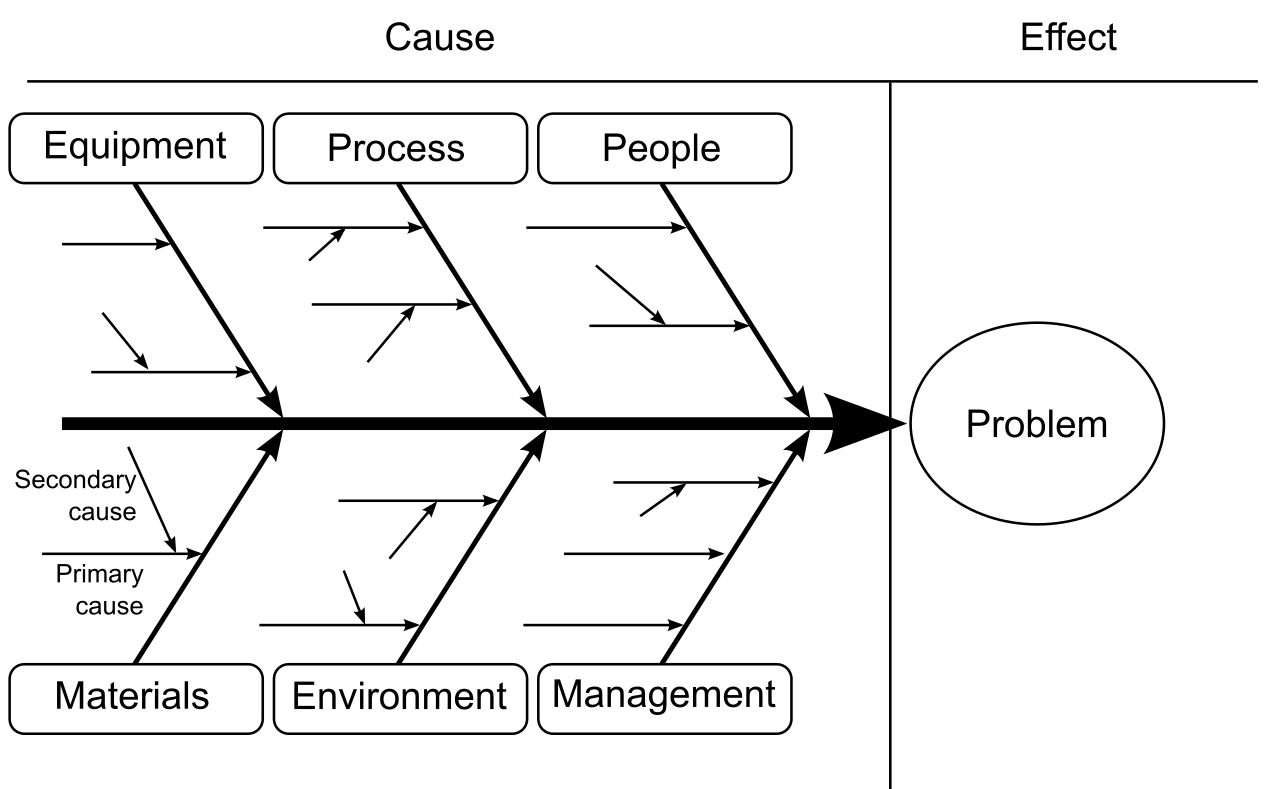
When a problem is complex, it rarely has a single, obvious trigger. An Ishikawa diagram is a visual problem-solving tool used to systematically trace an identified problem back to its root causes.
Because of its distinctive shape—a central spine representing the main problem, with branching ribs categorizing different potential causes (like People, Process, Equipment, Materials)—an Ishikawa diagram is also commonly referred to as a cause-and-effect diagram or a fishbone diagram. By visually mapping out every contributing factor, the team can systematically eliminate variables until the true source of the defect is found.
The Five Whys Technique
Sometimes, you do not need a sprawling diagram; you simply need to drill downward. The Five Whys technique is a root cause analysis method that repeatedly asks "why" to drill down to the fundamental cause of a problem.
Example:
- Why did the software crash? The database locked up.
- Why did the database lock up? Too many concurrent writes.
- Why were there too many concurrent writes? We didn't implement rate limiting.
- Why didn't we implement rate limiting? It wasn't in the design spec.
- Why wasn't it in the design spec? Root Cause: We did not consult the database architect during the planning phase.
Once a problem has been identified, the team must engineer a solution. This process requires moving from a state of divergent, unconstrained thinking (generating options) to convergent, mathematical thinking (making a choice). The tools you use evolve as you move down the funnel.
Stage 1: Divergence (Brainstorming)
The goal at the top of the funnel is volume, not quality. Brainstorming is a problem-solving technique used to generate a vast volume of ideas or solutions for a specific issue.
To maximize the physics of human creativity, friction must be zero. Therefore, during a brainstorming session, participants are strictly prohibited from criticizing or evaluating ideas as the ideas are generated. The moment a team member fears their idea will be judged, they will stop contributing, and the system loses potential solutions.
Stage 2: Organization (Mapping and Grouping)
Once you have fifty ideas scrawled on whiteboards, the chaos must be structured.
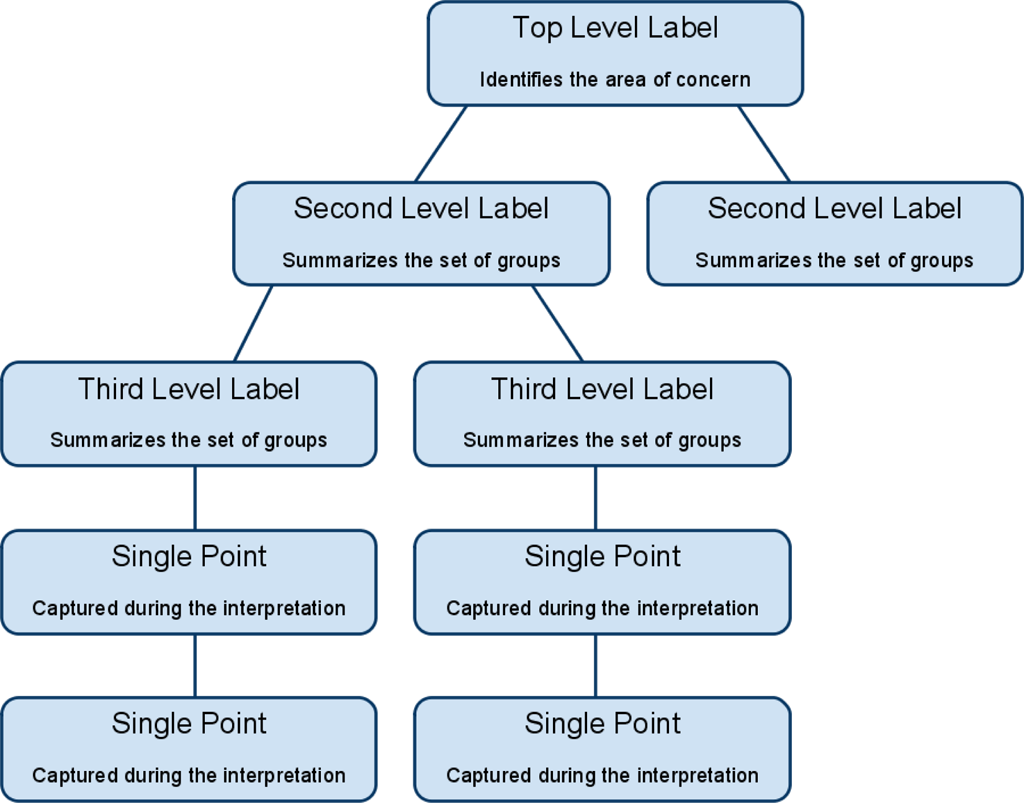
- Mind Mapping: If the ideas are related to a central theme and branch off organically, you use mind mapping. Mind mapping is a technique that visually consolidates individual ideas created through brainstorming into a single connected diagram. It shows the relational architecture between thoughts.
- Affinity Diagrams: If you simply have a massive, disparate list of brainstormed ideas, you need to categorize them. Affinity diagrams allow large numbers of brainstormed ideas to be sorted into logical groups for review and further analysis. Think of this as taking fifty random sticky notes and moving them into clean columns labeled "Budget Ideas," "Schedule Ideas," and "Technology Ideas."
Stage 3: Ranking (Nominal Group Technique)
You now have categorized ideas, but which ones are actually worth pursuing? You need a mechanism to gauge group consensus quickly. The nominal group technique enhances brainstorming by adding a structured voting process to rank the most useful ideas. Each participant privately ranks or votes on the ideas, stripping away the loudest-voice-in-the-room bias and allowing the mathematically most favored ideas to rise to the top.
Stage 4: Convergence (Multicriteria Decision Analysis)
You have narrowed it down to three viable solutions. Now, you must make a final, defensible business decision. You cannot rely on gut feeling; you need a formula.
Multicriteria decision analysis (MCDA) uses a decision matrix to systematically evaluate and score alternative solutions to a problem based on predefined criteria.
Imagine choosing between three software vendors. You set up a matrix with criteria like Cost, Security, and Ease of Use. You assign weights to these criteria (e.g., Security is weighted heavily, Cost moderately). You then score each vendor against these metrics. By multiplying the scores by the weights, you produce a single numerical value for each option. The decision becomes an objective, quantifiable output rather than a subjective argument.
Mastering the CAPM exam requires seeing the matrix beneath the meetings. By understanding how to establish strict bounds via agendas and ground rules, how to timebox Agile ceremonies, how to hunt down systemic flaws with Ishikawa diagrams, and how to shepherd ideas from a brainstorm to a mathematical matrix, you elevate project management from an administrative task to an applied science.