Project, Program, and Portfolio Management
Not sure you’re ready?
Take the ~3-minute readiness diagnostic and see where you stand.
An organization is a complex, living system traversing a competitive environment. To survive day-to-day, it must breathe, pump blood, and convert fuel into energy—these are the repetitive, sustaining rhythms of the business. But to evolve, to adapt to a shifting environment or outpace competitors, the organism must consciously change its form. It must build a new capability, enter a new market, or overhaul a failing system. In the precise lexicon of organizational management, the heartbeat is operations, and the evolutionary leaps are projects. Understanding how an enterprise separates the repetitive from the unique, and how it aligns both to a grand strategy, is the fundamental starting point for any practitioner of project management.
At its core, a project is a temporary endeavor undertaken to create a unique product, service, or result.
Notice the two operative words in that definition: temporary and unique. When you process payroll every Friday, you are doing neither. But when you implement a brand-new software system, you are engaging in a project. Projects are unique endeavors whereas operations are repetitive endeavors.
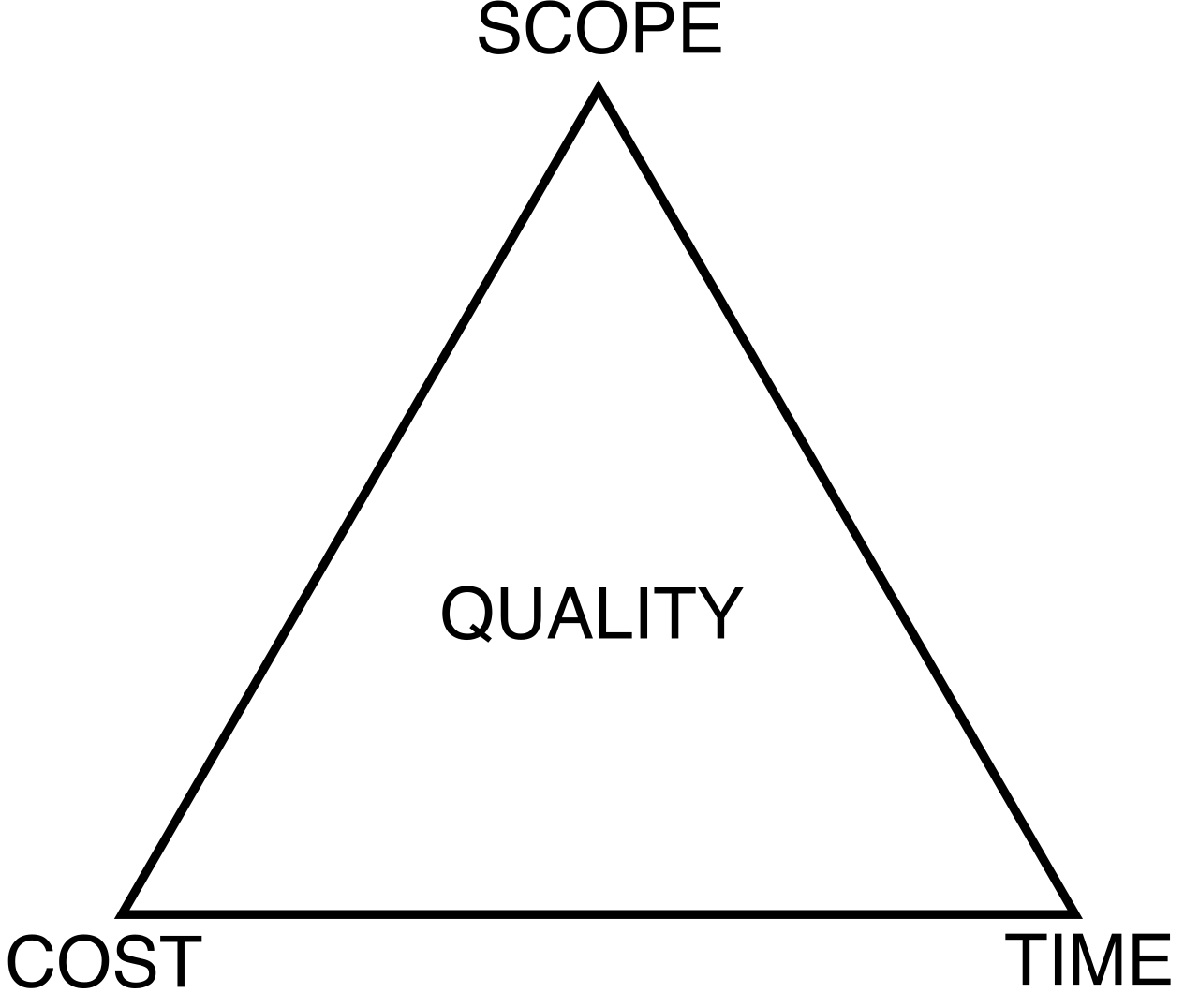
Because a project is temporary, it is inherently bound by time. Projects have a definite beginning and a definite end. They are not infinite loops. Project management focuses on delivering specific scope within given constraints of time, cost, and quality. As a project professional, your job is to corral the chaos of the unknown into a defined timeline and budget.
Moving from Current to Future State
Why do organizations tolerate the friction and cost of these temporary endeavors? Because projects drive organizational change by moving an enterprise from a current state to a desired future state.
- The current state represents the condition of the organization before the project begins. Perhaps customer wait times are too long, or the company relies on outdated legacy hardware.
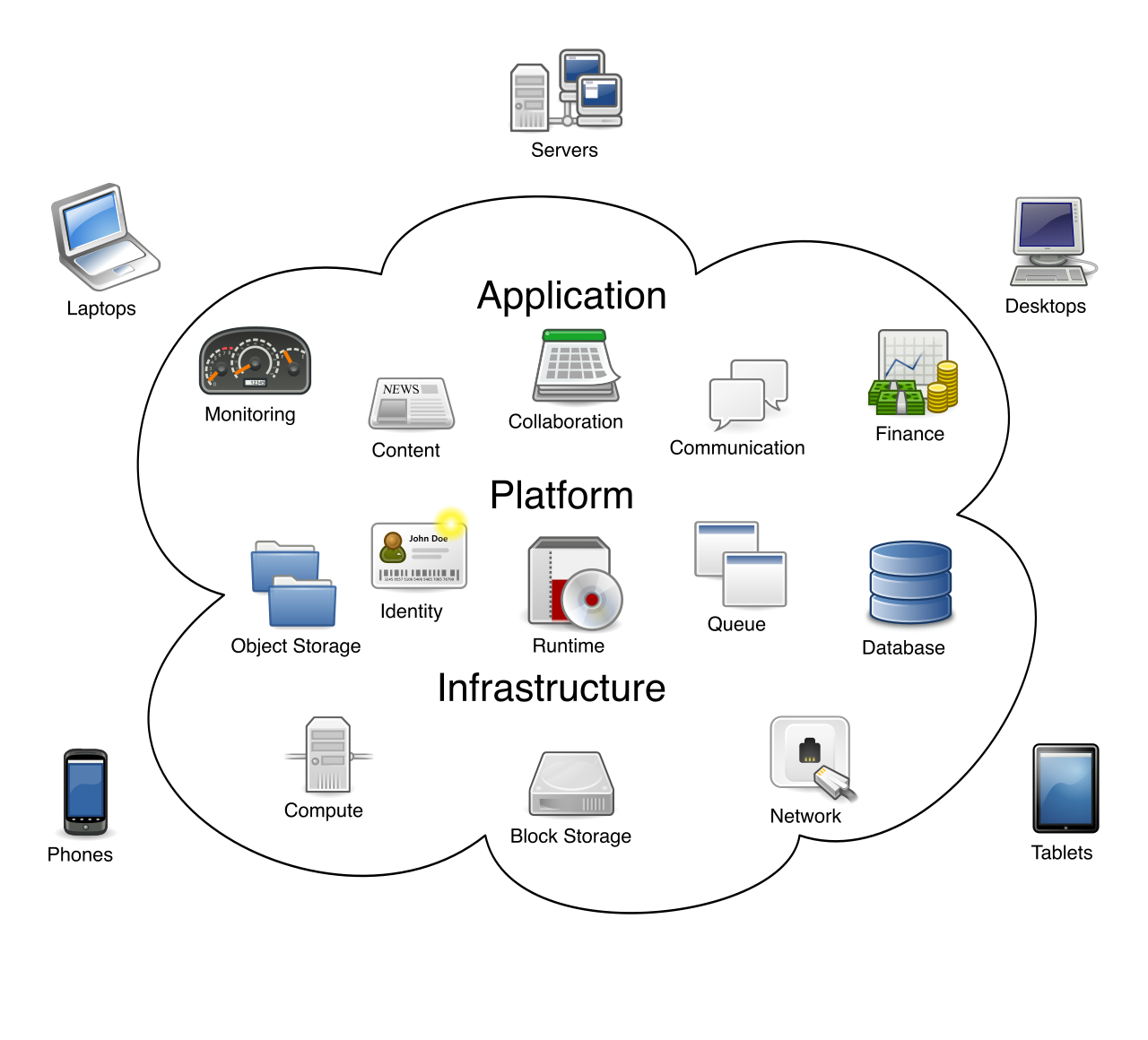
- The future state represents the condition of the organization after the project is successfully completed. Now, a streamlined app handles customer queues automatically, or the entire IT infrastructure is modernized in the cloud.
The journey between these two states is the project itself.
The Creation of Business Value
By successfully arriving at the future state, projects enable the creation of business value for an organization. This value is the ultimate justification for the project's existence, and it manifests in two distinct forms:
- Tangible business value: These are the hard, quantifiable gains you can point to on a balance sheet. Tangible business value includes monetary assets, stockholder equity, and fixtures (like the physical shelving and registers installed during a retail store expansion project).
- Intangible business value: These are the critical, yet harder-to-measure benefits. Intangible business value includes brand recognition, strategic alignment, and reputation. A project to overhaul customer privacy protocols might not immediately generate a monetary asset, but the reputation protection it provides is immense.
When Does a Project Actually End?
Because a project has a definite end, we must have strict rules for when we close the books on it. A project does not drag on indefinitely just because there is money left in the budget.
There are three primary triggers for project closure:
- A project reaches completion when the project objectives have been achieved. The software is launched, the building is constructed, or the research report is published.
- A project reaches completion when the project objectives cannot be met. This is failure, but failure is a valid end state. If you are drilling for oil and the geological survey proves the reservoir is dry, the project stops.
- A project reaches completion when the need for the project no longer exists. If you are designing a regulatory compliance module for a software tool, and the government repeals the regulation halfway through your timeline, the project is terminated.
If projects are the mechanism for change, operations are the mechanism for survival.
Operations consist of ongoing execution of activities. Unlike projects, which are temporary, projects are temporary endeavors whereas operations are ongoing endeavors.
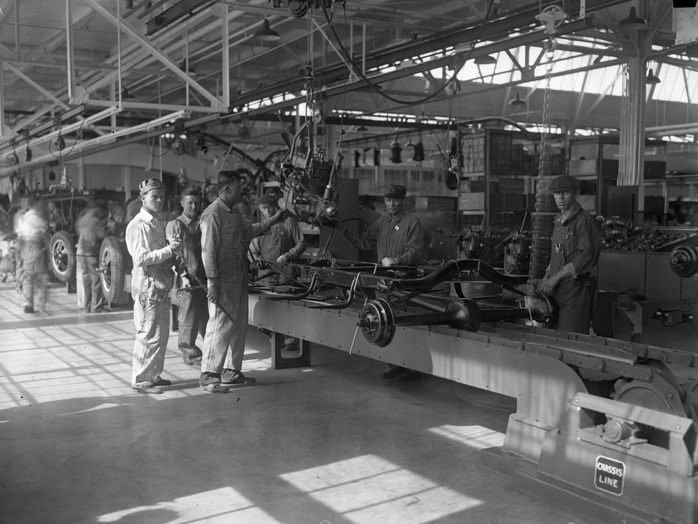
Operations produce the same repetitive product or provide a repetitive service. Manufacturing thousands of identical smartphones on an assembly line, responding to IT helpdesk tickets, or restocking warehouse shelves—these are operations.
Accordingly, operations management focuses on sustaining the core business processes. The goal here is efficiency, consistency, and stability. While a project manager aims to disrupt the status quo to build something new, an operations manager aims to maintain the status quo seamlessly and efficiently.
The Intersection of Projects and Operations
In the real world, projects and operations do not exist in hermetically sealed silos. They constantly interact. A business is an ecosystem where the output of a project often becomes the input for operations, and the flaws in operations often spawn new projects.
Projects intersect with operations in three primary ways:
- When a new product or service is handed over to the operational team. Think of a project team designing a brand-new electric vehicle. Once the design is finalized and the prototype is tested, the project ends. The blueprints are handed over to the manufacturing plant, where the ongoing production (operations) begins.
- When an existing operational process requires improvement or upgrading. Imagine a customer support call center (operations) that is experiencing high turnover and low satisfaction scores. A project is initiated to integrate AI chatbots and upgrade the telecom software. During this time, the project intersects heavily with the daily operations of the call center.
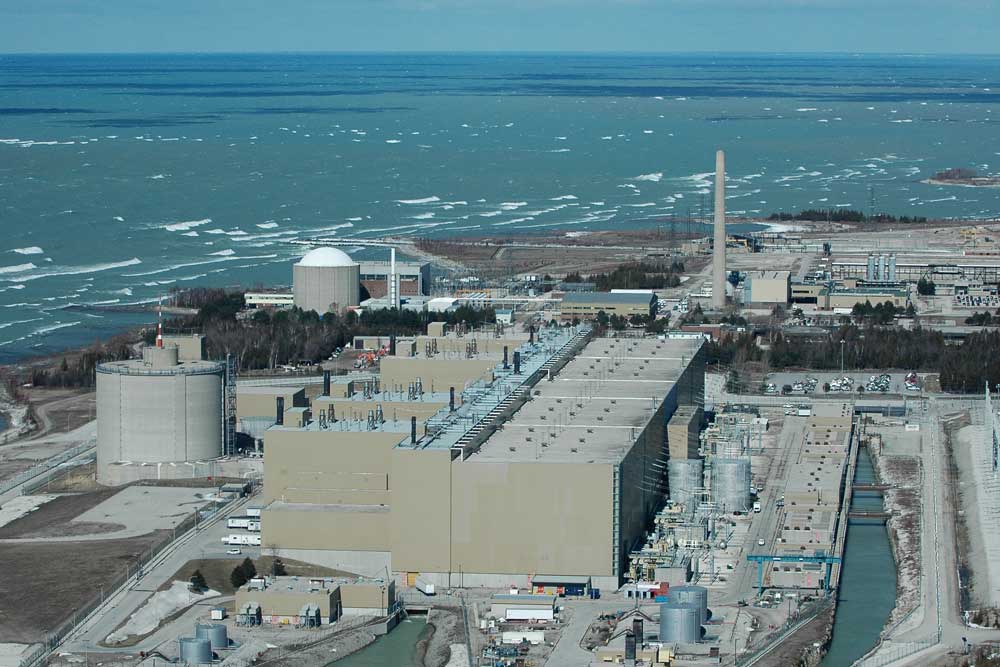
- At the end of a product lifecycle during decommissioning. Eventually, systems become obsolete. Shutting down a decades-old nuclear power plant or decommissioning a legacy server farm cannot be done haphazardly; it requires a carefully planned project to dismantle the ongoing operations safely.
Understanding the boundaries of a single project is only the first step. In major enterprises, you rarely have just one project happening at a time. The organization must organize its efforts into broader hierarchies to ensure strategic alignment and efficient resource use.
Structurally, a project can exist as a standalone endeavor outside of a program or portfolio. If a small startup decides to redesign its logo, that is a standalone project. However, as organizations grow, projects are usually grouped into higher-level structures.
Programs: Mastering the Interdependencies
When projects are closely related, managing them in isolation creates friction. The solution is program management.
A program is a group of related projects managed in a coordinated manner. Therefore, a project can exist as a component within a larger program.
Why group them? Because coordinated management of a program provides benefits unobtainable from managing the component projects individually.
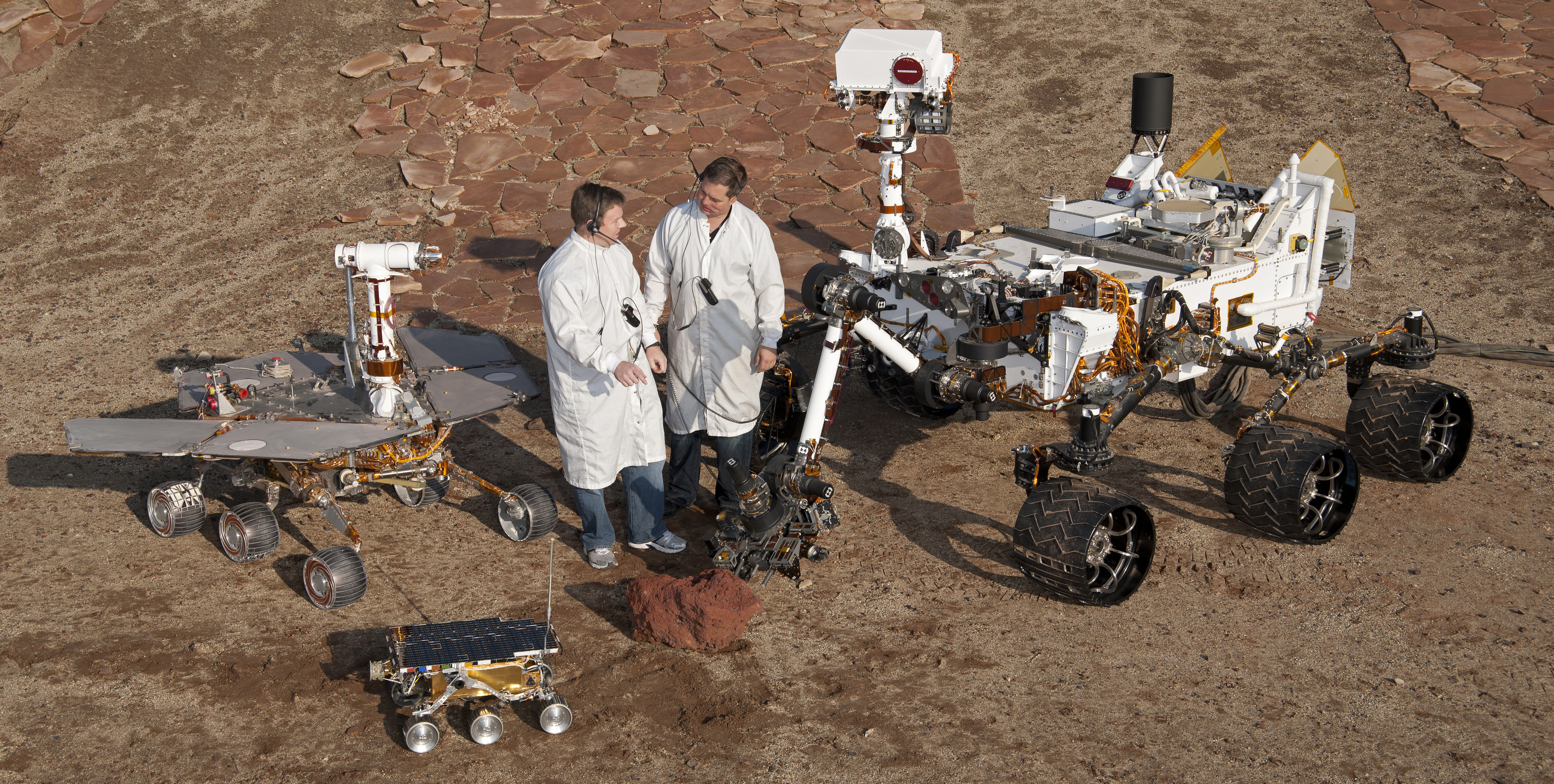
Consider a space agency aiming to land a rover on Mars. That is a massive program. It contains dozens of related projects: Project A builds the launch vehicle, Project B designs the rover's scientific payload, and Project C develops the deep-space communication software. If Project A is delayed by three months, Project C needs to know immediately so they can pause their testing schedule and conserve their budget. Program management focuses on resolving project interdependencies within the program. By managing them together, the program manager ensures the shared resources are optimized and the overarching objective—getting to Mars—is achieved.
Portfolios: Aligning with Strategic Intent
Above projects and programs sits the highest level of organizational management: the portfolio.
A portfolio is a collection of projects, programs, subsidiary portfolios, and operations. Think of the portfolio as the executive dashboard of the entire organization's investments. Note that a project can exist as a direct component within a larger portfolio, bypassing a program entirely if it doesn't have strict interdependencies with other projects.
While a program focuses on executing things right (handling interdependencies), a portfolio focuses on executing the right things. Portfolio management ensures the organization is executing the correct programs and projects to meet strategic goals.
Imagine a massive pharmaceutical enterprise. Its strategic goal for the decade is to dominate the market in personalized genetics. Its portfolio will consist of everything from ongoing R&D operations to massive clinical trial programs, down to standalone projects for upgrading laboratory equipment.
Because resources—money, talent, equipment—are inherently limited, portfolio management prioritizes resource allocation across different programs and projects. If a clinical trial program is failing, the portfolio manager will kill it and redirect those millions of dollars toward a different project that better serves the strategic vision. Ultimately, portfolio components are managed as a group to achieve strategic business objectives.
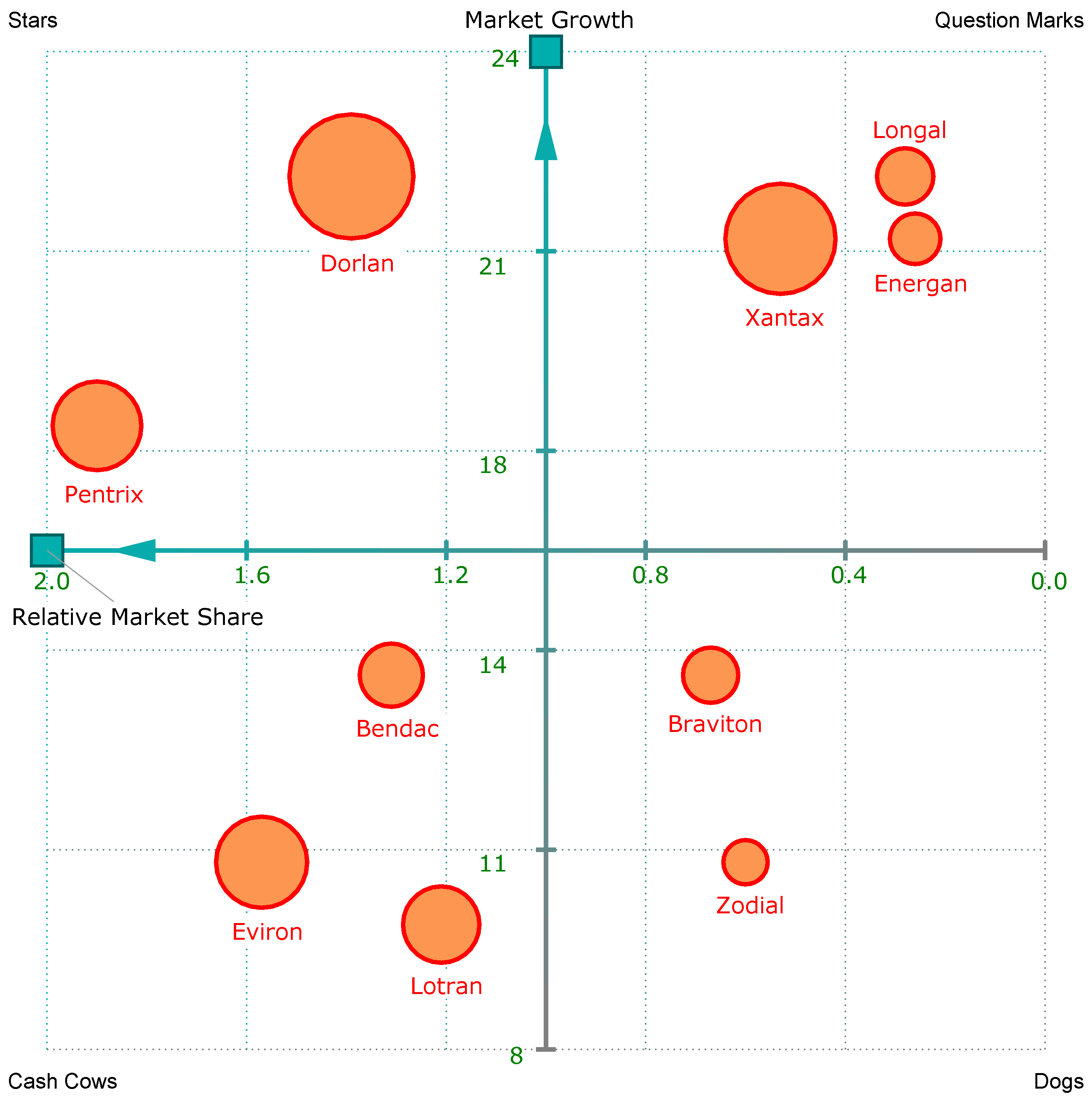
To consolidate these concepts for the CAPM exam, use the comparative framework below to mentally anchor the differences in scope, purpose, and focus.
| Concept | Definition & Nature | Primary Focus | Success Measure |
|---|---|---|---|
| Project | A unique, temporary endeavor with a definite start and end. | Delivering a specific scope within constraints (time, cost, quality). | Achieving the project objectives; moving to a desired future state. |
| Operations | Ongoing, repetitive execution of activities. | Sustaining core business processes and maintaining efficiency. | Smooth, continuous delivery of products/services without interruption. |
| Program | A group of related projects managed in a coordinated way. | Resolving interdependencies between related projects. | Realizing benefits unobtainable if the projects were managed individually. |
| Portfolio | A strategic collection of projects, programs, and operations. | Prioritizing resource allocation and strategic alignment. | Achieving overarching strategic business objectives. |
Mastering these distinctions allows you to see the organization not as a chaotic scramble of tasks, but as an intentional machine. You will know exactly when you are sustaining the machine (operations), when you are upgrading its parts (projects), how those parts fit together (programs), and why the machine was built in the first place (portfolios).