Project Roles and Responsibilities
Not sure you’re ready?
Take the ~3-minute readiness diagnostic and see where you stand.
To understand the machinery of project management, imagine a space agency preparing to launch a rover to Mars. The head of the space agency does not sit in the cleanroom tightening bolts on the chassis; they are in the capital, securing the multi-billion-dollar budget from the government and defending the mission's strategic value. Down at the launch center, the mission director is orchestrating a symphony of overlapping schedules, fuel budgets, and stakeholder demands, translating that high-level governmental mandate into a daily operational reality. Meanwhile, propulsion engineers and astrobiologists are the ones actually calculating orbital trajectories and building the scientific instruments.

If you confuse the roles of the agency head, the mission director, and the engineers, the rover never leaves the launchpad. The same is true in any professional project environment. To master the Certified Associate in Project Management (CAPM) exam and, more importantly, to succeed in the field, you must understand the clear boundaries, responsibilities, and relationships between the three primary actors in any project: the Project Sponsor, the Project Manager, and the Project Team.
The project sponsor is typically an executive or senior manager within the performing organization. They are the visionary and the financier. They do not manage the day-to-day work; rather, they ensure the project exists for a valid, strategic reason and that it has the organizational backing to survive.
Authorization and Strategic Alignment
Before a project even officially exists, the sponsor is at work. The project sponsor sets high-level project goals based on the business case and ensures the project aligns with the organization's strategic business case. Once they are satisfied that the project will deliver organizational value, the project sponsor formally authorizes the existence of a project by signing the project charter. This signature is the spark of life for the project—it officially sanctions the work and commits the organization to its execution.
Financial Authority
Projects consume resources, and those resources require money. The project sponsor provides the financial resources required for project execution—in short, the project sponsor provides project funding. If a major change occurs that requires a budget increase beyond what was originally approved, the sponsor is the ultimate authority for securing that additional capital.
Escalation and Protection
No project exists in a vacuum. Political battles and executive disagreements frequently threaten to derail progress. Because the sponsor operates at a high level of the organizational hierarchy, the project sponsor champions the project at the executive level to secure organizational support. Furthermore, the project sponsor protects the project from executive-level interference and resolves high-level organizational conflicts that fall outside the project manager's authority.
Final Approval
At the end of the journey, the sponsor must verify that the investment paid off. The project sponsor defines the overarching project success criteria. When the work is done, the project sponsor formally approves the completed project deliverables and formally accepts the final project deliverables upon project completion.
CAPM Exam Tip: If an exam question describes a conflict involving competing executives, a need for additional budget beyond the project's reserves, or the signing of the Project Charter, the answer almost always points to the Project Sponsor.
If the sponsor is the one buying the house, the project manager is the general contractor. The project manager is formally assigned to the project by the performing organization. Their fundamental responsibility is to take the sponsor's vision and turn it into reality.
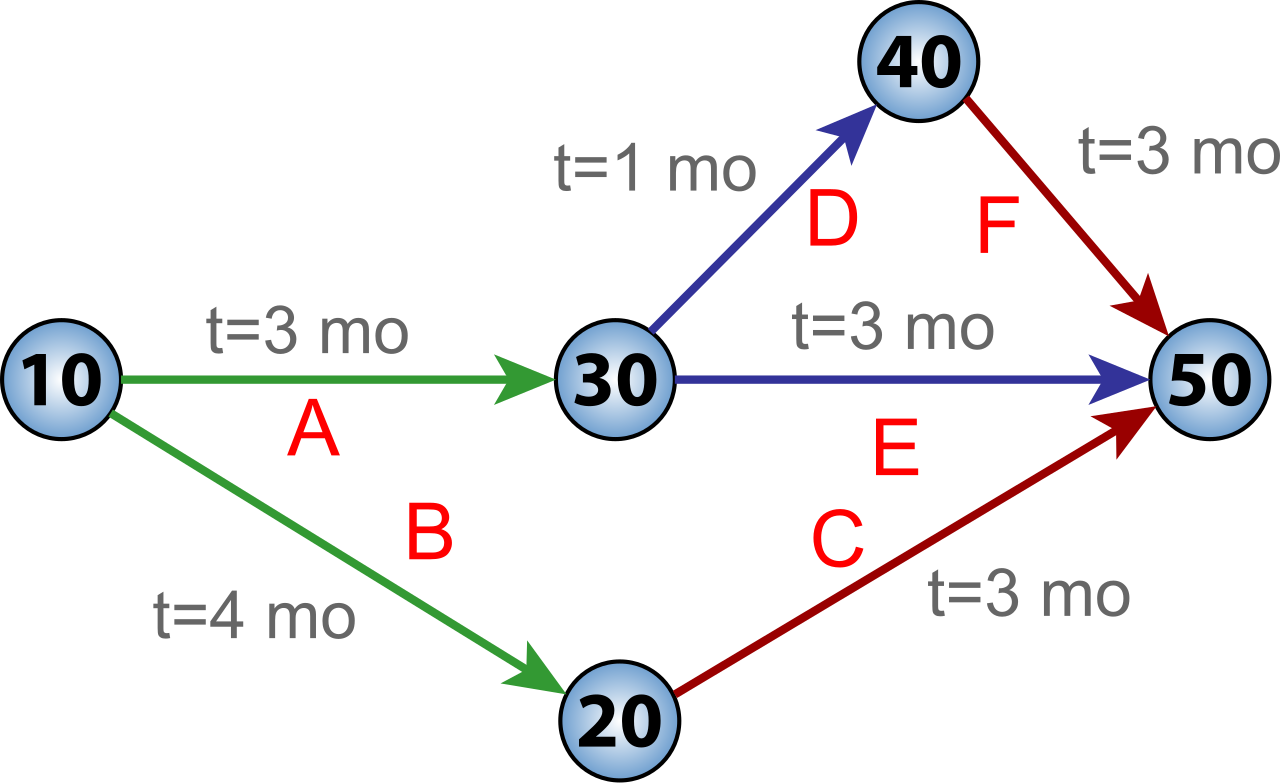
The project manager manages the daily execution and operational aspects of the project. They do this by acting as the ultimate integrator. The project manager integrates all project management processes to achieve project objectives, constantly adjusting the dials of the project to maintain equilibrium. Specifically, the project manager balances the competing project constraints of scope, schedule, cost, quality, resources, and risk.
To achieve this daily operational control, the project manager must wear many hats simultaneously. Let's examine the multifaceted roles a project manager plays:
1. The Initiator and Facilitator
A project does not move forward on its own momentum; it requires constant pushing. The project manager acts as an initiator to proactively drive project progress and acts as an initiator to kick off project phases.
Once the work is in motion, friction inevitably arises. The project manager acts as a facilitator to remove obstacles for the project team, ensuring they have what they need to execute. Furthermore, the project manager acts as a facilitator to guide team meetings toward productive outcomes, preventing discussions from devolving into aimless tangents.
2. The Negotiator
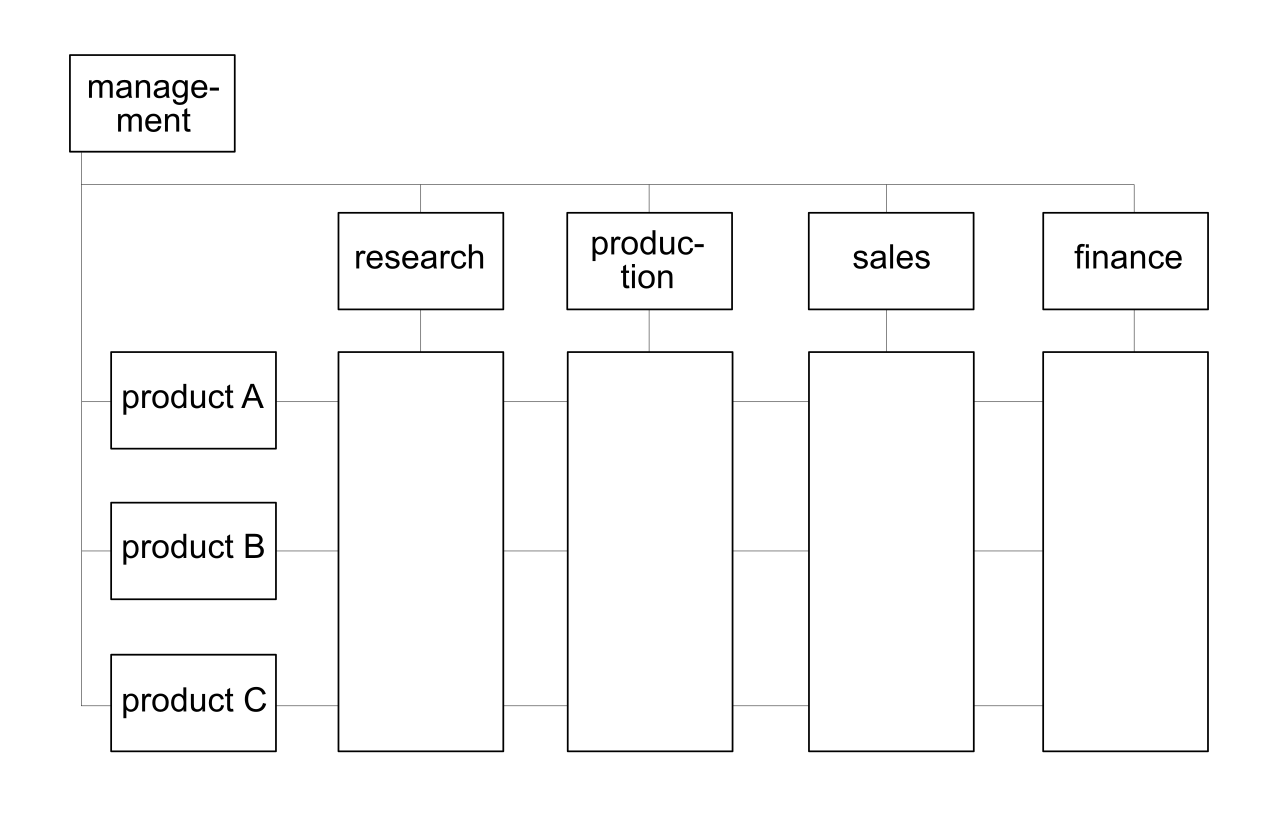
Project managers rarely own all the resources they need. A functional manager oversees a specific business unit or department (e.g., the Director of Engineering, the Head of Marketing). Because of this, the project manager must negotiate with functional managers to acquire project team members in a matrix organization.
Furthermore, different stakeholders often want different, mutually exclusive things from the project. The project manager acts as a negotiator to align conflicting stakeholder interests, finding the middle ground that preserves the project's core objectives.
3. The Listener and Coach
Great project managers are highly attuned to the human element of their projects. The project manager acts as a listener to accurately comprehend stakeholder expectations, realizing that what stakeholders say and what they actually need are sometimes two different things. Just as importantly, the project manager acts as a listener to identify unvoiced project team concerns, catching burnout or interpersonal friction before it derails the project. To build capability, the project manager acts as a coach to mentor project team members, elevating their skills for future organizational initiatives.
4. The Working Member
While their primary duty is coordination and integration, it is a common misconception that project managers simply point at charts and never touch the actual product. In reality, the project manager acts as a working member of the project team by contributing directly to project deliverables, especially in smaller organizations or highly specialized technical projects where their expertise is required.
The project team consists of individuals who perform the actual work to create the project deliverables. While the sponsor provides the money and the project manager provides the coordination, the project team builds the project deliverables.
It is critical to distinguish the different layers within this group. The project team includes the project management team and the individuals who execute the project work.
- The project management team is a subset of the project team responsible for project management and leadership activities. This might include schedulers, risk analysts, or quality assurance leads who assist the project manager.
- The rest of the project team members are the subject matter experts executing the technical labor.
The Role of Subject Matter Expertise (SME)
A project manager cannot know exactly how many hours it takes to code a database or lay down a foundation—they rely on the experts.
- The project team provides subject matter expertise to assist the project manager in estimating activity durations.
- The project team provides subject matter expertise to assist the project manager in estimating activity costs.
- Because they are closest to the work, the project team identifies project risks related to their specific technical domains.
Execution of Work and Risks
The project team executes the specific technical tasks required to achieve the high-level project goals. This applies not just to building the product, but to handling threats and opportunities. While the project manager might document a risk, the project team executes the risk responses developed during risk planning.
The CAPM exam heavily tests your ability to distinguish who does what when these roles interact. The easiest way to master this is to view their relationships through the lenses of translation, protection, and reporting.
Project Sponsor vs. Project Manager
| Project Sponsor | Project Manager |
|---|---|
| Provides project funding. | Controls the allocation of the project funding. |
| Defines the overarching project success criteria (e.g., "Increase market share by 5%"). | Translates the overarching success criteria into measurable project requirements (e.g., "Deliver a mobile app with a sub-2-second load time"). |
| Protects the project from executive-level interference (e.g., defending the project from a rival VP). | Protects the project team from daily operational distractions (e.g., stopping ad-hoc requests from interrupting developers). |
Project Manager vs. Project Team
| Project Manager | Project Team |
|---|---|
| Defines the roles and responsibilities within the project team. | Operates within those defined roles to execute technical work. |
| Authorizes the implementation of planned risk responses. | Executes the risk responses developed during risk planning. |
| Is responsible for reporting overall project status to the project sponsor. | Is responsible for reporting task-level progress to the project manager. |
The Communication Bridge
Notice the flow of information. The project manager acts as the primary communication link between the project sponsor and the project team. The sponsor does not typically interrogate a junior developer about a delayed software module; they ask the project manager. The developer does not typically email the CEO asking for a budget increase; they inform the project manager, who analyzes the data and escalates to the sponsor if necessary.
Projects are executed differently depending on the chosen methodology, and these roles flex to match the environment.
The Predictive (Waterfall) Environment
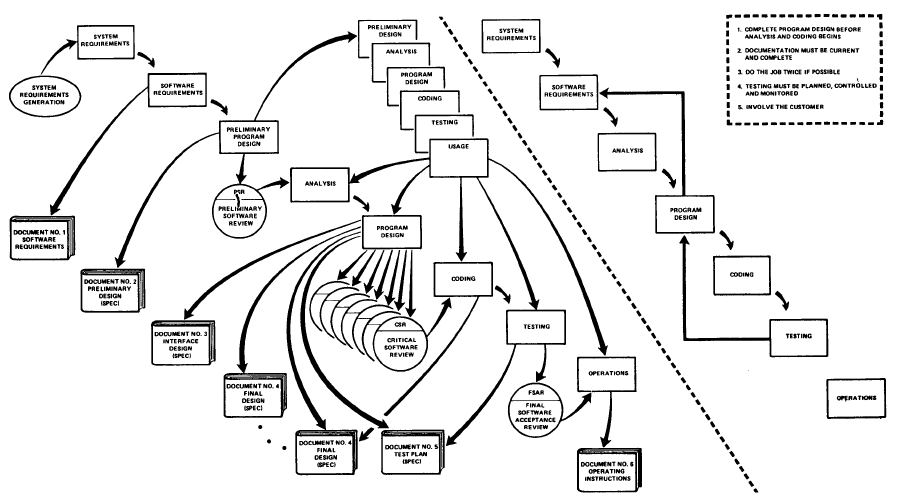
In a traditional, plan-driven environment where scope is fixed early and execution follows a strict sequence:
- In a predictive project environment, the project manager acts as the central point of coordination and control. The PM is the hub of the wheel, heavily directing the flow of work, authorizing tasks, and maintaining strict adherence to the baseline schedule and budget.
The Agile Environment
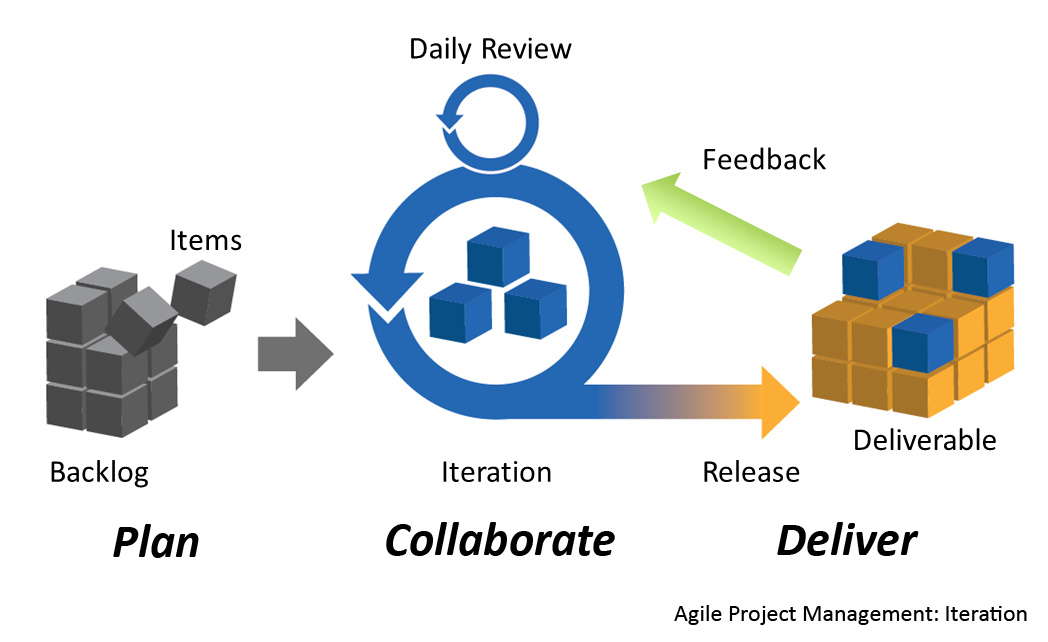
In an adaptive environment where scope is flexible, complexity is high, and deliverables are produced in iterative cycles, command-and-control fails.
- In an agile project environment, the project manager often acts as a servant leader to support the team. Instead of assigning daily tasks, their primary focus shifts entirely to facilitating, removing impediments, and shielding the team from interruptions.
- Because the PM steps back from direct task assignment, in an agile project environment, the project team is self-organizing and directs its own daily work. The team decides how to tackle the work within a given iteration.
- The sponsor's role also becomes more active. Rather than waiting until the very end of the project to approve one massive deliverable, in an agile project environment, the project sponsor frequently evaluates delivered increments to ensure business value realization. This frequent feedback loop ensures the project remains aligned with the strategic business case even as market conditions shift.
As you prepare for the CAPM exam, do not view these roles merely as a list of bullet points to memorize. They form a carefully engineered system of checks and balances. The Sponsor ensures the project is worth doing and pays for it. The Project Team possesses the technical genius to actually build it. And the Project Manager sits at the critical juncture between strategy and execution—translating, negotiating, listening, and facilitating—ensuring that the time, money, and talent invested yield a result that actually matters to the real world.