Imagine an architect handing a watercolor painting of a skyscraper directly to a steelworker, expecting a structurally sound building to emerge. The steelworker needs tensile strengths, load-bearing calculations, and exact dimensions; the client who painted the watercolor only knows they want the building to feel "airy" and "modern." This profound gap between abstract vision and concrete execution is where projects fail. The fundamental problem in project management is rarely that teams cannot build what is asked of them; it is that they perfectly execute the wrong requirements due to fractured communication.
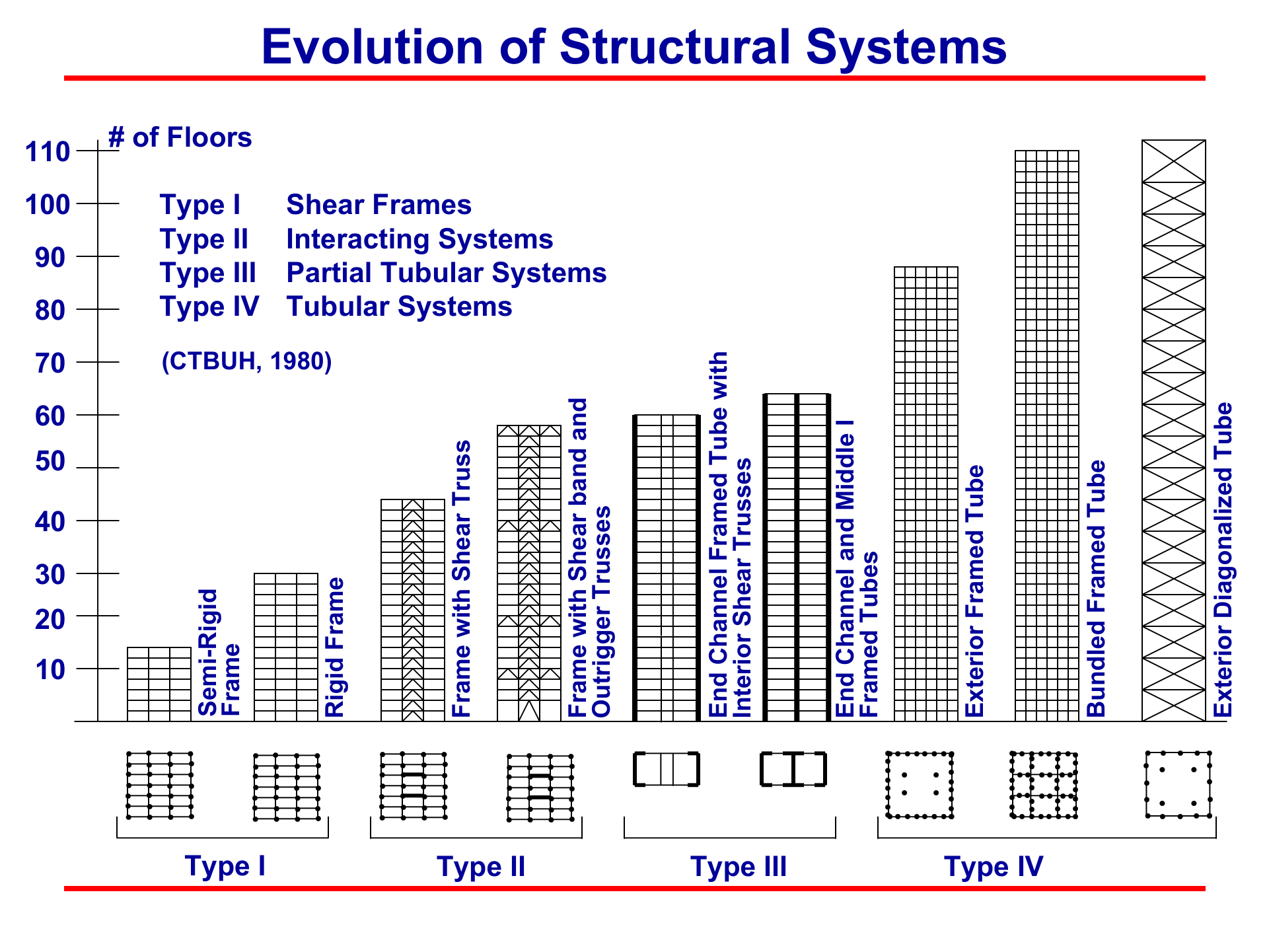
Structural diagrams detail the precise load-bearing systems of a skyscraper, illustrating the concrete metrics an execution team needs compared to an abstract watercolor vision.
In the ecosystem of a project, the Business Analyst acts as a communication bridge between business stakeholders and the solution delivery team. Their primary function is to eliminate the ambiguity of the watercolor painting. By systematically analyzing the core problem, the Business Analyst translates high-level business needs into detailed technical requirements.
Whether you are operating in a predictive (Waterfall) environment where requirements are locked early, or an Agile framework where requirements evolve continuously, effective business analysis communication ensures a shared understanding of project requirements across all stakeholder groups. When every individual—from the executive sponsor to the back-end developer—shares the exact same mental model of the end goal, friction disappears.
You cannot leave information flow to chance. If you simply assume stakeholders will talk to one another when necessary, critical constraints will fall through the cracks. Instead, we architect the flow of information using a Business Analysis Communication Plan.
Think of this plan as the governing physics of your project's ecosystem. It removes the guesswork from who needs to know what, and when they need to know it. To be effective, a Business Analysis Communication Plan does three critical things:
It identifies the specific stakeholders who will receive project information.
It specifies the channels used to deliver information to stakeholders.
It defines the frequency of information distribution to stakeholders.
Why go to this level of structured detail? Because human beings engage with information differently. Aligning communication methods with stakeholder preferences increases overall stakeholder engagement in the business analysis process. A Chief Financial Officer might want a high-level summary delivered bi-weekly, whereas a lead software engineer might require daily technical stand-ups. If you attempt a one-size-fits-all approach, you will lose the attention of both.
For the CAPM exam, and in your day-to-day reality as a project professional, you must master the three primary modalities of communication. Choosing the wrong modality is like trying to use a hammer to tighten a screw—it is the wrong tool for the fundamental mechanics of the task.
1. Interactive Communication
This is a multi-directional exchange of information. Interactive communication allows for immediate feedback and clarification between the Business Analyst and stakeholders.
Because it happens in real-time, it is the highest-bandwidth communication available to you. You can hear tone of voice, see facial expressions, and pivot your questions immediately based on the answers you receive. Examples of interactive communication include requirements workshops, phone calls, and face-to-face meetings.
Exam Focus: When should you use this? Interactive communication is the most appropriate method for resolving complex requirements disagreements. If two departments are arguing over how a new software feature should behave, do not send an email. Bring them into a room. The immediate feedback loop is required to unravel complex, conflicting viewpoints.
A daily stand-up meeting is a prime example of interactive communication, allowing for immediate feedback and real-time clarification of requirements.
Imagine dropping a letter into a mailbox. You are pushing information out into the world. Push communication distributes information to specific recipients without guaranteeing comprehension.
You know the information was sent, but you have no immediate way of knowing if the recipient opened it, read it, or understood it. Therefore, you should never use Push communication for complex or controversial topics. However, it is highly efficient for simple, one-way data drops. Examples of push communication include status reports, memos, and emails.
Exam Focus:Push communication is the most appropriate method for distributing routine project status updates. If you just need the team to know that milestone three is complete, push that information via a memo or email.
Push communication functions much like dropping a letter in a mailbox; the sender distributes the information but has no immediate guarantee of the recipient's comprehension.
3. Pull Communication
Imagine a library. The books sit on the shelves, waiting. The librarian does not force you to read them; instead, you go to the library and pull the information you need, when you need it. Pull communication requires stakeholders to actively access project information at their own discretion.
Exam Focus:Pull communication is the most appropriate method for sharing large volumes of information with a large audience. If you have a 400-page regulatory compliance document or a constantly updating data dashboard, you do not email it (Push) or read it aloud in a meeting (Interactive). You place it on an intranet site and let the stakeholders Pull the information as needed.
Pull communication requires stakeholders to actively access a central repository to retrieve information, much like pulling a specific book from a library shelf.
Once you understand the overarching modalities, you must select the specific tool for the immediate task. A skilled Business Analyst is deliberate about the context of their communication.
Communication Tool
Strategic Application
Why it Works
Formal Presentations
Formal presentations are the recommended communication tool for obtaining final approval from executive sponsors.
Executive sponsors have limited time and require synthesized, high-level confidence before authorizing budgets (e.g., a $50,000 phase gate release). Presentations focus the narrative on business value and ROI.
Status Reporting
Status reporting is the recommended communication tool for sharing quantitative project metrics with stakeholders.
When stakeholders need to know schedule variance, budget burn rates, or defect counts, status reports (a form of Push communication) provide unambiguous, standardized numerical data.
Workshops
Workshops are the recommended communication tool for eliciting requirements from multiple stakeholders simultaneously.
By gathering subject matter experts in one interactive session, the Business Analyst can surface dependencies and resolve conflicting needs in real-time, drastically reducing the time spent chasing individuals.
We have discussed the mechanics and tools, but communication fundamentally relies on human psychology. Projects drift off course when the Business Analyst operates in a vacuum.
First, consider the relationship with the technical team. Frequent communication between the Business Analyst and the development team minimizes the risk of scope creep. Why? Because when developers encounter a vague requirement, they will often try to be helpful by guessing what the business wants, or adding extra, unrequested features (gold plating). By maintaining a continuous dialogue, the Business Analyst keeps the development team anchored exactly to the approved scope.
Furthermore, continuous stakeholder communication by the Business Analyst reduces project risk associated with misunderstood requirements. You do not gather requirements once at the start of a project and disappear. You repeatedly validate them.
To validate effectively, you must utilize specific interpersonal techniques:
Active Listening
Hearing is a biological function; listening is a cognitive process. Active listening is a communication technique where the Business Analyst confirms understanding by summarizing stakeholder statements.
If a stakeholder spends ten minutes explaining a complex operational bottleneck, you must immediately mirror the core concept back to them: "If I am understanding you correctly, the primary issue is the latency in the database querying, which delays the customer checkout process. Is that accurate?" If they say yes, you have a validated requirement.
Active listening requires the cognitive processing of the speaker's message, followed by summarizing and validating the core concepts to confirm understanding.
A fatal error in business analysis is speaking to everyone in the same language. Tailoring the communication message to the audience ensures the technical complexity matches the stakeholder expertise level.
You must explain the business value of an API integration to the Chief Marketing Officer, but you must explain the data schema and latency constraints of that same API to the lead database architect. Same project, entirely different language.
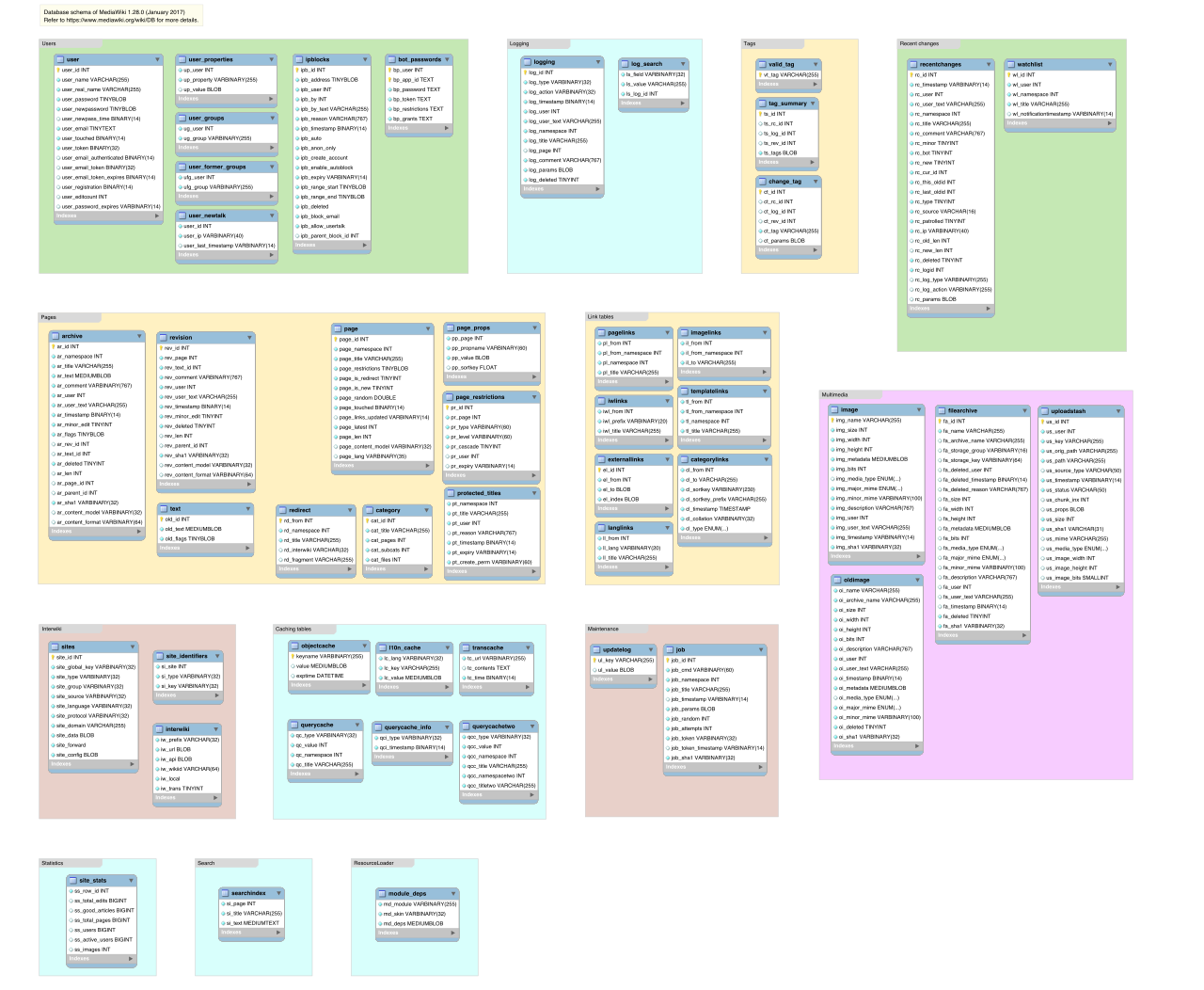
A database schema visualizes complex structural relationships. This highly technical artifact is tailored specifically for database architects, whereas business executives would require a different, value-focused presentation.
Finally, you must be observant. Nonverbal communication cues provide the Business Analyst with context regarding stakeholder engagement levels during meetings.
Are stakeholders leaning in, nodding, and taking notes? Or are they checking their phones, crossing their arms, and staring blankly? If you propose a solution and the department head frowns and leans back, their nonverbal cue has just told you there is a hidden objection. Stop the meeting and pull the Interactive communication lever: "I notice some hesitation. Let's pause and discuss any concerns with this approach."
Nonverbal cues such as body posture and eye contact provide the Business Analyst with real-time feedback regarding stakeholder engagement and unspoken objections.
As you prepare for the CAPM exam, remember that the Business Analyst is the translator of the project world. Your objective is always to drive shared understanding.
When faced with an exam question asking you to choose a communication method, map the problem to the physics of information flow:
Are people arguing over complex needs? You need Interactive communication (meetings, workshops).
Do you need to distribute simple, routine updates? You need Push communication (emails, status reports).
Do you need to share a massive database with a global team? You need Pull communication (dashboards, intranet).
By mastering the Business Analysis Communication Plan and deliberately choosing the right channels, you ensure that the abstract watercolor painting becomes a structurally flawless reality.
The Rosetta Stone is a historical symbol of translation. On a project, the Business Analyst serves a similar function, translating abstract business objectives into actionable technical requirements.