Business Analysis Roles and Responsibilities
Not sure you’re ready?
Take the ~3-minute readiness diagnostic and see where you stand.
Consider a city's public transit system undergoing a massive technological modernization. The engineers writing the new routing algorithm, the mayor who authorized the municipal budget, the daily commuters holding their digital tap-cards, and the federal safety inspectors observing from a distance all care deeply about the outcome. Yet, if the software engineer attempts to dictate federal safety laws, or the commuter tries to allocate the project's financial budget, the entire system devolves into chaos. In business analysis, defining precisely who holds which lever is the fundamental mechanism that prevents a project from tearing itself apart. We cannot extract accurate requirements, solve the right problems, or deliver functional value without first mapping the exact human architecture surrounding the problem.
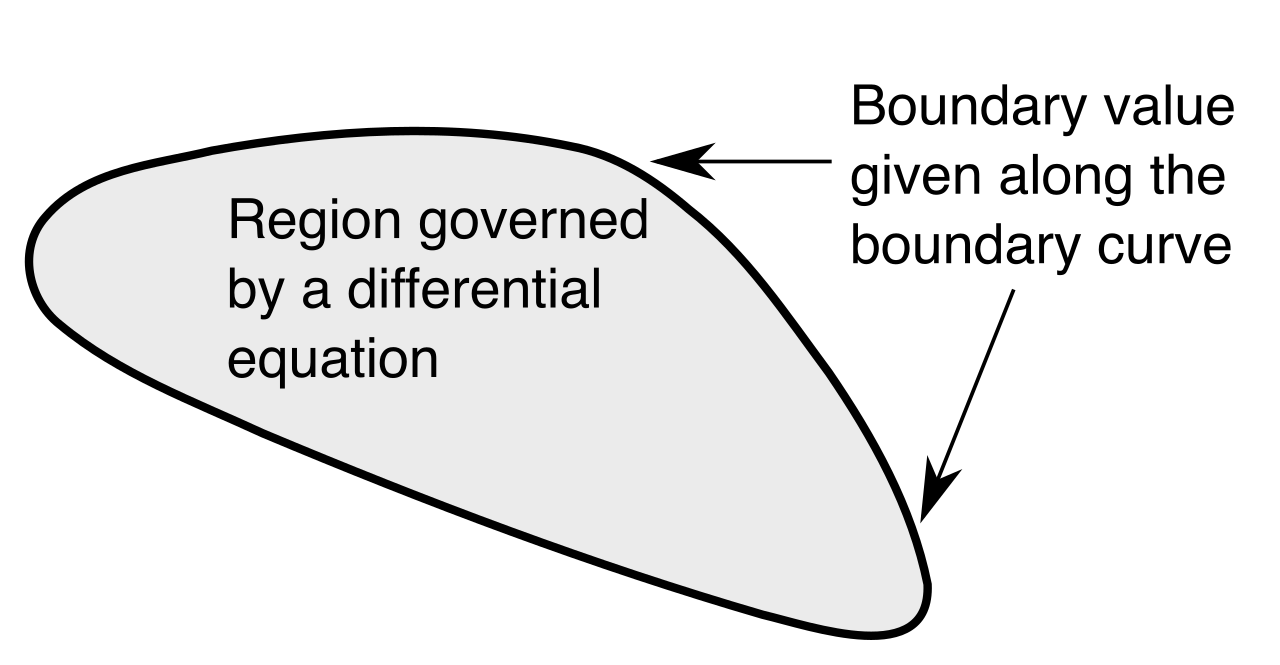
Why do we bother mapping out exactly who does what before we begin gathering requirements? In physics, if you do not strictly define your boundary conditions, your equations yield nonsense. The same principle applies to project management.
Identifying roles early in business analysis clarifies stakeholder expectations throughout the project lifecycle. When a project is moving quickly, ambiguity is your greatest enemy. If two people believe they are responsible for approving a system design, you get conflict. If nobody believes they are responsible, you get paralysis. By defining responsibilities, a project manager prevents duplication of effort among project team members. Nature does not waste energy, and neither should a high-functioning project team.
Furthermore, establishing clear stakeholder roles ensures strict accountability for specific business analysis tasks. If a requirement trace matrix needs updating, we must know exactly whose desk that task sits on.
But perhaps the most critical danger of ignoring role identification is what you fail to see. Identifying stakeholder roles early prevents missing critical requirements from unrepresented groups. You do not want to design a beautiful, structurally sound bridge only to realize you forgot to ask the local shipping captains how tall their masts are. Finally, by knowing precisely who you are talking to and what they care about, clear role definition streamlines communication between business analysts and project stakeholders, reducing the friction that slows down project delivery.
To classify the players in our project ecosystem, we must draw a definitive line in the sand: the boundary of the organization performing the work.
The Performing Enterprise The specific organizational entity—be it a company, a government agency, or a non-profit—that is executing the project and undertaking the business analysis.
Stakeholders are split into two distinct hemispheres based on this boundary.
Internal stakeholders operate within the organizational boundaries of the performing enterprise. Because they share the same overarching corporate culture, security clearances, and internal business goals, they are fundamentally closer to the project's machinery. Internal stakeholders include project team members, project sponsors, and internal end-users.
Conversely, external stakeholders operate entirely outside the organizational boundaries of the performing enterprise. These individuals and groups do not answer to your organization's CEO. External stakeholders include customers, suppliers, regulators, and the general public.
Understanding this divide is a vital survival skill for the CAPM exam and your career. Because of the distinct differences in authority, availability, and organizational alignment, business analysts must tailor communication and elicitation methods differently for internal versus external stakeholders. You might run a casual, white-boarding workshop with your internal development team, but you would use highly formalized surveys, legal reviews, or focus groups when eliciting requirements from the general public or a federal auditor.
One of the most common places aspiring project professionals stumble is distinguishing between the roles that govern processes and the roles that govern products. Let us break them down into their fundamental components.
The Process Hierarchy: Owners and Managers
A business process is a repeatable sequence of tasks that achieves a specific organizational goal—like an employee onboarding process or a supply chain procurement process.
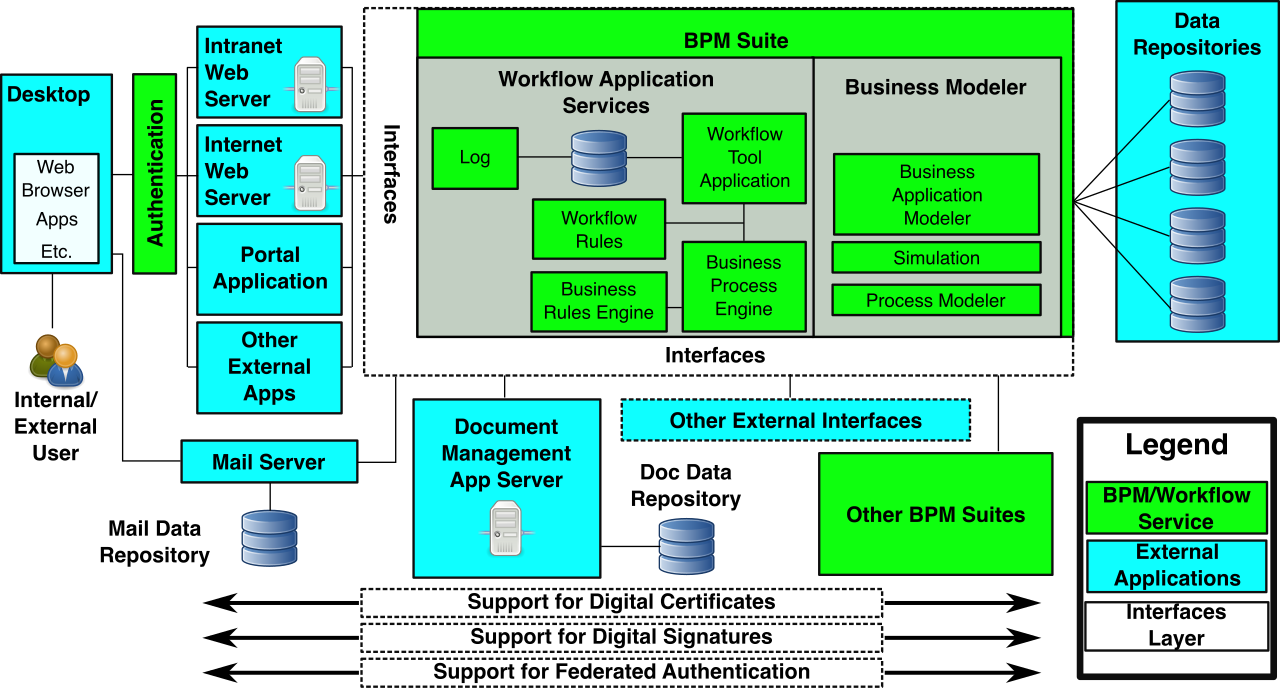
- The Process Owner: Think of this role as the architect of the machinery. A process owner holds ultimate accountability for the overall performance and success of a specific business process. Because the buck stops with them, a process owner possesses the authority to approve major changes to a business process. If we need to completely overhaul how the company purchases raw materials, the process owner must sign off.
- The Process Manager: If the process owner is the architect, the process manager is the foreman on the factory floor. A process manager handles the day-to-day execution of a specific business process. To ensure the machinery is running smoothly, a process manager monitors the ongoing performance metrics of a business process on a daily basis. When the gears grind to a halt, a process manager reports operational process performance issues directly to the process owner so that systemic changes can be considered.
The Product Hierarchy: Managers and Owners
When we shift from how we work (processes) to what we are building (products), the terminology changes, especially when navigating predictive and Agile environments.
- The Product Manager: This is a macro-level, strategic role. A product manager defines the long-term vision, strategy, and roadmap for a product. They are looking at the horizon. Because of this wide view, a product manager manages the entire lifecycle of a product from initial inception to final retirement (often called sunsetting).
- The Product Owner: This is a highly specific, execution-focused role native to Agile frameworks like Scrum. A product owner represents the voice of the customer within an Agile project team. They are in the trenches with the developers. To ensure the team is always building the most important features first, a product owner is solely responsible for prioritizing items within the Agile product backlog. A product owner focuses specifically on maximizing the value delivered by the Agile development team iteration by iteration.
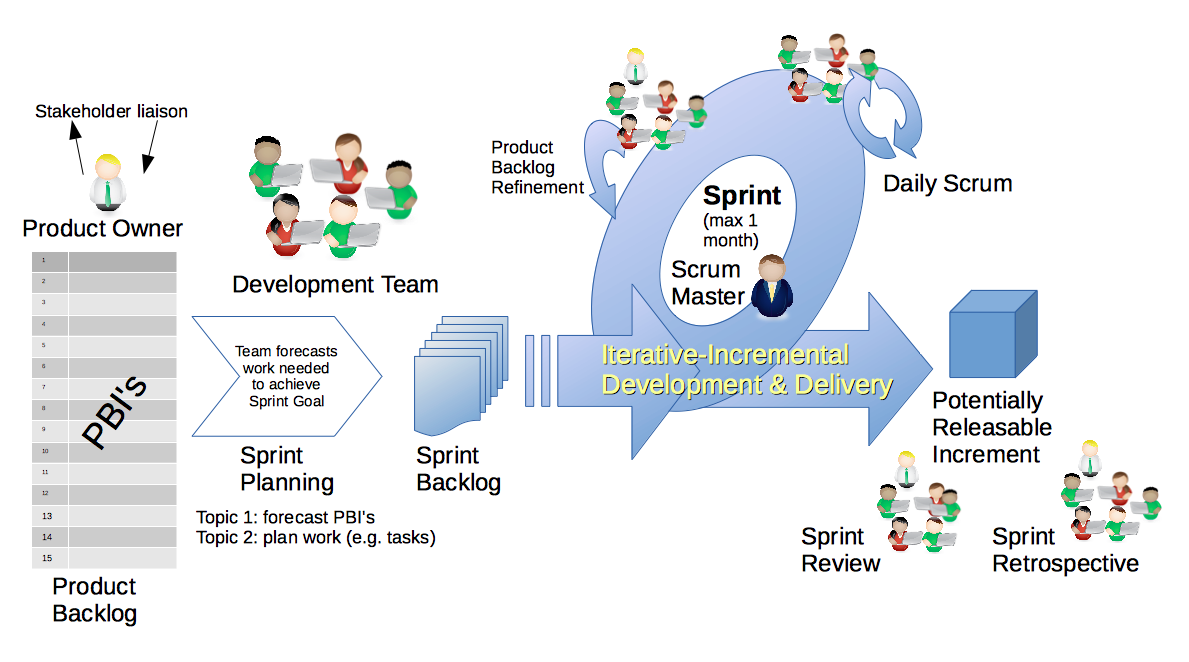
Summary of Process and Product Roles
| Role | Domain | Primary Focus | Key Authority / Action |
|---|---|---|---|
| Process Owner | Operations | Overall success & architecture | Approves major changes to the process. |
| Process Manager | Operations | Day-to-day execution | Monitors daily metrics; reports issues to the Owner. |
| Product Manager | Strategy | Long-term lifecycle | Defines vision, strategy, and roadmap from inception to retirement. |
| Product Owner | Agile Execution | Immediate value delivery | Prioritizes the Agile product backlog; acts as the customer's voice. |
Beyond processes and products, the project ecosystem relies on a network of distinct voices. Each plays a highly specific role in shaping the business analyst's understanding of the solution.
The Subject Matter Expert (SME)
You cannot be an expert in everything. When building a software system for analyzing cardiac rhythms, you need a cardiologist. A Subject Matter Expert provides specialized knowledge about a specific business area to the business analyst. But their job does not end at simply explaining concepts; a Subject Matter Expert helps business analysts validate the technical accuracy of gathered requirements to ensure the proposed solution will actually work in the real world.

The Project Sponsor
Every project requires energy to move forward, and in the business world, that energy is capital. A project sponsor provides the necessary financial funding for project and business analysis efforts. But they are not just an open checkbook. Because they are absorbing the financial risk, a project sponsor formally approves the final business case before project initiation. They must be convinced that the problem is worth solving.
The End User
Imagine building a brilliant, technologically advanced car with a steering wheel that is too heavy to turn. You have failed. An end user directly interacts with the final deployed project solution. Because they live inside the solution every single day, end users provide essential requirements regarding the day-to-day usability of a proposed solution. Never mistake a sponsor's requirements (budget and ROI) for an end user's requirements (workflow efficiency and ease of use).

The Regulator
We do not operate in a vacuum; we operate in a society governed by laws. A regulator enforces organizational compliance with external legal laws and industry standards. Whether it is a government environmental agency or a data privacy commission, their rules are non-negotiable constraints on your project. Because they enforce rules on behalf of a governing body independent of your company, a regulator is always classified as an external stakeholder.
If the project ecosystem is a complex web of executives, day-to-day operators, external rule-makers, and brilliant but highly specialized experts, who makes sure they are all speaking the same language?
The Business Analyst The crucial intermediary who investigates business problems and designs corresponding technical or operational solutions.
To capture a complete picture of the problem space, the business analyst is responsible for eliciting requirements from both internal and external stakeholders. They must speak to the internal process manager about daily metrics, and they must speak to the external regulator about legal compliance.
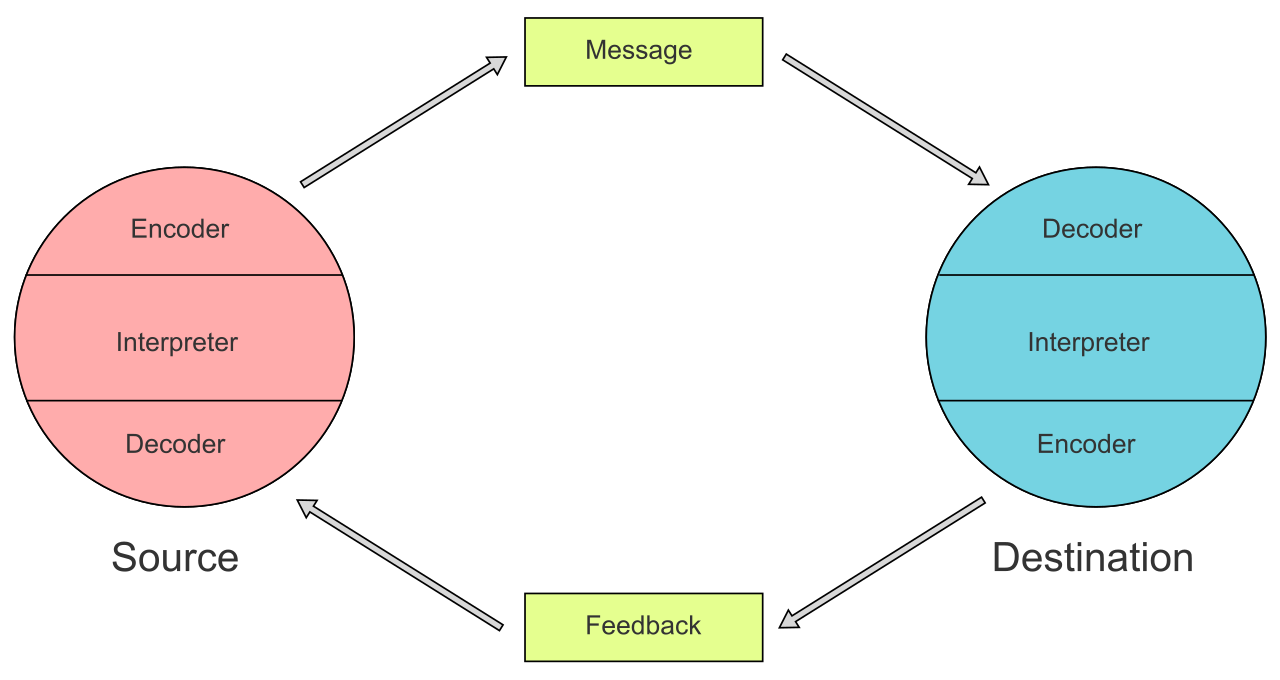
Once this vast, often contradictory web of information is gathered, the core magic happens. The business analyst translates business needs into documented requirements for the project team. They take the sponsor's vague desire for "better software," the SME's highly technical operational parameters, and the end user's plea for "fewer clicks," and synthesize them into precise, actionable specifications that a project team can actually build. They are the great translators of the project management world, ensuring that the final solution perfectly matches the complex reality of the people who will fund it, build it, and use it.