Develop a Common Vision
Not sure you’re ready?
Take the ~3-minute readiness diagnostic and see where you stand.
Imagine ten brilliant engineers placed in a high-speed rowing shell. If five row fiercely toward the north shore, three stroke toward the south, and two paddle backward to inspect the wake, the boat will spin in chaotic, exhausting circles. It does not matter how strong the rowers are or how sophisticated their oars; without a singular, coordinated vector, the system fails. In project management, this coordinated vector is the project vision. A shared project vision provides a clear purpose and direction for a project team and stakeholders, ensuring that every ounce of effort propels the initiative toward its intended target. Because a project does not exist in a vacuum, a project vision must align directly with the overarching strategic goals of the organization, acting as the bridge between executive strategy and daily execution.

To build a project that delivers actual business value, the vision cannot simply be a document handed down from executives; it must be a shared understanding. However, the origin of this vision depends heavily on the project framework you are operating within.
In predictive (Waterfall) project management approaches, the project charter formally documents the high-level project vision. Because predictive environments assume that requirements can be known upfront, this charter acts as a foundational, binding agreement. Conversely, in Agile frameworks, the environment is defined by uncertainty and change. Here, the product owner is primarily responsible for defining the product vision, continuously refining it as new information emerges.
Regardless of the methodology, the project manager acts as a facilitator to align stakeholder expectations with the project vision. You are not a dictator of reality; you are the mechanism through which the group discovers and commits to a shared reality.
Co-Creating the Vector
A vision handed down is often ignored; a vision co-created is defended. To foster this ownership, project managers utilize collaborative workshops, which allow stakeholders to co-create a shared vision statement. By placing marketing, engineering, and finance in the same room, you force the collision of competing priorities early, when they are cheap to resolve.
During these workshops, establishing a shared vision requires identifying the minimum viable product (MVP) to ensure alignment on initial delivery expectations. If the stakeholders cannot agree on what constitutes the absolute baseline of value, they do not truly share a vision.
To codify this understanding, professionals rely on highly specific artifacts:
- Product Vision Board: A visual tool used to articulate the target audience, user needs, and business goals. It moves the conversation from abstract feelings to concrete market realities.
- Elevator Pitch: A concise summary of the project vision designed to be delivered in under two minutes. If you cannot explain the project's purpose between the lobby and the fifth floor, the vision is too complex to be actionable.
- Shared Team Charter: While the project charter defines what we are doing, a shared team charter helps connect individual team member behaviors to the broader project vision. It outlines how the team will behave to achieve the goal.
A fundamental law of organizational dynamics is that without the constant input of energy, team alignment decays into entropy. You cannot announce a vision at a kickoff meeting and expect it to survive three months of rigorous project execution.
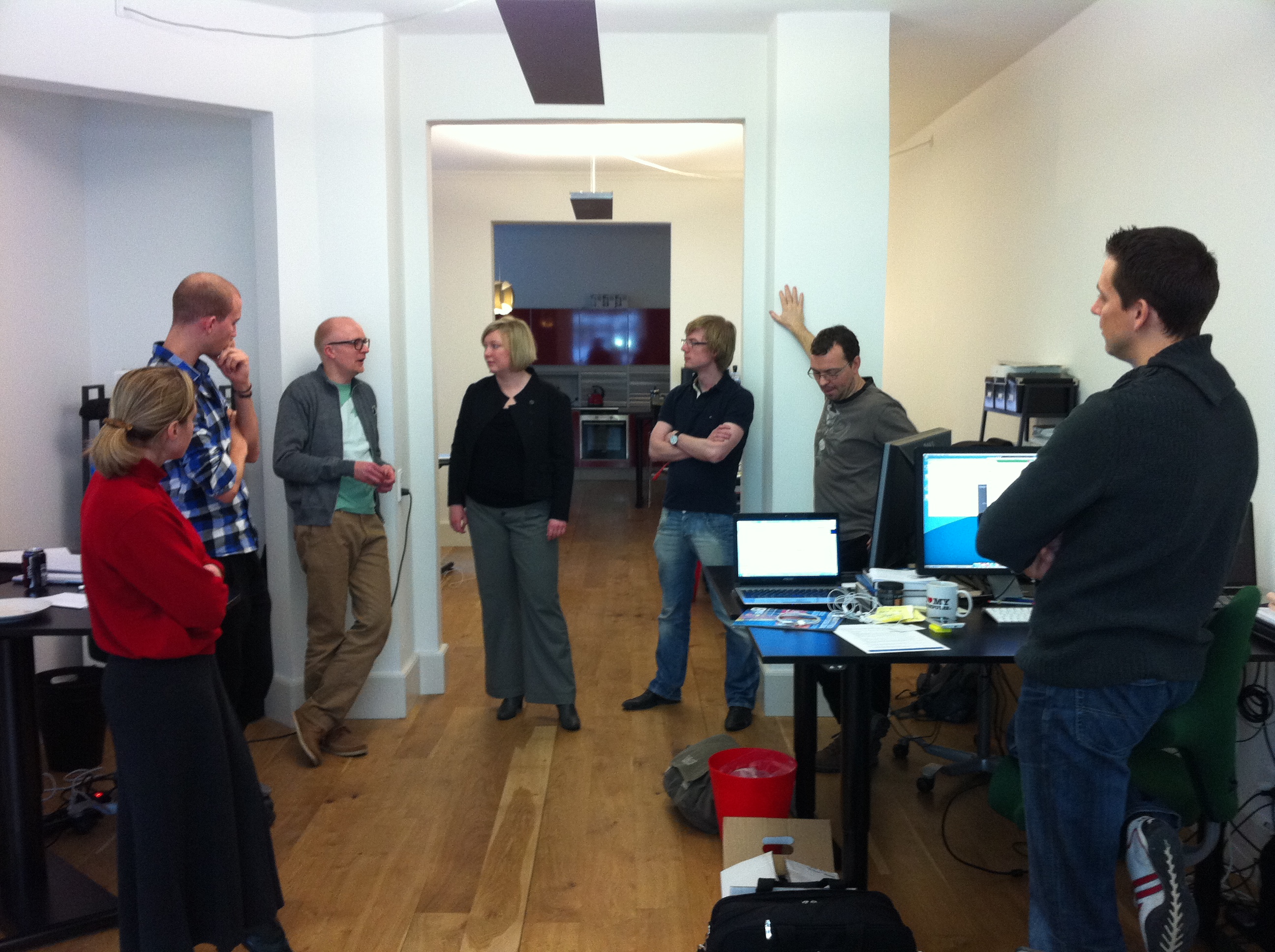
To combat this decay, project managers must continuously reiterate the project vision during team meetings to maintain alignment. Furthermore, the repetition of the vision statement in routine communications—such as weekly status reports or stand-up notes—helps embed the vision into team culture. It must become the ambient noise of the project.
Information Radiators To make the vision inescapable, Agile teams utilize information radiators. These visually display the project vision in accessible areas (like a shared digital dashboard or a physical breakroom wall) to promote constant team awareness. They radiate information automatically, requiring no effort from the observer to absorb the direction of the project.
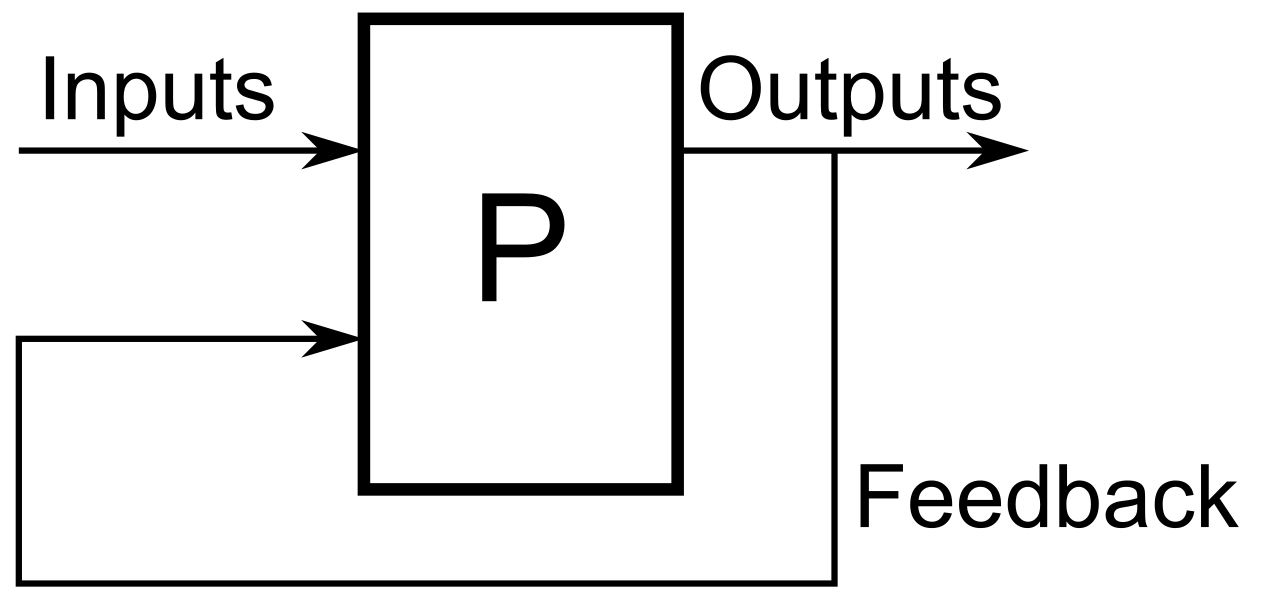
Market realities shift. Competitors launch new products, economic conditions fluctuate, and user preferences evolve. Therefore, project managers must regularly review the project vision to ensure ongoing alignment with changing market conditions.
When significant changes to the business environment occur, they require an immediate impact assessment on the current project vision. Is the project still financially viable? Does the target audience still exist?
How a team adapts its vision depends on the project methodology:
| Methodology | Mechanisms for Vision Maintenance |
|---|---|
| Agile | The product roadmap is a dynamic artifact that translates the evolving product vision into a sequence of deliverables. Because Agile assumes change, Agile sprint reviews provide a formal recurring opportunity to inspect the product vision against delivered increments. Furthermore, feedback loops from continuous delivery help validate whether the current vision still meets user needs based on real-world telemetry and user data. |
| Predictive | In traditional models, the vision is locked into the charter. Therefore, if the strategic environment shifts drastically, formal change control boards (CCBs) must approve modifications to the project charter in predictive project environments. This ensures that changes to the baseline vision are rigorously analyzed for their impact on cost, scope, and schedule. |
Even with robust charters and brilliant elevator pitches, misunderstandings will occur. Your job is to detect these fractures early and diagnose their source before they derail the schedule.
The Anatomy of Misunderstanding
Why do stakeholders fall out of alignment? Often, it is an issue of language and context rather than malice.
- Ambiguous Terminology: Ambiguous terminology in project documentation is a primary driver of stakeholder misunderstandings regarding the vision. If a requirement asks for a "robust" interface, engineering might build a complex, feature-heavy backend, while the customer simply meant "doesn't crash frequently."
- Cultural Friction: Cultural differences among global team members can create differing semantic interpretations of a shared vision statement. Directness, hierarchy, and context heavily influence how a vision is perceived across borders.
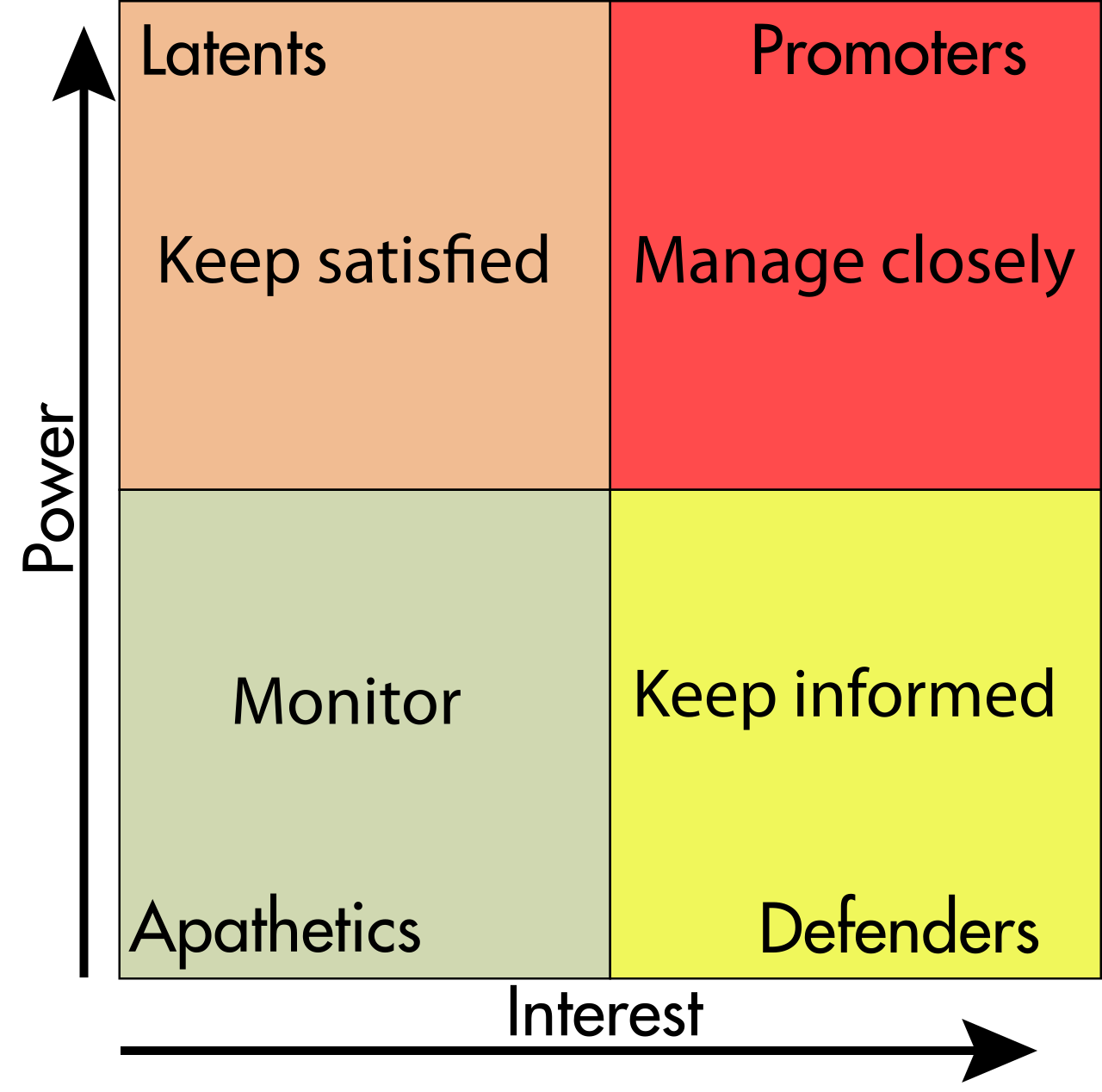
- Divergent Interests: To map out potential battlegrounds before they ignite, PMs use stakeholder analysis matrices. These reveal differing stakeholder interests that may cause divergent interpretations of the vision. If the CFO wants to cut costs and the Marketing Director wants premium features, their individual visions for the project are naturally at odds.
Root Cause Analysis
When a symptom of misalignment surfaces—such as an argument over a prototype—you must switch from execution mode to diagnostic mode. Root cause analysis techniques help identify the underlying reasons for stakeholder misalignment on the project vision.
Two critical tools are utilized in this diagnostic phase:
- The Five Whys Technique: This involves asking "why" sequentially to drill down to the foundational cause of a misunderstanding. By relentlessly probing like a curious scientist, you move past the superficial argument (e.g., "The button is the wrong color") to the systemic issue (e.g., "We are using an outdated brand guideline").
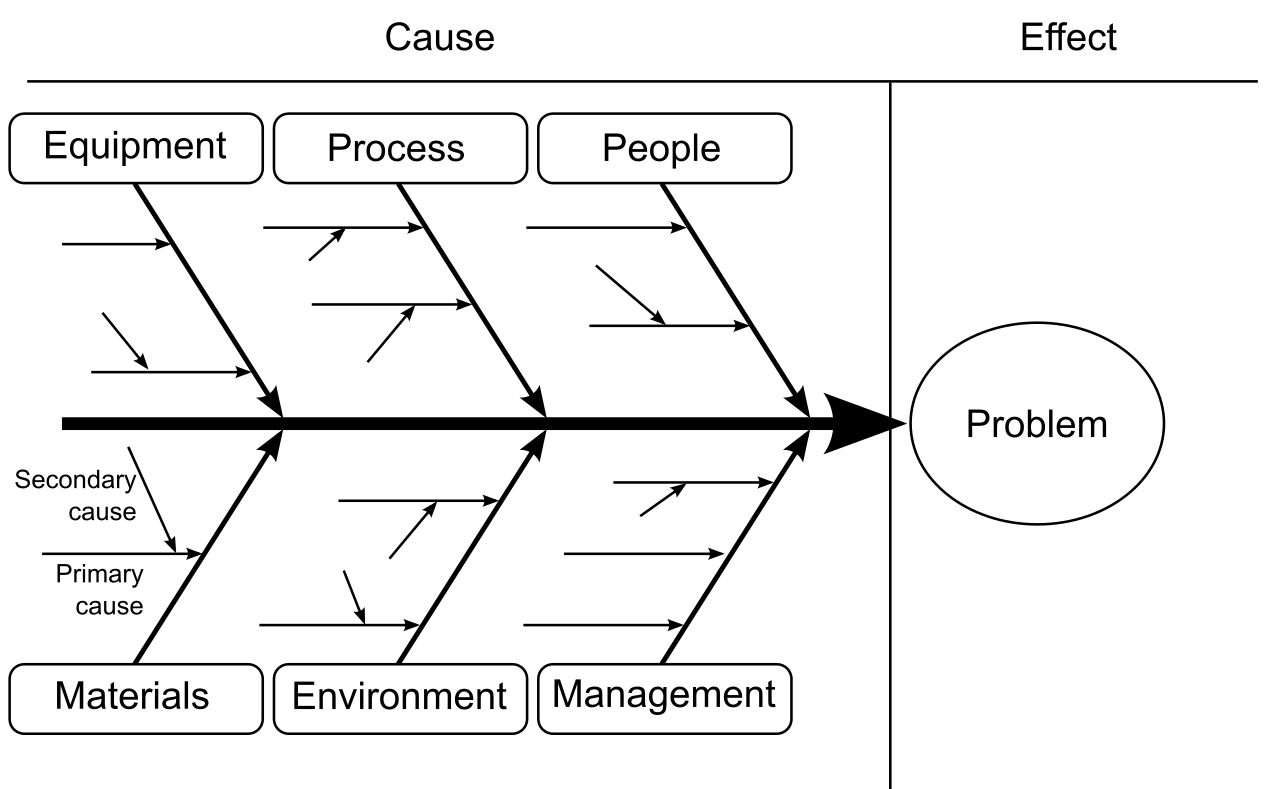
- The Ishikawa Diagram (Fishbone Diagram): When the problem is multifaceted, this tool categorizes potential causes of a problem to visually structure root cause analysis. You might examine categories like Communication, Processes, People, and Technology to understand why a specific department is entirely disconnected from the project's goals.
Resolution and Realignment
Diagnosing the disconnect is only half the battle. To actually solve it, project managers employ active listening techniques. This allows them to uncover unstated stakeholder assumptions about the vision—the hidden expectations that were never written down but are causing friction.
Finally, when diagnosis reveals that the disconnect is not merely a misunderstanding but a fundamental clash of objectives, conflict resolution techniques are necessary. When key stakeholders have fundamentally incompatible visions for the project outcome, the PM must facilitate negotiation, compromise, or executive escalation to forge a unified path forward. Until that single vector is established, the boat will continue to spin.