Manage Conflicts: Sources and Context
Not sure you’re ready?
Take the ~3-minute readiness diagnostic and see where you stand.
In physics, friction is an unavoidable byproduct of interacting moving parts. You cannot engineer a complex mechanical system without accounting for the heat generated where surfaces meet. The exact same principle applies to human systems and project environments. According to PMI, conflict in projects is inevitable. As a project leader, your goal is not to eliminate this friction—a frictionless system has no traction—but to engineer where and how it occurs.
Understanding conflict requires us to break it down into two fundamental dimensions: the source (what is actually rubbing together) and the context (the environment in which the friction occurs). Only by analyzing both can you determine how to intervene effectively.
Before we diagnose the sources, we must dispel the myth that all conflict is an error in project execution. Conflict has a dual nature, and its impact depends entirely on its trajectory.
When managed correctly, constructive conflict stimulates project team creativity. If your engineers are passionately debating the merits of a microservices versus a monolithic architecture, that friction generates light. By testing each other's assumptions, constructive conflict improves project team decision-making.
However, when conflict shifts from the problem to the person, or when it lingers unresolved, it generates destructive heat. Destructive conflict negatively impacts project team morale, leading to disengagement, missed deadlines, and a breakdown of trust. The project manager’s primary diagnostic task is to recognize the root sources of these disputes before they turn destructive.
To manage a dispute, you must strip away the emotional noise and isolate the mechanical failure. Why are people really arguing? Project management empirical data gives us a clear hierarchy of usual suspects.
The "Big Two": Schedules and Resources
If you walk into a project room and two stakeholders are arguing, the statistical probability is that they are fighting over time or people.
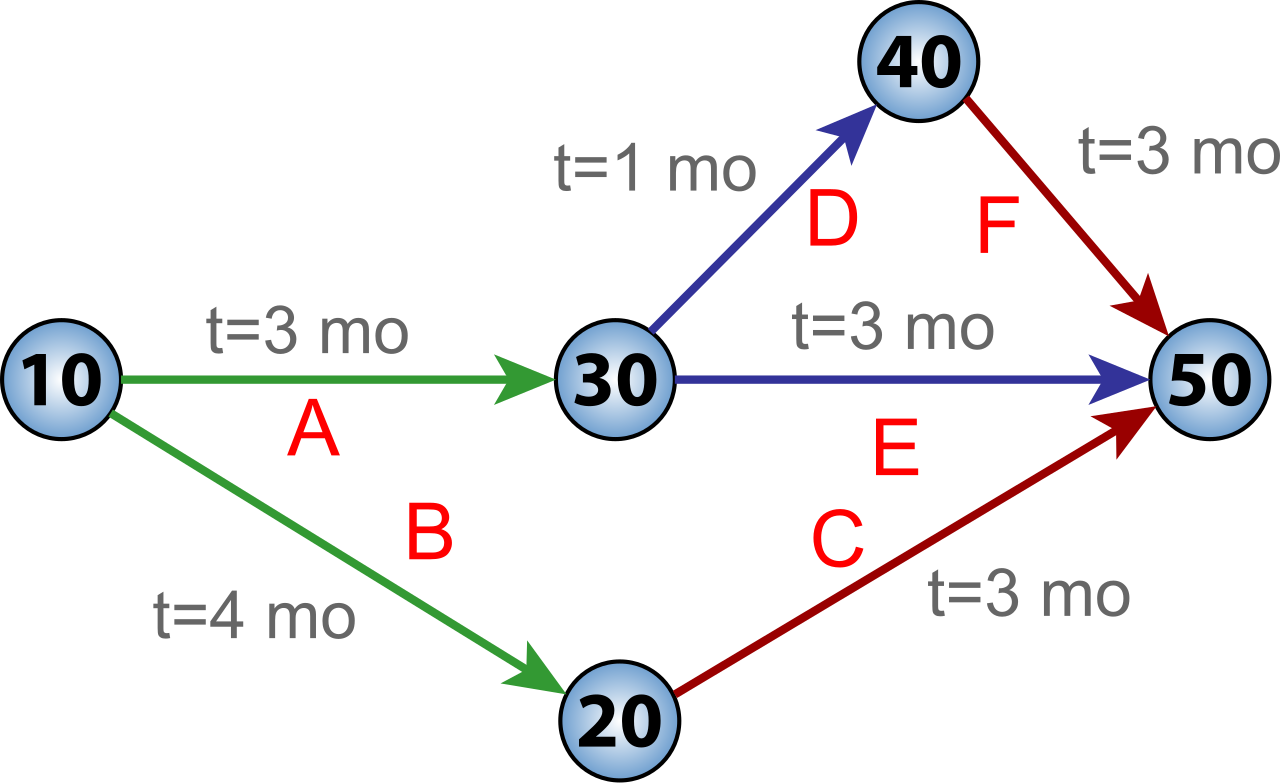
- The most common source of project conflict is scheduling priorities. Marketing demands the product be ready for the November trade show; Engineering insists the code won't be stable until December.
- The second most common source of project conflict is scarce project resources. There is only one database architect in the company, and three concurrent projects desperately need her this week.
Scope, Strategy, and Technical Execution
When the conflict isn't about time or people, it is usually about the what and the how.
- Strategic Misalignment: A conflict over project priorities often stems from a lack of strategic business alignment. If the executive board hasn't clearly defined whether the project's ultimate goal is capturing market share or maximizing immediate revenue, stakeholders will fight over every feature prioritization.
- Scope & Risk: Furthermore, differing stakeholder risk tolerances create conflicts regarding project scope. A risk-averse sponsor will demand extensive, scope-bloating compliance checks, while a risk-tolerant sponsor will push for a lean, aggressively fast launch.
- The "How": Once the work actually begins, differing technical opinions frequently cause conflict during project execution.
- The "Done": At the end of the line, unclear acceptance criteria act as a structural source of conflict during deliverables review. If "fast loading time" was never quantified in the requirements, the client will inevitably reject the deliverable that the development team considers perfectly finished.
Interpersonal and Structural Failures
Not all conflict is about the project deliverables; much of it stems from the human machinery running the project.
- Role ambiguity causes structural project team conflicts. When two leads both think they have final sign-off on a design, they will collide.
- Personal work styles represent a frequent interpersonal source of project conflict. One team member needs quiet, uninterrupted deep-work time; another processes ideas by thinking out loud in continuous collaboration.
- Ultimately, however, poor communication serves as a primary root cause of interpersonal conflict on a project. A missed email, a poorly worded critique, or an assumed agreement is often the spark that ignites a clash of work styles.
You cannot resolve a conflict by looking only at the root source; you must analyze the vessel in which it occurs. The conflict context dictates the appropriate conflict management strategy. Two identical scheduling disputes require radically different interventions depending on the organizational structure, the lifecycle phase, and the people involved.
Structural and Cultural Context
The physical and hierarchical design of your organization creates its own gravitational pull on conflict.
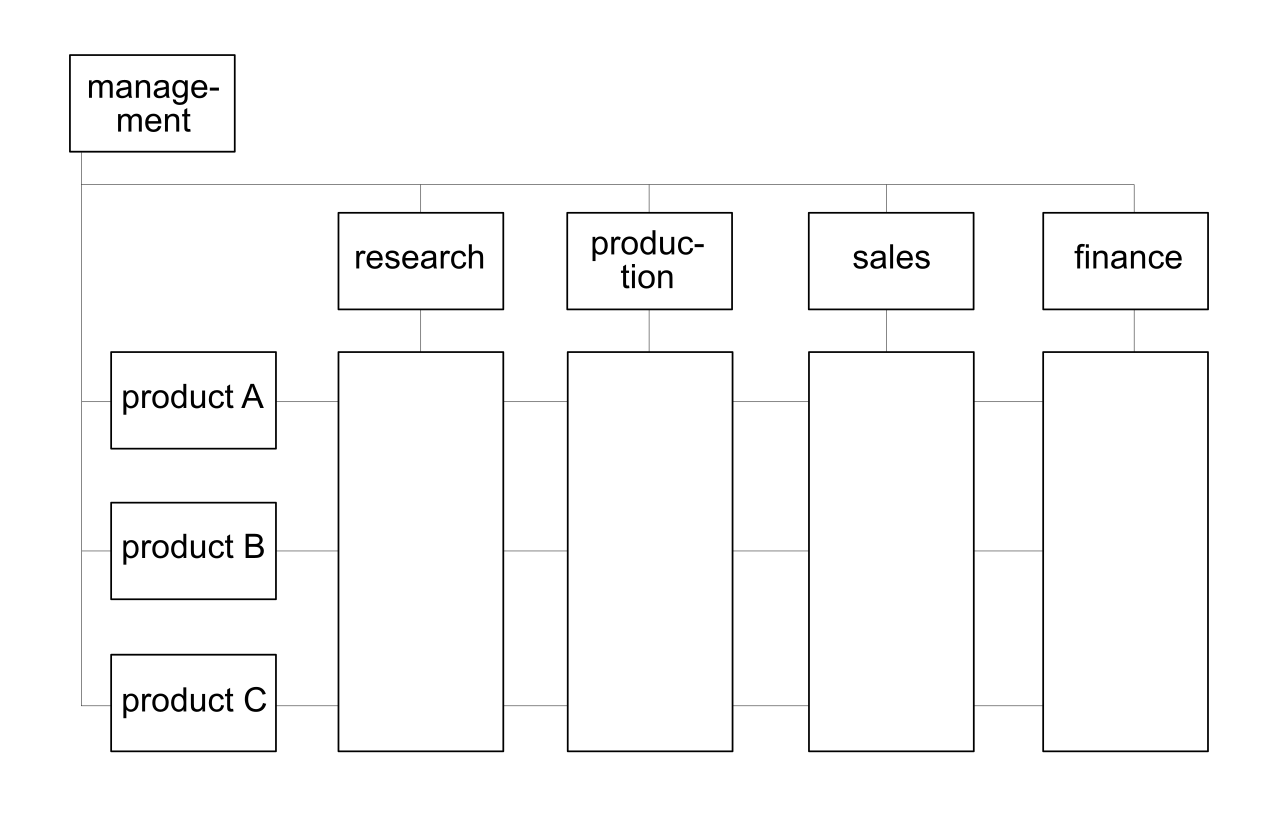
- Matrix Organizations: By their very design, matrix organizations inherently increase the potential for conflict. Why? Because an employee is pulled in two directions simultaneously. Dual reporting structures in matrix organizations trigger resource allocation conflicts. Consequently, resource conflicts frequently occur between the project manager and functional managers. The PM needs the developer to finish a sprint; the functional IT Manager needs that same developer to fix a critical server outage.
- Authority and Culture: The context of a conflict includes the existing organizational culture. Does the organization value fierce, public debate, or highly deferential harmony? Furthermore, the relative authority levels of the involved stakeholders shape the context of a conflict. A dispute between two junior peers allows for a collaborative compromise; a dispute between a senior external regulator and a project sponsor may require a highly formal, accommodating approach.
Environmental Stressors and Virtual Realities
Consider the psychological and physical environment of the team.
- Environmental stressors such as tight project deadlines exacerbate project conflicts. When a team is running on coffee and four hours of sleep to meet a Friday deadline, a minor difference in technical opinion easily escalates into a shouting match.
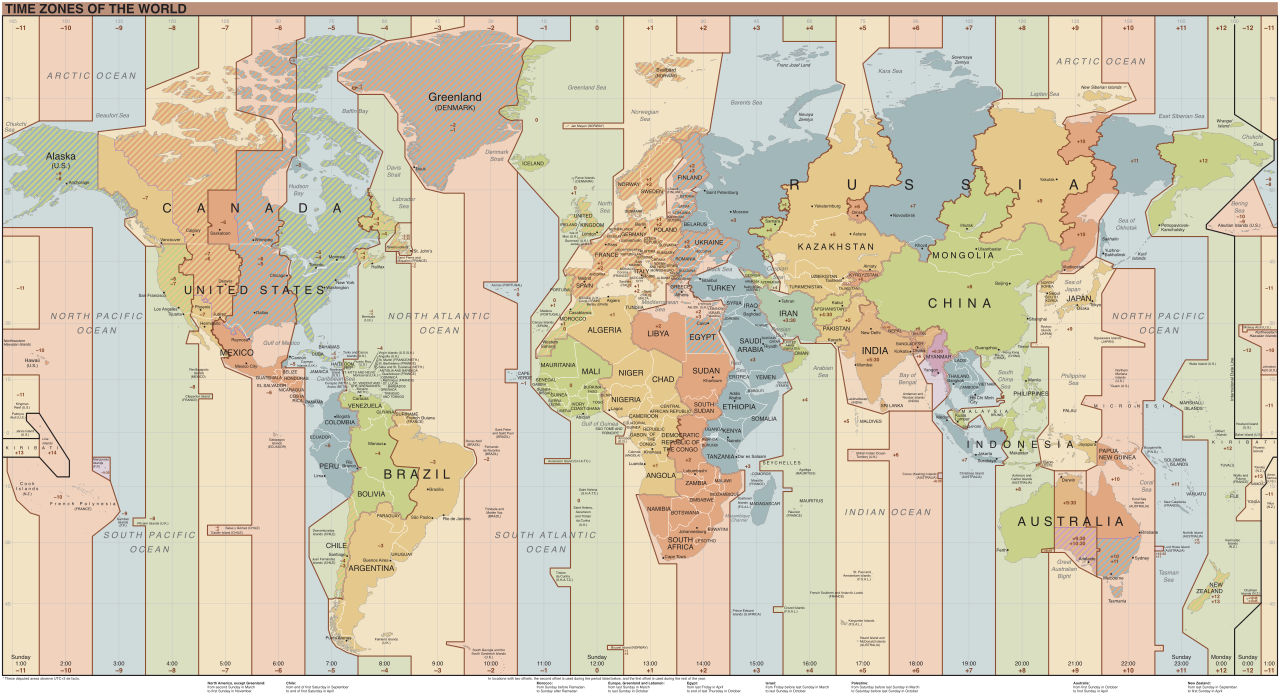
- Virtual project teams experience conflicts stemming from time zone differences. A developer in Bangalore feels disrespected when a designer in San Francisco routinely schedules "syncs" at 11:00 PM Indian Standard Time.
- When investigating a remote dispute, analyzing a conflict context involves identifying the communication medium of the dispute. A fiercely typed Slack message lacks tone and is easily interpreted as hostile, whereas the same words spoken over a video call might be clearly understood as a gentle joke.
- Finally, analyzing the context of a conflict requires understanding the cultural backgrounds of the involved parties, because cultural differences alter the interpretation of conflict triggers. A direct, blunt critique of a deliverable might be a sign of professional respect in a Dutch business context, but interpreted as a severe personal insult in a high-context culture like Japan.
The Dimension of Time: Project Lifecycle
When is the conflict happening? The context of a project conflict includes the current stage of the project lifecycle. Based on Tuckman’s ladder of team development, conflicts occur most frequently during the Storming phase of team development. During this phase, team members are jockeying for position, testing boundaries, and learning each other's work styles. Knowing this context allows the project manager to view early-stage friction as a necessary developmental hurdle rather than a catastrophic failure.
The best time to manage a conflict is before it happens. Elite project managers establish predefined boundaries for how the team will handle inevitable friction.
The Behavioral Context: Team ground rules establish the behavioral context for acceptable conflict resolution. These rules define how we disagree (e.g., "Attack the problem, not the person," or "No interrupting during daily standups").
The Procedural Context: A project team charter provides predefined mechanisms for handling internal team conflicts. It acts as the team's constitution, detailing exactly what steps to take—such as voting mechanisms, escalation paths, or a commitment to consensus—when a dispute arises.
How you, as a leader, intervene in a conflict is heavily dictated by the methodology you are using. The selected project delivery approach changes the context of conflict resolution.
| Delivery Approach | Conflict Management Dynamics |
|---|---|
| Predictive (Waterfall) | In a traditional, plan-driven environment, the project manager is the central node of control. Project managers take a directive role in managing conflicts within predictive projects. If there is a scheduling clash, the PM analyzes the critical path and makes the call. |
| Agile | Agile relies on empirical process control and team autonomy. Therefore, Agile frameworks require self-organizing teams to resolve internal team conflicts independently. The team must learn to self-correct. Because of this, Agile leaders intervene in conflicts only after independent team resolution fails. Stepping in too early robs the team of the opportunity to mature. |
When the friction finally occurs, you must analyze the parameters of the situation to deploy the right strategy (whether that is Collaborating, Compromising, Smoothing, Forcing, or Avoiding).
- De-personalize: First and foremost, successful conflict analysis separates the individuals from the underlying problem. You must shift the focus from "Susan is being stubborn" to "Susan's department requires a longer testing window."
- Determine Urgency and Time Constraints: Determining the urgency of the conflict is a critical step in analyzing the conflict context. Is the core server crashing right now, or is this a debate about a feature slated for next year? Related to this, speed of resolution acts as an important contextual factor in project conflict management. If the speed of resolution must be immediate (e.g., an active safety hazard), you may be forced to use a Directing/Forcing strategy. If you have time, you can afford a deeper Collaborating strategy.
- Assess Intensity: Finally, evaluating the intensity level of a conflict helps determine the appropriate intervention strategy. A low-intensity disagreement over a minor UI color can simply be smoothed over or avoided. A high-intensity, systemic conflict between functional departments requires formal collaboration, documented resolution, and potentially executive escalation.
By mastering the identification of root sources and rigorously analyzing the context, you transform conflict from a destructive force that derails your schedule into a constructive mechanism that sharpens your deliverables and unifies your team.