Engage Stakeholders: Identification and Analysis
Not sure you’re ready?
Take the ~3-minute readiness diagnostic and see where you stand.
When a physical mass displaces water, the resulting waves do not politely stop at predetermined boundaries. They propagate outward, forcefully rocking anchored boats, eroding distant shorelines, and altering the ecosystem for life beneath the surface. A professional project is an identical phenomenon. Every initiative you lead is an intervention in a complex system of human interests, and your project stakeholders are individuals, groups, or organizations that may affect a project decision, activity, or outcome.
Crucially, stakeholders are not just those wielding authority; they are equally those who may be affected by a project decision, activity, or outcome. In fact, they do not even need to be objectively impacted. A stakeholder is legitimately defined as anyone who merely perceives an impact from a project decision, activity, or outcome. If an adjacent department merely believes your $5 million software rollout will render their legacy tools obsolete, they will act on that perception. Recognizing, mapping, and managing this human ecosystem is not soft science—it is a rigorous, analytical prerequisite for project survival.
You cannot manage a variable you have not measured, and you cannot influence a stakeholder you have not identified. Therefore, the identification of project stakeholders begins during the project initiation phase.
The fundamental starting point is your documentation. A project charter is a key input to the Identify Stakeholders process, acting as your earliest map because the project charter identifies the project sponsor and initial key stakeholders. If your project involves external dependencies, procurement documents are an input to the Identify Stakeholders process when the project involves external vendors or contractors.
To expand this initial roster into a comprehensive list, project managers deploy structured data-gathering techniques:
- Brainstorming and brain writing are data gathering techniques used to identify the initial list of project stakeholders. While brainstorming is conversational, brain writing allows participants to independently generate ideas before sharing, often surfacing quieter voices.
- Questionnaires and surveys gather quantitative and qualitative data regarding stakeholder expectations from large audiences, which is vital when rolling out enterprise-wide changes.
- Mind mapping visually organizes information about stakeholders to identify relationships among different stakeholder groups. Seeing that the compliance team is structurally linked to the primary vendor helps you anticipate cascading reactions.
Once you have a list, you must perform triage. Not all stakeholders require the same level of attention. Stakeholder analysis involves gathering and evaluating quantitative and qualitative information to determine whose interests should be prioritized.
To impose order on this complexity, we use systematic categorization models.
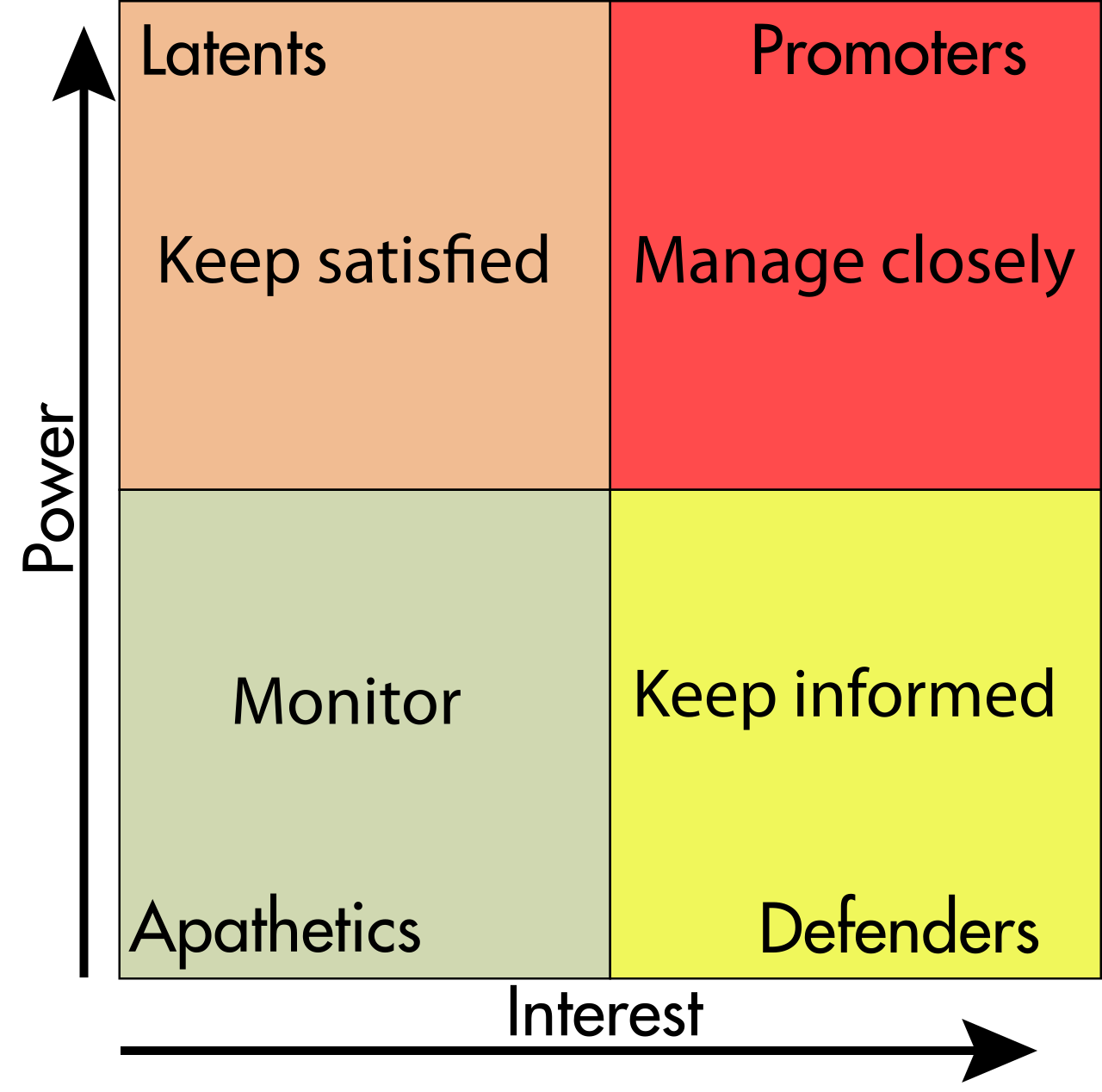
The Power/Interest Grid
This foundational tool groups stakeholders based on stakeholder authority levels (power) and stakeholder concern levels (interest) regarding project outcomes.
| Classification | Strategy | Application |
|---|---|---|
| High Power / High Interest | Manage Closely | These are your primary sponsors and key decision-makers. You must engage them deeply and frequently. |
| High Power / Low Interest | Keep Satisfied | These are executives who can cancel your project but aren't involved daily. Meet their needs so they do not suddenly become highly interested out of frustration. |
| Low Power / High Interest | Keep Informed | These are often end-users or dependent teams. They care deeply but lack the authority to dictate terms. Communicate proactively to prevent anxiety. |
| Low Power / Low Interest | Monitor Only | These stakeholders require minimal effort, but you must watch them in case their status changes. |
The Salience Model
When the stakeholder landscape becomes highly political, a two-dimensional grid is insufficient. The Salience Model categorizes project stakeholders based on power, urgency, and legitimacy:
- Power: The ability of the stakeholder to impose a specific will or outcome on the project.
- Urgency: The degree to which a stakeholder claim requires immediate attention.
- Legitimacy: The legal or moral appropriateness of the stakeholder involvement in the project.
Directions of Influence
You can also map stakeholders geographically relative to your position as the project manager. Directions of influence classify stakeholders based on hierarchical or functional position relative to the project manager:
- Upward influence refers to stakeholders such as senior management, the project sponsor, or the steering committee.
- Downward influence refers to stakeholders such as the project team or specialists contributing to the project.
- Outward influence refers to stakeholders outside the project team such as suppliers, government departments, or the public.
- Sideward influence refers to stakeholders such as project manager peers sharing resources or information.
The Stakeholder Cube: For a highly sophisticated analysis, project managers synthesize these variables into a 3D space. A Stakeholder Cube is a three-dimensional model used to map stakeholders based on power, interest, and attitude, providing a volumetric understanding of project politics.
All the data gathered and analyzed crystallizes into a single, indispensable artifact: the primary output of the Identify Stakeholders process is the Stakeholder Register.
This document is divided into three distinct layers of intelligence:
- Identification Information: The Stakeholder Register records stakeholder identification details such as name, organizational position, and role in the project.
- Assessment Information: The Stakeholder Register records stakeholder assessment information such as major requirements and expectations.
- Classification: The Stakeholder Register records stakeholder classifications based on influence and impact.
A critical warning: Because this document records expectations, attitudes, and political influence, the stakeholder register contains sensitive information requiring the project manager to exercise discretion regarding document access. You do not want a senior director discovering you categorized them as "Low Power/Resistant."
Furthermore, a project is a dynamic entity. Stakeholder identification is an iterative process requiring continuous updates throughout the entire project lifecycle. Specifically, changes in project scope or schedule require a reassessment of the stakeholder register to identify new stakeholders or changes in stakeholder impact.
It is not enough to know who stakeholders are; you must mathematically compare their current attitude with what your project demands. The Stakeholder Engagement Assessment Matrix compares current stakeholder engagement levels with desired engagement levels required for successful project delivery.
This matrix categorizes stakeholders into five psychological states:
- Unaware: The stakeholder is oblivious to the project and potential project impacts.
- Resistant: The stakeholder is aware of the project and opposed to the changes or outcomes the project will bring.
- Neutral: The stakeholder is aware of the project and neither supportive nor unsupportive of the project.
- Supportive: The stakeholder is aware of the project and in favor of the project outcomes.
- Leading: The stakeholder is aware of the project and actively engaged in ensuring project success.
Why map this? Because it dictates your strategy. If a critical executive is highly influential but resistant, standard weekly reports will not suffice. Highly influential stakeholders with negative attitudes toward the project require immediate and targeted communication strategies to mitigate resistance.
Data transmission is useless if the receiver's antenna is tuned to the wrong frequency. Project managers must tailor communication methods and frequencies based on the results of the stakeholder analysis.
Tailoring communication involves adjusting the format, language, and medium to match the preferences and cultural backgrounds of specific stakeholders. An engineering team might prefer raw technical data via a shared repository, while a marketing VP might require a polished, high-level dashboard.
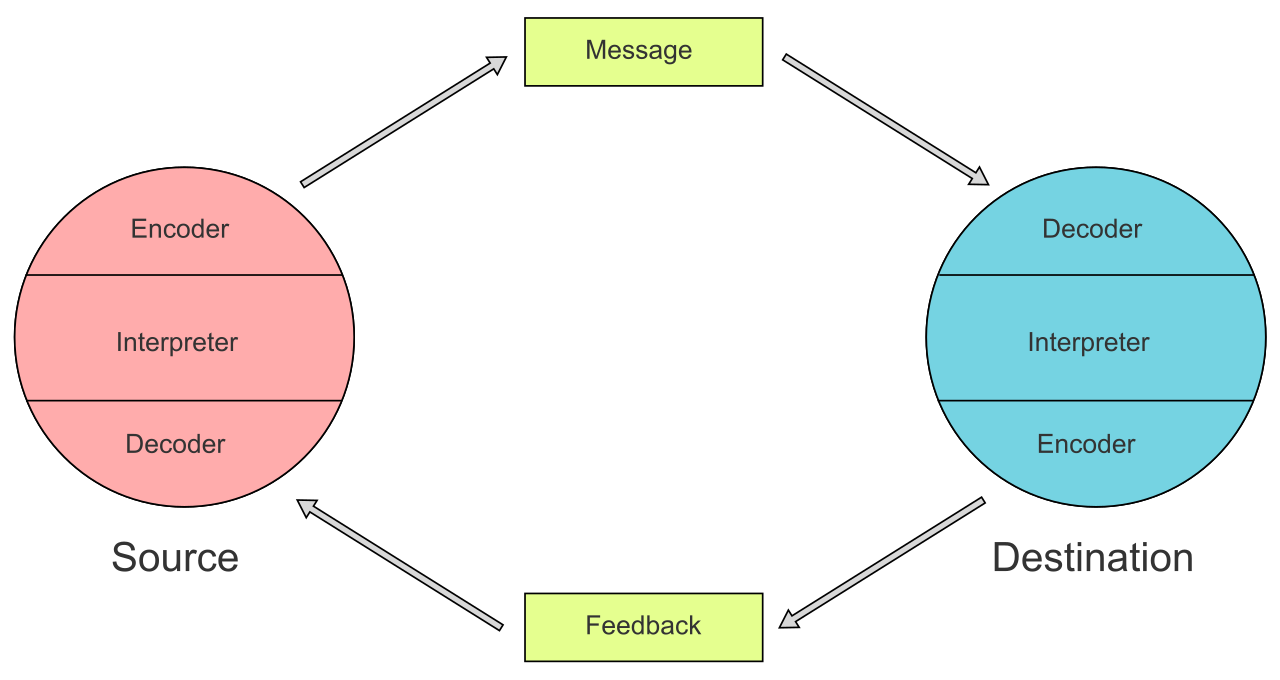
To do this effectively, you must master the three modes of communication:
- Interactive communication is a multi-directional exchange of information such as meetings, phone calls, or video conferences. It is best for building consensus and resolving complex conflicts.
- Push communication involves sending information directly to specific recipients who need the information. Common push communication methods include emails, memos, and project reports. It guarantees distribution but does not guarantee comprehension.
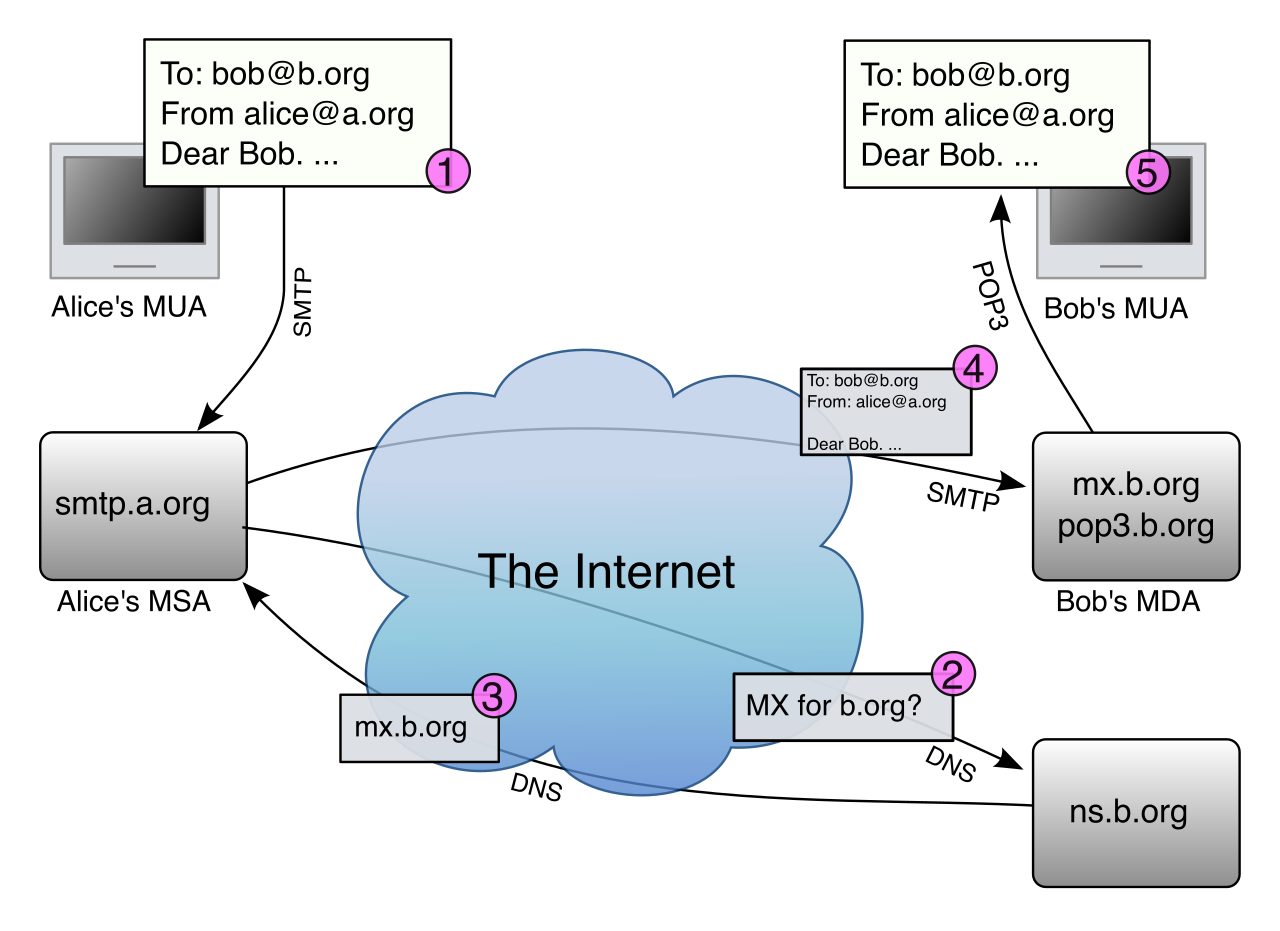
- Pull communication requires stakeholders to access project information at the stakeholder's own discretion. Common pull communication methods include intranet sites, shared network drives, and knowledge repositories. It is ideal for massive volumes of data or very large audiences.
As your project evolves, so must your approach. The Communications Management Plan and the Stakeholder Engagement Plan are iteratively updated to reflect changing stakeholder needs.
The fundamental physics of stakeholder management do not change across delivery frameworks, but the mechanisms of execution certainly do.
In predictive (Waterfall) environments, stakeholder engagement is often tightly governed by formal plans, structured phases, and distinct communication intervals.
Agile fundamentally rewires this dynamic. In agile environments, stakeholder identification and engagement are continuous processes driven by frequent collaboration. Rather than relying on static documents, agile frameworks utilize mechanisms like sprint reviews to directly engage stakeholders. Specifically, agile frameworks utilize sprint reviews to gather immediate feedback from stakeholders on project deliverables, turning theoretical requirements into tangible, inspected reality.
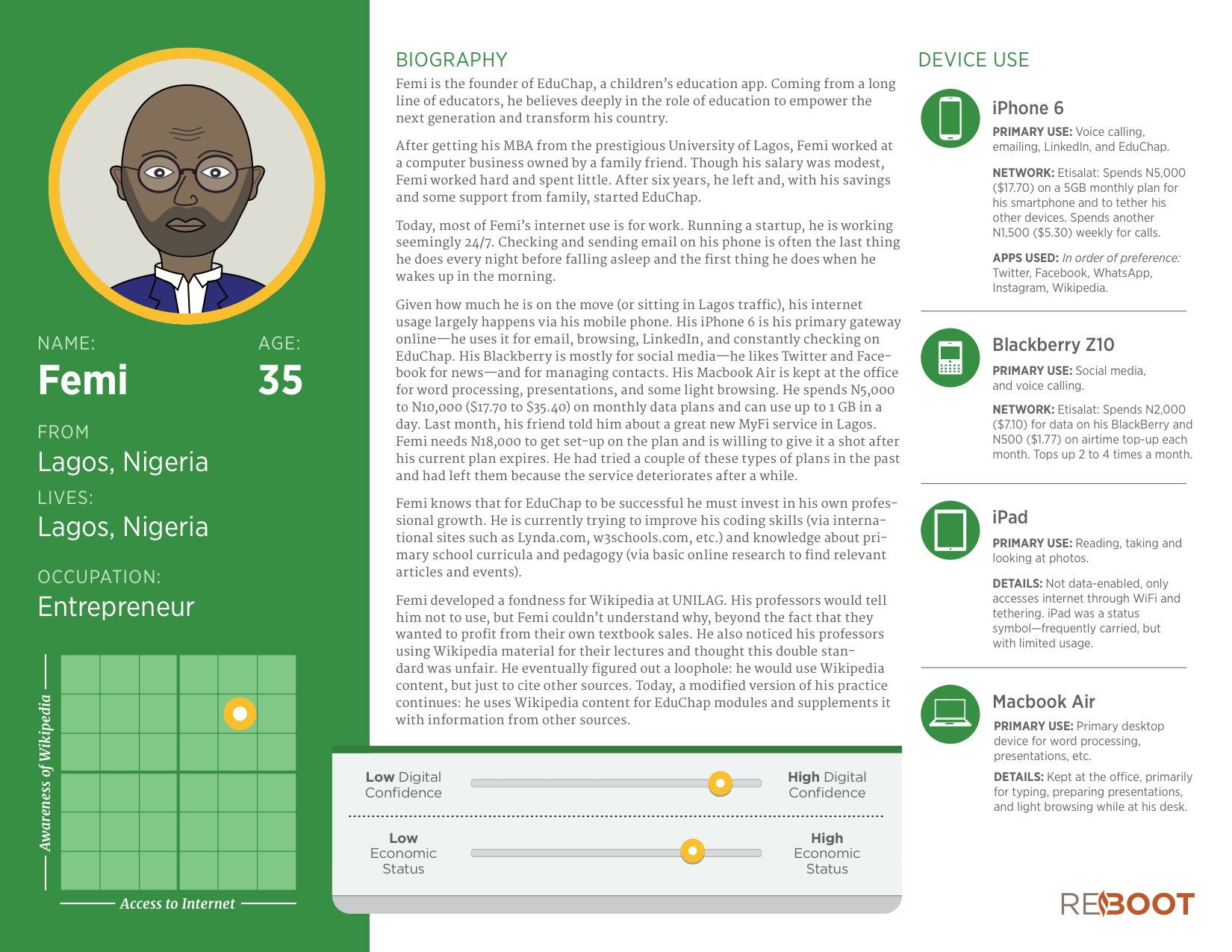
To maintain empathy and focus on value, agile teams often create stakeholder personas to represent the needs, goals, and characteristics of different user groups. Furthermore, because Agile relies heavily on trust, agile projects favor transparent, frequent, and interactive communication methods over formal push communication.
In the modern enterprise, you will frequently find yourself in the middle. Hybrid projects combine formal stakeholder documentation with frequent, iterative stakeholder feedback loops. You might maintain a rigorous, predictive Stakeholder Register for regulatory compliance, while simultaneously using agile sprint reviews to validate software features with end-users.
Mastering stakeholder management requires recognizing that projects do not fail because of uncooperative Gantt charts; they fail because of unmanaged human expectations. Identify your stakeholders early, analyze them rigorously, communicate with intent, and adapt continuously.