Engage Stakeholders: Execution and Alignment
Not sure you’re ready?
Take the ~3-minute readiness diagnostic and see where you stand.
Imagine attempting to pilot a colossal cargo ship where every member of the crew holds a different map, desires a different destination, and occasionally tries to grab the wheel. That is project management without rigorous stakeholder alignment. A project is not simply a sequence of tasks moving across a Gantt chart; it is a complex web of human motivations, departmental politics, and competing priorities. Your schedule and budget will not save you if the people with a vested interest in your project are pulling in opposite directions.
To deliver a project successfully, you cannot just plan; you must execute that plan by constantly tuning the human elements of your environment. You must translate static strategies into dynamic human engagement, transforming potential adversaries into collaborative allies.
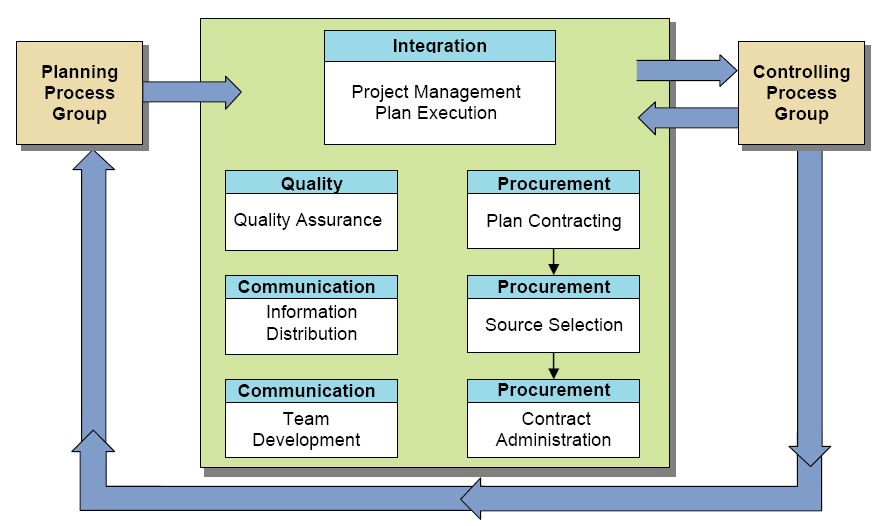
In the PMBOK framework, the Manage Stakeholder Engagement process belongs to the Executing Process Group. Execution is where the theoretical meets the practical. Execution of the stakeholder engagement plan involves applying documented strategies to promote active stakeholder involvement. You are taking the blueprints you drew up during planning and breathing life into them to keep stakeholders informed, address their concerns, and keep them moving alongside the project.
The way you execute this engagement changes fundamentally depending on the delivery methodology you are using. Notice the distinction here:
- Predictive project approaches execute stakeholder engagement through a formal, documented communication and engagement plan. In traditional environments, you rely heavily on scheduled status reports, steering committee presentations, and strict change control boards to keep everyone aligned.
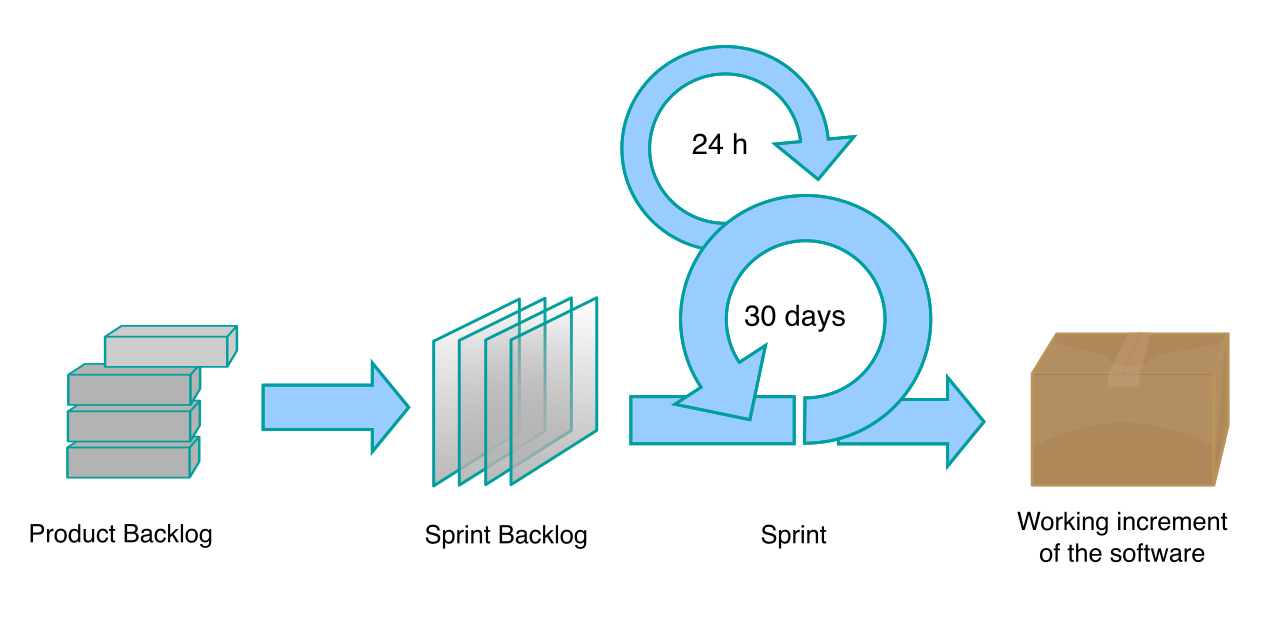
- Agile project approaches execute stakeholder engagement through frequent, direct interactions over formal documentation. Agile recognizes that the best way to keep a stakeholder aligned is to show them the work as it happens. Agile feedback loops allow stakeholders to inspect product increments and realign expectations frequently, reducing the gap between what the team is building and what the stakeholder actually needs. Sprint reviews are a specific agile feedback loop used to demonstrate working increments to stakeholders.
Because projects are living ecosystems, a stagnant plan is a useless plan. Project managers must continually review and update the stakeholder engagement plan as stakeholder needs evolve. When you actively manage engagement, you generate vital outputs: The Manage Stakeholder Engagement process produces change requests, project management plan updates, and project documents updates.
Why do projects experience scope creep? It rarely happens because a team decides to arbitrarily build extra features. Rather, misaligned stakeholder expectations are a primary source of project conflict and scope creep. When Sales expects a Ferrari and Engineering is building a Honda Civic, that gap in expectations will violently rupture your project baseline.
Optimizing stakeholder alignment involves finding common ground between competing stakeholder interests. You are looking for the overlap in a Venn diagram of organizational desires. To do this, managing stakeholder expectations requires negotiating and addressing concerns before those concerns escalate into formal issues. You do not wait for the explosion; you defuse the tension early. Managing stakeholder engagement helps to decrease the risk of project failure by resolving conflicts early.
When differences of opinion inevitably surface, project managers use conflict management techniques to resolve disagreements between misaligned stakeholders. Your goal should rarely be to force a decision or simply "split the difference" if a better way exists. In the PMP framework, collaborating is a conflict resolution technique aimed at finding a win-win solution for all involved stakeholders. It requires diving deep into the problem until a mutually beneficial outcome is forged.
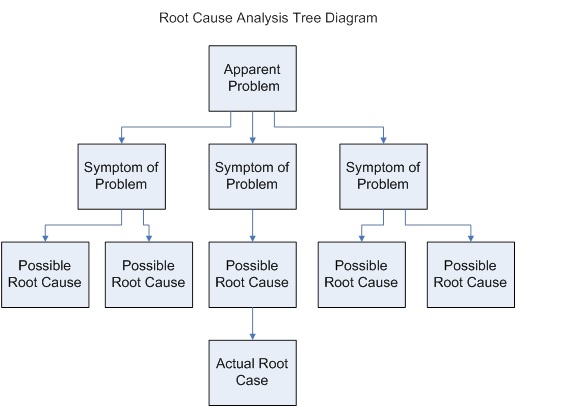
Similarly, when you encounter pushback on a new project deliverable or process, you cannot simply demand compliance. Managing resistance to change requires identifying the root cause of stakeholder reluctance and addressing specific underlying concerns. People do not resist change because they are inherently stubborn; they resist because they fear a loss of status, efficiency, or comfort.
To manage engagement systematically, you must keep meticulous records. The human brain is an imperfect tool for tracking the evolving demands of twenty different department heads.
The Stakeholder Register: This document contains baseline information about stakeholder identification, assessment, and classification. However, it is not a historical artifact created once during initiation. The stakeholder register is continuously updated during the Manage Stakeholder Engagement process to reflect changing attitudes. If a previously supportive sponsor suddenly becomes resistant, that shift must be logged and analyzed here.
The Issue Log: When a stakeholder's concern matures from a passing comment into a problem impacting the project, it moves here. The issue log is used to document and track stakeholder concerns that require formal resolution. To ensure an issue does not stagnate, an issue log assigns a responsible owner and a target resolution date for each tracked stakeholder concern. Accountability is the antidote to apathy.
You cannot influence someone who does not trust you. Building trust requires consistent transparency regarding project progress, issues, and risks. If you hide the bad news, you instantly lose credibility when the truth inevitably surfaces.
But transparency is not just about sharing data; it is about sharing your logic. Transparency in decision-making processes builds trust by showing stakeholders exactly how conclusions are reached. When a stakeholder understands the why behind a decision—even if they disagree with the outcome—they are far more likely to accept it.
In agile methodologies, transparency is literally built into the environment. Information radiators are highly visible displays used in agile projects to keep stakeholders informed transparently. A Kanban board on a wall or a burn-down chart on a shared digital dashboard means stakeholders never have to ask, "What is the team working on?" The data radiates out to anyone who cares to look.
Ultimately, execution is a human endeavor. Interpersonal and team skills are critical tools required to execute the stakeholder engagement plan effectively. You must become an expert in reading the room and guiding the narrative.
Emotional and Social Intelligence
- Emotional intelligence is the ability to recognize and understand emotions in oneself and stakeholders to guide engagement behavior. If you sense a sponsor is agitated, you adapt your delivery on the fly.
- Empathy allows a project manager to understand a stakeholder's perspective and tailor engagement strategies accordingly. You step into their shoes.
- Active listening involves acknowledging, clarifying, and confirming understanding of stakeholder communications. You do not merely wait for your turn to speak; you say, "If I understand correctly, your main concern is X. Is that right?"
To measure the effectiveness of your engagement in the moment, observation and conversation are interpersonal techniques used to monitor stakeholder engagement levels in real-time. Watch body language. Listen to the tone of hallway conversations. Furthermore, when issues become tangled, abandon the email thread. Face-to-face communication is generally considered the most effective method for building trust and resolving complex stakeholder issues.
When gathering these stakeholders in a room, chaos can ensue without structure. To mitigate this, establish ground rules. Ground rules establish acceptable behavior expectations for stakeholders participating in project meetings, ensuring that debates remain constructive rather than destructive.
The Physics of Power and Influence
Project managers are frequently responsible for everything but have direct authority over very little. Therefore, influence is the ability to persuade stakeholders to support the project without relying on formal authority.
To understand how to navigate your organization, you must recognize the different types of power at play:
| Type of Power | Definition & Application in Project Management |
|---|---|
| Formal Authority | Power derived directly from a person's organizational role or official title. (e.g., The CEO or the functional manager who controls the budget). Relying solely on this is often ineffective in a matrix organization. |
| Expert Power | Relies on the project manager's specialized knowledge and skills to influence stakeholder decisions. Stakeholders listen because you are the recognized authority on the subject matter. |
| Referent Power | A type of influence based on the project manager's charisma or respect among stakeholders. People follow you because they like you, trust you, and respect your track record. |
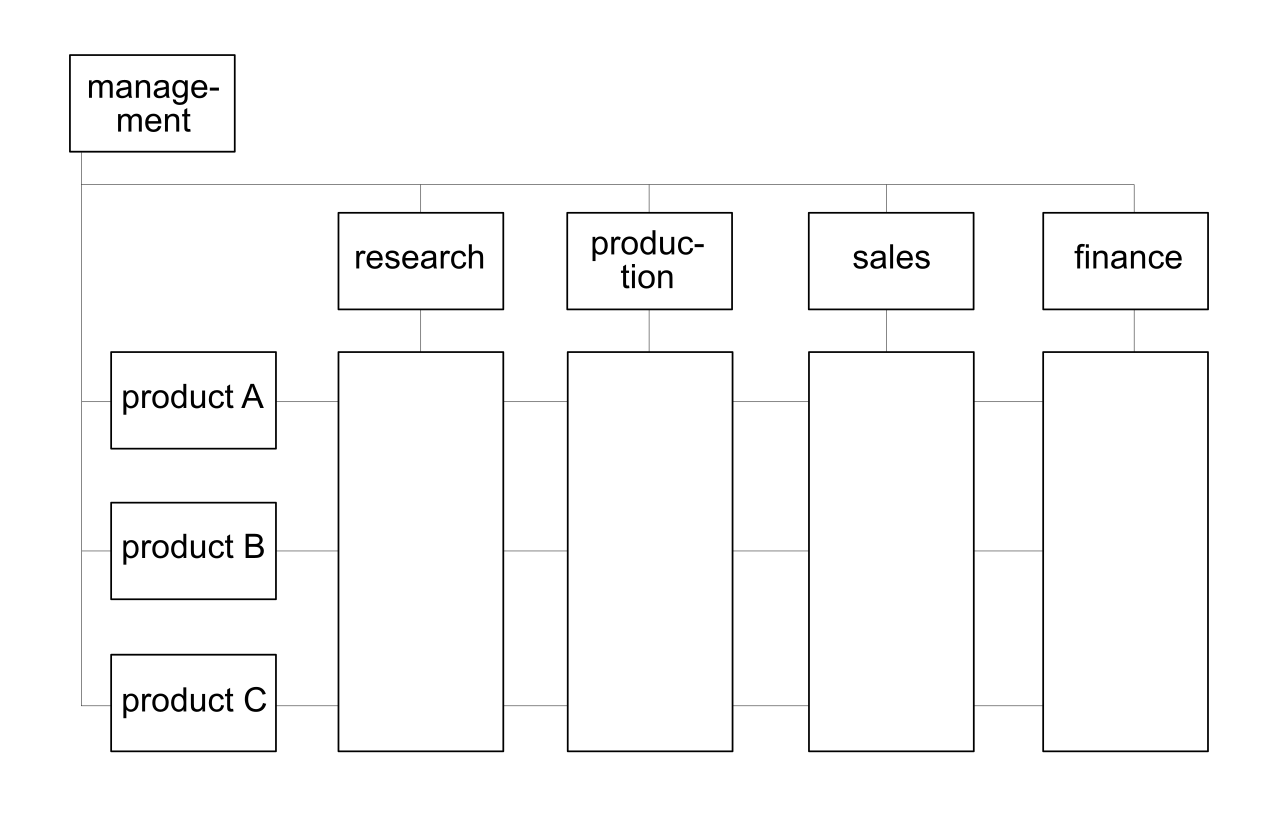
Mastering these dynamics requires acute situational awareness. Political awareness involves understanding the power dynamics and informal relationships within an organization. It means knowing who actually holds sway over a decision, which is not always the person at the top of the org chart. Parallel to this is cultural awareness, which ensures communication and engagement strategies are appropriately tailored to the cultural norms of stakeholders, whether those are distinct corporate cultures across merged departments or geographic cultural differences across global teams.
Mastering the execution of stakeholder engagement means realizing that a project schedule is an illusion until the people required to execute it are aligned. By combining structured tracking logs with empathetic, transparent, and politically aware communication, you align competing vectors of interest into a single, unified thrust toward project success.