Evaluate External Business Environment Changes
Not sure you’re ready?
Take the ~3-minute readiness diagnostic and see where you stand.
A project is not an isolated, closed system; it is a highly permeable entity deeply entangled with its surrounding environment. Every budget, schedule, and scope baseline you establish is a hypothesis predicated on a specific snapshot of the world. When that world shifts—whether through a sudden international trade embargo, a breakthrough in artificial intelligence, or a quiet regulatory update—the foundational assumptions of your project are instantly challenged. To navigate this reality, a project manager must act as both an internal operator executing tasks and an external radar operator scanning the horizon. Understanding how to evaluate and metabolize these external shocks is what separates teams that stubbornly build obsolete deliverables from those that pivot to preserve organizational value.
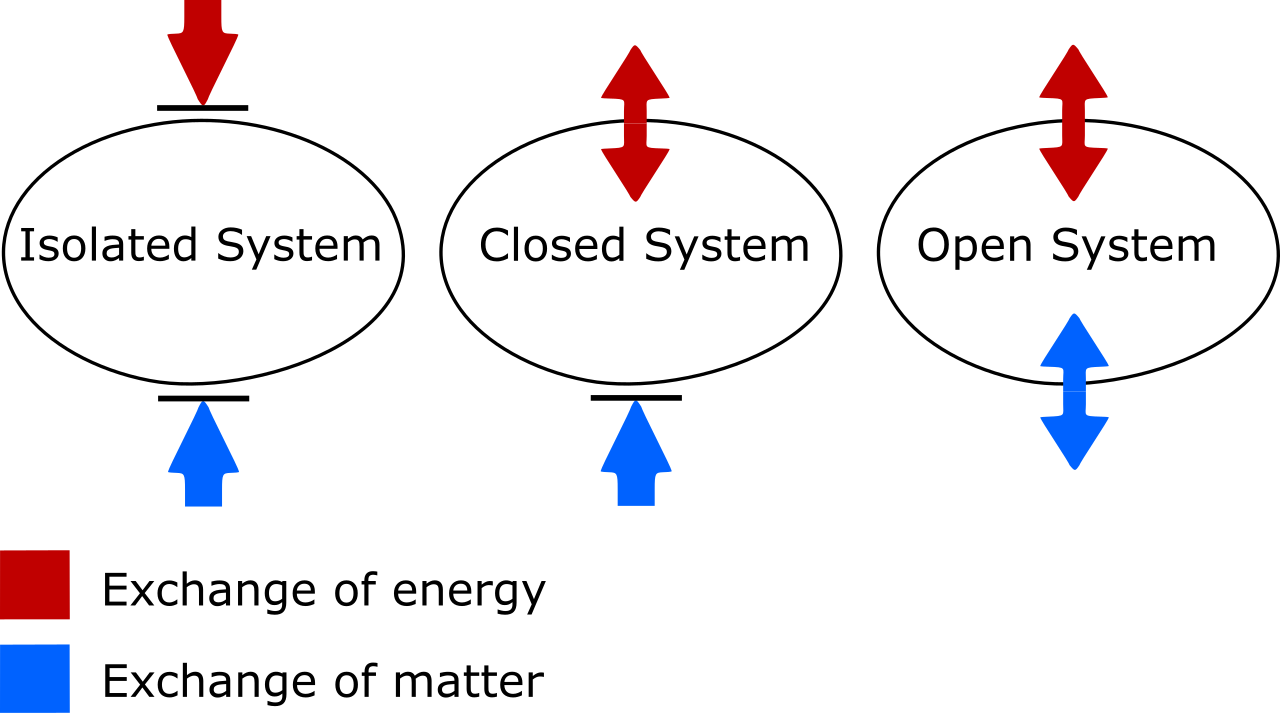
To understand external forces, we must first categorize them. In project management, we formally classify these external forces as Enterprise Environmental Factors (EEFs).
Enterprise Environmental Factors are conditions outside the control of the project team that influence, constrain, or direct the project.
While EEFs can be internal (like an organization’s existing IT infrastructure), we are uniquely concerned with external Enterprise Environmental Factors, which explicitly include market conditions, government regulations, and industry standards. Because you cannot control these factors, you must continuously observe them. A project manager must continuously monitor the external business environment to maintain strategic alignment with the organization's goals.
How do we systematize this observation? We rely on structured lenses to survey the environment and classify the turbulence.
The PESTLE Framework: Surveying the Landscape
The PESTLE framework is a strategic tool used by project managers to survey external macro-environmental changes. When a project manager looks out the window, they shouldn't just see "the market." They should systematically look for shifts across six specific dimensions. The PESTLE framework stands for Political, Economic, Socio-cultural, Technological, Legal, and Environmental factors.
- Political & Legal: Changes in leadership, new tax policies, or sudden regulatory shifts.
- Economic: Inflation rates, currency exchange fluctuations, or labor market shifts.
- Socio-cultural: Shifts in consumer demographics or cultural trends regarding your product.
- Technological: The advent of new computing capabilities or disruptive engineering methods.
- Environmental: Physical climate factors, sustainability mandates, or weather disruptions.
The VUCA Framework: Classifying the Disturbance
While PESTLE tells you where the change is coming from, the VUCA framework helps project managers classify the nature of external business environment changes. The way you respond to a known, slow-moving legal change is entirely different from how you respond to a sudden, chaotic market collapse. The VUCA acronym stands for Volatility, Uncertainty, Complexity, and Ambiguity.
- Volatility: The speed and magnitude of change. (e.g., A sudden, extreme spike in the cost of steel).
- Uncertainty: The lack of predictability. (e.g., Waiting for a pending Supreme Court ruling on your industry).
- Complexity: The sheer number of interconnected variables. (e.g., Operating a global supply chain across twenty distinct regulatory regimes).
- Ambiguity: The lack of clarity about the meaning of an event. (e.g., A competitor launches a mysterious new product line, and you aren't sure if it threatens your market share).
When the external environment shifts, it sends shockwaves through the project's internal mechanics. Let’s examine how specific categories of change manifest on the ground and force your hand.
Regulatory and Compliance Mandates
When the law changes, your project must change. There is no negotiating with statutory law. External regulatory changes can force immediate mandatory modifications to the project scope. If your team is building a software platform and a new data privacy law (like GDPR) is passed, your scope must expand immediately to include compliance. Furthermore, external regulatory changes can force immediate mandatory modifications to project execution processes. For example, new safety regulations on a construction site might alter how your team performs their daily work, impacting your schedule.
Faced with a shrinking budget and growing requirements, a fundamental rule applies: Project managers must prioritize external compliance requirements over optional project features. A beautiful, feature-rich product that is illegal to sell is a failed project. Similarly, a change in external industry standards often requires an update to the project quality management plan to ensure your testing and metrics align with the new baseline of acceptability.
Geopolitical and Economic Shocks
We live in a deeply interconnected global economy. Geopolitical events can disrupt project supply chains, leaving teams without critical materials. When a trade route is blocked or tariffs are enacted, geopolitical events can require project managers to secure alternative resource allocations. Because these events are unpredictable, project managers use risk management processes to address uncertainties introduced by external geopolitical events, identifying alternate vendors and establishing management reserves.

Simultaneously, the math behind your project can change overnight. Economic fluctuations can alter the cost-benefit analysis of an ongoing project. If a project was approved based on a $10M expected return, but a recession slashes projected consumer spending, the fundamental logic of the project begins to crumble.
The Threat of Technological Obsolescence
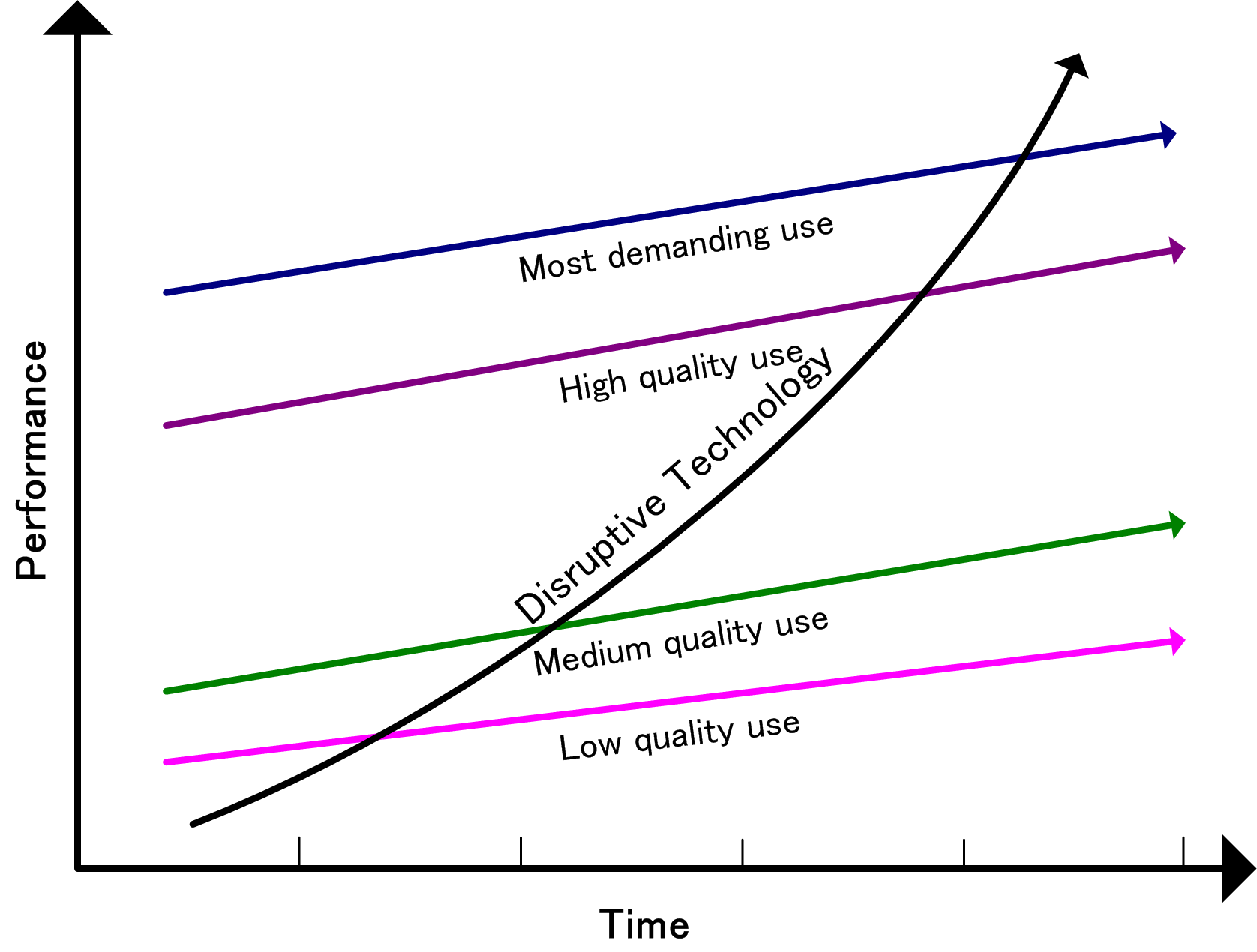
In fast-moving industries, time is the enemy of relevance. Technological shifts can render original project deliverables obsolete before project completion. If you spend three years building a predictive algorithm based on old machine learning models, and a revolutionary generative AI model is open-sourced in year two, your project may be dead on arrival.

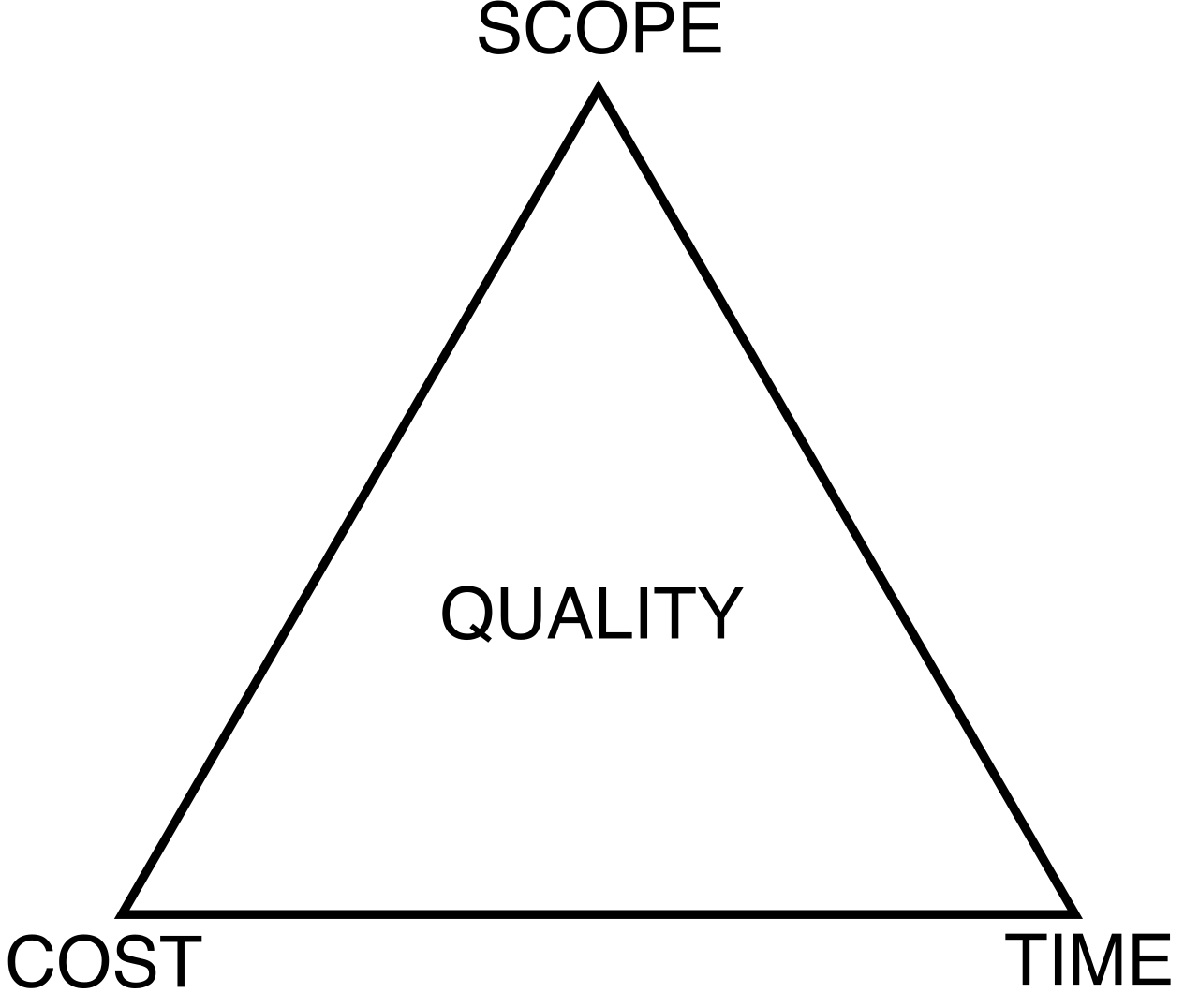
When a PESTLE or VUCA event occurs, the project manager does not panic; they analyze. Impact assessments for external changes must evaluate potential effects on project scope, schedule, cost, and quality. You must determine precisely how the change alters the iron triangle of project constraints.
How a project absorbs this change depends entirely on the chosen delivery methodology.
The Predictive Response (Waterfall)
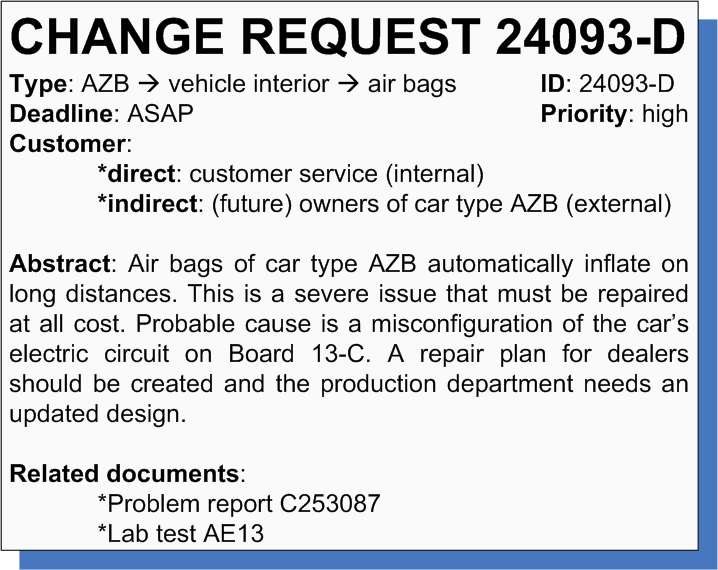
In a highly structured predictive environment, baselines are fiercely protected. Therefore, in predictive projects, external environment changes often trigger formal change requests. You cannot simply decide to alter the scope because the market shifted.
- Perform Integrated Change Control: Project managers use the Perform Integrated Change Control process to handle scope adjustments caused by external factors. You analyze the cost and schedule impact of the required change.
- The Change Control Board: The Change Control Board must evaluate formal change requests resulting from external business environment shifts. The CCB acts as the gatekeeper, reviewing the project manager's impact assessment and deciding whether to approve, reject, or defer the change.
The Agile Response
Agile frameworks were built specifically to thrive in VUCA environments. Because agile projects do not lock in a massive, upfront scope baseline, they absorb external shocks fluidly.
In agile projects, the Product Owner reprioritizes the product backlog in response to external market changes. The project manager (or Scrum Master) ensures the team is aware of the shift, but it is the Product Owner who decides that a new compliance feature is suddenly more valuable than an existing UI enhancement. Consequently, external environment changes in agile projects influence the selection of user stories for upcoming sprints. The change seamlessly enters the workflow at the next iteration planning meeting.
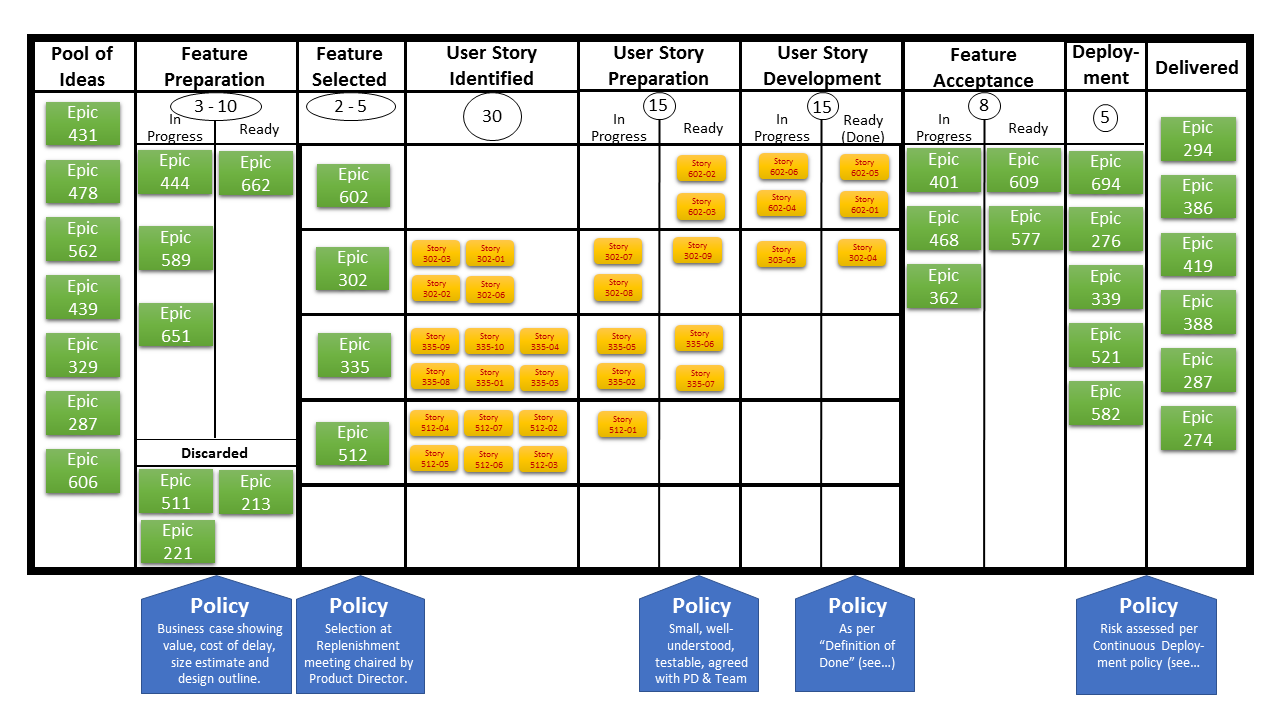
To maintain transparency during these pivots, information radiators in agile projects help communicate the impact of external business changes to the team. A highly visible burndown chart or Kanban board ensures everyone sees the newly injected compliance work.
Adaptive Strategic Shifts
Sometimes, the external environment changes so radically that a predictive methodology itself becomes a liability. Organizations may shift a project from a predictive approach to an agile approach to better adapt to a highly volatile external market. If the requirements are suddenly shifting every month due to economic instability, trying to maintain a predictive baseline is a fool's errand.
| Feature | Predictive (Waterfall) Approach | Agile / Adaptive Approach |
|---|---|---|
| Primary Mechanism | Formal Change Requests | Backlog Reprioritization |
| Decision Authority | Change Control Board (CCB) | Product Owner (PO) |
| Intake Process | Perform Integrated Change Control | Sprint Planning / User Story Selection |
| Response Speed | Deliberate, gate-controlled | Fast, iterational boundaries |
External environment evaluation is not a one-time event that occurs during project chartering. It is a persistent operational duty. Continuous review of external changes is integrated into the Monitor and Control Project Work process. This means looking outward is fundamentally baked into the daily job of project control.
Engaging Stakeholders and Sponsors
You do not monitor the environment in isolation. Project teams use regular sprint reviews to discuss external market shifts with stakeholders. By demonstrating working increments, the team can ask stakeholders, "Given what just happened in the market this week, is this still the most valuable thing we could be building?"
When larger tectonic shifts occur, the project manager must look upward. The project manager collaborates with the project sponsor to evaluate the impact of external changes on organizational strategy. The project manager owns the execution of the project, but the sponsor owns the business justification.
Defending the Business Value
Every project exists to deliver specific organizational benefits outlined in two critical documents: the Business Case and the Benefits Management Plan.
When the external environment undergoes a massive shift, changes in the external environment require the project sponsor to verify the continued validity of the business case. The sponsor must ask whether the project is still worth the investment. Concurrently, the Benefits Management Plan must be reviewed periodically to ensure external market conditions still support the intended project benefits.
This leads us to the ultimate, necessary, and sometimes painful project management reality. Not all projects should survive an external shock. The organization may prematurely terminate the project if external changes eliminate the expected business value. If a new law makes your product illegal to sell, or an economic crash wipes out your target market, the most successful thing a project manager can do is recommend immediate termination, saving the organization's remaining capital for a more viable endeavor.
Evaluating the external business environment is the discipline of ensuring that your project does not just finish on time and on budget, but that it actually matters when it arrives.