Help Ensure Knowledge Transfer
Not sure you’re ready?
Take the ~3-minute readiness diagnostic and see where you stand.
When a lead structural engineer walks out the door on their last day, they do not just take their laptop and their security badge; they take the invisible, unwritten intuition of why the foundation of your building behaves a certain way in damp soil. The blueprint is left behind, but the judgment is gone. Project management is fundamentally an exercise in preventing this intellectual drain. We must build systems that extract, distribute, and preserve both the hard facts and the subtle instincts of our teams. If a project is a temporary endeavor, the knowledge it generates is its permanent byproduct. Mastering how to identify, gather, and foster an environment for knowledge transfer is what separates a team that merely survives a project from an organization that evolves because of it.
To manage knowledge, you must first understand its physics. Information behaves differently depending on whether it is tangible data or lived experience. Project knowledge management ensures the skills of the project team are utilized throughout the project lifecycle, but to do this, we must divide knowledge into two distinct categories.
Explicit knowledge consists of information that can be easily codified. It is the architectural drawing, the budget spreadsheet, the regulatory compliance checklist, and the lines of code. If you can type it into a document and hand it to a stranger to read and understand, it is explicit.
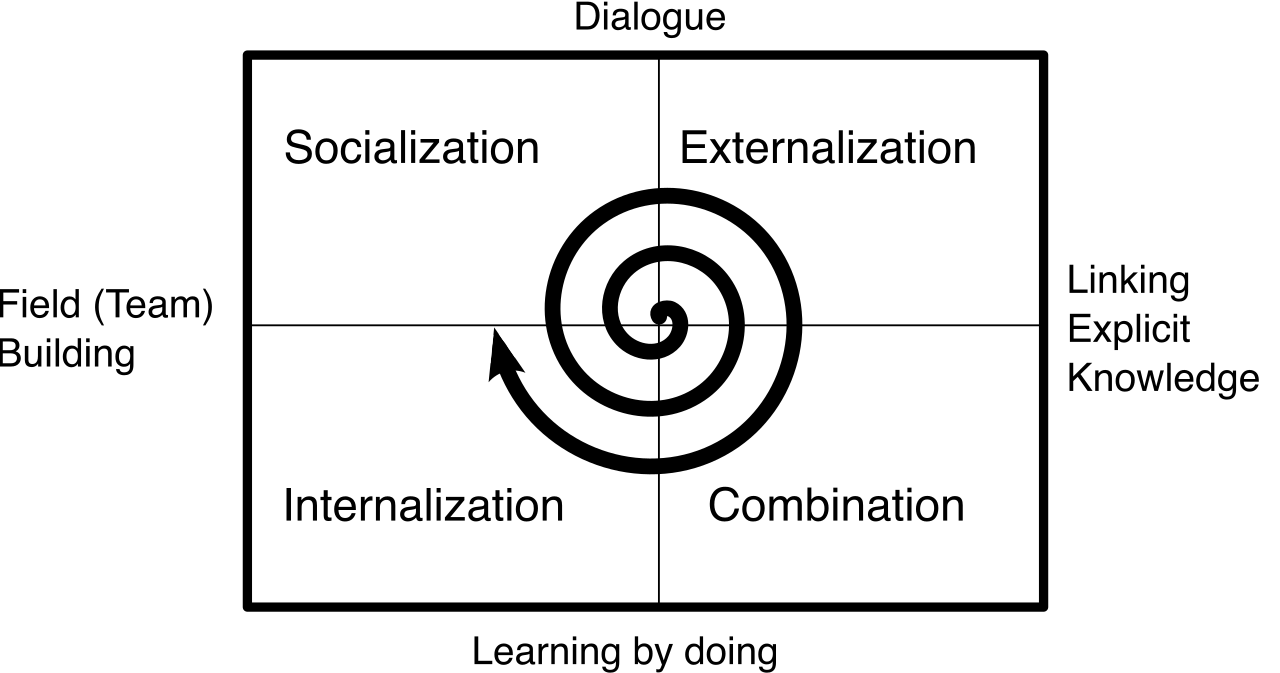
Tacit knowledge, on the other hand, consists of personal beliefs, insights, and experiences. It is the subtle knack a negotiator has for knowing exactly when a vendor will accept a lower price, or a senior developer’s instinct that a specific module of code will fail under load. Because it lives in the nervous system rather than on a hard drive, tacit knowledge is difficult to articulate or codify.
The Knowledge Transfer Rule: Explicit knowledge is transferred through systems. Tacit knowledge is transferred through interactions.
Before you can transfer knowledge, you must know where it lives and what is missing. A project manager cannot navigate a complex delivery without mapping the intellectual terrain of the team.
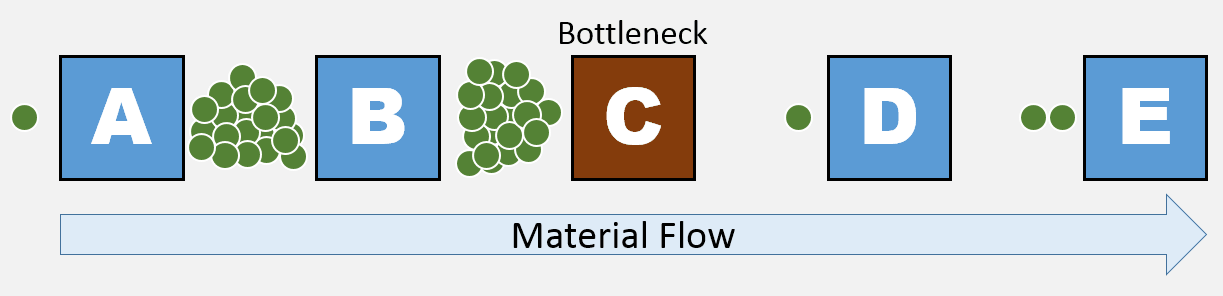
This begins with a skills matrix, a visual tool used to identify the current skills of team members. By mapping team members against required competencies, a skills matrix highlights knowledge gaps within a project team. Analyzing a skills matrix helps a project manager identify missing knowledge critical to the project, allowing them to proactively hire, train, or reallocate resources before a bottleneck occurs.
During this analysis, you will inevitably identify your subject matter experts (SMEs). These individuals possess critical tacit knowledge required for specialized project tasks. Identifying subject matter experts early in the project helps ensure critical project knowledge is accessible when you need it, rather than discovering a dependency halfway through execution.
With the gaps identified and the experts located, a project manager drafts a knowledge transfer plan. This foundational artifact defines how critical project information will be shared among team members, turning abstract learning goals into scheduled, trackable activities.
Because explicit and tacit knowledge possess different properties, we must build different machinery to gather and distribute them. Knowledge transfer is an ongoing process that must be integrated into daily project activities, not relegated to a frantic wrap-up phase during project closure.
Capturing Explicit Knowledge
To capture what can be written down, project managers rely on robust architecture. Information management systems are primarily used to share explicit project knowledge, ensuring version control and searchability.
Within these systems, a project wiki serves as a collaborative tool used to gather explicit project knowledge in a centralized location. To ensure these systems actually work, knowledge management tools must be accessible to all relevant team members to foster a supportive sharing environment. If your wiki requires three VPNs and a forgotten password to access, the knowledge within it is effectively dead.
The historical record of a project's execution is captured in a lessons learned register, a project document used to record knowledge gained during a project. Far too many organizations treat this as an administrative chore done at the project's end. In reality, the lessons learned register is updated continuously throughout the project lifecycle. Only at the conclusion is the lessons learned register transferred to the organizational lessons learned repository at the end of a project, transforming temporary project insights into permanent enterprise wisdom.
Facilitating Tacit Knowledge
You cannot write down intuition. Transferring tacit knowledge requires bridging the gap between human minds. Interpersonal skills are required to effectively share and transfer tacit project knowledge, and face-to-face interaction is considered the most effective method for transferring tacit knowledge between individuals.
We facilitate this interaction through several proven techniques:
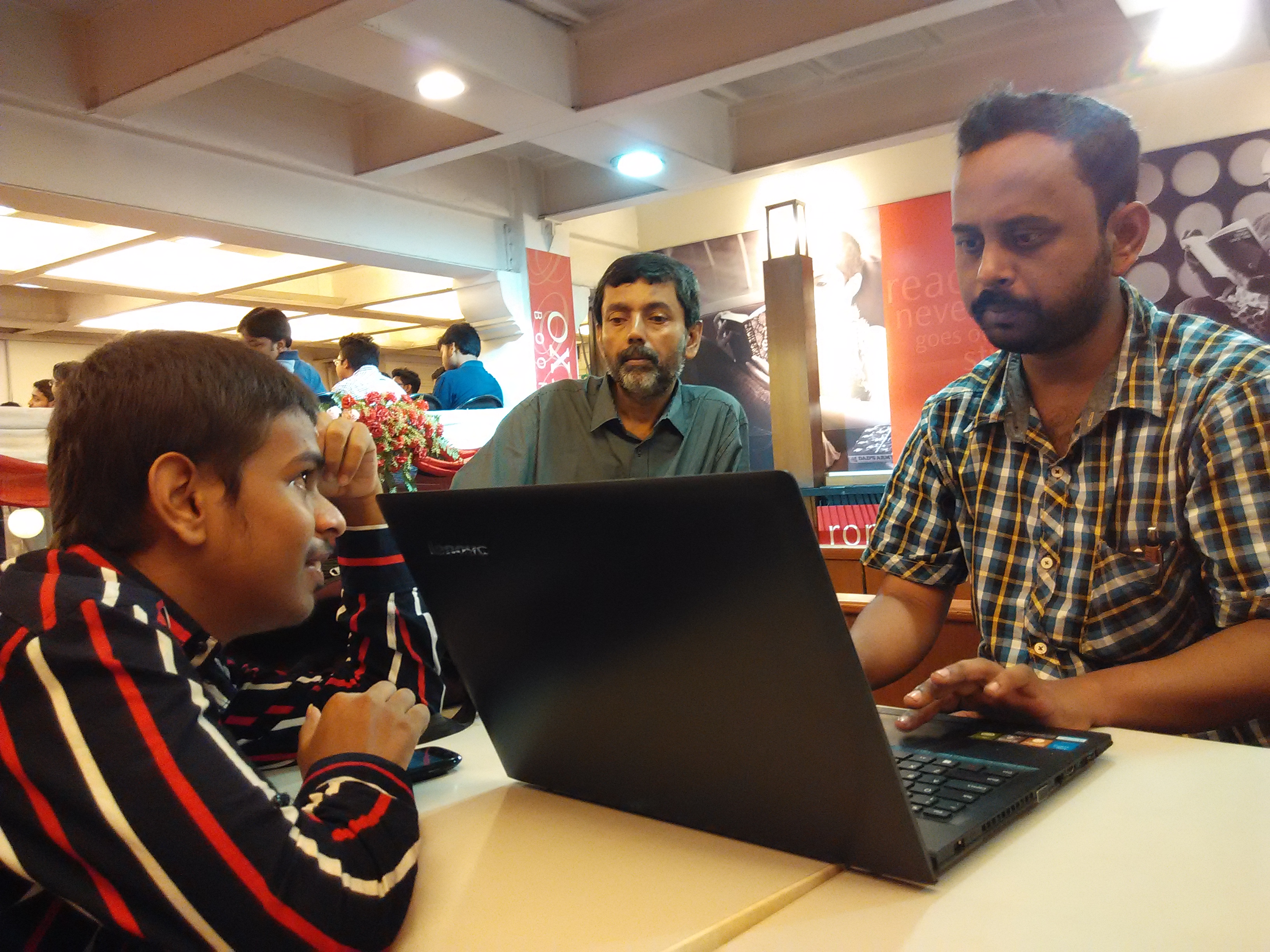
- Job shadowing allows a team member to gather critical tacit knowledge by observing an expert performing a specific task. They absorb the "how" and the "why" simply by watching the work happen in real time.
- Mentoring involves an experienced individual sharing tacit knowledge with a less experienced team member over a sustained period, cultivating deep professional judgment.
- Storytelling is an interpersonal technique used to share complex tacit project experiences. A narrative about how a team recovered from a $50,000 supply chain failure transfers nuance and context far better than a bulleted list of mitigation steps.
Agile Knowledge Systems
Agile frameworks build knowledge transfer directly into the cadence of the work. For example, pair programming is an agile knowledge-sharing technique where two developers work together at one workstation. One writes the code while the other reviews it, actively passing tacit engineering instincts back and forth.
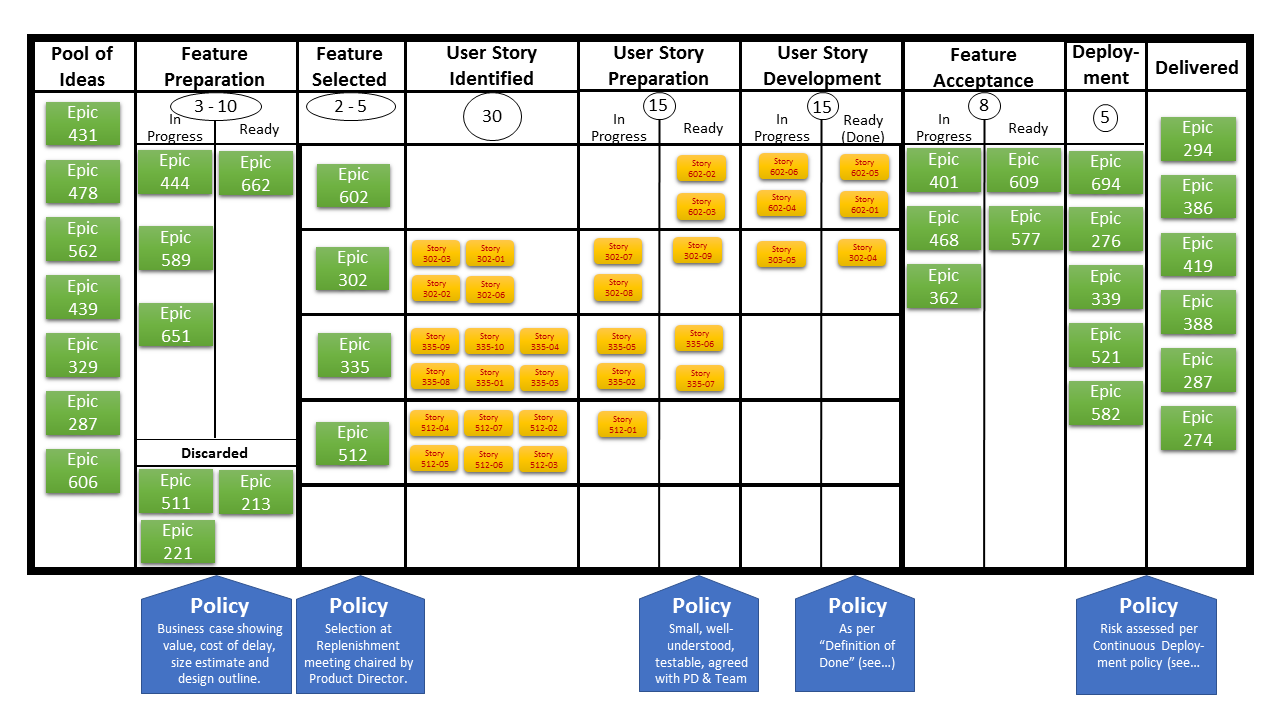
Agile teams also rely heavily on information radiators, which are highly visible physical or digital displays used in agile projects (like a Kanban board). Information radiators share critical project knowledge continuously with the project team, removing the need for status meetings by making explicit knowledge instantly visible to anyone walking by.
Furthermore, agile retrospectives provide a dedicated forum for the project team to gather knowledge on successful team practices. By stopping at the end of every iteration, agile retrospectives provide a dedicated forum for the project team to identify areas for process improvement, immediately integrating new knowledge into the next sprint.
A Comparison of Knowledge Management Approaches
| Feature | Explicit Knowledge Focus | Tacit Knowledge Focus |
|---|---|---|
| Nature of Knowledge | Facts, formulas, data, specifications. | Intuition, experience, judgment, skills. |
| Primary Mechanism | Databases, Wikis, Registers. | Human interaction, observation, practice. |
| Key Agile Tools | Information Radiators. | Pair Programming, Retrospectives. |
| Example Activity | Updating the Lessons Learned Register. | Mentoring and Storytelling. |
Tools and techniques are useless if the environment suppresses the flow of information. Knowledge silos occur when information is isolated within a specific department or team. Just as physical silos trap grain, knowledge silos hinder project progress by preventing the flow of critical information to other project stakeholders.
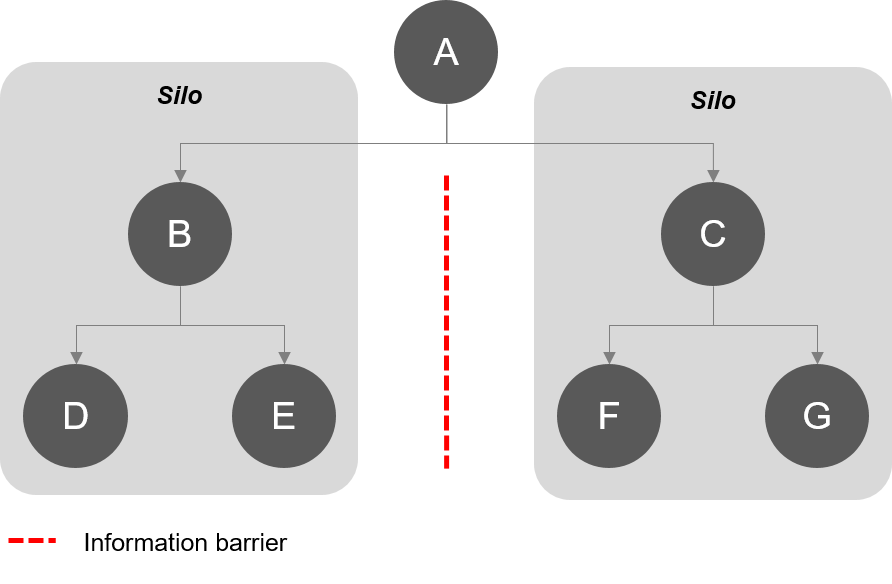
Breaking down these silos requires intentional leadership. Servant leaders foster knowledge transfer by removing organizational silos. Rather than hoarding information for power, servant leaders encourage cross-functional collaboration to improve team knowledge sharing.
Psychological Safety and Trust
You cannot mandate the sharing of personal insights or admissions of failure. Creating a psychologically safe environment encourages team members to share mistakes without fear of punishment. This is the cornerstone of effective lessons learned; if a team is afraid of being fired for a misstep, they will hide the failure, and the knowledge is lost. Ultimately, psychological safety encourages the open sharing of tacit knowledge.
Furthermore, project managers must establish trust among stakeholders to facilitate the open exchange of sensitive knowledge. Whether navigating vendor pricing structures or internal strategic shifts, trust is the currency of high-level knowledge transfer.
Structuring for Longevity and Risk Mitigation
To ensure the ecosystem outlasts any single project, we implement structural safeguards:
- Cross-Training: Cross-training is the practice of training team members to perform tasks outside of their primary role. Beyond professional development, cross-training mitigates project risk by ensuring critical project knowledge is not isolated to a single team member. If your sole database architect falls ill, cross-training ensures the project does not halt.
- Offboarding: People leave. Offboarding processes must include knowledge transfer activities to retain critical information when a team member leaves the project. This transitions their tacit insights into the explicit systems and remaining team members before they walk out the door.
- Communities of Practice: A community of practice is a group of people who share a common profession and learn from each other (e.g., a monthly guild meeting of all Scrum Masters in a company). Establishing communities of practice fosters a long-term environment for knowledge transfer across different project teams, moving beyond the boundaries of a single deliverable.
Ultimately, human behavior bends toward its incentives. Great project managers promote a culture of continuous learning by rewarding team members who share valuable project knowledge. When leadership publicly recognizes and compensates the acts of mentoring, documenting, and teaching, knowledge ceases to be a hoarded commodity and becomes a flowing resource.