Manage Stakeholder Expectations
Not sure you’re ready?
Take the ~3-minute readiness diagnostic and see where you stand.
Imagine designing a bridge perfectly to structural engineering specifications, only to discover the city council wanted a tunnel, the commuters expected a four-lane highway, and the local environmental group is aggressively protesting the disruption of the riverbed. The physics of the bridge are flawless, but the project is a catastrophic failure. In project management, success is rarely defined solely by the objective reality of the deliverable; it is defined by the alignment of that deliverable with the subjective expectations of the people who interact with it. To master project delivery, one must master the intricate web of human expectations.
Expectations are not monolithic. They vary wildly depending on an individual's proximity to the project, their financial stake, and their operational needs. Failing to map, monitor, and influence these expectations is akin to navigating a minefield blindfolded.
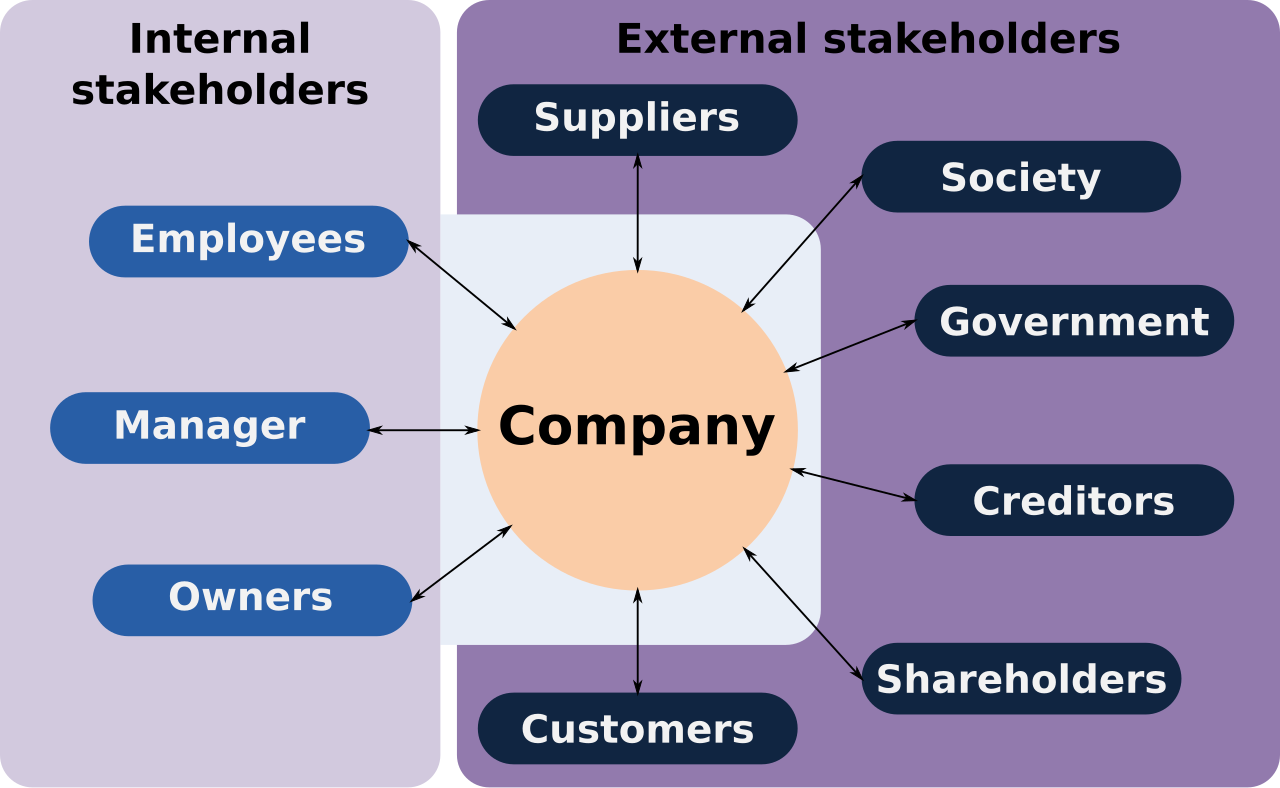
Before we can manage expectations, we must locate their source. Stakeholders are generally split across a fundamental boundary: the perimeter of the organization executing the work.
Internal customers are individuals or groups within the performing organization. These include the executive sponsor funding your initiative, the marketing department waiting to launch the product, or the legal team ensuring compliance. Conversely, external customers are individuals or groups outside the performing organization. These are the end-users purchasing a consumer application, government regulators, or external vendors.
When mapping these individuals, project managers must dive beneath surface-level assumptions to uncover what people truly care about. Project managers identify stakeholder expectations through direct interviews, which allow for deep, one-on-one probing of a specific leader’s underlying fears and goals. To understand group dynamics and consensus, project managers identify stakeholder expectations through focus groups, bringing a cross-section of users together to observe how their requirements interact.
Extracting these expectations requires extreme diligence. Project managers apply active listening as a critical interpersonal skill to fully understand stakeholder expectations—listening not just to respond, but to comprehend the unsaid motivations behind a request.
Once discovered, all of this data must be formalized. A stakeholder register documents the identification, assessment, and classification of project stakeholders, serving as the foundational directory for everyone you must satisfy.
A project manager’s bandwidth is finite. If you attempt to engage every stakeholder with equal intensity, you will exhaust your resources and fail the stakeholders who matter most. We must classify stakeholders systematically.
The Power/Interest Grid
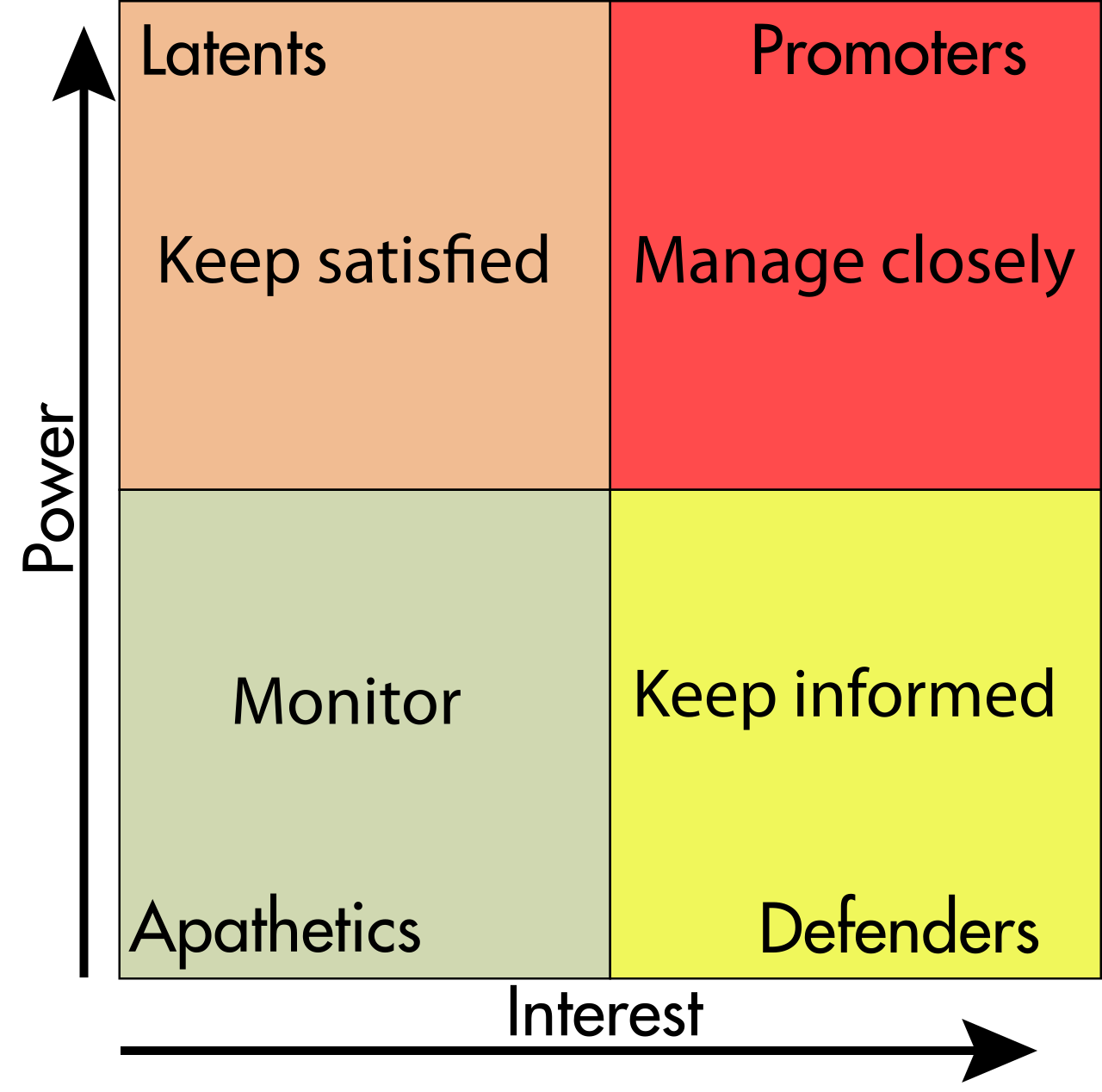
The simplest and most widely used model is the Power/Interest grid. This two-dimensional matrix categorizes stakeholders based on the stakeholder's level of authority (Power) and the stakeholder's level of concern regarding project outcomes (Interest). A high-power, high-interest executive requires close management, whereas a low-power, low-interest observer simply needs to be monitored.
The Salience Model
For more complex environments, a two-dimensional grid is insufficient. The Salience Model classifies stakeholders based on three intersecting dimensions:
- Power: In the Salience Model, power represents a stakeholder's ability to influence the project. Can they shut your project down? Can they force a design change?
- Urgency: In the Salience Model, urgency represents the need for immediate attention to a stakeholder's claim. Does their issue demand immediate resolution, or can it wait?
- Legitimacy: In the Salience Model, legitimacy represents the appropriateness of a stakeholder's involvement in the project. Does this person have a rightful claim to be involved, or are they an overstepping bystander?
Directions of Influence
Finally, we can classify stakeholders spatially relative to the project manager. Directions of influence classify stakeholders as upward, downward, outward, or sideward.
- Upward influence refers to stakeholders such as senior management or project sponsors.
- Downward influence refers to stakeholders such as the project team or temporary specialists working under your direction.
- Outward influence refers to stakeholders outside the project team such as suppliers, government bodies, or the public.
- Sideward influence refers to peers of the project manager, such as other departmental managers competing for the same resources.
Understanding who stakeholders are is only half the battle; we must now engineer how we interact with them. This architecture is defined by two distinctly different, yet complementary, plans.
The Stakeholder Engagement Plan defines the strategies and actions required to promote productive involvement of stakeholders. It asks: How do we convert a skeptical department head into a champion of this software rollout?
The Communication Management Plan is the tactical counterpart. It details the specific methods and frequency for distributing information to stakeholders. It asks: Will the department head receive a weekly email dashboard or a monthly executive briefing?
Anchoring Expectations to Deliverables
As a project executes, scope tends to drift. Stakeholders may claim, "This isn't what I asked for." To prevent this, we rely on the Requirements Traceability Matrix (RTM). The Requirements Traceability Matrix links product requirements from their origin to the deliverables that satisfy those requirements. Because every deliverable can be traced back to a specific requested feature, the Requirements Traceability Matrix ensures that project outcomes align with documented customer expectations.
Inevitably, friction will occur. Conflict resolution techniques are applied when internal and external stakeholder expectations contradict each other—for instance, when your internal finance team demands cost cuts that directly violate the external customer's quality expectations.
How we handle changes to expectations depends entirely on the delivery methodology.
In highly regulated or structurally rigid environments, predictive projects use formal change control processes to manage modifications to stakeholder expectations. If a stakeholder wants a change, it must be submitted, analyzed for impact, and formally approved. The expectation is locked until the control board says otherwise.
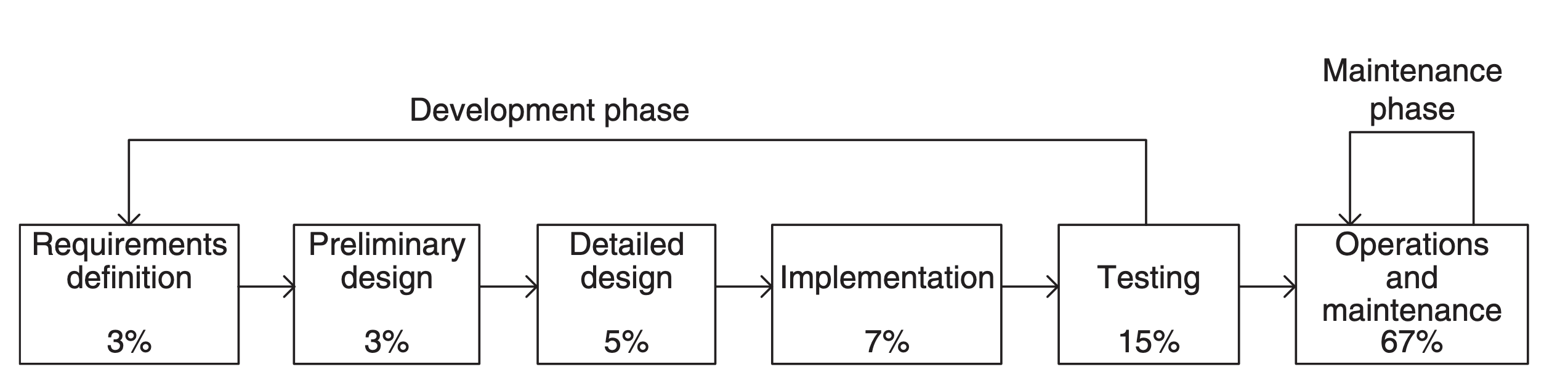
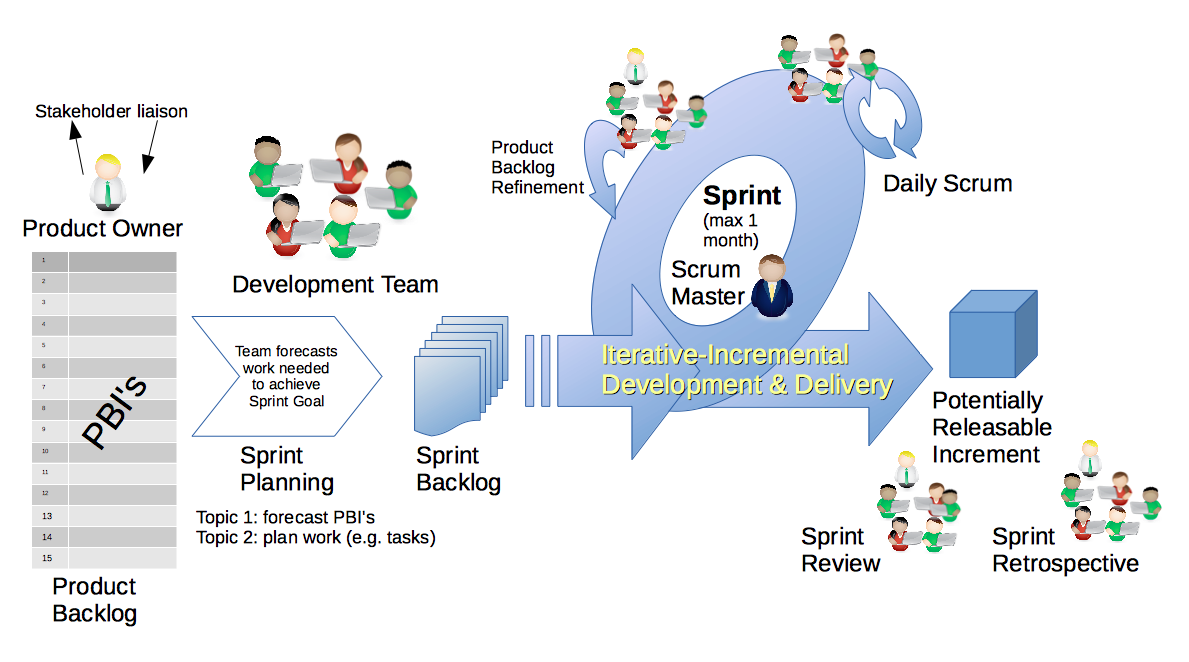
Agile turns this paradigm on its head. Instead of resisting change, agile frameworks embrace it. Agile projects align stakeholder expectations through frequent delivery of working software increments. Rather than reading a status report, agile projects utilize sprint reviews to demonstrate working increments directly to stakeholders. This tangible demonstration instantly calibrates what the stakeholder visualizes with what the team has actually built.
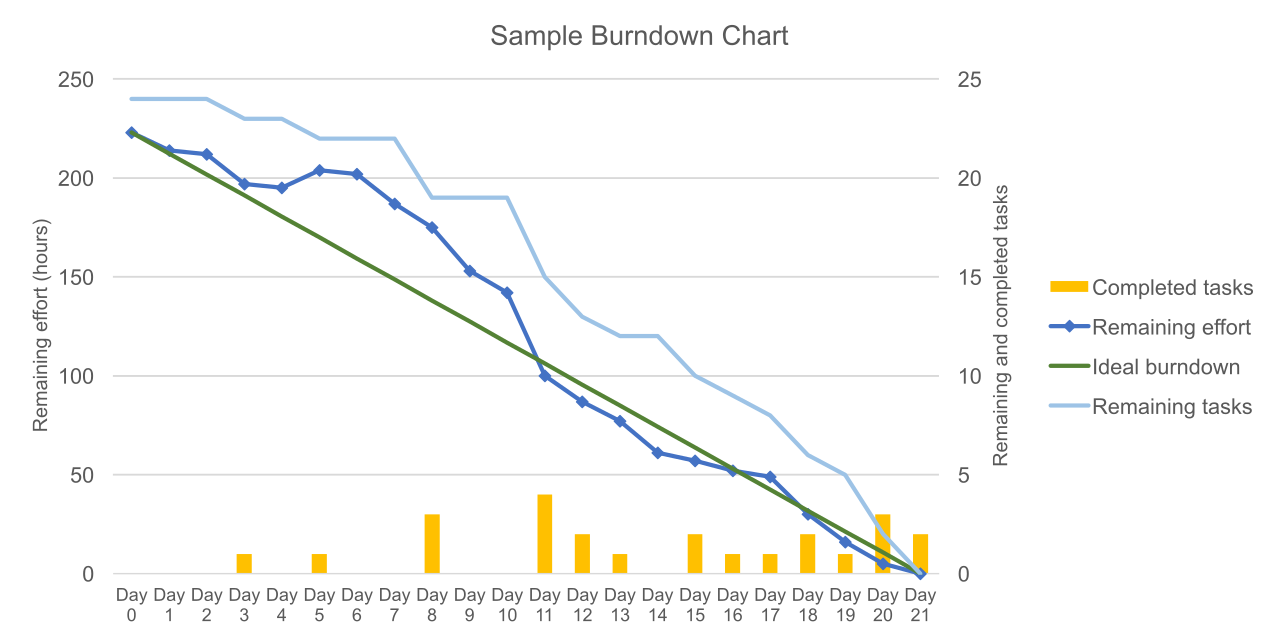
Furthermore, agile relies heavily on information radiators. These are large, highly visible charts or dashboards that display continuous, updated project metrics to stakeholders in agile environments. Information radiators manage stakeholder expectations by providing transparent access to project progress, entirely removing the mystery of what the team is doing on a daily basis.
Today, many organizations operate in the middle ground. A hybrid project approach combines predictive formal documentation with agile frequent feedback loops to manage stakeholder expectations. You might use strict formal change control for the hardware components of a medical device, while using frequent sprint reviews to manage the expectations for its software interface.
Expectations are not static; they evolve as the business environment changes. Therefore, project managers must constantly monitor where their stakeholders stand and respond accordingly.
The Stakeholder Engagement Assessment Matrix (SEAM)
To systematically track engagement, project managers rely on the Stakeholder Engagement Assessment Matrix, which compares the current engagement levels of stakeholders with the desired engagement levels.
The Five States of the SEAM: The Stakeholder Engagement Assessment Matrix defines five specific states of stakeholder engagement:
- Unaware: The state indicates a stakeholder has no knowledge of the project.
- Resistant: The state indicates a stakeholder is aware of the project and opposes the changes the project will bring.
- Neutral: The state indicates a stakeholder is aware of the project and neither supports nor opposes the project.
- Supportive: The state indicates a stakeholder is aware of the project and desires the project to succeed.
- Leading: The state indicates a stakeholder is aware of the project and is actively engaged in ensuring the project's success.
The fundamental rule of the SEAM is action: project managers adjust engagement strategies when a stakeholder's actual engagement level falls below the desired engagement level. If a key sponsor is supposed to be 'Leading' but is currently 'Neutral', immediate intervention is required.
Tracking Deviations and Satisfaction
On a day-to-day basis, expectations are derailed by issues. An issue log documents and tracks problems that currently affect stakeholder expectations. It is the real-time heartbeat of friction on the project.
To quantify how far reality has drifted from the plan, we use variance analysis, which compares actual project results to planned expectations. Project managers use variance analysis to identify deviations from customer expectations—such as a schedule slipping by three weeks or a budget overrun—before those deviations become catastrophic failures.
Finally, we must measure the actual satisfaction of the humans we are delivering for. While a sprint review handles qualitative feedback, project managers use surveys and questionnaires to measure customer satisfaction quantitatively.
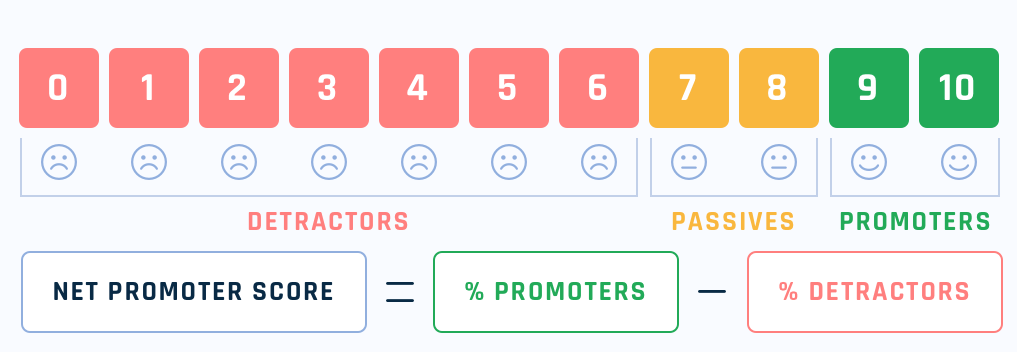
When evaluating external audiences, one dominant metric reigns supreme. The Net Promoter Score (NPS) is a metric used to measure external customer satisfaction and loyalty. By asking a simple question—"On a scale of 0 to 10, how likely are you to recommend our product to a friend or colleague?"—NPS provides a definitive mathematical read on whether external expectations were merely met, or truly exceeded.
Ultimately, managing stakeholder expectations is the art of aligning human perception with project reality. Through rigorous identification, precise classification, and relentless monitoring, you ensure that when the metaphorical bridge is finally built, it is exactly the structure the community was waiting to cross.