Plan and Manage Resources
Not sure you’re ready?
Take the ~3-minute readiness diagnostic and see where you stand.
Imagine a sprawling commercial construction site at dawn. The heavy steel I-beams must arrive precisely as the crane becomes available, and the structural engineers must be on-site the moment the foundation cures. If the beams arrive late, the crane sits idle at a cost of thousands of dollars per hour; if the engineers are double-booked on another project, the entire schedule cascades into a devastating delay. This intricate ballet of aligning human intellect and physical materials with the relentless march of time is the essence of resource management. Delivering on modern business objectives requires moving beyond mere scheduling. It demands an absolute mastery of supply, capability, constraints, and timing.

Before you deploy a single dollar or assign a single task, you must architect the rules of engagement. This blueprint is the Resource Management Plan, a core subsidiary of your comprehensive project plan. A Resource Management Plan defines how project resources are categorized, allocated, managed, and released. It is the governing philosophy of your project's supply chain and talent pool.
In the project management ecosystem, we broadly classify our assets into two distinct domains:
- Physical resources: These include the equipment, materials, facilities, and infrastructure required for a project. Think of the servers in a data center rollout, or the cement and excavators in a bridge build.
- Team resources: These refer to the human resources or personnel with the necessary skills to perform project work. These are the software developers, the financial analysts, and the specialized technicians.

To make sense of the sheer volume of resources required for complex initiatives, project managers utilize a Resource Breakdown Structure (RBS). Much like a Work Breakdown Structure (WBS) decomposes deliverables, a Resource Breakdown Structure is a hierarchical representation of resources by category and type.
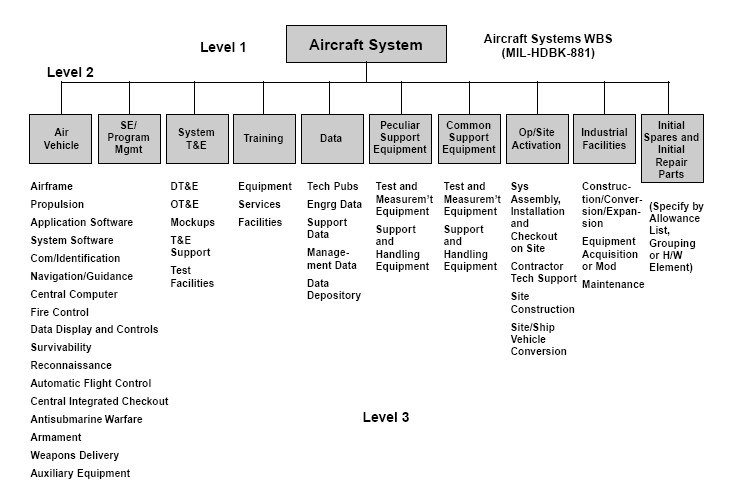
Why the RBS Matters: A Resource Breakdown Structure helps project managers organize and report resource utilization schedule data. By rolling up data hierarchically, you can easily tell stakeholders exactly how many labor hours or equipment leases are allocated across the entire enterprise portfolio.
Once the rules are established, you must confront reality: What exactly do we need, and how much of it?
The Estimate Activity Resources process answers this dual-pronged question. First, the Estimate Activity Resources process determines the type and quantity of materials, equipment, and supplies required for a project. Simultaneously, the Estimate Activity Resources process determines the type and quantity of human resources required for project activities.
To calculate these quantities, project managers leverage a spectrum of estimating techniques, ranging from the rapid-but-rough to the slow-but-precise:
- Analogous estimating: This technique uses historical data from a similar past project to estimate current project resource needs. If installing the HVAC system in Building A took 500 labor hours, you estimate Building B will take roughly the same. It is top-down, quick, and highly dependent on the true similarity of the projects.
- Parametric estimating: This method introduces mathematics to the equation. Parametric estimating uses a statistical relationship between historical data and other variables to calculate project resource quantities. If history shows that coding a login module takes precisely 4 hours per field, and your new module has 10 fields, your parametric estimate is 40 hours.
- Bottom-up estimating: The most granular approach. Bottom-up estimating aggregates individual estimates of lower-level project components to determine total resource requirements. You ask the workers themselves to estimate the smallest tasks, then roll them up. It is the most accurate, but also the most time-consuming to generate.
Having estimated your needs, you must now map your talent to the specific work. Ambiguity in role assignment is the silent killer of project momentum. To eradicate this ambiguity, we use a Responsibility Assignment Matrix (RAM), which illustrates the connections between work packages and project team members.
The most universally recognized type of Responsibility Assignment Matrix is the RACI chart. The acronym RACI stands for Responsible, Accountable, Consulted, and Informed:
- Responsible: The person actually doing the work.
- Accountable: The person whose head is on the block if the work fails.
- Consulted: Subject matter experts asked for input.
- Informed: Stakeholders kept in the loop on progress.
Crucial PMP Rule: In a RACI chart, only one person can be assigned the Accountable role for a specific activity. If two people are accountable, no one is accountable.
However, knowing who will do the work is useless if you don't know when they can do it. This introduces the resource calendar, which defines when and for how long specific resources are available during the project. A resource calendar identifies the working days and shifts upon which specific resources are available, accounting for public holidays, planned vacations, and operational maintenance windows.
In a matrix organization, project managers rarely "own" their human resources outright. You must fight for the talent you need. Consequently, project managers often must negotiate with functional managers to acquire necessary internal personnel for a project.
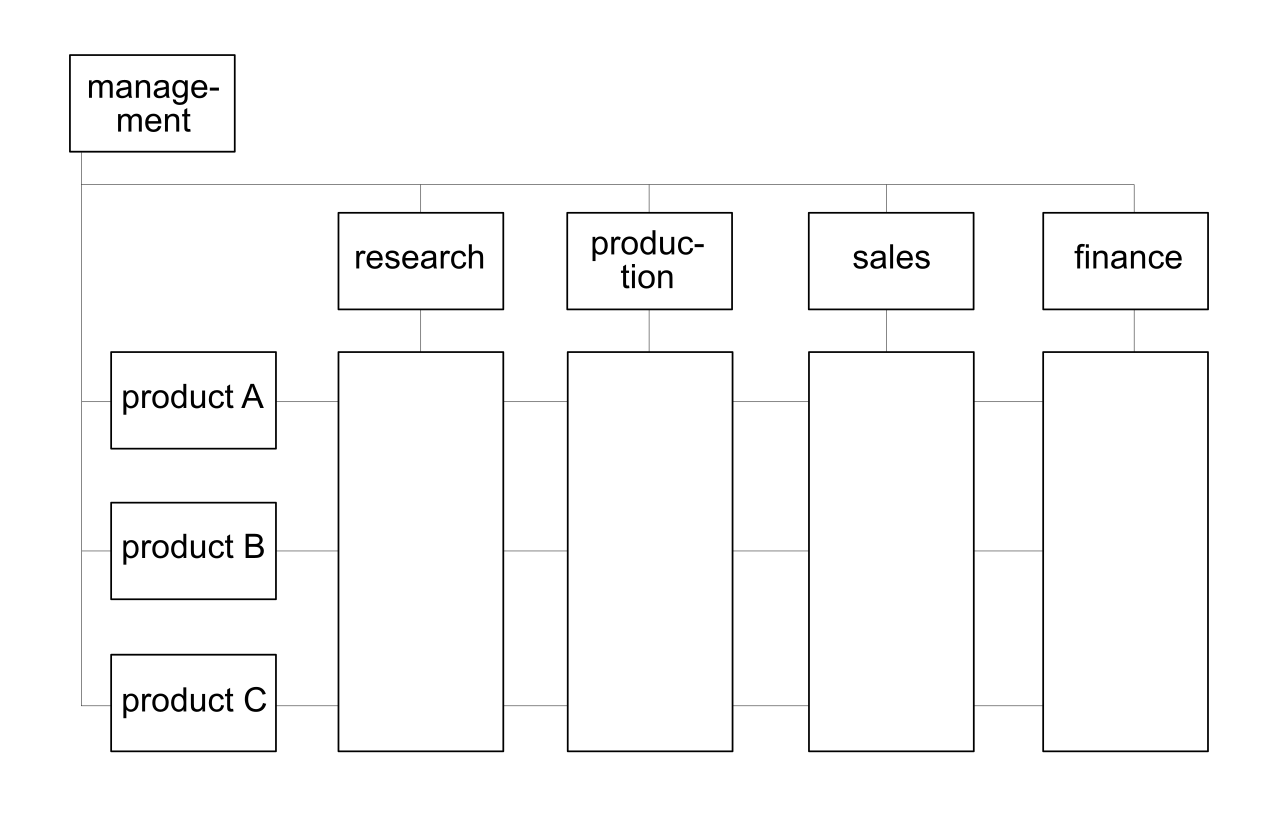
When evaluating multiple candidates or vendors, you cannot rely on gut feeling. Multi-criteria decision analysis utilizes a matrix to systematically evaluate and score potential resources based on criteria like availability and cost, alongside experience and geographic location.
Occasionally, you bypass the negotiation phase entirely through pre-assignment. Pre-assignment occurs when project team members are selected in advance due to specific expertise or contractual obligations. (e.g., The client’s contract stipulates that Dr. Smith, and only Dr. Smith, will be the lead structural engineer).
You have planned your work and acquired your team. But inevitably, mathematical reality strikes: you have scheduled an engineer for 60 hours of work in a 40-hour week.
We visualize these collisions using resource histograms, which are bar charts illustrating the number of resources needed per time period. A resource histogram helps identify periods where resource requirements exceed resource capacity, creating a visual mountain of overallocation.
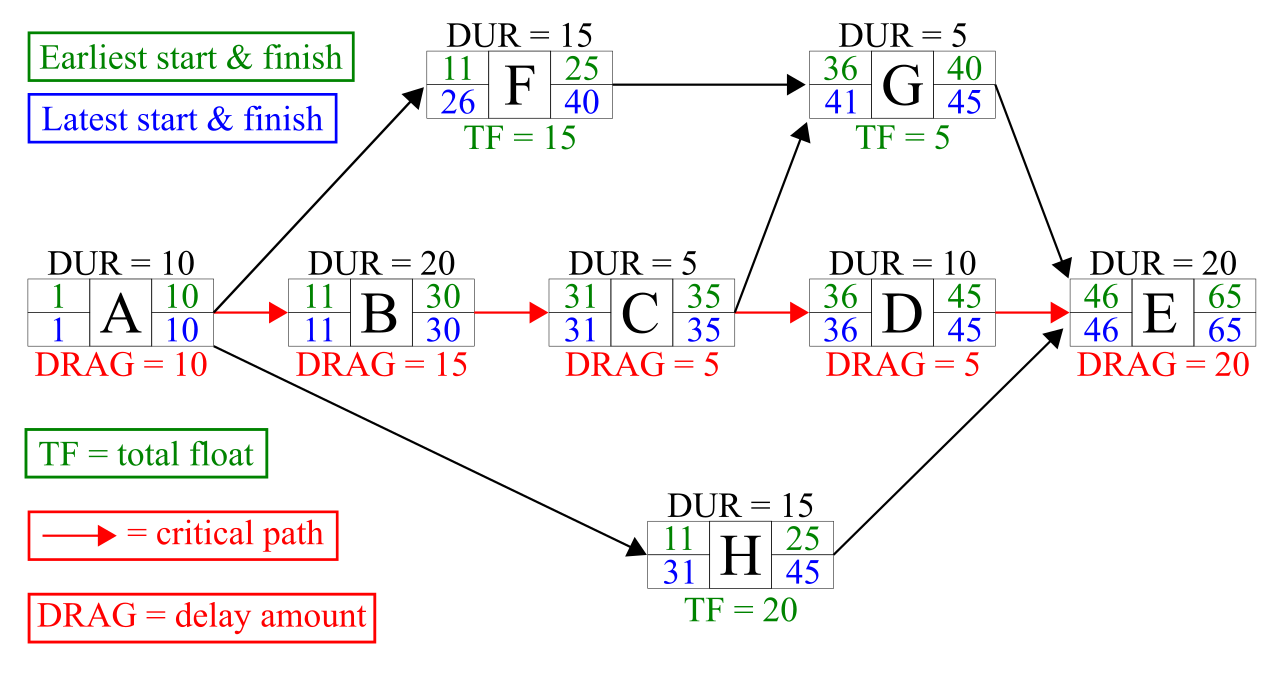
To flatten that mountain, we deploy resource optimization techniques, which are used to adjust the start and finish dates of activities to balance resource demand with available supply.
You must master two fundamentally different optimization techniques: Resource Leveling and Resource Smoothing.
| Feature | Resource Leveling | Resource Smoothing |
|---|---|---|
| Primary Goal | Adjusts start and finish dates based on resource constraints with the goal of balancing resource demand. | Adjusts the activities of a schedule model such that the requirement for resources does not exceed predefined resource limits. |
| Schedule Impact | Can change the critical path of a project schedule. (The schedule bends to the resource limits). | Does not change the critical path of a project schedule. (The resource limits bend to the schedule). |
| Mechanism | Delays activities, extending the project end date if necessary to ensure no resource is overallocated. | Resource smoothing only delays activities within their free and total float. |
Everything discussed so far is heavily predictive (waterfall). When managing iterative, adaptive projects, the physics of resource management change entirely.
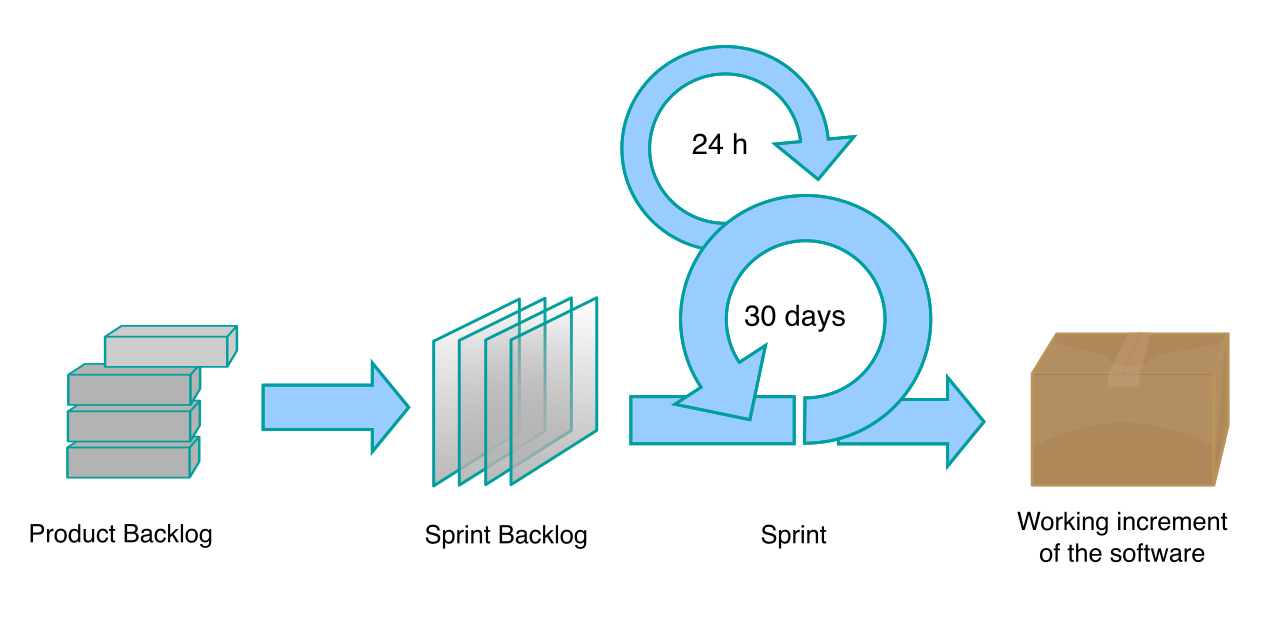
Instead of command-and-control assignments from a project manager, Agile projects utilize self-organizing teams to determine resource assignments based on the prioritized product backlog. The team pulls the work; the work is not pushed onto the team.
Furthermore, Agile capacity planning focuses on team velocity and availability per iteration rather than estimating individual activity durations in advance. You do not ask, "How many hours will task X take?" You ask, "How many story points can this team complete in a two-week sprint based on historical performance?"
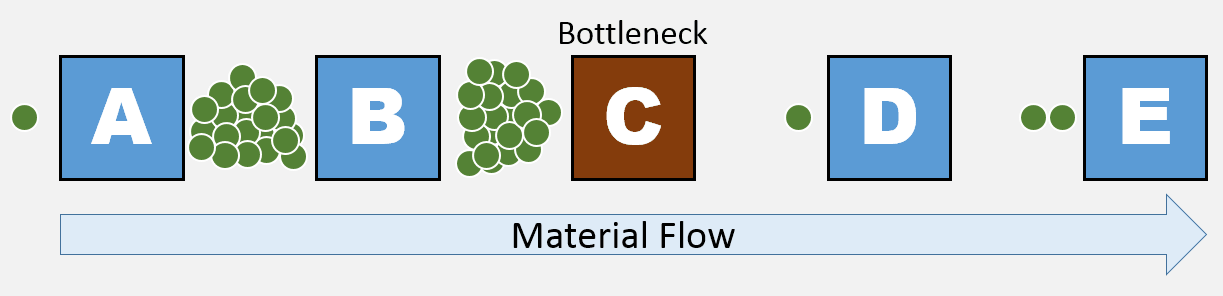
To maximize this agile velocity, you must rethink the ideal team member profile. Traditional project management often relies on highly specialized, single-function workers. In contrast, agile teams favor generalized specialists—individuals with deep expertise in one area and broad knowledge in other areas (often referred to as "T-shaped" profiles). Why? Because agile teams favor generalized specialists to reduce bottlenecks caused by single points of failure in resource availability. If the sole QA tester is sick, a developer with broad QA knowledge can step in, keeping the sprint flowing.
As the project unfolds, your focus shifts to oversight. A vital distinction to internalize for the PMP exam is that you control physical resources, but you manage people.
The Control Resources process ensures that the assigned physical resources are available to the project at the right time and place. It is deeply analytical. The Control Resources process involves monitoring planned versus actual resource utilization—checking if you are burning through your server budget or raw materials faster than expected.
In the physical supply chain, excessive inventory is a vulnerability, tying up capital and space. Therefore, elite project managers utilize Lean resource management, which emphasizes minimizing waste by acquiring resources exactly when they are needed. The highest expression of this is Just-in-Time, a Lean inventory management strategy designed to increase efficiency by receiving goods only as they are needed.
Meanwhile, for human resources, we employ the Manage Team process, which tracks team member performance and provides feedback to optimize project execution. This includes resolving conflict, providing coaching, and ensuring psychological safety.
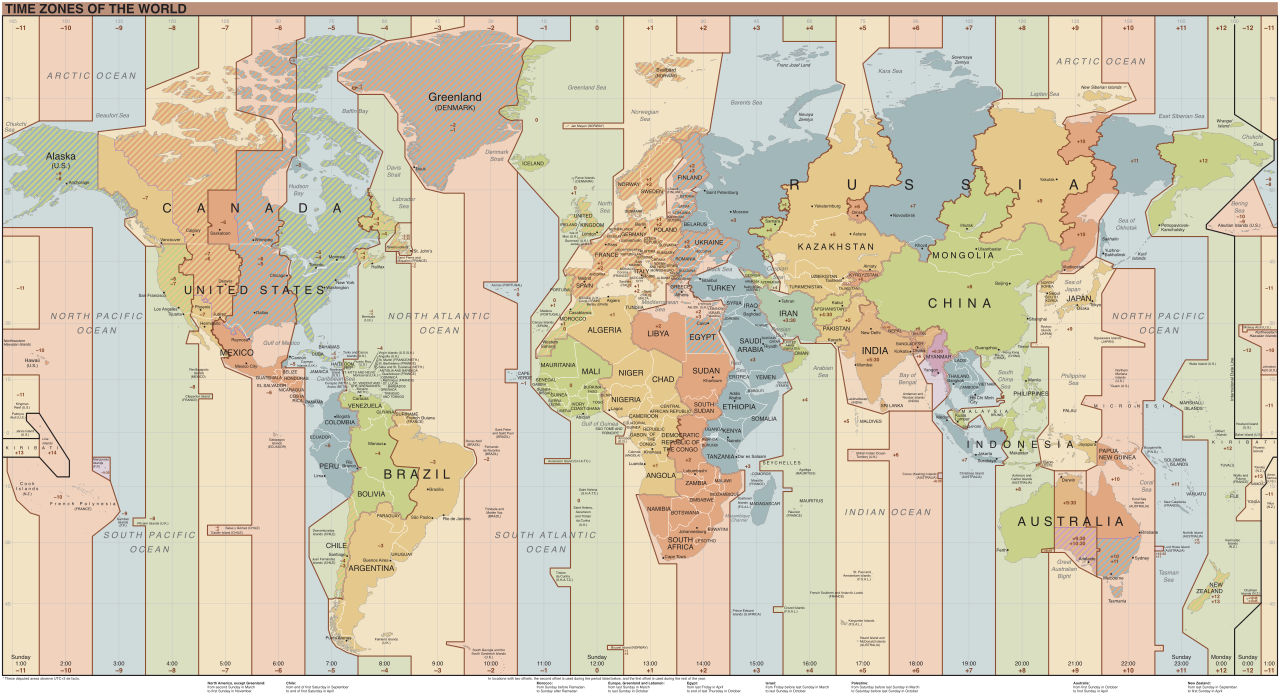
Increasingly, managing the team means managing across time zones and screens. Virtual teams are groups of people with a shared goal who fulfill their roles with little or no time spent meeting face-to-face. While cost-effective, virtual teams present unique risks to cohesion and clarity. Therefore, proactive communication planning is critical for virtual teams to mitigate the lack of face-to-face interaction.
Mastering project resources is not simply about filling out a spreadsheet. It is about deeply understanding the interplay between human capability, physical constraints, and the immovable boundaries of time. By mastering these frameworks, from analogous estimating to agile capacity planning, you transform the chaotic noise of project execution into a highly tuned engine of strategic delivery.