Plan and Manage Risk: Execution
Not sure you’re ready?
Take the ~3-minute readiness diagnostic and see where you stand.
A project baseline is a static hypothesis about a dynamic future. The moment execution begins, the environment pushes back. Vendors miss deadlines, servers fail, stakeholders change their minds, and unseasonal weather halts construction. To execute a project successfully is to recognize that uncertainty is not a flaw in the plan; it is the fundamental medium in which project managers operate.
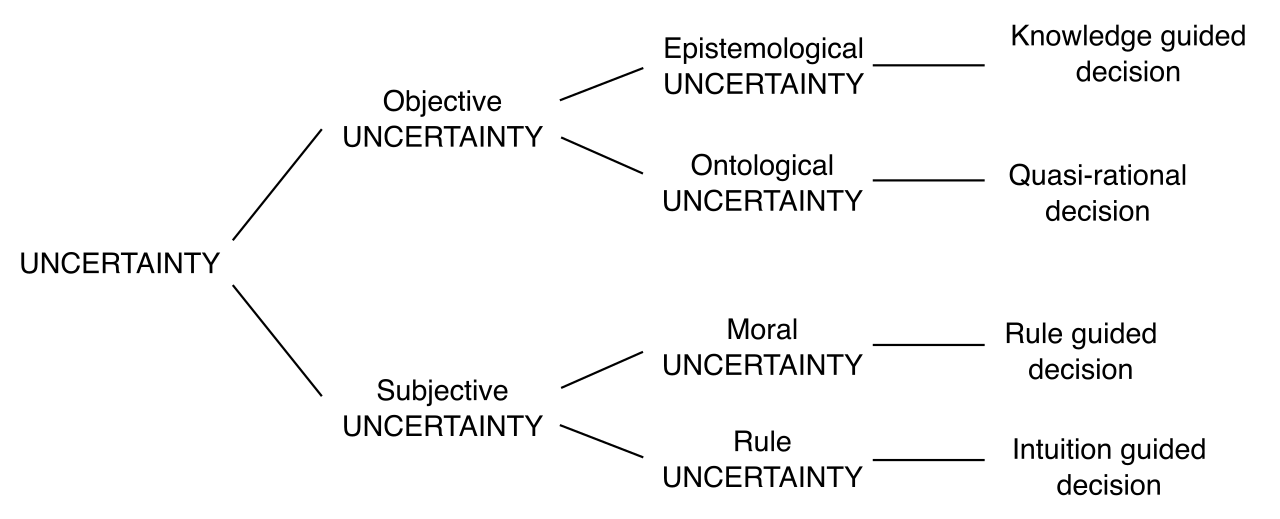
The discipline of executing a risk management plan shifts our posture from reactive firefighting to proactive navigation. We are no longer merely hoping the map is accurate; we are reading the terrain, measuring the wind, and adjusting our sails in real time.
Risk monitoring is the perceptual engine of project execution. Risk monitoring requires tracking identified project risks continuously throughout the project lifecycle while simultaneously keeping a watchful eye on the horizon, as risk monitoring involves identifying new project risks continuously as the project progresses.
How do we detect these new threats and opportunities? We look for friction. Project teams compare work performance information against baseline metrics to identify potential new risks. If a development team is consistently taking 20% longer to complete user stories than planned, that schedule variance is not just a metric—it is a breeding ground for future risks, such as team burnout or budget overruns.
Two highly specific analytical tools elevate this monitoring from intuition to empirical science:
- Technical performance analysis compares technical accomplishments during execution to the schedule of technical achievement. If your engineering team promised that by month three the new battery prototype would hold a charge for 10 hours, but it currently only holds 6, the technical performance gap alerts you to severe impending risks regarding product viability.
- Reserve analysis compares the amount of remaining contingency reserves to the amount of remaining project risk. Think of this as your financial fuel gauge. If you have spent 80% of your contingency budget but only resolved 20% of your identified risks, you are structurally insolvent regarding risk exposure and must course-correct immediately.
The Agile Rhythms of Vigilance
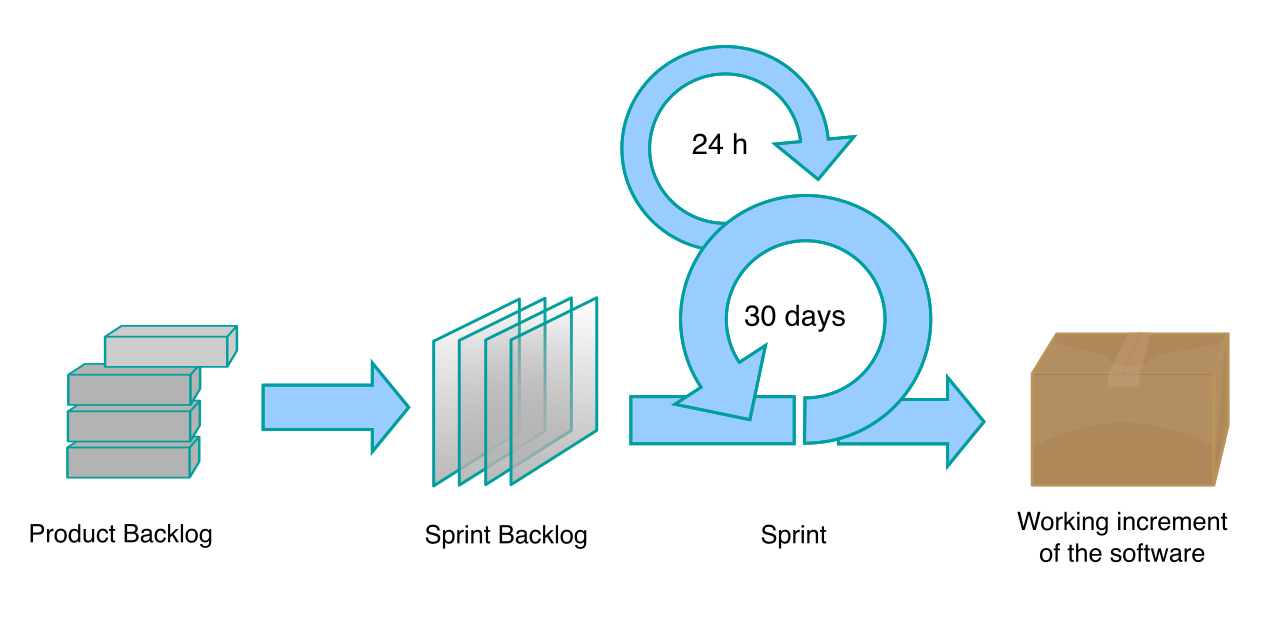
In predictive (Waterfall) projects, risk monitoring often follows a scheduled cadence of formal meetings. Agile environments, by contrast, weave this vigilance directly into the daily fabric of the team's work.
- Agile project teams continuously monitor risks during daily stand-up meetings. When a developer states, "I am blocked by the database migration," they are surfacing an immediate risk.
- Zooming out, Agile project teams continuously monitor risks during sprint retrospectives, analyzing process inefficiencies to prevent workflow risks in future iterations.
If risk monitoring is the perceptual engine, the risk register is its memory. Far from a static spreadsheet abandoned after the planning phase, a risk register is a living document updated regularly throughout the project lifecycle.
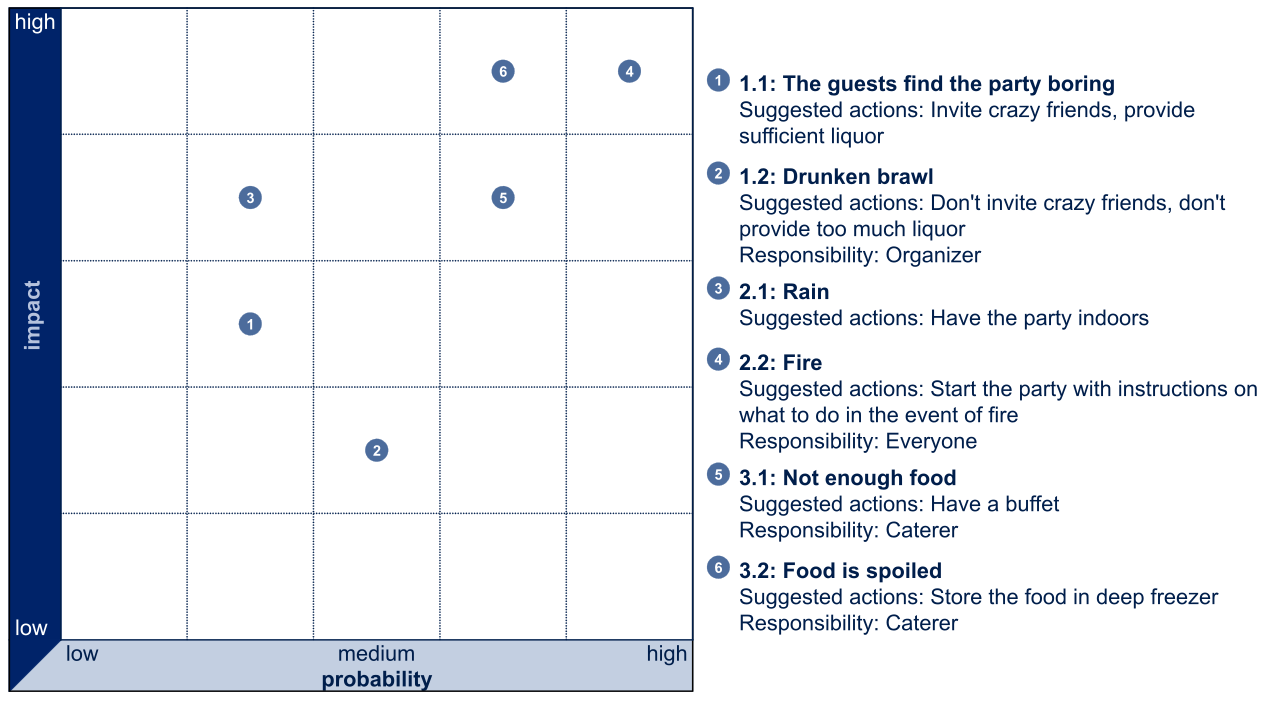
The risk register records the detailed characteristics of all identified individual project risks. But a static record quickly becomes a dangerous liability. As execution data rolls in, reality replaces theory. Therefore, updating a risk register involves modifying the probability of existing risks based on new execution data, as well as modifying the impact of existing risks based on new execution data. If a key supplier opens a new warehouse nearby, the probability of shipping delays drops.
Crucially, updating a risk register involves formally closing out outdated risks. A risk related to a winter blizzard must be formally closed when spring arrives. Cluttering your register with expired threats dilutes your team's focus.
Ownership and Activation
Every risk in the register must have an assigned name attached to it. A risk owner is the individual responsible for monitoring a specific assigned risk, and simultaneously, a risk owner is the individual responsible for implementing the agreed-upon risk response for an assigned risk.
Risk owners do not act on a whim; they act on signals. Risk triggers are specific events indicating that a risk is about to occur, or conversely, specific events indicating that a risk has occurred.
When the environment pushes back, the project manager pushes forward. Executing a risk management plan requires implementing planned risk responses upon the activation of risk triggers.
Understanding the hierarchy of risk responses is vital for the PMP exam and for practical survival in project management:
| Response Type | Characteristics & Triggers |
|---|---|
| Contingency Plans | Predefined risk responses executed exclusively upon the activation of specific risk triggers. (e.g., If the server temperature exceeds 90°C, then switch to backup cooling.) |
| Fallback Plans | Executed when a primary contingency plan fails to effectively mitigate a risk. (e.g., If the backup cooling fails, then shut down the server entirely to prevent a fire.) |
| Workarounds | A workaround is an unplanned response to an unexpected negative project event. This is the "duct tape" deployed when a risk occurs that was never identified in the register, or when all predefined plans fail. |

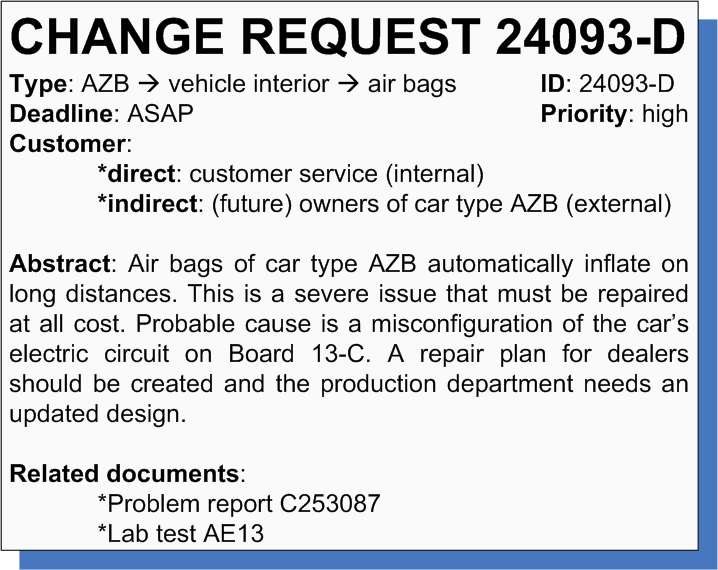
The Cost of Action: Baselines and Change Control Action is rarely free. Executing a risk response may require submitting a formal change request to the change control board. Specifically, a change request is mandatory if a risk response alters the project cost baseline or if a risk response alters the project schedule baseline. If your contingency plan requires hiring a $15,000 specialized contractor to fix a defect, you cannot simply spend the money quietly; you must secure formal authorization to alter the baseline.
The Ripple Effects: Secondary and Residual Risks
Every action has an equal and opposite reaction. When you deploy a risk response, you change the project environment, which inevitably breeds new conditions.
- Secondary risks are new risks created as a direct outcome of implementing a risk response strategy. If you mitigate the risk of a late delivery by mandating weekend overtime, the secondary risk is increased employee burnout and higher defect rates.
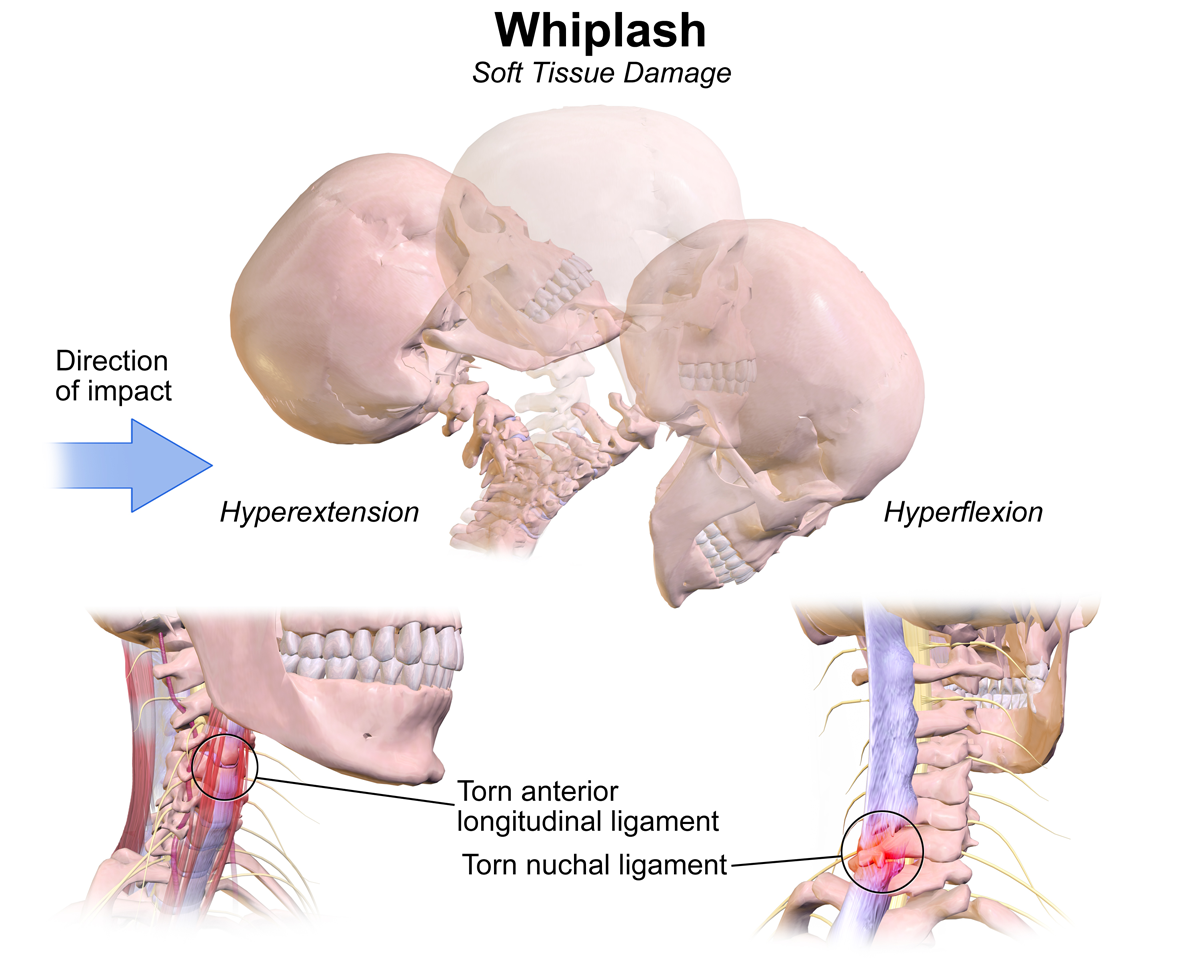
- Residual risks are remaining risks expected to persist after planned risk responses have been taken. If you wear a seatbelt to mitigate the risk of injury in a crash, the remaining chance of getting whiplash is your residual risk.
Modern project managers must be fluent in the specific risk vocabularies of technical and corporate domains.
Information Technology (IT) Security Risks Cyber threats move at the speed of light, making vague mitigation strategies useless. Information technology security risks require specific documented warning triggers in the risk register—such as a sudden spike in failed login attempts or irregular outbound data packets. When formulating strategies, information technology security risk responses often involve transferring risk liability through cyber insurance policies (shifting the financial burden to a third party) and mitigating risk probability through enhanced network protocols (such as implementing multi-factor authentication or zero-trust architecture).
_(42286852310).jpg)
Sustainability Risks Projects do not exist in a vacuum; they leave footprints. Sustainability risk management addresses the long-term environmental impacts of project deliverables, such as carbon emissions, toxic waste, or resource depletion. Furthermore, sustainability risk management addresses the long-term social impacts of project deliverables, such as fair labor practices in your supply chain or the economic displacement of a local community.
It is entirely possible to execute a flawed risk management plan perfectly. To prevent this, we must audit our own processes.
- Risk audits evaluate the effectiveness of the overall risk management process. (e.g., Are our weekly risk meetings actually uncovering threats, or are they just administrative theater?)
- Furthermore, risk audits evaluate the effectiveness of specific risk response strategies. (e.g., We deployed the enhanced network protocols, but did they actually reduce the probability of a data breach as intended?)
A risk identified but uncommunicated is merely a secret, and secrets destroy projects. Risk status communication ensures project stakeholders remain aware of current project threat levels, and equally important, ensures project stakeholders remain aware of current project opportunity levels. (We must not forget that positive risks—opportunities—require just as much execution and communication as threats).
The Architecture of Risk Reporting
Communication is not haphazard. Risk impact communication must align perfectly with the stakeholder communication requirements defined in the communications management plan. You do not send a deeply technical log file to a financial sponsor; you translate it into business impact.
To formalize this data, we use specific reporting tools:
- A risk report summarizes critical information regarding individual project risks (such as the top three immediate threats) and summarizes the level of overall project risk exposure (the aggregate variance and total contingency at stake).
- In predictive settings, project managers typically communicate ongoing risk status through regular project status reports.
- In Agile environments, transparency is ambient. Agile teams often use visual information radiators to communicate current risk status to all stakeholders. Walking into an Agile team room, you should be able to see the risk posture without asking a single question.
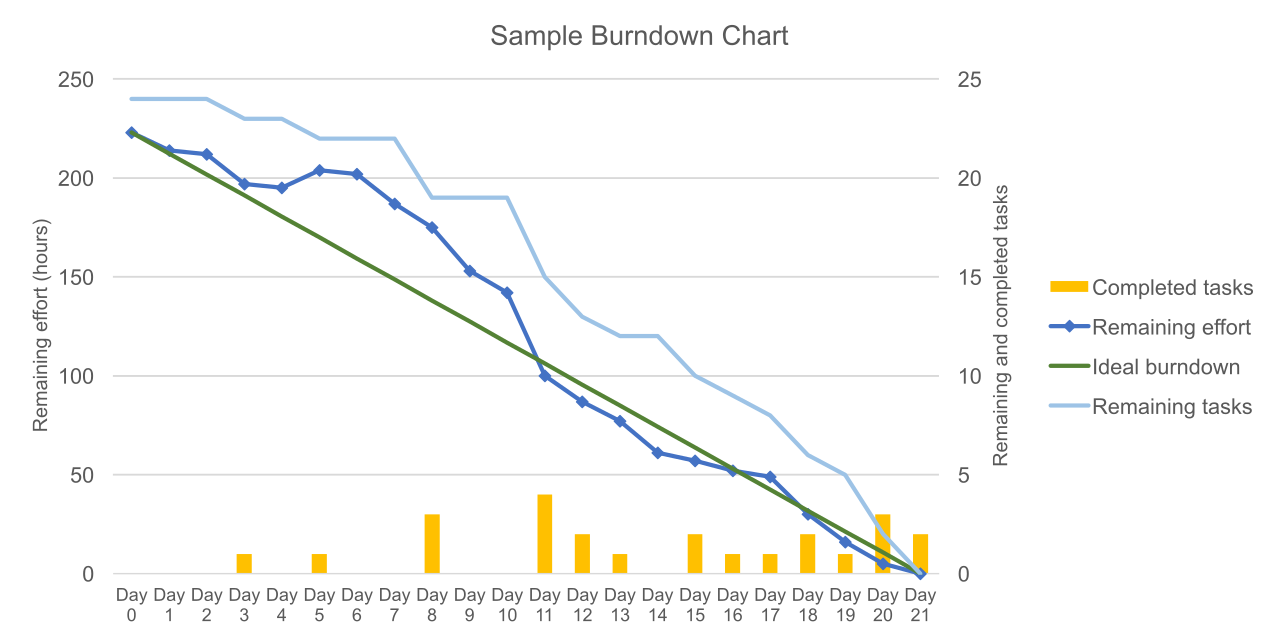
- A powerful tool for this visual communication is the risk burndown chart, which tracks the cumulative severity of identified project risks over time. Just as a sprint burndown tracks remaining work, a risk burndown shows whether the project is becoming safer or more dangerous as time progresses.
Escalation and Reassessment
Project risk is inherently volatile. When the ground shifts, leadership must know. Project managers must communicate the outcomes of periodic risk reassessments to the project sponsor, ensuring that the entity funding the project understands the evolving risk landscape. If a newly discovered vulnerability fundamentally alters the viability of the project, silence is professional malpractice. Project managers must promptly communicate any significant changes in overall project risk exposure to relevant stakeholders.
Executing risk management is not a task you complete; it is an environment you inhabit. By rigorously monitoring performance, maintaining a hyper-accurate risk register, decisively executing predefined plans, and transparently communicating the reality of the project's exposure, you transform uncertainty from a source of fear into a predictable, manageable variable in the equation of project success.