Continuous Improvement
Not sure you’re ready?
Take the ~3-minute readiness diagnostic and see where you stand.
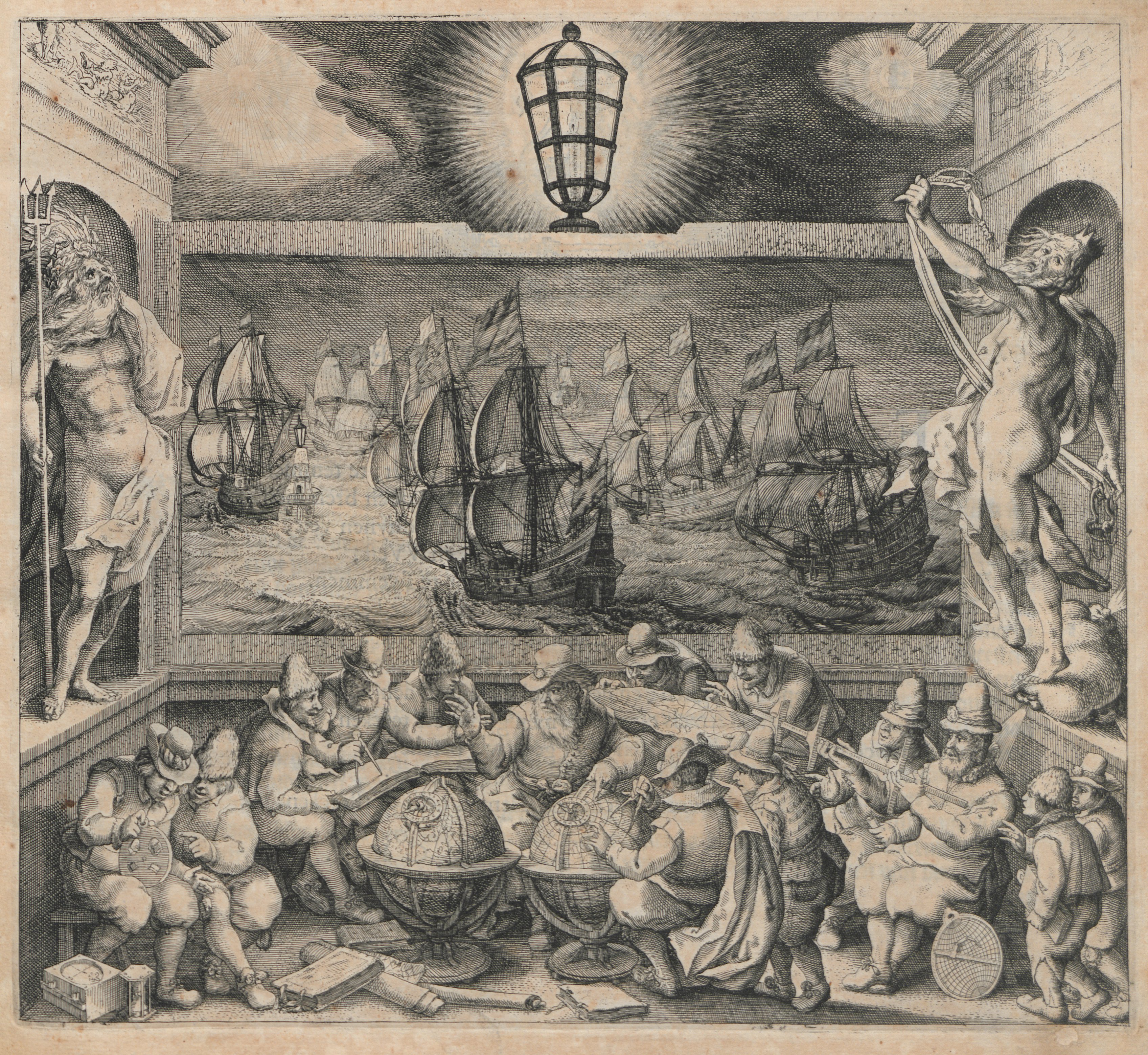
Consider the act of navigating a ship across an uncharted ocean. If the captain only consults the map drawn at the port and ignores the changing winds, the hidden shoals, and the wear on the rigging, the voyage is doomed. A project is no different. It is not a static execution of a master plan; it is a dynamic, evolving system that must learn from its own friction. Every missed deadline, every unexpectedly brilliant shortcut, and every quality defect is a signal. The discipline of project management does not just demand that we reach the destination, but that we emerge from the journey with a smarter crew, a tighter ship, and a better map for those who follow. This is the essence of continuous improvement and knowledge management: the systematic capture of experience to refine our processes, update our organizational assets, and fundamentally alter how we work for the better.
Before we can improve a process, we must understand the nature of the information we are capturing. In project management, the Manage Project Knowledge process focuses on using existing organizational knowledge and creating new knowledge to achieve project objectives. It bridges the gap between what the organization already knows and the novel insights your current project will uncover.
Knowledge, however, does not come in just one flavor. We must distinguish between two fundamental types:
- Explicit Knowledge: Think of this as the recipe. Explicit knowledge can be codified and formally documented using words, pictures, or numbers. Standard operating procedures, architectural blueprints, and financial spreadsheets (e.g., a budget of $500,000) are all explicit. They are easy to share and store.
- Tacit Knowledge: Think of this as the chef’s intuition. Tacit knowledge consists of personal beliefs, experiences, and insights that are difficult to articulate in formal documented form. It is the seasoned project manager's "gut feeling" about a stakeholder's unstated expectations, or a senior developer's intuitive knack for spotting brittle code.
The goal of continuous improvement is often to translate valuable tacit knowledge—the "lessons learned" in the heat of delivery—into explicit knowledge that the rest of the organization can use.
Improvement should not rely on random strokes of genius. We rely on systematic frameworks to analyze and upgrade our workflows.
At the foundational level, we rely on a process improvement plan, a subsidiary component of the project management plan that details the specific steps for analyzing project management processes to identify potential workflow enhancements. Guided by this plan, the team conducts process analysis, which specifically identifies non-value-added activities to optimize overall project delivery performance.
When we look for models to guide this analysis, we turn to several canonical industry frameworks:
Continuous Improvement (Kaizen) and PDCA
Continuous improvement, often called Kaizen, involves making small and incremental changes to processes to enhance overall efficiency and quality. It assumes that a thousand 1% improvements are often more sustainable than one massive, disruptive overhaul.
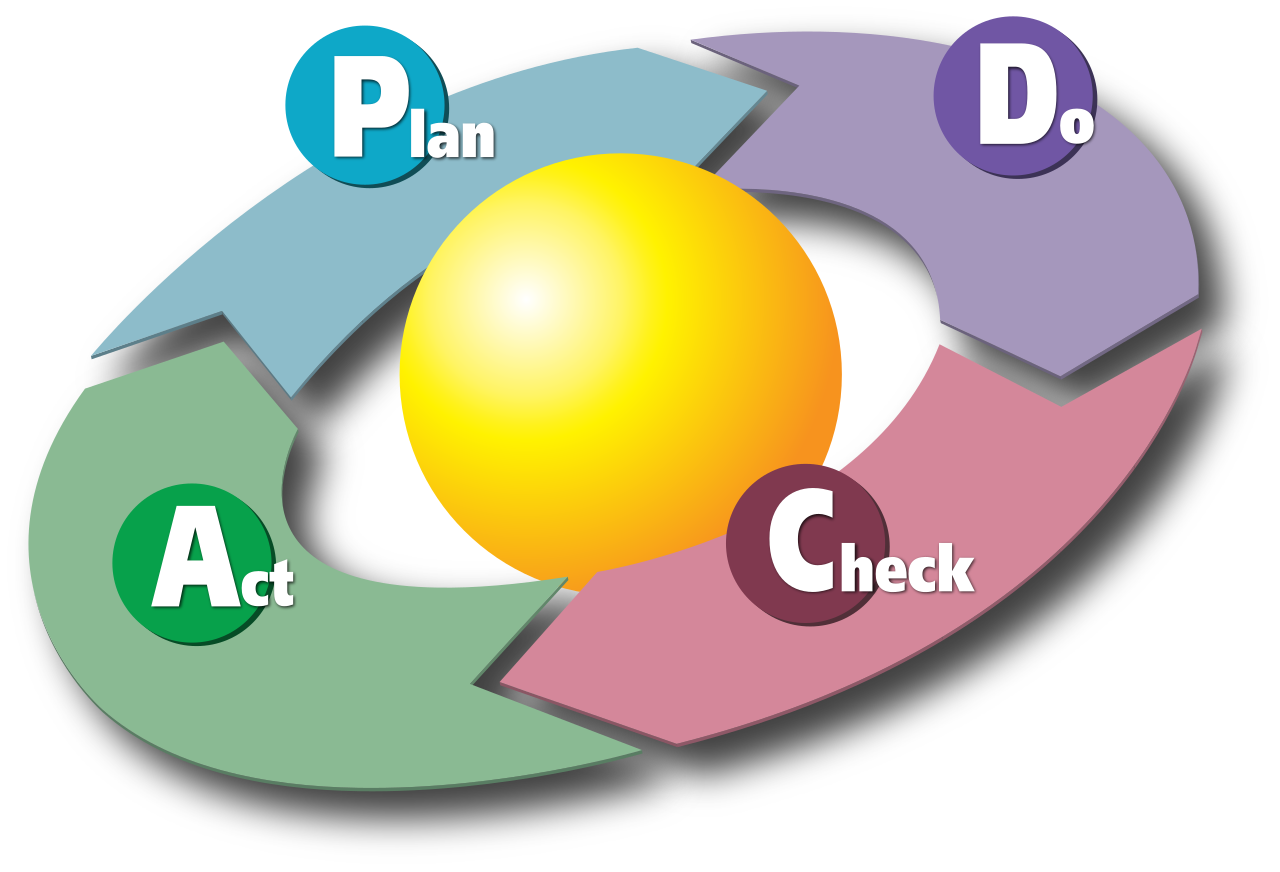
The engine powering Kaizen is the Plan-Do-Check-Act cycle, a four-step management method used for the control and continuous improvement of processes and products. W. Edwards Deming popularized the Plan-Do-Check-Act cycle, heavily influencing modern quality management. You plan an improvement, do a small test, check the results, and act to standardize it if successful.
Broad-Scale Quality Frameworks
Organizations often adopt specific philosophies to direct their process analysis:
- Total Quality Management (TQM): An organizational approach focused on long-term success through customer satisfaction and continuous process improvement. Under TQM, every employee is committed to maintaining high standards of work in every aspect of a company's operations.
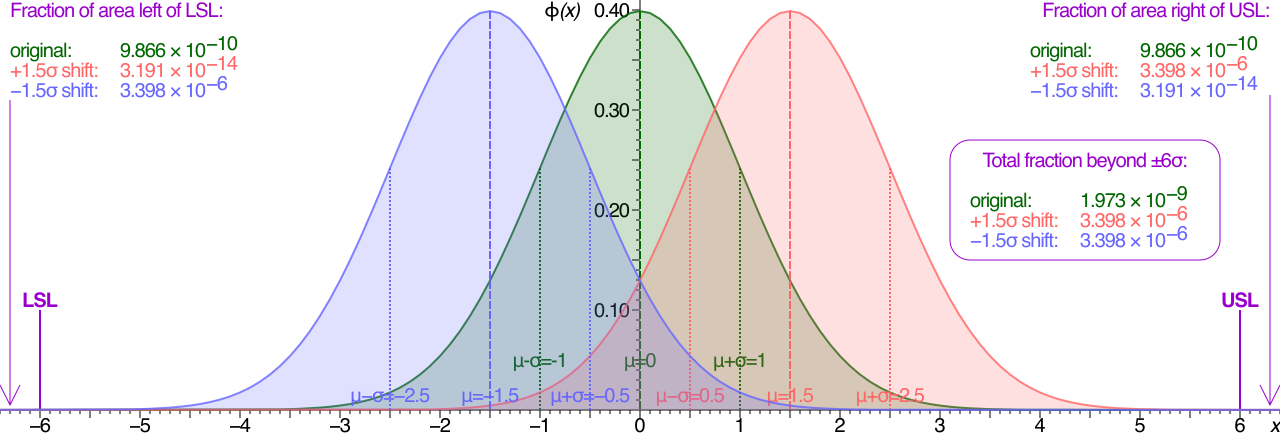
- Six Sigma: A continuous improvement methodology aimed at reducing process variation and eliminating product defects. It is ruthlessly statistical. Six Sigma methodologies aim to reduce defects to a maximum of 3.4 defects per million opportunities.
- Lean Methodology: While Six Sigma targets variation, Lean focuses on maximizing customer value while systematically minimizing operational waste. A core technique here is Value Stream Mapping, a visual lean tool used to document and analyze the flow of materials or information required to deliver a product. By mapping the flow, teams can easily spot bottlenecks and non-value-added steps.
Crucial Distinction: Six Sigma asks, "How do we ensure the engine is built exactly the same way every time without defects?" Lean asks, "Why are we moving engine parts across the factory floor three times before assembly?"
Because no two projects are identical, project managers tailor standard organizational processes to suit the specific characteristics and environment of the current project. You wouldn't use the exact same governance for a massive construction project as you would for a small software update.
However, tailoring is not a one-time event at project initiation. The environment will change. Stakeholders shift, technologies update, and risks materialize. Continuous improvement practices ensure that tailored project processes remain effective as the project environment naturally evolves.
How this continuous improvement feedback loop occurs depends heavily on your chosen project management methodology:
| Methodology | Improvement Mechanism | Execution of Enhancements |
|---|---|---|
| Agile | Agile sprint retrospectives serve as a dedicated ceremony for the project team to collaboratively identify process improvements. | Process improvements identified during an agile sprint retrospective are typically implemented during the subsequent sprint. |
| Predictive | Phase-gate reviews and regular project status meetings evaluate performance against the baseline. | Adjustments are routed through formal change control processes and integrated into upcoming project phases. |
| Hybrid | Hybrid project management approaches combine predictive phase-gate reviews with agile retrospectives to capture comprehensive improvement feedback. | Retrospectives handle micro-level execution improvements iteratively, while phase gates ensure macro-level processes remain aligned with business goals. |
When things go wrong—or surprisingly well—the project team must document the reality of the situation. This is done using a lessons learned register, which is created early in the project lifecycle to document both project challenges and successful strategies. It is a fatal error to wait until the project ends to start writing down lessons; memories fade and tacit insights evaporate. Therefore, project team members update the lessons learned register continuously throughout the entire project execution phase.
To ensure the lessons documented are actually useful, teams must move beyond symptoms and find the disease. If a deliverable fails testing, the "lesson" is not merely "the deliverable failed."
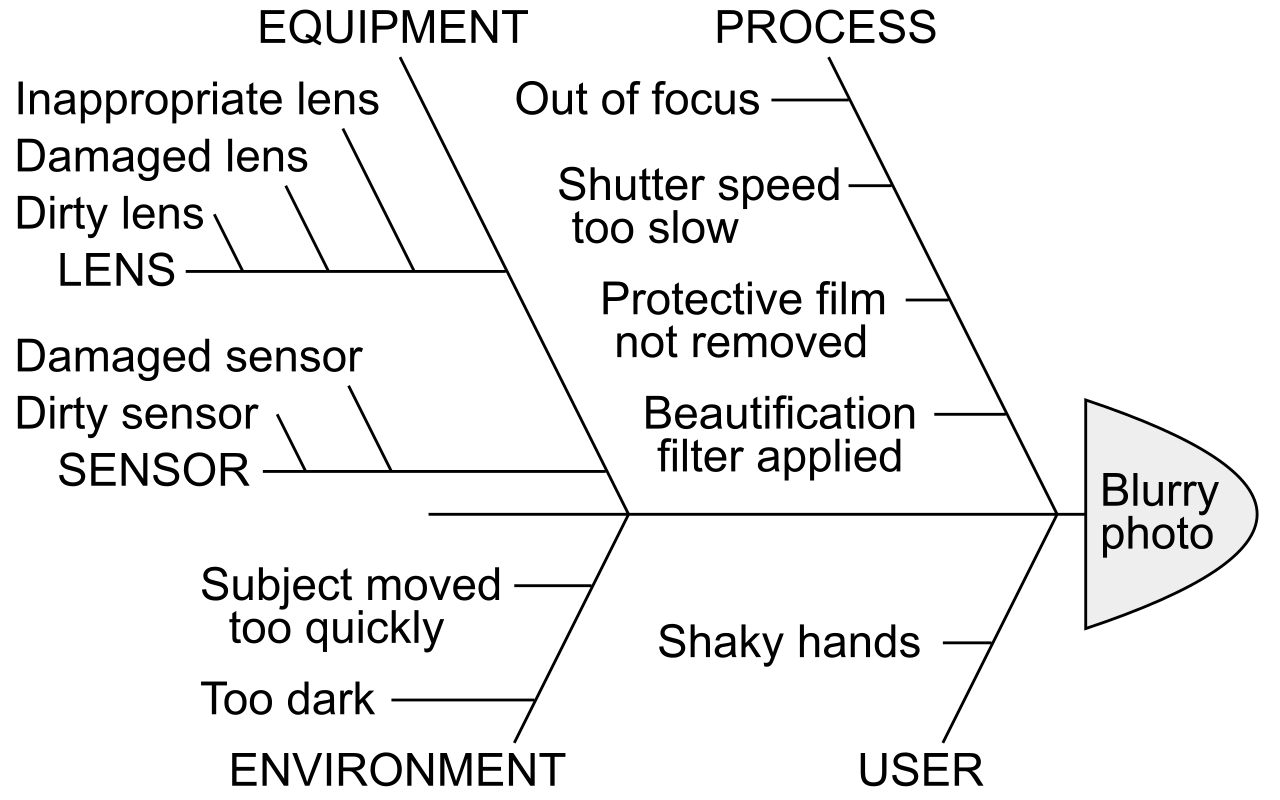
To find out why, teams utilize a fishbone diagram (also known as an Ishikawa diagram), a root cause analysis tool used to identify the underlying reasons for observed process inefficiencies. Identifying root causes of defects allows project teams to implement targeted corrective actions that prevent future occurrences. By addressing the root cause, you fix the system, not just the symptom.
A project is a temporary endeavor, but its resulting knowledge must be permanent. As the project enters the closure phase, we execute post-project evaluations. These evaluations measure the overall success and business value of the completed project delivery. More importantly, post-project evaluations generate documented insights to inform continuous improvement efforts for future organizational initiatives.
At the end of the project, the project manager transfers the final lessons learned register to the organizational lessons learned repository.
This repository is not a standalone hard drive; it is a vital part of the organization's institutional memory. Specifically, the organizational lessons learned repository is a core component of Organizational Process Assets (OPAs).
The Care and Feeding of Organizational Process Assets (OPAs)
Organizational Process Assets encompass the plans, processes, policies, procedures, and knowledge bases specific to the performing organization. They are the cumulative wisdom of every project that has come before yours.
To ensure the next project manager has a better starting point than you did, project managers update Organizational Process Assets with final project reports and historical information during the project closure phase.
At the enterprise level, the project management office (PMO) often standardizes the continuous improvement frameworks across multiple organizational projects. The PMO acts as the curator of these assets.
However, continuous improvement is as much about subtraction as it is about addition. A knowledge base bloated with contradictory rules from 1995 is a liability, not an asset. Therefore, updating continuous improvement processes involves removing outdated standard operating procedures from the active organizational knowledge base.
By actively pruning the obsolete, capturing the tacit, integrating iterative improvements via retrospectives, and formally updating our OPAs, we ensure that our organizations do not just repeat their history, but continuously evolve beyond it.