Arizona Commissioner’s Rules
Not sure you’re ready?
Take the ~3-minute readiness diagnostic and see where you stand.
The architecture of a real estate transaction is inherently fragile, resting almost entirely on the accurate transfer of information and capital between relative strangers. The Arizona Department of Real Estate (ADRE) exists to reinforce this structure, ensuring that the public is not exposed to the whims of untrained or unsupervised actors. The Arizona Commissioner’s Rules form the operational physics of the real estate profession in the state. They define exactly how liability is anchored, how the public’s money is insulated, and how the historical record of every transaction must be preserved. Mastery of these rules is not merely an exercise in legal compliance; it is the fundamental mechanics of conducting a legitimate, secure real estate business.
To understand Arizona real estate law, you must understand where liability pools. Arizona real estate law requires every brokerage firm to have a designated broker. The designated broker is not merely a figurehead or a title; this individual holds absolute responsibility for all real estate activities conducted by the brokerage firm.
Because one human being cannot be everywhere at once, a designated broker must establish written policies and written procedures to ensure compliance with Arizona real estate laws. The broker must exercise reasonable supervision over all salespersons and associate brokers within the brokerage.
The Myth of the "Rent-a-Broker"
If a broker is legally responsible for everything, they must actively manage everything. For this reason, the rent-a-broker arrangement is strictly prohibited under Arizona real estate law. An Arizona broker cannot legally collect a fee for the use of a broker license without actively supervising the associated salespersons. A broker cannot simply hang their license on the wall, head to the beach, and collect a percentage of the agents' commissions.
Document Review and Delegation
To execute this supervision, a designated broker must review all real estate transaction documents generated by the brokerage's licensees. Furthermore, a designated broker must initial all real estate contracts within ten business days of execution.
If a brokerage is large, reading every contract within ten days becomes a logistical bottleneck. To solve this, a designated broker may authorize an associate broker to review and initial real estate contracts on the designated broker's behalf. However, this delegation cannot be informal—a designated broker's authorization for an associate broker to review real estate contracts must be in writing. The designated broker also must review all real estate employment agreements on behalf of the brokerage.

The Flow of Compensation and Employment
Every relationship within the brokerage must be codified. An employing broker must execute a written employment agreement with each affiliated real estate licensee. This real estate employment agreement must clearly indicate whether the affiliated licensee acts as an employee or as an independent contractor.
When a transaction closes, the movement of money is strictly regulated. All compensation paid to a real estate salesperson must flow exclusively through the salesperson's employing broker.
Crucial Application: A real estate salesperson cannot legally receive compensation directly from a real estate client, nor can a salesperson legally receive compensation directly from a cooperating broker. If you close a deal, the title company pays your broker, and your broker pays you. This ensures the designated broker retains ultimate leverage and oversight over the transaction.
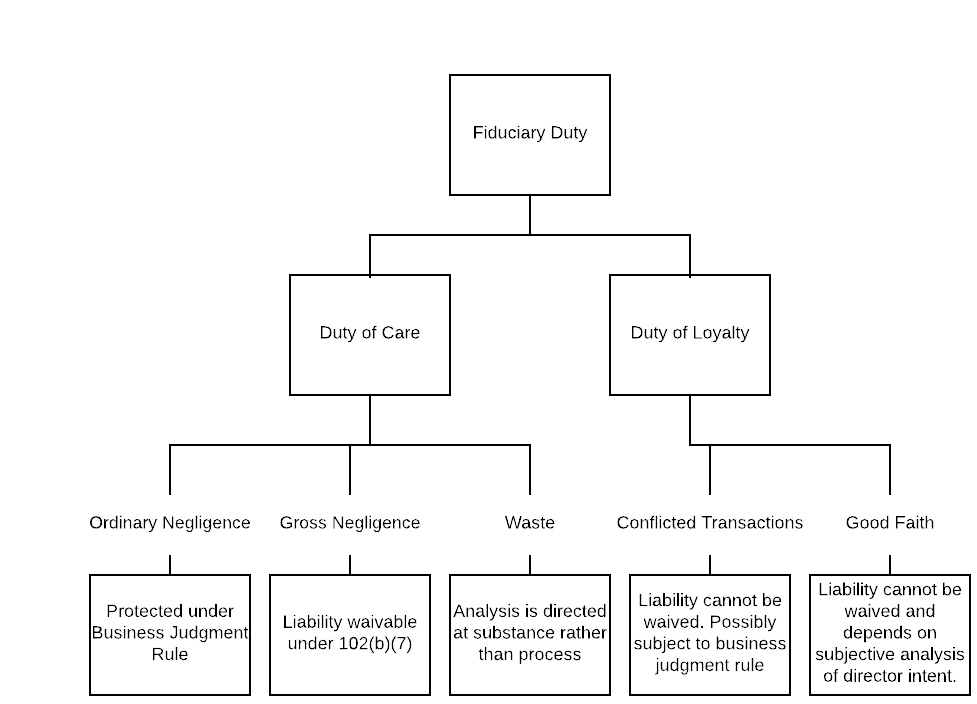
When you hold a client's money, you are holding their trust. A real estate trust account holds money belonging to clients separate from a broker's personal funds and separate from a broker's business funds. Whenever a broker holds these funds, they act as a fiduciary, operating under the highest standard of care and loyalty.
Interestingly, an Arizona real estate broker is not legally required to maintain a trust account for general real estate sales. In a standard home sale, earnest money is typically wired directly to a neutral third-party escrow or title company. However, an Arizona real estate broker is legally required to maintain a trust account when engaging in property management.
Structuring a Property Management Trust Account
Because property managers continuously handle security deposits and rent payments, the state sets strict parameters on where that money sits. Arizona property management trust accounts must be held in federally insured depositories, and those depositories must be located within Arizona.
To ensure the math is always perfect, a designated broker must maintain a monthly trust account bank reconciliation and a monthly client ledger balance for all trust accounts.
The Cardinal Sins: Commingling vs. Conversion
The integrity of a trust account relies on total isolation from the broker's own finances.
- Commingling occurs when a broker mixes personal funds with client trust funds. Arizona law strictly prohibits the commingling of broker funds with client trust funds.
- Conversion is the darker escalation of commingling. Conversion occurs when a broker actually misappropriates client trust funds for unauthorized purposes. If commingling is carelessly dropping your own money into the client's jar, conversion is stealing from the jar to pay your own electric bill.
There is exactly one exception to the strict prohibition on commingling. A broker may legally deposit up to $3,000 of personal money into a trust account specifically to cover bank service charges. Furthermore, if the trust account bears interest, a designated broker must remove any interest earned on a trust account at least once every twelve months to prevent accidental commingling over time.
Arizona law defines real estate advertising broadly: it is any attempt to induce a person to acquire an interest in real property.
This is not limited to billboards or television commercials. Real estate advertising includes oral solicitations targeting potential buyers, written publications targeting potential real estate clients, and social media activity targeting Arizona residents for real estate services. A designated broker must supervise all real estate advertising produced by affiliated licensees.
Broker Identification and Blind Ads
The fundamental rule of advertising is transparency. All real estate advertising must identify the employing broker's legal name in a clear and prominent manner. Alternatively, a real estate advertisement may identify the employing broker's registered doing-business-as (DBA) name instead of the broker's legal name.
When a consumer looks at an ad, they must immediately know which brokerage is responsible. Ads that fail to include the employing brokerage name are called blind ads. Because they hide the chain of liability, blind ads are strictly illegal under Arizona real estate law.
Teams, Signage, and Specific Disclosures
As real estate teams become more popular, advertising rules remain rigid to protect the consumer.
- Team Names: Real estate team advertising must prominently display the employing broker's name alongside the team name. A team name cannot replace the employing brokerage name in any real estate advertisement.
- Signage: You cannot simply stake a sign in a yard because a seller verbally agreed to it. A real estate licensee must obtain a property owner's written permission before placing a sign offering a specific property for sale or for rent.
- The "Acre" Rule: Precision matters. A real estate advertisement cannot use the term acre unless referring to exactly 43,560 square feet of land. "Builder's acres" or approximations are illegal in Arizona ads.
- Licensee Acting as Principal: If you are selling your own house, the public needs to know they are negotiating against a professional. A real estate licensee advertising a personally owned property for sale must prominently disclose the licensee's status as a real estate agent.
A completed transaction is a closed chapter, but the legal liability echoes for years. Lawsuits regarding non-disclosure, fraud, or breach of contract often take years to surface. For this reason, the designated broker must serve as the archivist of the brokerage.
A designated broker must retain all completed real estate transaction records for five years. This five-year retention period begins upon the termination of the real estate transaction (typically escrow closing or contract cancellation). These retained transaction records must include all original real estate contracts, all earnest money receipts, and all closing statements.
Brokerages have modernized, so real estate brokers may store required transaction records electronically or at an off-site storage location. However, a broker must provide prior written notification to the Arizona Department of Real Estate before utilizing an off-site storage location.
Summary of Required Record Retention
| Record Type | Retention Period | Key Inclusions & Triggers |
|---|---|---|
| Completed Transactions | 5 Years | Begins at transaction termination. Includes original contracts, earnest money receipts, closing statements. |
| Rejected Offers (Binding) | 5 Years | If a rejected offer eventually results in a binding contract, it joins the 5-year transaction file. |
| Rejected Offers (Non-Binding) | 1 Year | A designated broker must retain all pure rejected real estate offers for a minimum of one year. |
| PM Residential Rental Agreements | 1 Year | Kept for one year after the expiration of the agreement. Includes tenant move-in forms and tenant default notices. |
| PM Financial Records | 3 Years | Pertaining to clients. Includes client ledgers and bank statements. |
| PM Finder Fees | 3 Years | Property management firms must keep records of finder fees paid to tenants for three years after the payment date. |
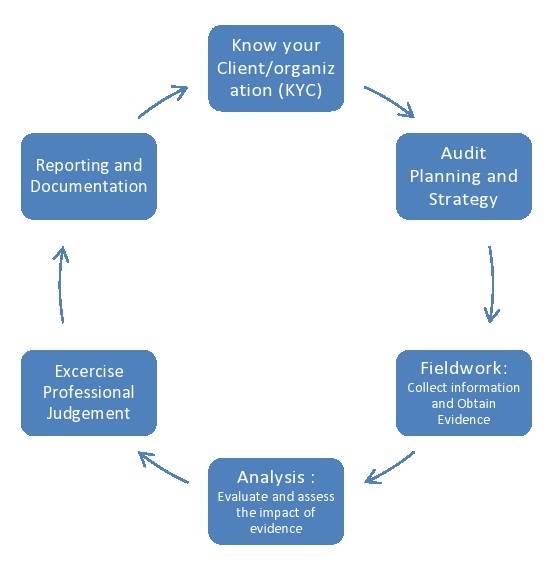
The ADRE ensures compliance through two distinct divisions. The Investigations division reactively probes consumer complaints regarding alleged licensee misconduct. Conversely, the Auditing division proactively examines real estate brokerages for regulatory compliance.
An ADRE audit can result from a scheduled routine compliance check. When this happens, a designated broker must make all requested trust account records and all requested property management account records available. These audits examine a brokerage's financial record-keeping practices, trust account management, and verify the proper execution of broker supervision duties.
The Spot Check and Audit Resolutions
A Spot Check constitutes phase one of an ADRE audit. This Spot Check reviews the main operational components of a brokerage to ensure baseline legal compliance. It is an immediate diagnostic of the brokerage's health.
The goal of the ADRE is primarily corrective, not punitive. Following a routine check, the ADRE provides an audit report to assist a broker in achieving full regulatory compliance. However, if the auditors find something catastrophic—like conversion of trust funds—severe real estate law violations discovered during an audit are forwarded to the ADRE Enforcement division for disciplinary action.
Cease and Desist Orders
If the Arizona Real Estate Commissioner discovers blatantly illegal brokerage activities during an audit, they possess an emergency brake. The Commissioner may issue a Cease and Desist Order.
Definition: A Cease and Desist Order legally compels a real estate licensee to immediately stop violating real estate laws.
It is important to note the mechanical limitation of this order: while it forces an immediate halt to the illegal activity, a Cease and Desist Order does not automatically revoke a real estate license. Formal license revocation requires due process through standard ADRE disciplinary hearings.