Specialty Loans: Reverse, Home Equity, Construction, Bridge
Not sure you’re ready?
Take the ~3-minute readiness diagnostic and see where you stand.
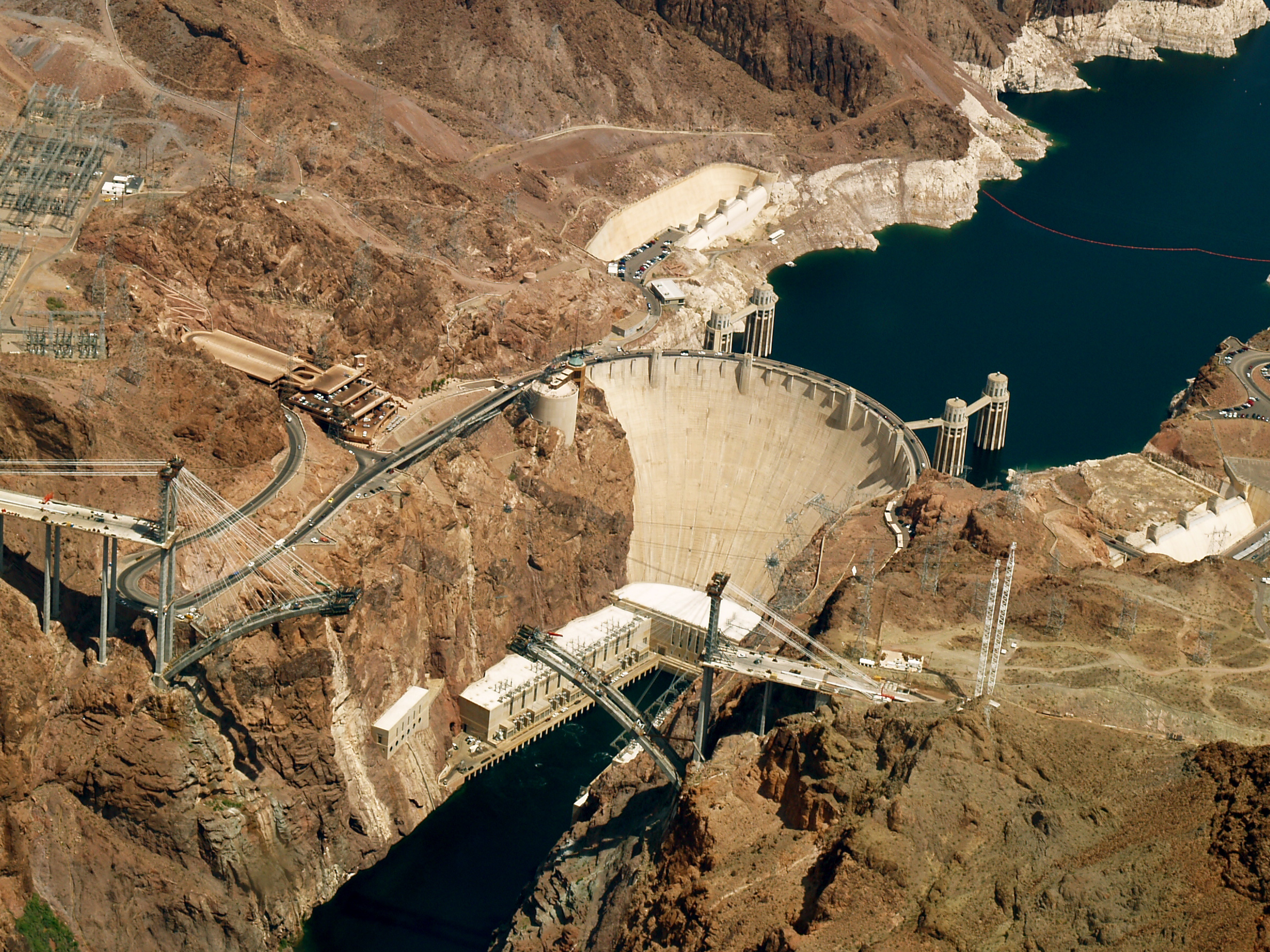
Imagine a reservoir of water held behind a massive concrete dam. For most of a homeowner’s life, that reservoir—their home equity—accumulates drop by drop through monthly principal payments and market appreciation. Traditional real estate finance focuses entirely on building and protecting this reservoir. Specialty loans, however, are the sophisticated mechanisms designed to open the floodgates. Whether a borrower needs to extract that stored value to fund their retirement, channel it into the construction of a custom home, or use it as a temporary aqueduct to cross the financial gap between selling one property and buying another, standard 30-year fixed mortgages are fundamentally inadequate. Understanding the architecture of these specialized financial instruments is not merely an academic exercise in memorization. For a real estate professional, this knowledge is the absolute blueprint for saving a client's transaction when conventional funding structures inevitably fall short.
When a homeowner needs cash to fund a renovation, pay for college, or consolidate debt, they do not necessarily need to sell their home to access their wealth. They can pledge their accumulated equity as collateral. Because these loans are taken out while a primary mortgage usually still exists, any home equity product acts as a subordinate lien. If the property is foreclosed upon, the primary mortgage is paid first; the home equity lender stands second in line.
Lenders offer two primary mechanisms for equity extraction, each engineered for a different type of cash flow requirement.
The Home Equity Loan: The Finite Injection
A home equity loan is secured by the existing equity in a borrower's property and provides funds to the borrower as a single, one-time lump-sum payment.
Think of this like a sealed bottle of water handed to you all at once. Because the disbursement is absolute and upfront, the loan structure is highly predictable:
- A home equity loan typically features a fixed interest rate.
- A home equity loan is repaid over a set term with fixed monthly payments.
This is ideal for a client facing a single, massive expense—like a $50,000 roof replacement—where they need a known quantity of money and want the stability of a predictable monthly payment.
The Home Equity Line of Credit (HELOC): The Controlled Valve
Conversely, a Home Equity Line of Credit (HELOC) is a revolving source of funds secured by the borrower's home equity. Instead of a lump sum, a HELOC allows the borrower to draw money continuously up to an approved credit limit, much like a credit card tied to the house.
Because the balance fluctuates based on the borrower's immediate needs, the risk to the lender fluctuates as well. Consequently, a HELOC typically features an adjustable interest rate tied to a prevailing financial index.
A HELOC operates in two distinct, sequential phases:
- The Draw Period: During this initial phase (often 5 to 10 years), a borrower can actively access funds. To keep the burden manageable while the debt fluctuates, a borrower is typically required to pay only interest on the accessed funds during a Home Equity Line of Credit draw period.
- The Repayment Period: Once the draw period expires, a borrower can no longer access new funds. At this point, the loan amortizes. A borrower must make payments toward both principal and interest during a Home Equity Line of Credit repayment period, which fully pays off the drawn balance over the remaining term.
Professor's Tip: When your client asks whether they should get a Home Equity Loan or a HELOC, ask them about their timeline. Are they paying one contractor today (Loan), or are they paying multiple contractors over the next three years (HELOC)?
In traditional finance, a borrower pays the lender every month, decreasing their debt and increasing their equity. A reverse mortgage flips the mathematical arrow of time.
A reverse mortgage allows homeowners to convert a portion of their home equity into cash, but the cash flow is completely inverted: in a reverse mortgage arrangement, the lender makes payments to the borrower. Consequently, a reverse mortgage borrower does not make monthly principal and interest payments to the lender.
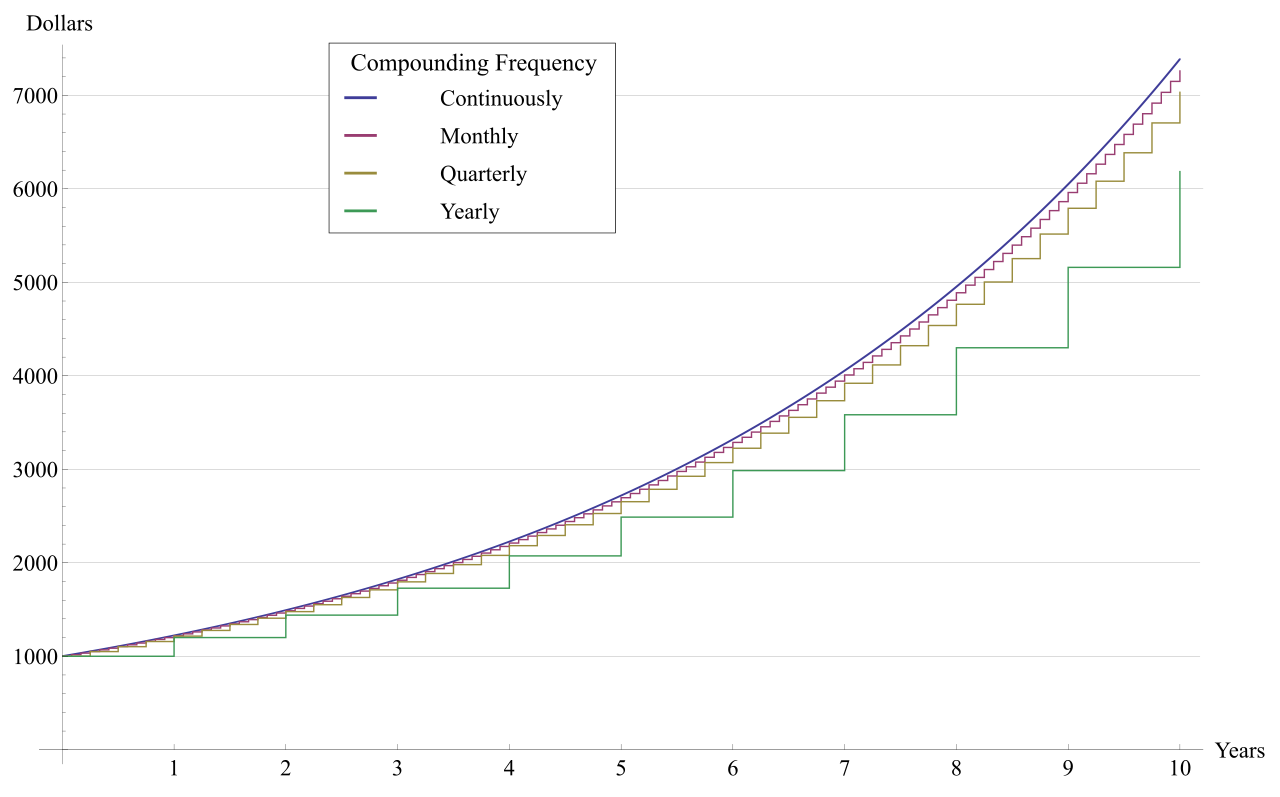
Because the borrower is continually receiving cash and not making debt service payments, the mathematics of the loan operate in negative amortization. The loan balance on a reverse mortgage increases over time as interest accrues, and simultaneously, the homeowner's equity decreases over time during a reverse mortgage term.
The Home Equity Conversion Mortgage (HECM)
The most common and heavily tested type of reverse mortgage in the United States is the Home Equity Conversion Mortgage (HECM). A Home Equity Conversion Mortgage is a specific type of reverse mortgage insured by the Federal Housing Administration (FHA).
To protect vulnerable populations and ensure the product is used for its intended purpose—aging in place—strict federal guidelines apply:
- Age Requirement: A borrower must be at least 62 years old to qualify for a Home Equity Conversion Mortgage.
Borrower Obligations and Maturity Triggers
A common misconception among the public is that the bank immediately takes ownership of a reverse-mortgaged home. This is false. A reverse mortgage borrower retains the legal title to the property.
However, holding title means holding the responsibilities of ownership. A reverse mortgage borrower is required to pay property taxes, and similarly, a reverse mortgage borrower is required to maintain homeowners insurance. This is a critical risk vector: failing to pay property taxes can result in foreclosure on a reverse mortgage property, regardless of the borrower's age or the equity remaining in the home.

Because there are no monthly payments, the loan must eventually be reconciled. A reverse mortgage becomes due and payable in full upon the occurrence of specific triggers:
- A reverse mortgage becomes due when the last surviving borrower dies.
- A reverse mortgage becomes due when the borrower sells the home.
- A reverse mortgage becomes due when the borrower moves out of the home as a primary residence for a continuous 12-month period (often due to relocating to an assisted living facility).
The Non-Recourse Protection
What happens if the housing market crashes, the balance of the reverse mortgage has compounded heavily, and the loan balance exceeds the value of the home when the borrower dies?
The FHA insurance provides a vital mathematical safety net: A Home Equity Conversion Mortgage is a non-recourse loan.
Definition: A non-recourse reverse mortgage ensures the borrower's estate will never owe more than the home's appraised value at the time of sale. If the home sells for less than the accumulated debt, the FHA insurance fund absorbs the loss. The lender cannot seize the borrower's other estate assets (like savings accounts or life insurance) to cover the deficiency.
Mortgages are traditionally secured by the current, tangible value of the collateral. But what happens when the collateral doesn't exist yet, or is currently uninhabitable?
Construction Loans
A construction loan is a short-term financing option used to fund the building of a new real estate project.
Because the lender cannot readily foreclose on and sell a half-finished foundation if the borrower defaults, the risk is exceptionally high. Therefore, a construction loan generally carries a higher interest rate than a traditional permanent mortgage due to the lack of a completed collateral asset.
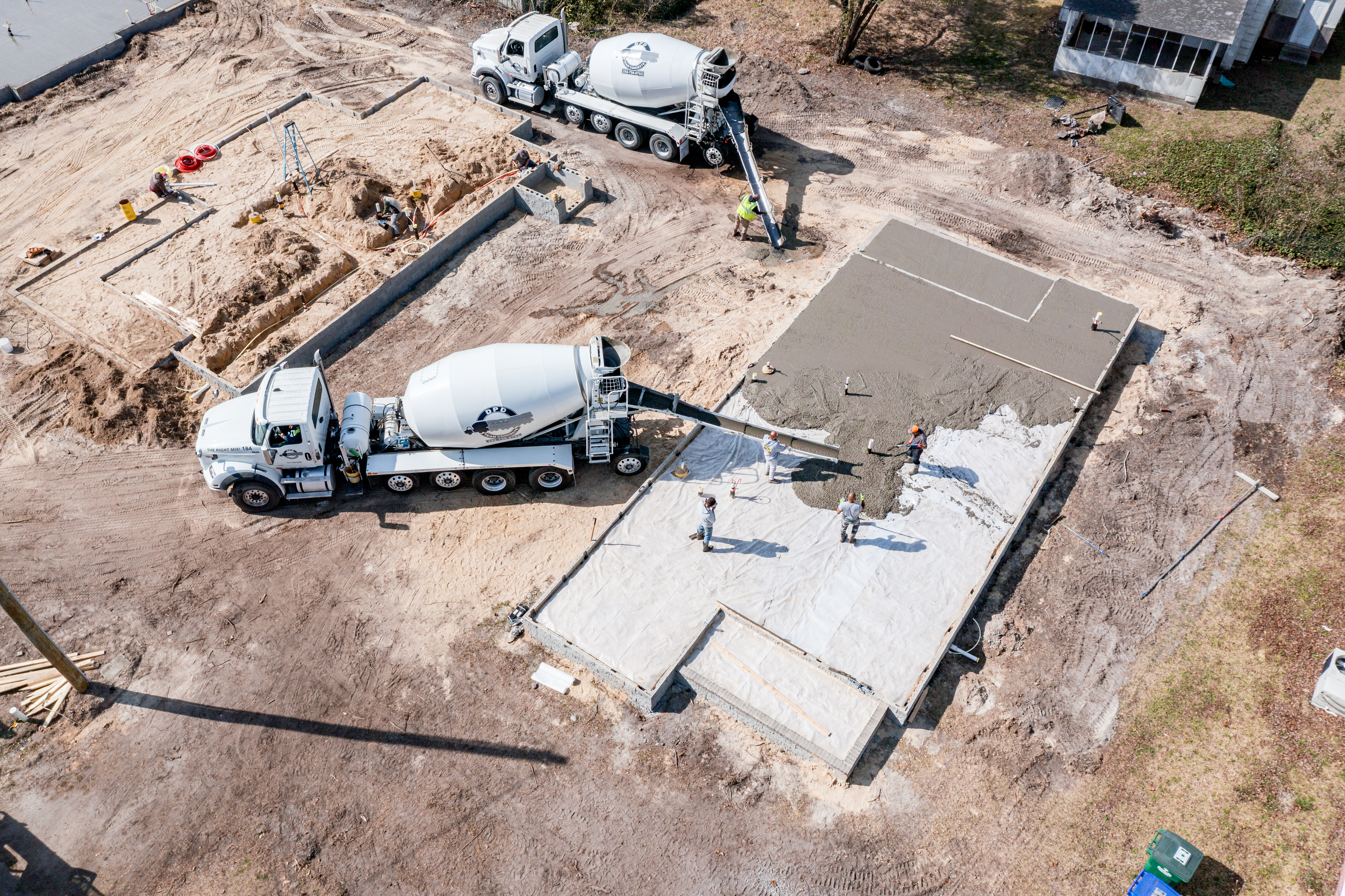
To mitigate this risk, lenders refuse to hand over the full loan amount on day one. Instead, the lender disburses funds for a construction loan in a series of installments based on project milestones (e.g., pouring the foundation, framing the walls, installing the roof). These installment payments made by a lender during a construction loan are called draws.
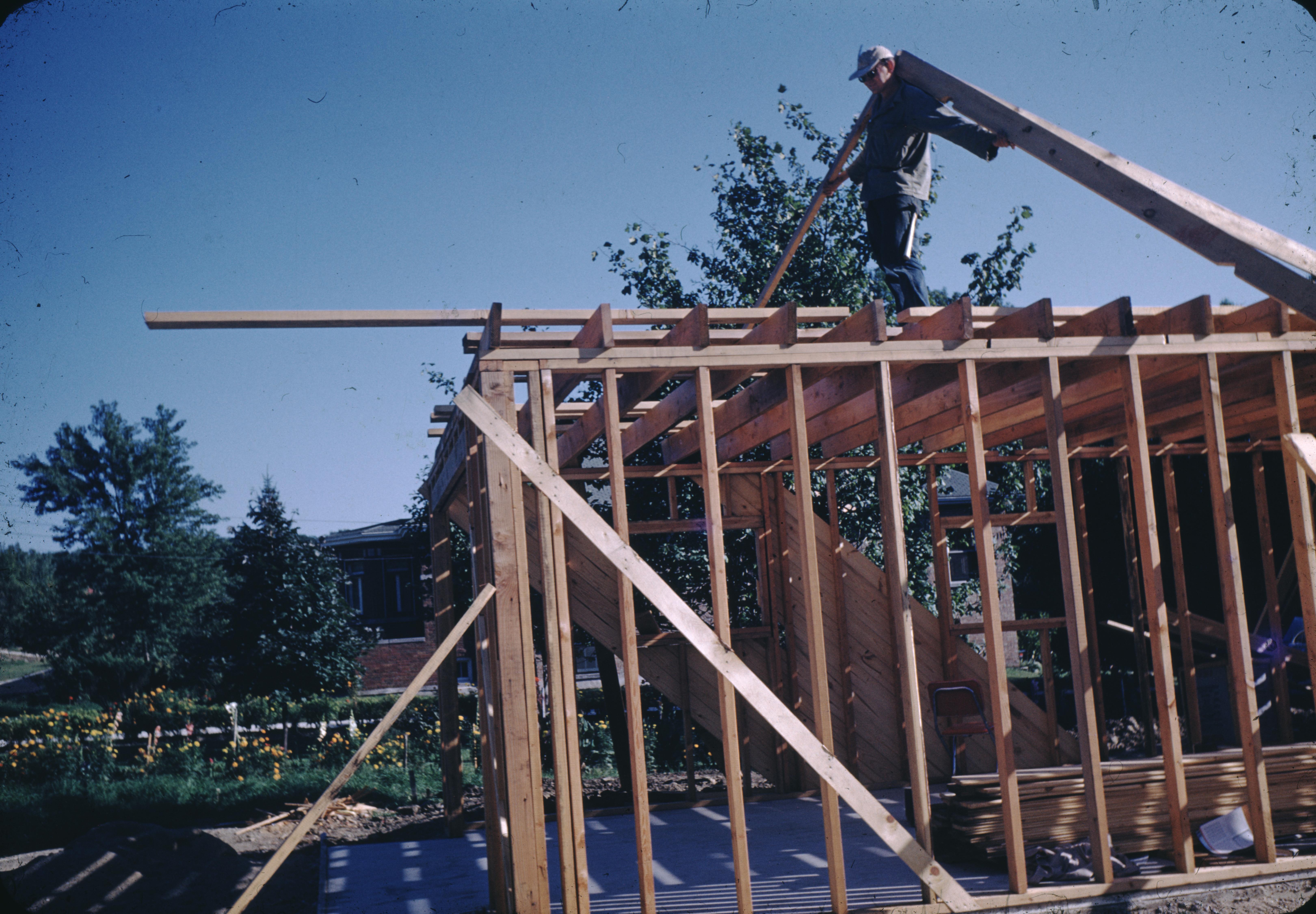
Lenders operate on the principle of "trust, but verify." A lender typically requires a property inspection to verify building progress before releasing a construction loan draw.
During this active building phase, it would be mathematically crippling to force a borrower to pay full amortization on a house they cannot yet inhabit. Thus, a borrower typically pays interest only on the disbursed funds during the active building phase of a construction loan. If $50,000 has been drawn, the borrower only pays interest on $50,000, not the eventual $300,000 total loan amount.
Upon project completion, the short-term financing must be resolved. Borrowers choose one of two structural paths:
- Standalone construction loan: This is a two-close transaction. The construction loan must be paid off in full upon completion of the building project, requiring the borrower to independently secure a brand-new permanent mortgage to pay off the construction debt.
- Construction-to-permanent loan: This is a single-close transaction. The loan automatically converts into a standard mortgage once the building phase is complete, saving the borrower from paying a second set of closing costs.
Rehab Loans
While construction loans are for building from the ground up, rehab loans are for transforming existing, often dilapidated, structures.
A rehab loan provides financing that covers both the property purchase price and the cost of property renovations in a single mortgage. The fundamental magic of a rehab loan is its valuation metric: the total loan amount for a rehab loan is based on the projected appraised value of the property after renovations are complete, rather than its current, as-is condition.
If your buyer is looking at a distressed fixer-upper, conventional financing will routinely fail because the property won't meet minimum habitability standards. Your solution as an agent is often government-backed rehab financing. The Federal Housing Administration 203(k) loan is a common type of government-backed rehab loan that empowers everyday buyers to revitalize aging housing stock.

Imagine a physical bridge connecting two cliffs. In real estate, those cliffs represent two opposing realities: the property your client currently owns, and the new property they wish to buy.
Often, a buyer needs the equity trapped in their current home to fund the down payment on the new home. If they find their dream home before their current home sells, they are staring into a transactional void.
A bridge loan is a short-term loan used to cover the financial gap between purchasing a new property and selling an existing property. Because of this specific function, a bridge loan is commonly referred to in the real estate industry as gap financing, or alternatively, a swing loan.

Mechanically, a bridge loan uses the borrower's existing property as collateral for the new loan. The lender essentially advances the equity from the unsold home so the borrower can close on the new purchase.
Because this is a temporary stopgap measure designed only to last until the old home sells:
- Bridge loans typically have terms ranging from six months to one year.
- Bridge loans generally carry higher interest rates than standard mortgages due to the short-term nature of the loan and the heightened risk of the borrower temporarily carrying debt on two properties simultaneously.
By mastering these specialty loan products, you transition from being a simple tour guide of homes to a true transaction architect. When the standard 30-year fixed loan fails your client's unique scenario, you will possess the precise financial vocabulary needed to keep the deal alive.