California DRE Licensing, Jurisdiction & Discipline
Not sure you’re ready?
Take the ~3-minute readiness diagnostic and see where you stand.
The transfer of real property in California represents one of the largest concentrations of wealth exchange in the world. To ensure this ecosystem functions with integrity, it requires a strict set of physical and ethical boundaries. Much like the laws of physics govern the transfer of energy, the laws of California govern the transfer of real estate. In this state, those boundaries are established, monitored, and aggressively enforced by the Department of Real Estate.
Understanding this regulatory framework is not merely about passing an exam; it is about recognizing the precise legal environment in which you will operate every single day. If you step out of bounds, the penalties are swift and severe.
The California Department of Real Estate (DRE) is the state agency that regulates the real estate industry in California. Its fundamental purpose is consumer protection—ensuring that the public is shielded from incompetent or fraudulent practitioners.
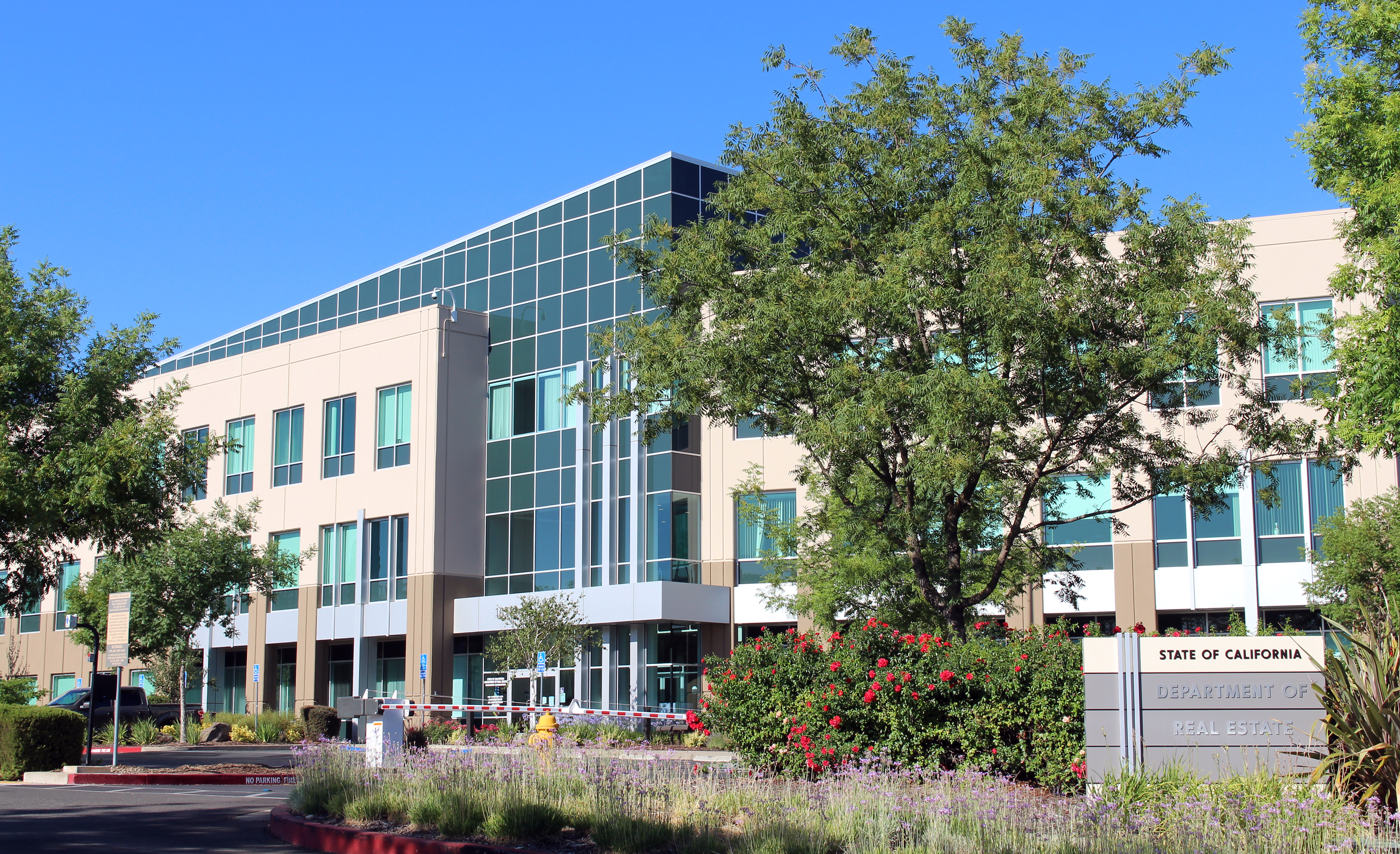
At the helm of this agency is the Real Estate Commissioner, whom the California Governor appoints. Think of the Real Estate Commissioner as the chief executive of the Department of Real Estate. To maintain order in a constantly evolving market, the Real Estate Commissioner has the authority to issue regulations to enforce California real estate laws. These regulations have the same force and effect as the laws enacted by the state legislature.
However, the Commissioner's jurisdiction is strictly confined to regulatory enforcement and consumer protection, not private civil disputes between professionals. For example, if you and another agent are arguing over how a commission should be split on a co-brokered deal, the DRE will not intervene. The Real Estate Commissioner does not have the authority to settle commission disputes between real estate licensees. You must resolve those through civil courts or local association arbitration.
When the Commissioner does act to stop illegal behavior, they possess a formidable tool: the Desist and Refrain Order. The Real Estate Commissioner can issue this order immediately to halt the activities of anyone violating real estate laws or subdivided lands laws in California, effectively shutting down illegal operations before further harm is done.
Not everyone who deals in real estate requires a license. The law targets those who perform real estate services for others, for compensation.
Therefore, several distinct groups operate entirely outside the DRE’s licensing requirements:
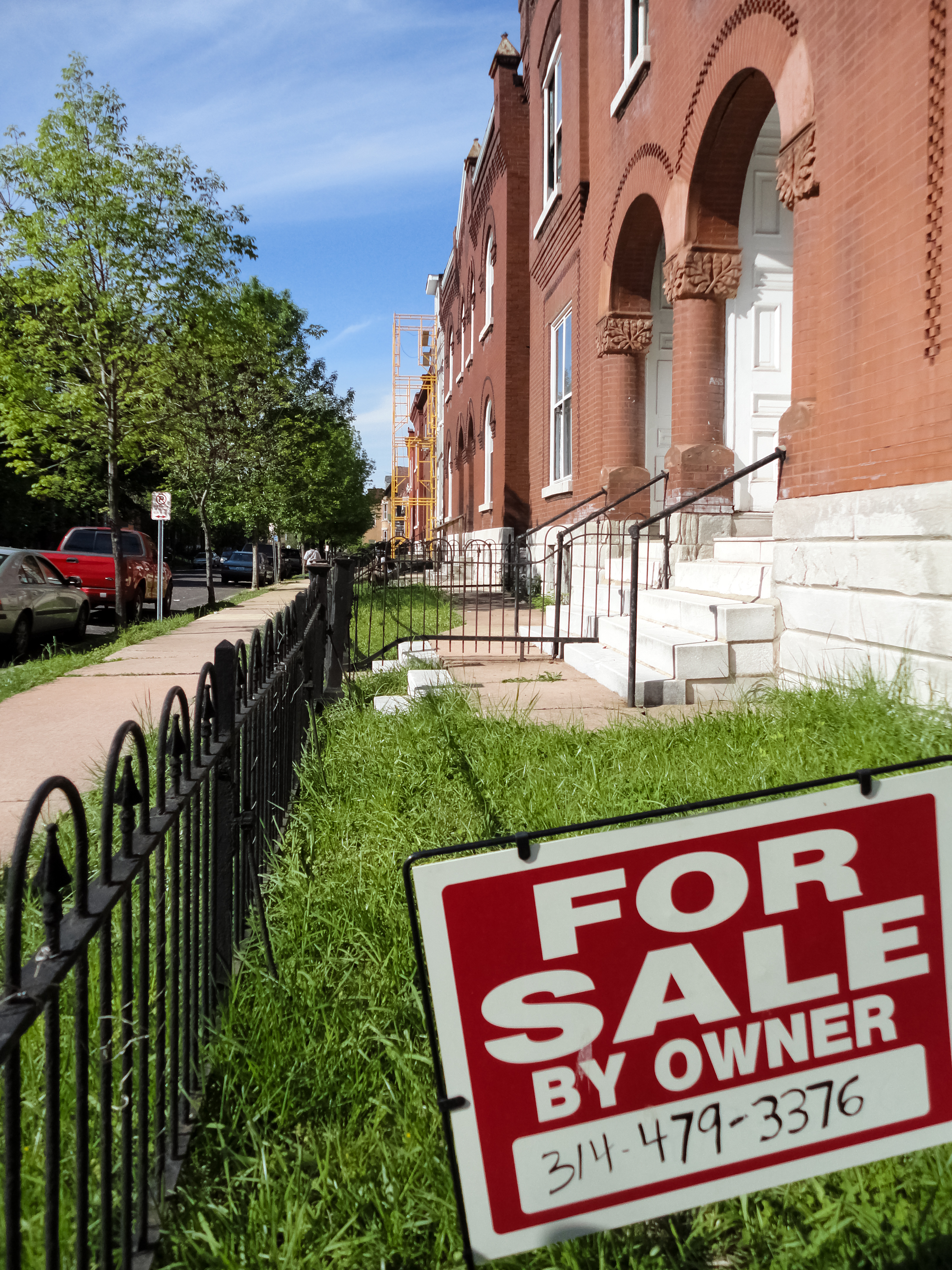
- For Sale By Owner (FSBO): An individual buying or selling owned real property without representation does not need a California real estate license. You always have the right to liquidate your own assets.
- Property Managers (Specific Scope): A resident manager of an apartment complex is exempt from real estate licensing requirements while performing property management duties for that specific property.
- Legal Proxies: A person holding a duly executed power of attorney from a property owner is exempt from real estate licensing requirements for a specific real estate transaction. (They cannot, however, use a power of attorney to run an unlicensed real estate business).
- Attorneys: A real estate license is not required for a licensed attorney-at-law performing legal duties that involve a real estate transaction.
Earning the License
For those who intend to act as agents, the barriers to entry are stringent. To become an agent, an applicant for a California real estate salesperson license must be at least 18 years of age. Interestingly, California does not require real estate license applicants to be residents of the state—you can live in Nevada and hold a California license.
To ensure the safety of the public, who will be trusting you with their homes and finances, all California real estate license applicants must submit fingerprints via Live Scan for a criminal background check. Finally, a candidate must prove their technical competence by passing the California real estate salesperson exam with a minimum score of 70 percent.

Once achieved, a California real estate salesperson license is valid for a four-year period.
The Broker Constraint
It is crucial to understand that a salesperson license is entirely dependent on a broker. A licensed real estate salesperson can only perform real estate activities under the supervision of a licensed real estate broker. You cannot operate independently.
Because the broker is ultimately responsible for your actions, the DRE demands an unbroken, real-time chain of custody regarding your employment.
- When you join a new brokerage, the new employing broker must notify the Department of Real Estate within five days of a salesperson transferring employment to the broker.
- If you leave a brokerage or are fired, the former employing broker must notify the Department of Real Estate immediately upon the termination of a salesperson's employment.
A license is not a lifetime pass; the law evolves, and agents must evolve with it. Real estate salespersons in California must complete 45 hours of approved continuing education every four years to renew an active license.
The DRE is highly prescriptive about what these 45 hours must contain, particularly for newer agents who present a higher statistical risk to the public.
First-Time Renewals (The First 4 Years): California real estate salespersons renewing for the first time must complete:
- Five separate three-hour continuing education courses in Ethics, Agency, Fair Housing, Trust Fund Handling, and Risk Management.
- A minimum of 18 clock hours of consumer protection continuing education courses.
Universal Renewal Requirements (All Licensees): California is aggressive in its pursuit of equitable housing. Consequently, all California real estate licensees must complete:
- A two-hour continuing education course in implicit bias training to renew a license.
- A three-hour interactive fair housing continuing education course that includes role-play components to renew a license.
The 70/30 Exemption: There is only one scenario where an active agent escapes the treadmill of continuing education. A real estate licensee 70 years of age or older who has been licensed in good standing for 30 continuous years in California is exempt from continuing education requirements.
The Real Estate Commissioner can restrict, suspend, or revoke a real estate license for violations of the California Real Estate Law. The vast majority of these violations boil down to a breach of fiduciary duty or a failure of transparency.
Record Keeping and Supervision
The bedrock of transparency is documentation. A California real estate broker must retain all transaction records and trust fund records for a minimum of three years. Furthermore, because salespersons act as extensions of the broker, a real estate broker failing to exercise reasonable supervision over the activities of employed salespersons is subject to disciplinary action by the Department of Real Estate.
Financial Sins: Commingling vs. Conversion
When clients hand you earnest money deposits, you are handling "trust funds." Mishandling these funds is the fastest way to lose your license. You must understand the precise difference between the two fatal financial sins:
- Commingling is the illegal act of mixing client trust funds with the personal or business funds of a real estate broker.
- Analogy: Commingling is taking your client's money and placing it into your own wallet. Even if you don't spend a dime of it, the mere act of mixing the funds is illegal.
- Conversion is the illegal act of a real estate licensee misappropriating or using client trust funds for personal use.
- Analogy: Conversion is reaching into that wallet, taking the client's money, and buying yourself a sandwich. This is outright theft.
Honesty and Advertising
Consumers rely on agents to tell the truth. Therefore, making a substantial misrepresentation regarding a real estate transaction is grounds for real estate license suspension or revocation.
Similarly, you cannot hide who you are. A blind ad is an illegal advertisement placed by a real estate licensee that does not include the licensee's name and fails to indicate that the advertiser is a real estate professional. If you post a sign reading, "Great house for sale, call 555-0199," you have just committed a violation. Consumers have a right to know they are dealing with a licensed professional.
Furthermore, your fiduciary duty requires absolute financial transparency with your client. A real estate licensee receiving a secret profit from a transaction without disclosing the profit to the principal violates California Real Estate Law. If you secretly buy a property through a shell company from your own client to flip it for a profit, your license will likely be revoked.
The Purgatory of a Restricted License
When an agent violates the law, the Commissioner does not always revoke the license permanently. The California Real Estate Commissioner can grant a restricted license to a disciplined licensee.
A restricted license is essentially professional probation. A restricted real estate license can require the licensee to comply with specific conditions such as filing surety bonds or restricted employment conditions (e.g., you may be forbidden from handling trust funds).
Because the licensee has already proven to be a risk to the public, they forfeit standard due process protections: a restricted real estate license can be suspended by the Real Estate Commissioner without a hearing.
What happens when an agent's fraud is so catastrophic that the client loses their life savings, and the agent has no money to pay them back?
To maintain public confidence in the real estate market, the state created a financial safety net. The California Real Estate Recovery Fund compensates members of the public who have suffered financial loss due to the fraudulent actions of a licensed real estate professional.
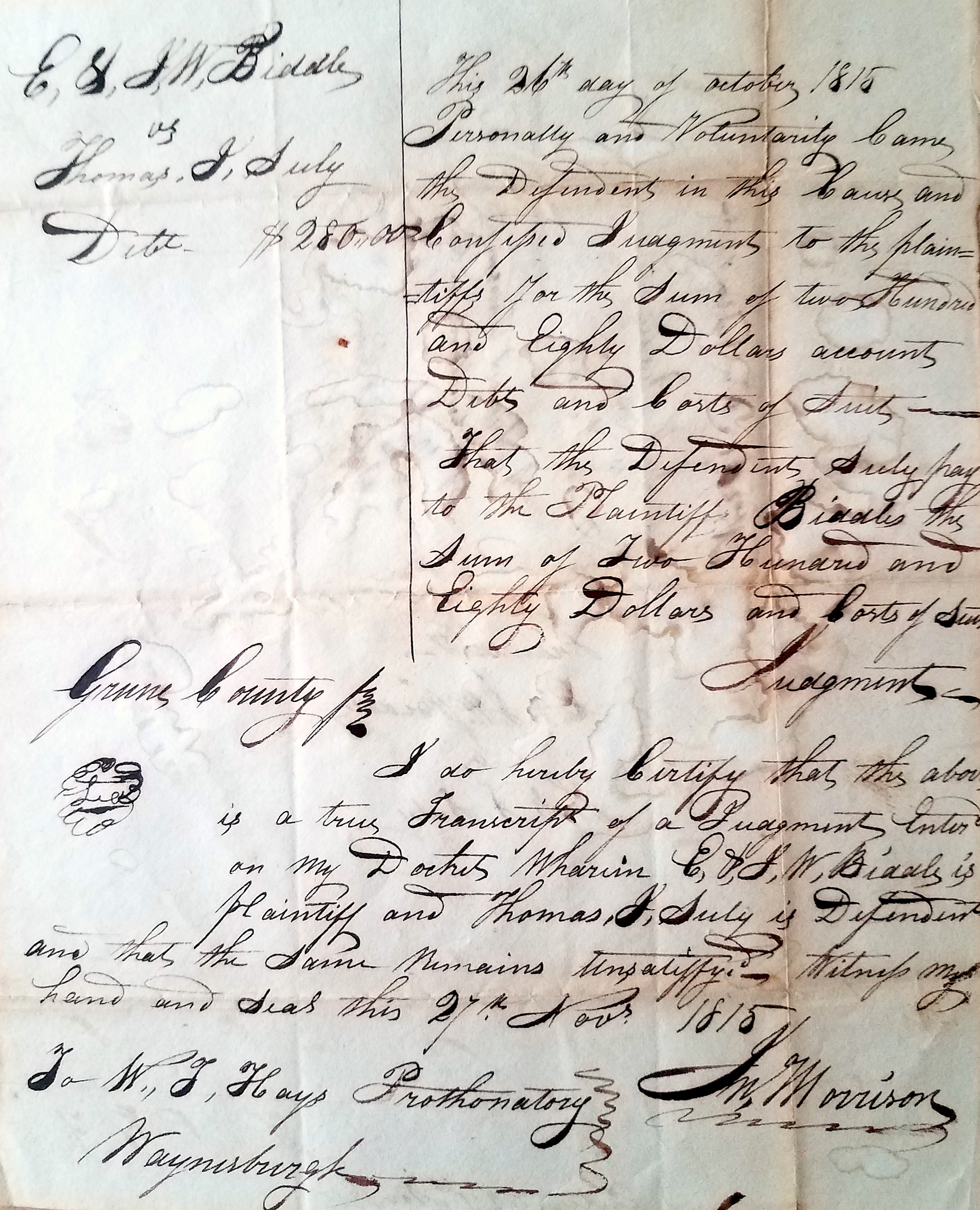
This fund is a last resort, not a first line of defense. The DRE will not simply cut a check because a consumer complains. To make a claim against the California Real Estate Recovery Fund, a victim must first obtain a final civil court judgment or arbitration award against the offending real estate licensee, and prove they have made every reasonable effort to collect the debt from the agent directly.
Limits and Caps
Because the fund is financed by a portion of agent licensing fees, its resources are finite.
- Payment from the California Real Estate Recovery Fund is limited to a maximum of $50,000 for a single real estate transaction.
- If a rogue agent defrauds multiple victims, the bleeding must be stopped: Payment from the California Real Estate Recovery Fund is limited to a maximum of $250,000 per individual real estate licensee across all transactions.
- The fund is designed to make victims whole for actual out-of-pocket losses, not to punish the agent. Therefore, punitive damages cannot be recovered from the California Real Estate Recovery Fund.
The Fate of the Defunding Licensee
When the Recovery Fund is forced to pay a victim because of an agent's actions, the consequences for the agent are absolute and immediate.
An individual's real estate license is automatically suspended when the Real Estate Recovery Fund pays a claim on behalf of that real estate licensee.
There is no loophole, no hearing required at that point, and no statute of limitations on the debt. A real estate licensee cannot have a suspended license reinstated until the licensee fully repays the Real Estate Recovery Fund plus interest at the statutory rate. Until that debt is settled in full, your career in California real estate is over.