Social Media, Confidentiality, Escrow Funds, and Due Diligence
Not sure you’re ready?
Take the ~3-minute readiness diagnostic and see where you stand.
A real estate license is not merely a permit to sell property; it is a legal and ethical mandate to manage the mechanical, financial, and informational vulnerabilities of a multi-hundred-thousand-dollar transaction. When a consumer hires you, they grant you access to their life savings, their most sensitive identifying information, and their negotiating leverage. The legal system allows this only because it imposes rigid, unforgiving duties upon you in return. Understanding these duties—how you advertise, how you protect secrets, how you hold money, and how you investigate the physical reality of a property—is not about memorizing trivia. It is about understanding the physics of professional trust.
When that trust breaks down, transactions fail, licenses are revoked, and lawsuits are filed. Let us break down the exact mechanisms of how you must operate to keep the transaction structurally sound.
The fundamental rule of real estate advertising is transparency. The consumer must instantly know they are dealing with a licensed professional acting on behalf of a specific brokerage. The internet is built on velocity and brevity, but regulatory bodies do not accept character limits as an excuse for obscuring your identity.
To maintain transparency, real estate licensees must disclose their active licensed status in all online communications regarding real estate. Whether you are posting a property tour on Instagram or replying to a comment on a local community Facebook page, the public has a right to know you are a professional operating with an active license. Furthermore, real estate advertisements on social media must clearly display the employing brokerage name. You cannot simply market yourself as "Jane Doe, The Real Estate Pro." The employing brokerage name must be immediately apparent in all internet advertising.
How do we reconcile this with platforms like Twitter or TikTok, where space is highly constrained? Regulators utilize the "one-click rule."
The One-Click Rule: The 'one-click rule' allows required real estate advertising disclosures to be accessible via a single direct link from the main advertisement.
If you post a short video, your bio link or a direct overlay link must take the consumer—in exactly one click—to a page containing your full brokerage information and required disclosures.
Accuracy and Fair Housing in the Digital Age
Advertising is only legal if it is accurate and non-discriminatory. Social media posts promoting real estate services must comply with the federal Fair Housing Act. A targeted Facebook ad excluding certain demographic zip codes, or a caption implying a property is "perfect for an empty-nester Christian couple," violates federal law just as surely as a billboard would.
Additionally, the digital footprint of a property must reflect its reality. Real estate licensees must promptly remove sold property listings from their websites. Leaving a great listing up to act as "clickbait" to generate buyer leads is false advertising. Similarly, real estate licensees must promptly remove expired property listings from their websites. If you do not have a current, valid agreement to represent that property, you have no right to display it.

When you represent a client, you owe them the fiduciary duty of confidentiality. The fiduciary duty of confidentiality requires real estate agents to keep client information private. This duty is absolute, with one specific exception regarding property defects (which we will cover in the Due Diligence section).
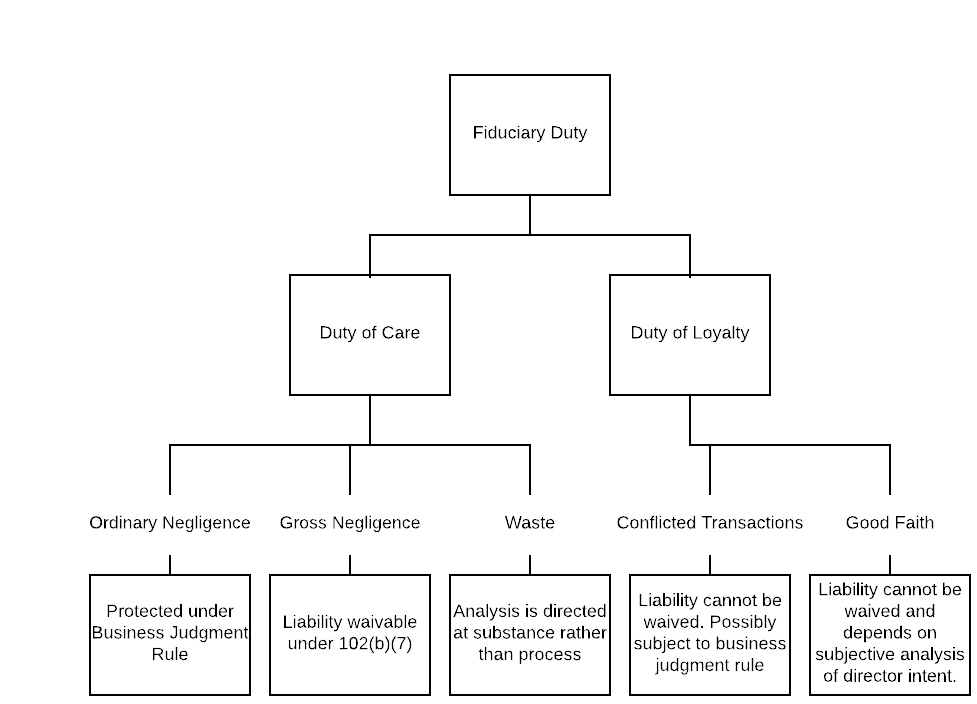
Think of confidentiality as a permanent vault. The fiduciary duty of confidentiality survives the successful closing of the real estate transaction. It does not expire when you hand over the keys. Even more strictly, the fiduciary duty of confidentiality survives the termination of the agency relationship indefinitely. If a seller fires you and hires another agent, you take their secrets to the grave.
Negotiating Leverage
Information is currency in a negotiation. Therefore, without explicit written authorization, your lips are legally sealed regarding the following:
- The Floor: A real estate agent cannot disclose a seller's minimum acceptable price without written authorization from the seller.
- The Ceiling: A real estate agent cannot disclose a buyer's maximum budget without written authorization from the buyer.
- The "Why": A real estate agent cannot disclose a client's underlying motivation for buying or selling without written authorization. (If the buyer knows the seller is facing foreclosure or a swift corporate relocation, the seller's leverage evaporates).

Information Security in the Modern Office
Confidentiality extends beyond negotiating secrets; it includes the literal protection of data. Real estate licensees must safeguard clients' personal identifying information from unauthorized access.
Personal identifying information (PII) requiring protection includes a client's Social Security number and includes a client's bank account numbers. A casual sticky note with a client's SSN left on the brokerage reception desk is a massive liability. In the digital realm, real estate licensees must secure electronic transaction records using password protection and encryption. Sending unencrypted wire instructions or tax returns over public Wi-Fi is a direct breach of your duty to safeguard your client.

In almost every transaction, buyers submit an earnest money deposit to demonstrate good faith. These are not your funds. They are not the brokerage's funds. They belong to the consumer until the contract dictates otherwise.
An escrow account (or trust account) is a specialized bank account used to hold funds belonging to clients or third parties.
Real estate brokers must maintain escrow accounts entirely separate from the brokerage's general operating funds. The separation must be absolute. Why? Because money is fungible. If you pour a cup of client water into a bucket of brokerage water, you can never extract that exact cup again.
The Twin Sins of Escrow: Commingling and Conversion
Failing to separate funds leads to two distinct, highly tested violations: Commingling and Conversion.
| Concept | Definition | Practical Example |
|---|---|---|
| Commingling | The illegal practice of mixing client trust funds with a broker's personal funds, or mixing client trust funds with a brokerage's business operating funds. | Depositing a $5,000 earnest money check into the brokerage account used to pay the electric bill. |
| Conversion | The illegal act of spending client trust funds for unauthorized business purposes, or spending client trust funds for personal use. | Taking $1,000 out of the escrow account to pay for a vacation, or to cover a shortfall in the brokerage's payroll, intending to "pay it back later." |
Think of Commingling as mixing the money, and Conversion as stealing or using the money.
Escrow Logistics and Responsibility
While an active salesperson will collect earnest money, a real estate salesperson must deliver received earnest money to the principal broker immediately. You do not hold it in your car; you do not deposit it in your personal account. The principal broker bears ultimate legal responsibility for the management of the brokerage escrow account.
By default, real estate escrow accounts are typically non-interest-bearing accounts. If the parties wish to earn interest on a particularly large deposit during a long escrow period, a broker must obtain written agreement from all parties to place earnest money in an interest-bearing account. This agreement must specifically state who will receive the interest.
Dispute Resolution
What happens if the deal collapses and both the buyer and seller demand the $10,000 earnest money deposit? The broker cannot play judge. A broker cannot disburse disputed earnest money without a written agreement between the buyer and seller. If they refuse to agree, the money stays frozen. Ultimately, a broker cannot disburse disputed earnest money without a formal court order (a process often initiated by the broker through a legal action called an interpleader, where they hand the money to the court and step back).
Your final core responsibility is interacting with the physical reality of the property itself. Due diligence is a real estate licensee's responsibility to exercise reasonable care in investigating a property. You are not just a tour guide; you are the professional eyes and ears of the client.
Material Facts vs. The Duty of Confidentiality
Earlier, we established the absolute duty of confidentiality. Here is the sole, massive exception: A real estate agent must disclose known material property defects regardless of the fiduciary duty of confidentiality.
If your seller tells you, "The basement floods every spring, but keep that secret," your duty to disclose a known defect supersedes your duty of confidentiality. You must disclose it. If the seller refuses to let you, you must step away from the listing.
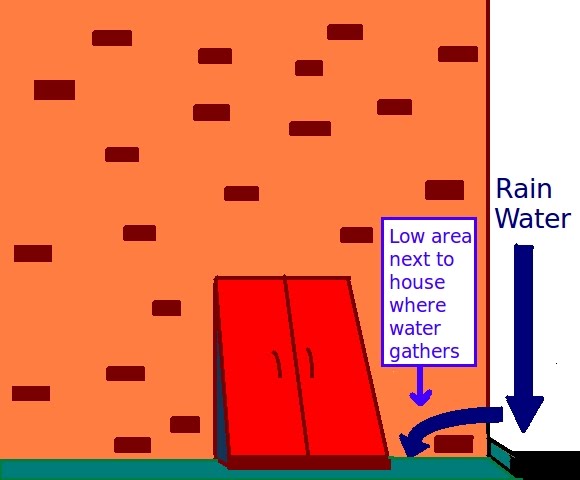
Real estate licensees have an affirmative duty to discover known material adverse facts about a property, and a subsequent duty to disclose known material adverse facts to all parties in the transaction.
What is a Material Fact? A material fact is any piece of information that would likely influence a buyer's decision to purchase a property, or any piece of information that would likely influence the price a buyer is willing to pay.
Red Flags and the "Reasonably Competent Agent" Standard
You are not expected to be a licensed structural engineer, but you are expected to possess the observational skills of a professional. The standard the law applies is strict: a real estate licensee will be held liable for failing to discover a property defect that a reasonably competent agent would have noticed.
You do this by looking for red flags. A red flag is a physical sign indicating a potential hidden defect in a property. For instance, water stains on a ceiling represent a red flag requiring further investigation by the real estate licensee. You cannot just look at the stain, shrug, and move on. You must inquire about the roof, request disclosures, and advise further inspection.

Independent Verification and Professional Boundaries
A dangerous trap for new agents is taking a seller at their word. A real estate agent cannot blindly rely on a seller's statements regarding the physical condition of a property. If the seller claims the HVAC is brand new, but it is covered in rust and making a grinding noise, you must act. Real estate licensees must independently verify material property information provided by the seller.
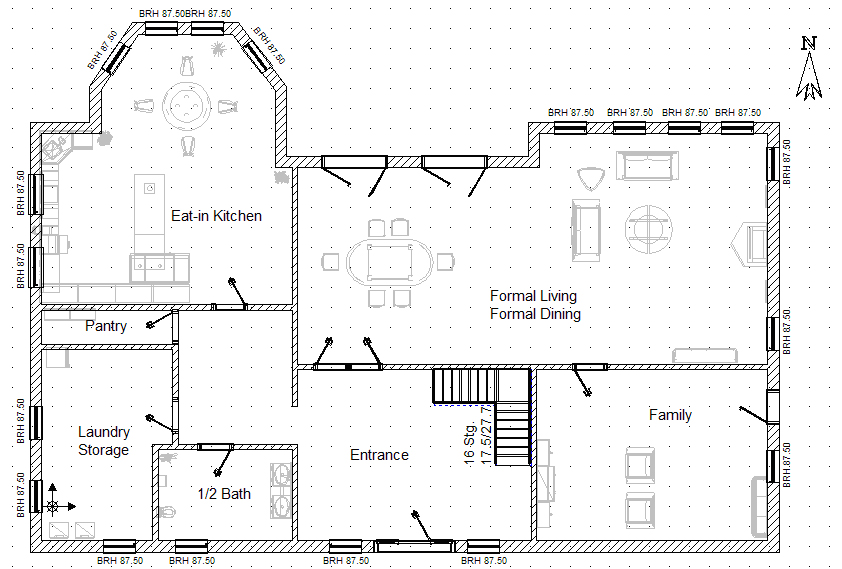
This requirement for verification extends to the data you publish. For example, a real estate licensee must verify the source of square footage measurements included in a property listing. You cannot simply accept the seller's guess that the house is 2,500 square feet; you must rely on tax records, an appraisal, or a builder's floor plan, and clearly cite that source.
Finally, while you must be highly observant, you must strictly observe the boundaries of your license. Real estate licensees must recommend that clients hire qualified professionals for structural property inspections. If the foundation is severely cracked, do not offer an engineering diagnosis. Similarly, real estate licensees must recommend that clients hire qualified professionals for specialized legal advice. If a buyer wants to know if a specific zoning variance will allow them to run a commercial business from the garage, do not guess. Guide them to a zoning attorney.

Your value lies not in knowing everything, but in knowing how to protect the client's information, safeguard their funds, notice the red flags, and assemble the professionals required to get them safely to the closing table.