Fiduciary Duties to Clients and Customers
Not sure you’re ready?
Take the ~3-minute readiness diagnostic and see where you stand.
When a person grants another the legal authority to act on their behalf, they are not merely delegating a task; they are triggering a profound legal mechanism known as agency. In real estate, passing your exam and holding a license does not just grant you the right to sell property—it grants you the extraordinary power to stand in the financial and legal shoes of another human being. This transformation elevates a standard business transaction into a fiduciary relationship, which is formally defined as a relationship of trust and confidence between a principal and an agent.
To understand your legal liability and ethical mandate in this industry, you must recognize a strict boundary line. On one side of this line are the people you represent; on the other side are the people you merely interact with.
In real estate law, vocabulary is everything. The principal in a real estate agency relationship is commonly referred to as the client. When you enter into an agency agreement, you become the agent, and the client becomes your principal. A real estate agent owes specific fiduciary duties exclusively to the principal in the agency relationship. You are their sword and their shield in the marketplace.
Conversely, a customer is a third party in a real estate transaction who receives services from an agent without being represented by that agent. You might open a door for a customer, write up their offer, or answer their questions about a neighborhood, but you are not their agent. Consequently, a real estate agent does not owe fiduciary duties to a customer.
Understanding this distinction is the cornerstone of passing your national exam and keeping your future license safe. Let’s explore exactly what you owe to the person on your side of the table.
The acronym OLD CAR is commonly used in real estate to memorize the six common law fiduciary duties owed to a client. These duties dictate your every move from the moment you sign a listing agreement or a buyer representation agreement. The six common law fiduciary duties are obedience, loyalty, disclosure, confidentiality, accounting, and reasonable care.
1. Obedience
The fiduciary duty of obedience requires an agent to follow all lawful instructions of the client. If your seller tells you they want 24 hours of notice before a showing, you mandate 24 hours of notice. You do not get to override their preferences because you think you know better.
However, notice the word lawful. A real estate agent must refuse a client's instruction if that instruction violates the law. The most strictly tested example of this involves civil rights. An agent must refuse a client's request to violate fair housing laws. If a seller instructs you, "Don't show my house to families with loud children," you cannot simply nod and obey. You must refuse the instruction, educate the client, and if they persist, you must walk away from the relationship.
2. Loyalty
The fiduciary duty of loyalty requires the agent to place the client's interests above all other interests, including your own.
This means the duty of loyalty prohibits a real estate agent from advancing the agent's own personal interests at the expense of the client. You cannot steer a buyer client toward a property just because it offers a higher commission bonus. Furthermore, if your personal interests intersect with the transaction, you must bring it into the light. An agent must promptly disclose any known conflicts of interest to the client.
This standard applies fiercely to your own real estate investments. Because you have specialized, insider knowledge of the market, a real estate agent must disclose their own real estate licensure status when buying or selling property for their own account. You can never secretly buy a client's underpriced home through an anonymous LLC.
3. Disclosure
While loyalty is your engine, disclosure is your headlights. The fiduciary duty of disclosure requires the agent to inform the client of all material facts related to the transaction.
Material Fact: A material fact is any piece of information that could reasonably influence a party's decision in a real estate transaction.
If you discover a zoning change is about to bring a loud highway to the neighborhood, that is a material fact. Your buyer needs to know it before they write an offer. Furthermore, an agent has a fiduciary duty to present all real estate offers to the client. Even if an offer is laughably low, or comes in right as you are preparing for a closing on another offer, it is not your choice to withhold it. The principal makes the decisions; you provide the data.
4. Confidentiality
The fiduciary duty of confidentiality prohibits an agent from sharing a client's personal information without explicit permission. Think of yourself as a vault. If your seller is facing a brutal divorce and needs to sell rapidly, letting that slip to the buyer's agent destroys your client's negotiating leverage.
Specifically, a real estate agent must keep a client's financial status confidential, and a real estate agent must keep a client's motivation for buying or selling a property confidential.
Unlike your listing agreement, which eventually expires, the vault never opens. The fiduciary duty of confidentiality extends indefinitely beyond the termination of the agency relationship. You take their secrets to the grave.
There are only two narrow exceptions to this rule:
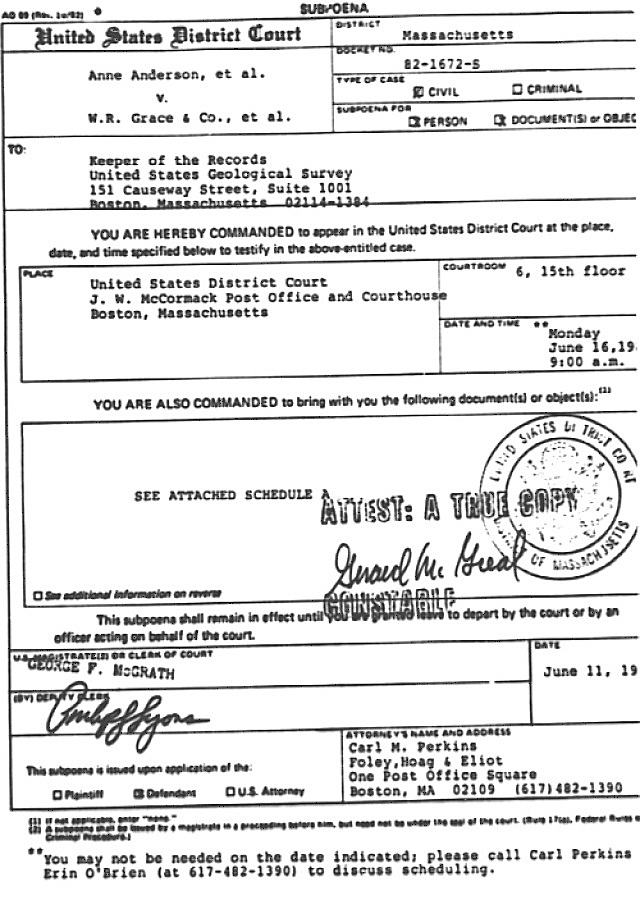
- An agent may legally disclose confidential client information if required to do so by a court order (e.g., you are subpoenaed by a judge).
- An agent may legally disclose confidential client information if the client provides explicit consent for the disclosure (e.g., the seller authorizes you to tell buyers about a sudden job relocation to encourage quick offers).
5. Accounting
Real estate involves massive sums of money, and the law demands flawless bookkeeping. The fiduciary duty of accounting requires the agent to accurately track all funds received on behalf of the client. This also means an agent must safeguard any property documents entrusted to the agent by the client.
The absolute cardinal sin of accounting is commingling.
Commingling is the illegal act of mixing client trust funds with the agent's personal or business funds.
If a buyer hands you a $5,000 earnest money check and you temporarily deposit it into your personal checking account for "safekeeping" rather than the brokerage's designated trust account, you have broken the law. Even if you never spend a single penny of it, the act of commingling funds directly violates the fiduciary duty of accounting.
6. Reasonable Care and Skill
The fiduciary duty of reasonable care and skill requires an agent to perform duties with the competence expected of a professional. You are expected to know how to properly fill out a contract, how to price a property using market data, and how to shepherd a transaction to closing.
But true competence also means knowing the boundaries of your own expertise. You are not a lawyer, a structural engineer, or a CPA. Therefore, an agent must advise a client to seek specialized expert advice when an issue falls outside the agent's professional scope. If a client asks you to interpret the legal liabilities in a complex deed restriction, your only valid answer is, "You need to consult a real estate attorney."
You represent your client, but what do you owe the unrepresented customer? While you do not owe them OLD CAR, you are not operating in a lawless vacuum.
A real estate agent owes a basic duty of honesty to all customers in a transaction. Furthermore, a real estate agent owes a duty of fair dealing to all unrepresented third parties in a transaction. You cannot cheat, trick, or maliciously mislead a customer just to secure a win for your client.
The Hard Line on Physical Defects
The highest-stakes collision between your duty of obedience to your client and your duty of honesty to a customer involves property flaws.
A real estate agent must disclose known material defects regarding a property's physical condition to a customer. Imagine your seller client points to a massive, hidden crack in the basement foundation and says, "Do not tell the buyer about that." You are now caught between obedience to the client and honesty to the customer. The law is clear: An agent cannot legally hide property defects from a buyer customer at the request of a seller client. Honesty about physical defects trumps client obedience.
We must categorize these property flaws carefully:
- A latent defect is a hidden structural flaw that would not be discovered by an ordinary visual inspection. (e.g., termite damage inside closed walls, a leaking underground oil tank).
- A patent defect is an obvious property flaw that is easily visible and discoverable upon a standard visual inspection. (e.g., a massive hole in the living room drywall, clearly shattered window panes).
While buyers are expected to notice patent defects with their own eyes, a real estate agent has a duty to disclose known latent defects to all parties in a transaction.
| Defect Type | Definition | Example | Disclosure Requirement |
|---|---|---|---|
| Patent Defect | Obvious, discoverable upon standard visual inspection. | Missing floorboards. | Buyers should see this themselves, but honesty applies if asked. |
| Latent Defect | Hidden, not discoverable by ordinary visual inspection. | Toxic mold behind shower tiles. | Must be proactively disclosed to all parties if known by the agent. |

Because real estate agents act as the conduit of information between parties, the law heavily regulates how agents communicate.
When an agent crosses the line from honesty into falsehood, they enter the realm of misrepresentation. Misrepresentation involves stating false objective facts and is illegal in real estate transactions. It comes in two distinct forms based on the agent's state of mind:
- Intentional misrepresentation when knowingly making a false statement to a customer. (e.g., You know the roof is 20 years old, but you look the buyer in the eye and say, "The roof was replaced last month.")
- Negligent misrepresentation occurs when a real estate agent makes a false statement without reasonably verifying the facts. (e.g., The seller tells you the property is hooked up to city sewer. You don't bother to check the public records, pass the info to the buyer, and it turns out the house is on a failing septic tank.) You didn't knowingly lie, but you were careless with the facts.
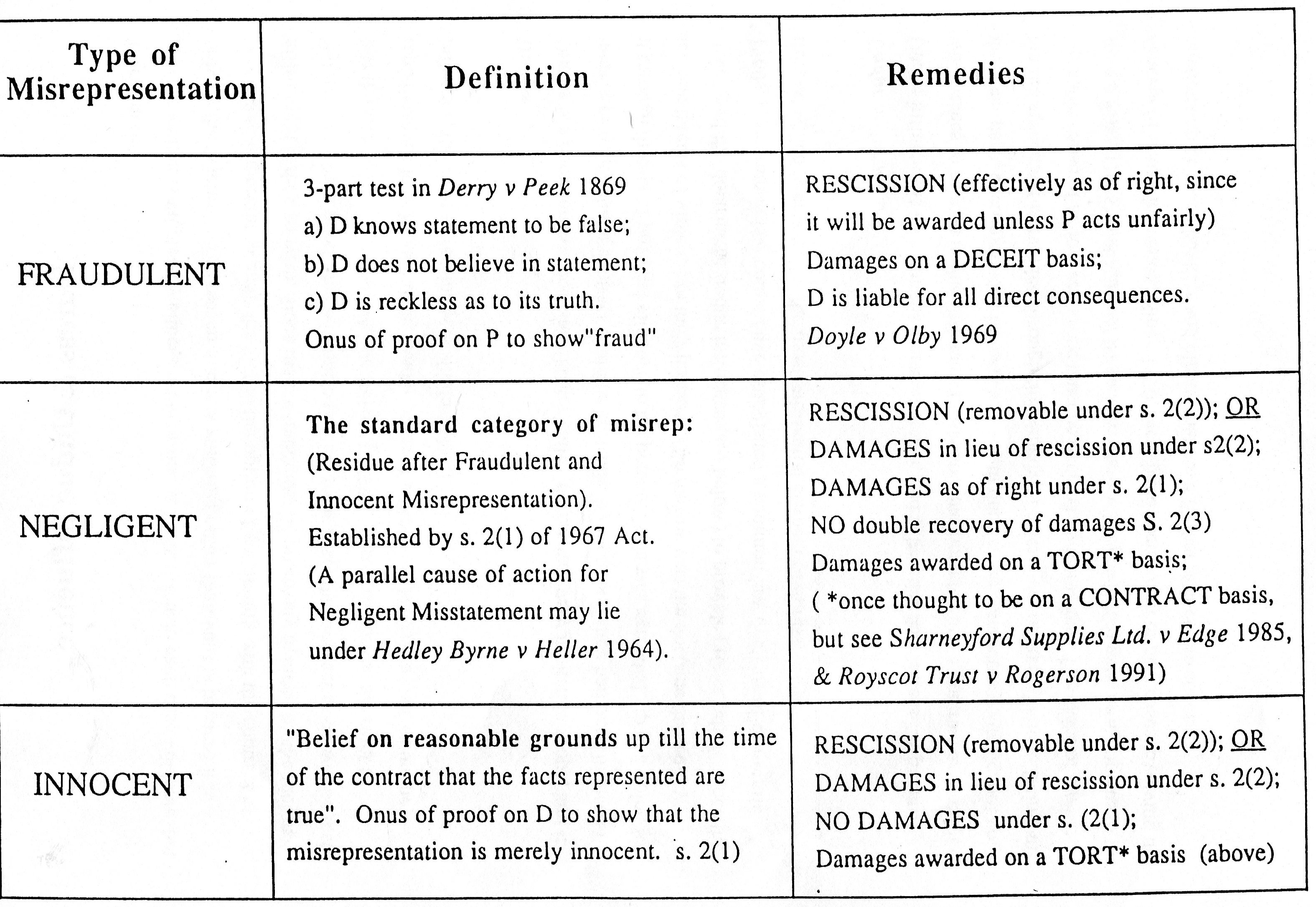
When deceit is taken to its most malicious extreme, it becomes fraud. Fraud is the intentional deception of a party to gain an unfair advantage in a transaction. It implies a deliberate, calculated scheme to financially harm someone for personal gain.
What About Marketing?
If stating false facts is illegal, how are agents legally allowed to write listing descriptions that call a tiny, run-down shack a "cozy, breathtaking dream home"?
This is where the law carves out space for salesmanship. Puffing is the use of exaggerated, subjective opinions about a property to market it. When you say a home has "the most beautiful sunset views in the entire county," no reasonable buyer believes you have mathematically measured every sunset in the county. Puffing is a legal marketing practice because it relies on subjective opinion rather than objective fact.
To pass your exam, simply ask yourself: Is this statement a provable, objective fact, or an exaggerated opinion? If it's a false fact, it is illegal misrepresentation. If it's an exaggerated opinion, it's legal puffing.
As a licensed professional, your words possess immense legal weight. Protect your client with the unyielding armor of OLD CAR, treat your customers with baseline honesty, and remember that your fiduciary duties are the very foundation of the real estate industry.