Landlord and Tenant Rights and Obligations
Not sure you’re ready?
Take the ~3-minute readiness diagnostic and see where you stand.
A lease is not merely a piece of paper; it is a temporary transfer of sovereignty. When a property owner signs a lease agreement, they are physically carving out a bundle of their property rights and handing them over to a tenant. The landlord trades the immediate utility of their land for a predictable stream of income, creating a delicate, legally binding relationship of mutual dependencies. As a real estate professional, you must understand that every lease transaction you facilitate places your clients on one side of this precise balance of power.
In real estate, we describe property rights as "estates." A lease agreement creates a leasehold estate for the tenant. Think of this as the tenant’s temporary kingdom. A leasehold estate grants the tenant the right of exclusive possession of the property, meaning they alone control the physical domain. Furthermore, this estate grants the tenant the right to exclusively use the property for the duration of the lease.
The landlord does not vanish from the legal equation. The landlord of a leased property retains a leased fee estate. This specific estate acts as an anchor holding the property’s ultimate title, and it includes a vital mechanism known as a reversionary interest. A reversionary interest grants the landlord the legal right to regain possession of the property the exact moment the lease expires. The possession simply reverts back to the owner.
When a landlord hands over the keys, two immense, invisible covenants are woven into the transaction, protecting the tenant's leasehold estate.
The Covenant of Quiet Enjoyment
The covenant of quiet enjoyment is an implied obligation in all leases—commercial and residential alike. This covenant does not guarantee the neighborhood will be silent; rather, "quiet" refers to the tenant's peace of mind regarding their legal claim to the space.
It guarantees two specific protections:
- The tenant will not be evicted by anyone with a superior legal title to the property.
- It protects the tenant from unreasonable interference with their use of the property by the landlord. If a landlord constantly barges in unannounced to inspect the flooring, they are breaching quiet enjoyment.
The Implied Warranty of Habitability
While quiet enjoyment applies broadly, residential leases contain an additional, non-negotiable safeguard. The implied warranty of habitability is a landlord obligation specific to residential leases. It requires the landlord to keep the premises in a safe condition fit for human living. To meet this standard, a landlord must comply with all state and local health codes—ensuring running water, structural integrity, and functional heating.
When either party violates the rules of the leasehold estate, the law provides mechanisms to force a resolution.
Actual Eviction vs. Constructive Eviction
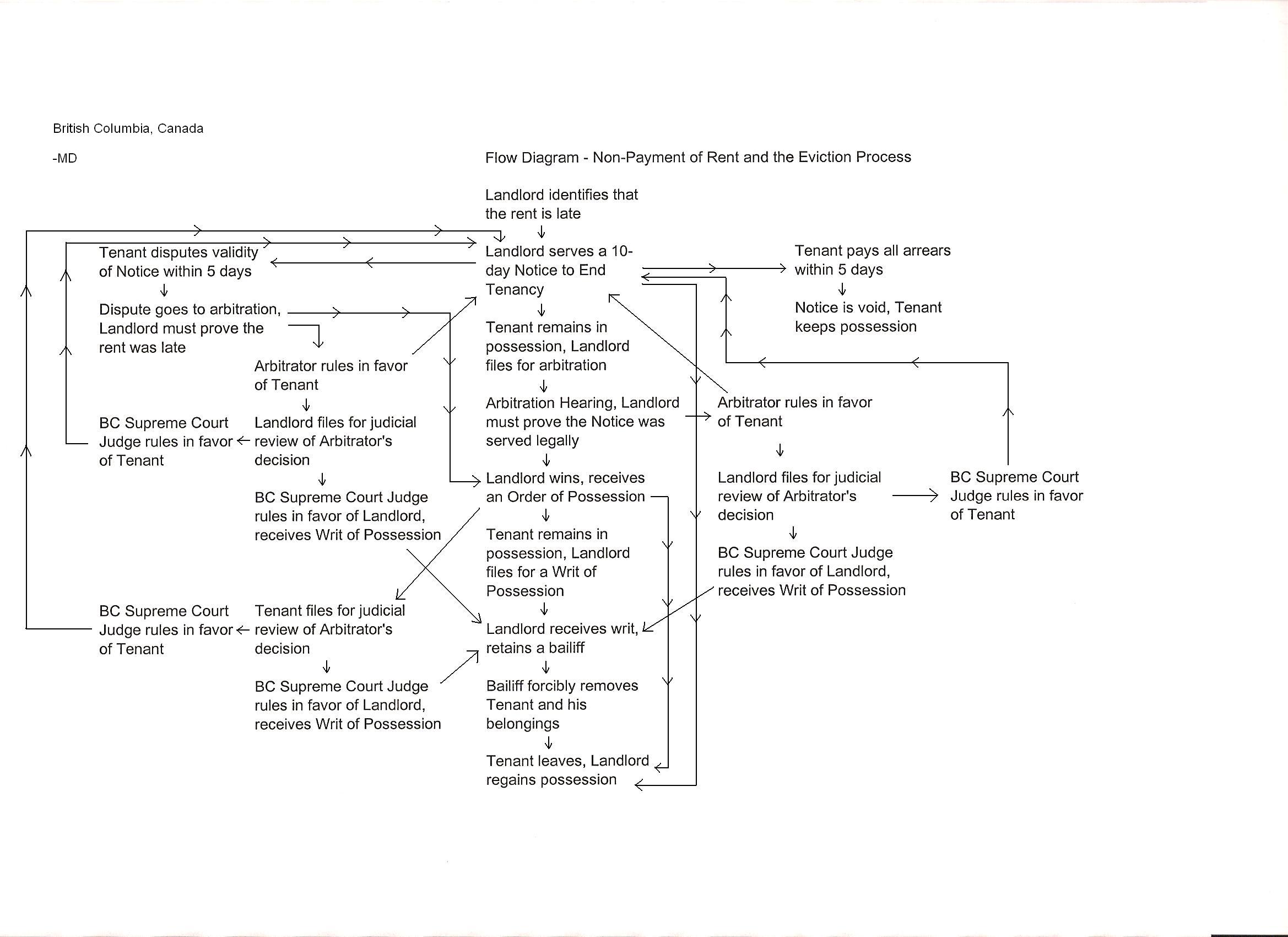
When a tenant breaches the lease—most commonly by failing to pay rent—the landlord wields the power of actual eviction. Actual eviction is the legal process used by a landlord to remove a tenant for breaching the lease agreement. The legal lawsuit filed by a landlord to achieve actual eviction is commonly called a suit for possession.
But what happens when the landlord fundamentally breaches the contract? Suppose the heating system fails in January and the landlord refuses to repair it. This severe neglect makes the leased property completely uninhabitable. This triggers constructive eviction.
- Constructive eviction occurs when a landlord's action (or severe neglect) makes the leased property completely uninhabitable.
- A tenant can use constructive eviction to legally terminate a lease agreement prior to its expiration date.
Crucial Exam Fact: A tenant must physically vacate the property to successfully claim constructive eviction. You cannot claim a space is entirely unlivable to escape your lease while continuing to sleep in the master bedroom.
Illegal Landlord Actions: Self-Help and Retaliation
Frustrated landlords sometimes attempt to bypass the slow wheels of the court system. This is called self-help eviction, which is the practice of a landlord forcing a tenant out without utilizing the formal legal eviction process. Self-help eviction methods include changing the locks on the property or shutting off essential utility services to the property.
As a real estate agent, you must strictly advise clients: Self-help eviction by a landlord is illegal in all fifty states.
Landlords are also forbidden from weaponizing eviction against tenants who exercise their civic rights. Retaliatory eviction is an illegal action where a landlord evicts a tenant as punishment for exercising a legal right. For instance, reporting a landlord for housing code violations is a protected tenant action against retaliatory eviction.
The tenant’s leasehold estate comes with strict obligations to the landlord’s reversionary interest. Chiefly, tenants have a legal obligation to pay the agreed-upon rent on time.
Preventing Waste and Normal Wear and Tear
Tenants have a legal duty to prevent waste on the leased premises. In legal terms, waste is any destructive action by a tenant that significantly lowers the value of the property (such as removing a load-bearing wall to create an "open concept" without permission).

Tenants must return the property at the end of the lease in the exact condition it was received, with one universal exception: Tenants are not financially responsible for normal wear and tear on a leased property. Normal wear and tear is the expected physical deterioration of a property resulting from ordinary daily use—such as carpet fibers flattening over a three-year tenancy or paint fading slightly from sunlight.
The Sacred Nature of the Security Deposit
To insure against the tenant failing their obligations, landlords collect a security deposit. A security deposit protects the landlord against unpaid rent at the end of a lease, and it reimburses the landlord for tenant-caused property damage exceeding normal wear and tear.
Because this money technically still belongs to the tenant until damage or default is proven, the law places a strict firewall around these funds:
- Landlords are strictly prohibited from commingling tenant security deposits with their own personal funds.
- Landlords are prohibited from commingling tenant security deposits with their business operating funds.
Historical Note on Unpaid Rent: While eviction is the modern remedy for non-payment, historically, landlords possessed the right of distraint—the legal right of a landlord to seize a tenant's personal property for unpaid rent. You must recognize this term for the national exam, even as state-specific applications have modernized.

Does exclusive possession mean a landlord can never cross the threshold? No. A landlord has the right to enter a leased property to make necessary property repairs.
However, they must balance this with the tenant's quiet enjoyment. Therefore, a landlord must provide reasonable advance notice to the tenant before entering the property for non-emergency reasons. The standard shifts dramatically if the building is at risk: a landlord may legally enter a leased property without any prior notice during a genuine emergency, such as a ruptured plumbing main.
The Americans with Disabilities Act (ADA) in Leasing
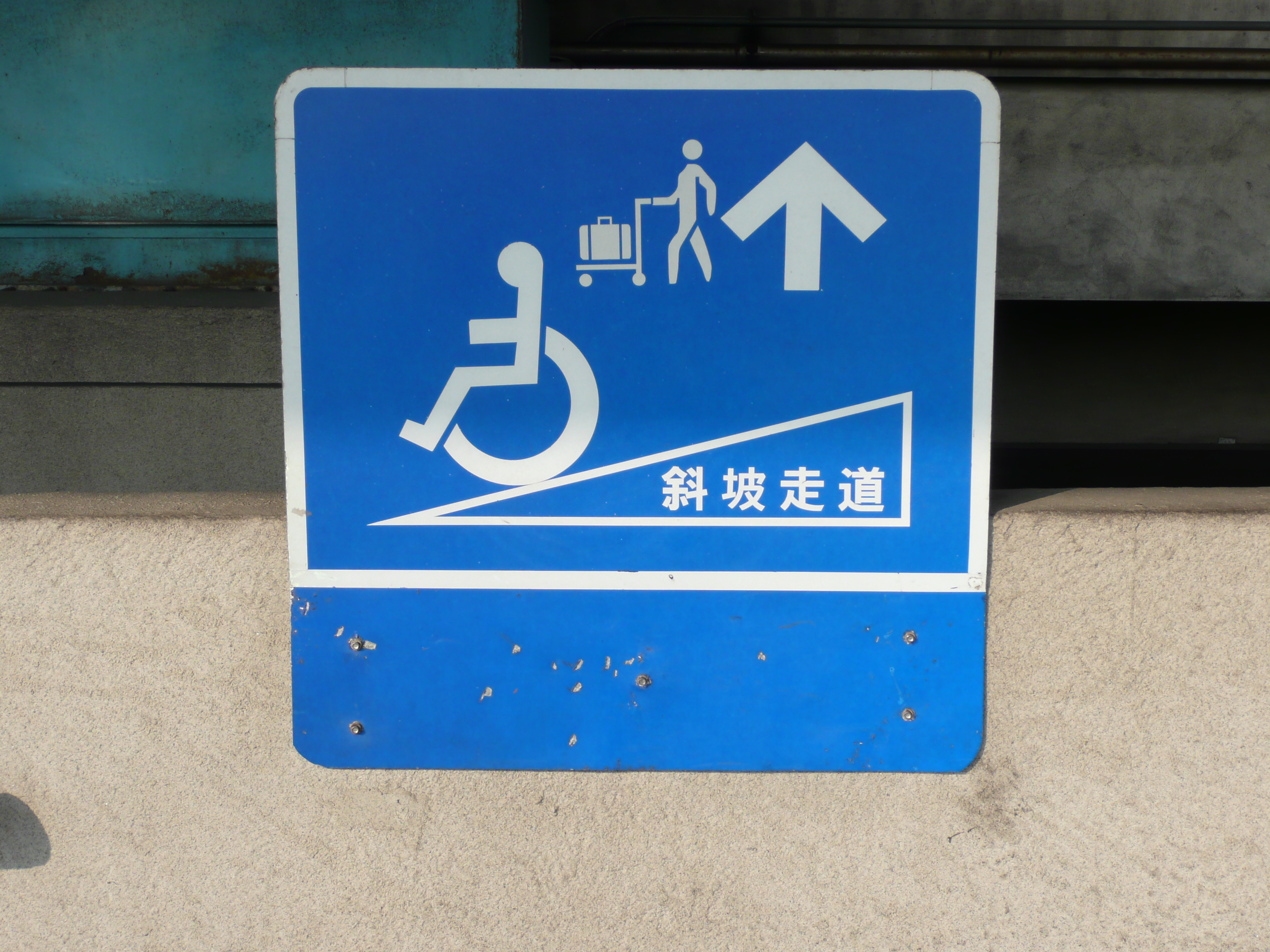
Federal law dictates how physical modifications are handled for disabled tenants. Landlords must permit tenants with disabilities to make reasonable physical modifications to a residential unit (such as installing grab bars or widening a doorway). However, the economics of this are strictly defined:
- Reasonable modifications made by a disabled tenant to a rental unit are performed at the tenant's own expense.
- A landlord may require a tenant to restore the interior of a modified unit to its original condition upon moving out.
Commercial leasing operates under slightly different physical rules, primarily because a business must customize its space to generate revenue. This customization is achieved through trade fixtures. Trade fixtures are specific items installed by a commercial tenant solely for the purpose of conducting business (imagine a massive pizza oven in a restaurant or heavy hydraulic lifts in an auto shop).
Unlike residential fixtures, which become the landlord's real property the moment they are attached to the walls, trade fixtures legally remain the personal property of the commercial tenant. A commercial tenant has the right to remove trade fixtures at any time before the lease agreement expires.
If they fail to do so, the physics of real estate take over. Trade fixtures left behind after a commercial lease expires automatically become the real property of the landlord. Accession is the legal process by which abandoned trade fixtures become the property of the landlord.
When a tenant needs to leave before their lease expires, they can transfer their leasehold estate, provided the contract allows it. There are two distinct mechanisms for this, differing entirely in scope and liability:
| Feature | Sublease | Assignment |
|---|---|---|
| Scope of Transfer | A sublease transfers only a portion of the tenant's remaining lease term to a third party. | An assignment transfers the tenant's entire remaining lease term to a third party. |
| Primary Liability | In a sublease arrangement, the original tenant remains primarily liable to the landlord for all rent payments. | The assignee generally assumes primary liability, though the original tenant may retain secondary liability. |
Because transferring a lease forces the landlord to trust a stranger with their property, most standard lease agreements require the landlord's written consent before a tenant can legally assign the lease, and equally require the landlord's written consent before a tenant can legally sublet the property.
What happens to a lease when external circumstances change drastically?
Sale and Death
Lease agreements are attached to the land, not the owner's pulse.
- The sale of a leased property to a new owner does not terminate an existing lease agreement. A new property owner must strictly honor the terms of all existing tenant leases.
- The death of a landlord does not automatically terminate a standard lease for years.
- The death of a tenant does not automatically terminate a standard lease for years. The tenant's estate remains responsible for the lease.
The Exception: A tenancy at will (a highly informal, open-ended lease arrangement) is automatically terminated by the death of either the landlord or the tenant.
Disasters and Abandonment
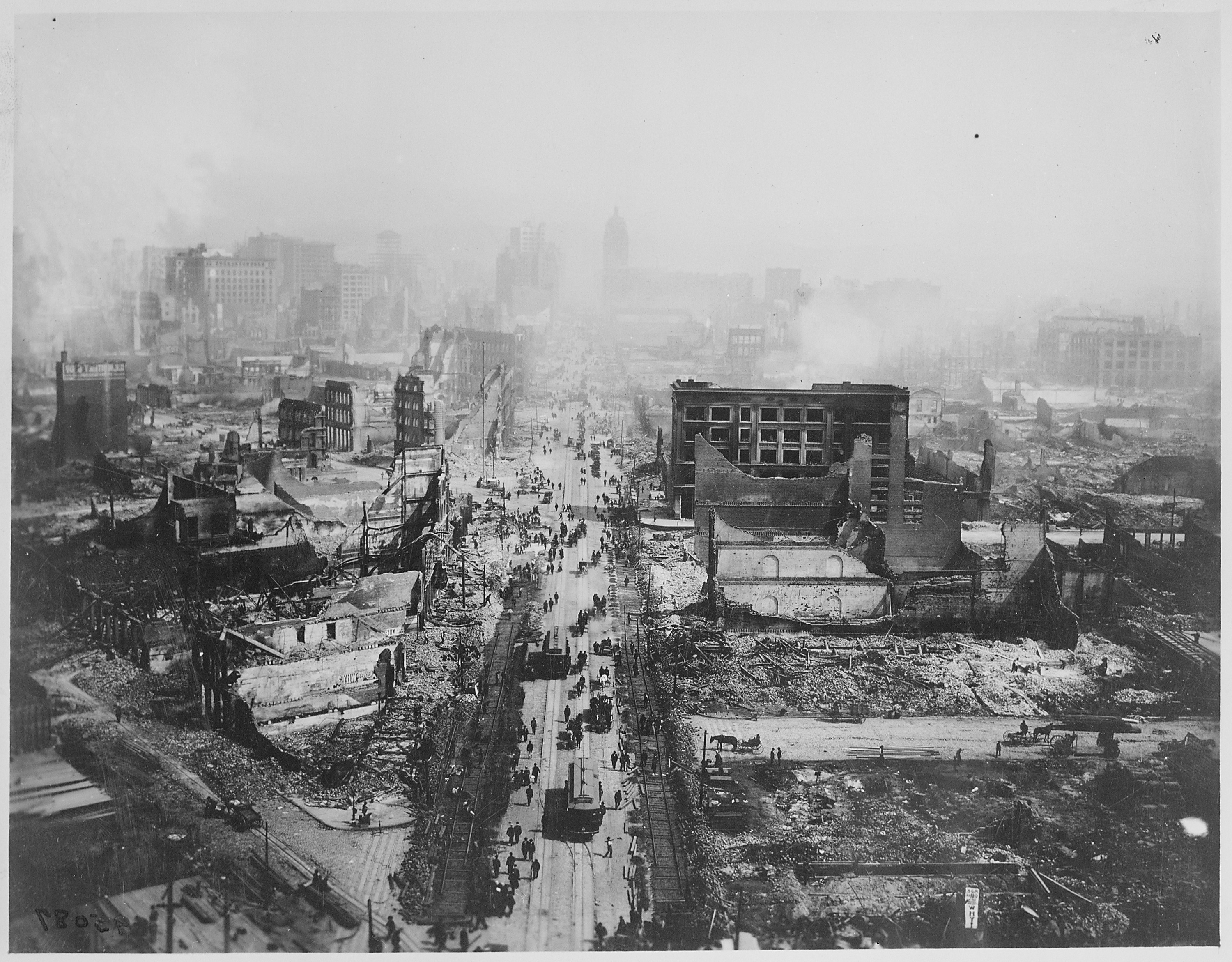
If a hurricane wipes out an apartment building, the legal obligations vanish with the structure. The destruction of a leased residential premises by an unavoidable natural disaster generally terminates the lease obligation.
If the property is fine, but the tenant simply flees, the landlord cannot just let the unit sit empty and sue the tenant for the remaining year's rent. A landlord has a legal duty to mitigate damages if a tenant breaches the lease and abandons the property early. The duty to mitigate damages requires a landlord to make reasonable efforts to find a new tenant for an abandoned property, limiting the financial bleeding of the original tenant.
The Holdover Tenant
Finally, we reach the end of the timeline. What happens at the exact second a lease expires, but the tenant stays on the couch?
A holdover tenant is a lessee who remains in possession of the property after the lease expires without landlord consent. At this moment, the landlord holds two diverging paths. First, a landlord has the legal right to file for eviction against a holdover tenant.
However, if the landlord accepts next month's rent check, they trigger a profound legal reset. Accepting a rent payment from a holdover tenant legally creates a new periodic tenancy. By cashing that check, the landlord waives their immediate right to evict for holding over, and a brand new month-to-month legal relationship begins.