MA Consumer Protection, Property Disclosures & Chapter 93A
Not sure you’re ready?
Take the ~3-minute readiness diagnostic and see where you stand.
Imagine walking into a 200-year-old Colonial home in Concord. The floorboards slope, the basement smells faintly of damp earth, and the true condition of the foundation is a mystery locked beneath centuries of stonework. In Massachusetts, the law assumes that the person buying this house is stepping into the unknown entirely at their own risk. This ancient legal doctrine—caveat emptor, or buyer beware—forms the absolute bedrock of Massachusetts real estate law.

Under the caveat emptor doctrine, the legal burden of discovering physical property defects is placed entirely on the property buyer. If the roof leaks or the plumbing is ancient, it is the buyer's responsibility to hire inspectors and uncover those truths. Private real estate sellers in Massachusetts are not legally required to volunteer information about physical property defects to potential buyers. They can sit silently in the living room while a buyer walks right past a rotting window frame.
However, this silence has strict limits. Private real estate sellers in Massachusetts must not actively conceal known property defects from buyers—you cannot build a false wall to hide black mold. Furthermore, private real estate sellers in Massachusetts must answer direct questions from buyers about property conditions truthfully. If a buyer points to the ceiling and asks, "Has that ever leaked?", the seller cannot lie.
While the baseline rule is silence, Massachusetts law mandates only two affirmative property disclosures for private sellers: the presence of lead paint and the presence of a septic system.
The Lead Paint Disclosure
Because of the severe neurological risks to children, lead paint is treated with zero tolerance. Massachusetts sellers must affirmatively provide a Property Transfer Lead Paint Notification to buyers of residential homes built prior to 1978.
The mechanics of this disclosure are highly specific and frequently tested:
- The Massachusetts Property Transfer Lead Paint Notification must be signed by the seller and the buyer before the parties sign a formal purchase and sale agreement.
- Massachusetts sellers of properties built before 1978 must provide buyers with a 10-day window to conduct an independent lead paint inspection.
- Crucially, property sellers are not legally obligated to remove lead paint prior to a sale unless lead paint removal is specifically negotiated in the real estate purchase contract. They must only disclose its potential or known presence.

Title 5 and Septic Systems
Under Title 5 of the Massachusetts Environmental Code, sellers of properties with septic systems must affirmatively disclose the presence of the septic system to buyers. The state has a compelling interest in ensuring raw sewage isn't leeching into the local water table.
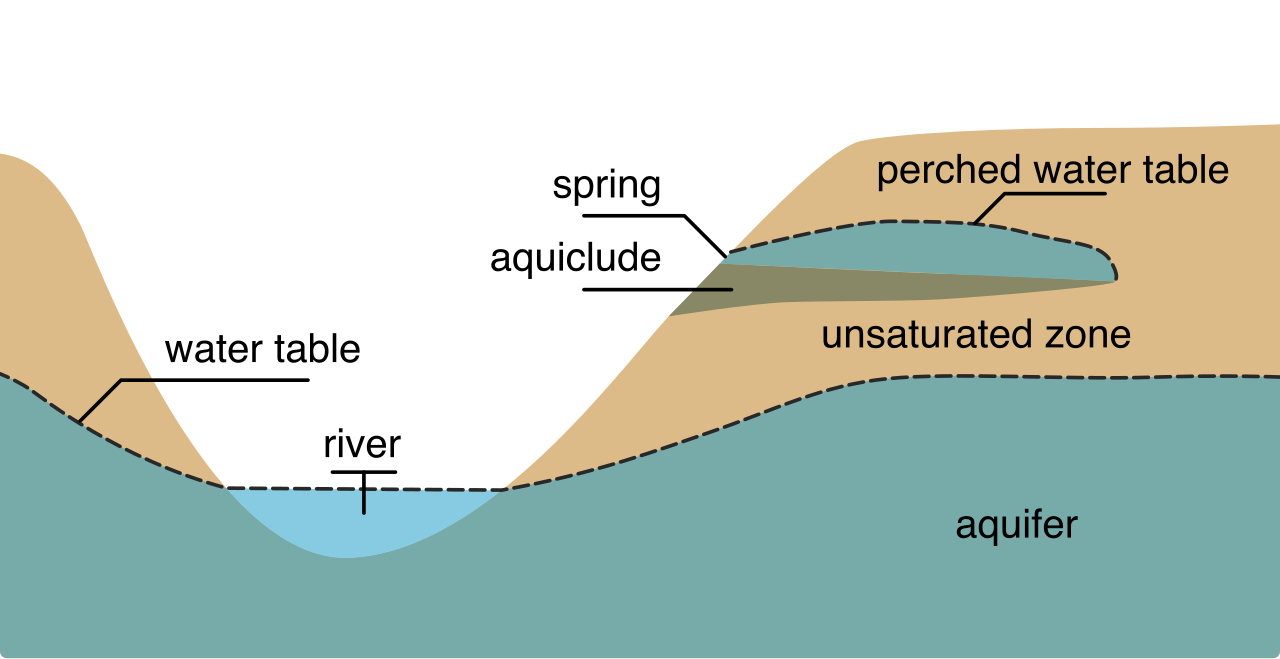
To prove the system is functioning, under Massachusetts Title 5 regulations, a property's septic system must pass a professional inspection within two years before a property transfer. Copies of a passed Title 5 septic inspection report must be provided to the property buyer and the local municipal board of health.
Nature, however, does not always cooperate with real estate closings. If weather conditions prevent a Title 5 septic inspection before a property transfer (such as the ground being frozen solid in February), the Title 5 inspection may be delayed for up to six months after the property sale.
Exam Exemption Note: Not all transfers trigger this inspection. Transfers of residential property between certain immediate family members are legally exempt from the Massachusetts Title 5 septic inspection requirement.
Smoke and Carbon Monoxide Detectors
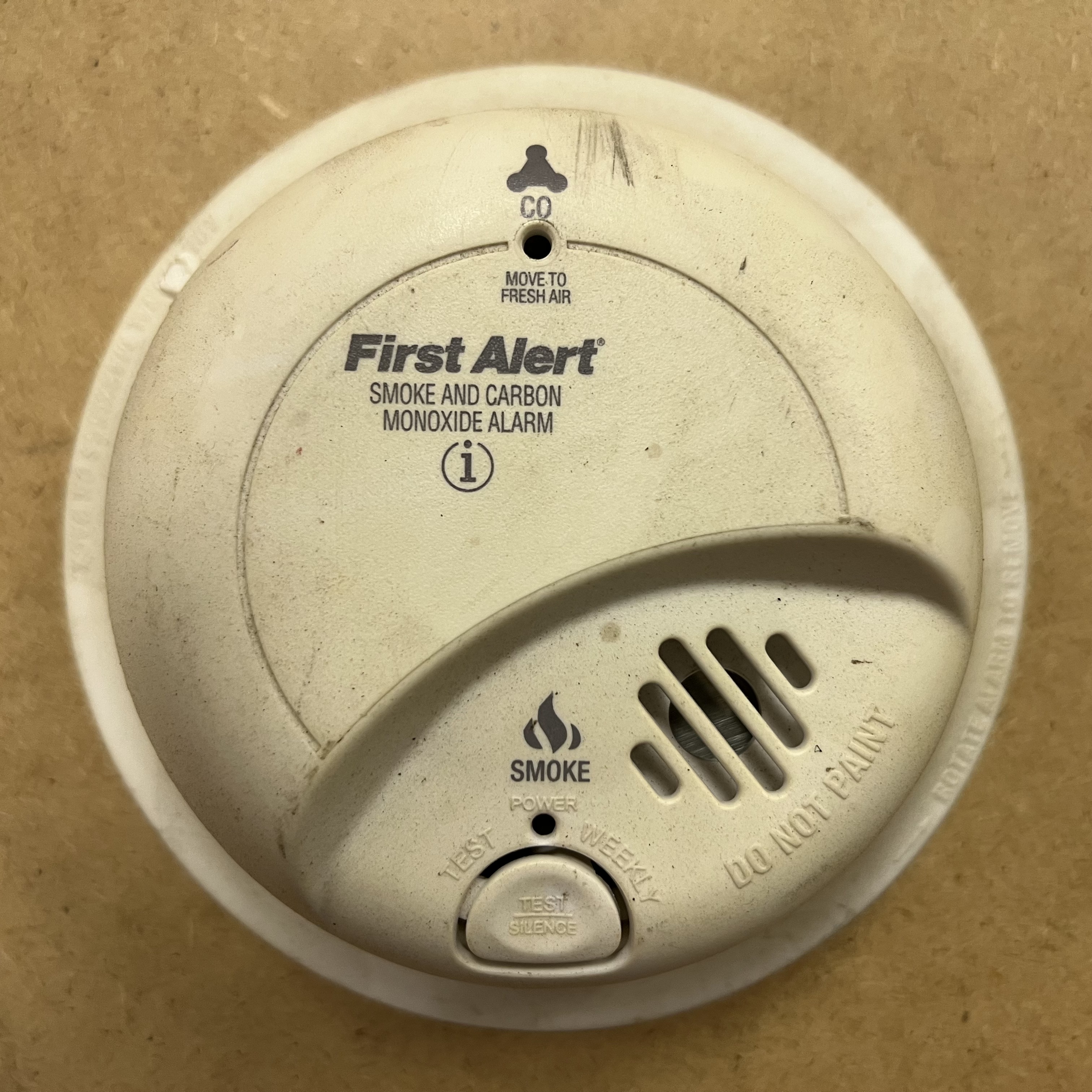
While not a "disclosure" in the traditional sense, life-safety equipment is an absolute prerequisite to transferring property. Massachusetts law requires property sellers to obtain a certificate of compliance for smoke and carbon monoxide detectors from the local fire department prior to closing. Failure to obtain a smoke and carbon monoxide detector certificate of compliance can legally delay a Massachusetts real estate closing. Without that piece of paper from the fire chief, the transaction stops cold.