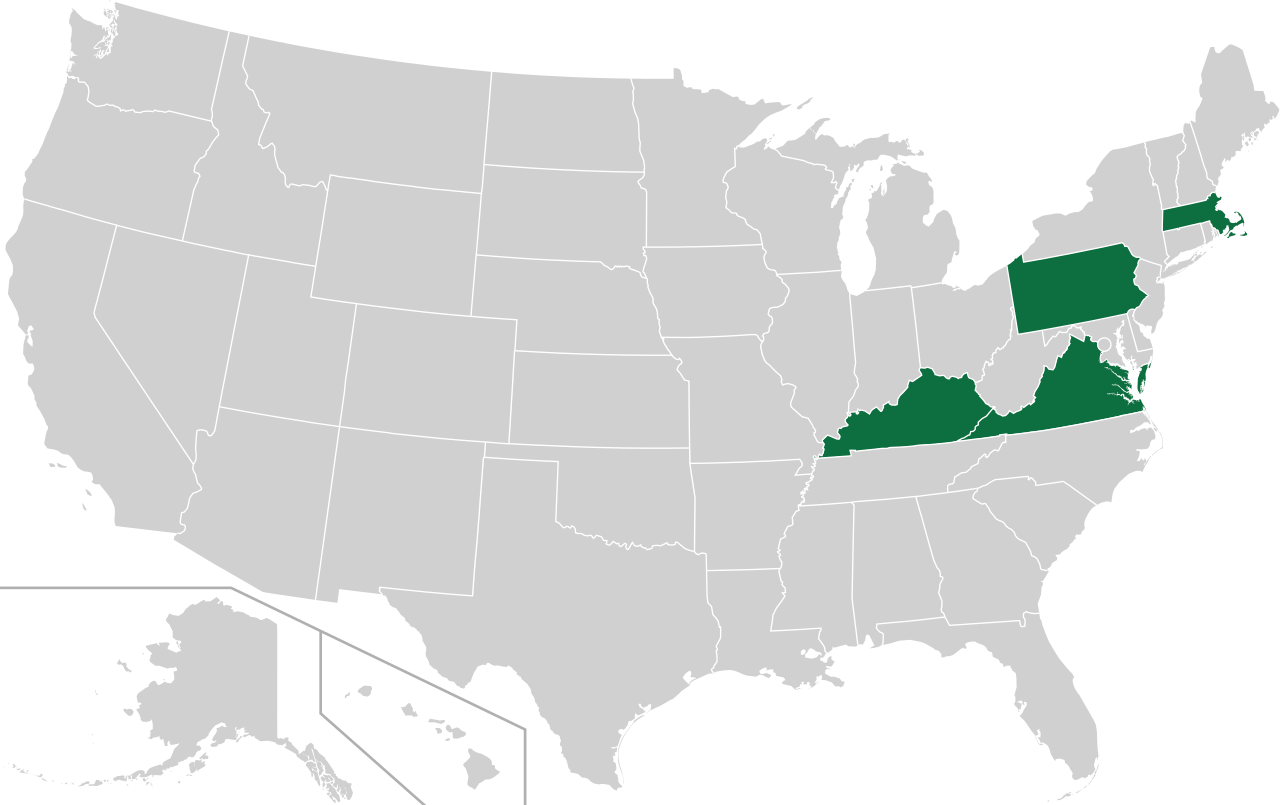
MA Fair Housing (c.151B) & the MCAD
Not sure you’re ready?
Take the ~3-minute readiness diagnostic and see where you stand.
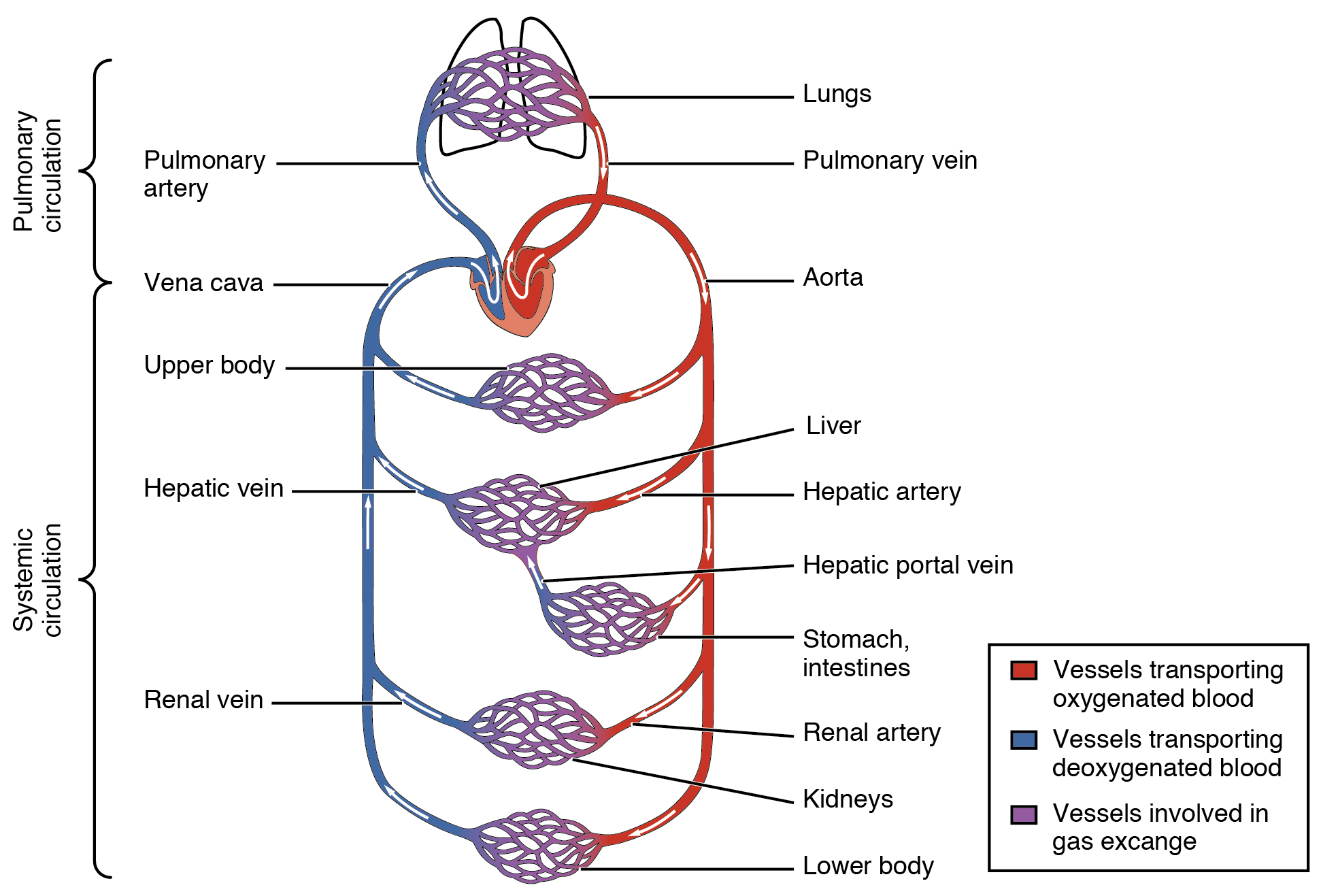
The allocation of housing in any community operates much like a complex circulatory system, distributing not just shelter, but economic opportunity, educational access, and generational wealth. When a real estate professional facilitates a transaction, they act as a valve in this system. If that valve is artificially restricted for certain groups based on arbitrary characteristics, the fundamental integrity of the market fails. Massachusetts General Laws Chapter 151B is the primary anti-discrimination statute governing fair housing in the state, engineered specifically to ensure that this flow of opportunity remains unobstructed by prejudice.
Enforced by the Massachusetts Commission Against Discrimination—commonly referred to by the acronym MCAD—Chapter 151B establishes a regulatory framework that is significantly more rigorous than federal law. For an aspiring real estate salesperson, understanding the mechanics of Chapter 151B is not merely a matter of passing the licensing exam; it is the absolute baseline of your professional and legal responsibility.
To understand Massachusetts fair housing law, you must first establish the federal baseline. Massachusetts fair housing law recognizes all protected classes listed under the federal Fair Housing Act (race, color, religion, national origin, sex, disability, and familial status). However, Chapter 151B casts a much wider net, identifying several additional categories of individuals who have historically faced systemic exclusion.
Here is how Massachusetts expands the boundaries of protection:
| Federal Protected Classes | Massachusetts Additions (MGL c.151B) |
|---|---|
| Race, Color, Religion, National Origin, Sex, Disability, Familial Status | Sexual Orientation, Gender Identity, Marital Status, Ancestry, Veteran or Active Military Status, Age, Genetic Information, Source of Income |
Let us examine the practical implications of a few uniquely Massachusetts protected classes:
- Source of Income: In Massachusetts, the source of income protected class prevents landlords from rejecting applicants solely because the applicant uses Section 8 housing vouchers or other public subsidies. If an applicant can cover the rent through a combination of their voucher and personal income, their application must be evaluated on identical merits to an applicant paying entirely out of pocket.
- Sexual Orientation and Gender Identity: Both are explicitly named protected classes under Massachusetts fair housing law, ensuring that no individual can be denied housing access based on whom they love or how they present their gender identity.
- Familial Status: Familial status is a protected class that prevents discrimination against households containing children under the age of 18. Massachusetts law goes further by explicitly clarifying that pregnant women are explicitly protected from housing discrimination under this category.
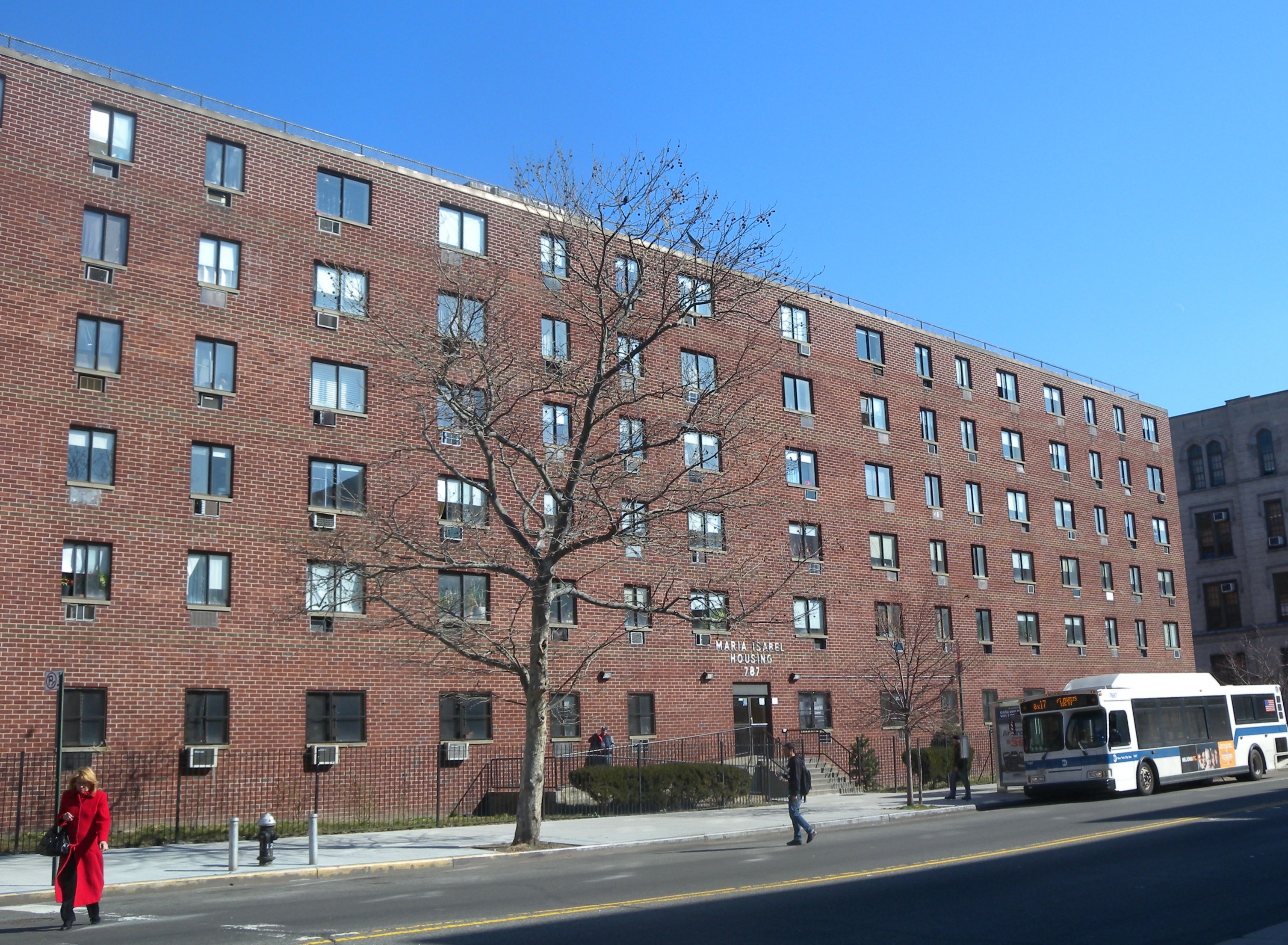
One of the most heavily tested areas on the licensing exam is the divergence between federal and state exemptions. The law recognizes that in very small, intimate, owner-occupied dwellings, the state's interest in fair housing competes with the owner's right to privacy.
The federal Fair Housing Act includes an exemption for owner-occupied buildings with up to four units (often called the "Mrs. Murphy" exemption). Massachusetts is vastly more restrictive. The Massachusetts owner-occupied exemption applies exclusively to owner-occupied, two-family dwellings. If an owner occupies one unit of a three-family or four-family home in Massachusetts, they enjoy no general exemption.
The Nullifiers: When Exemptions Evaporate
Even if a property qualifies for the Massachusetts owner-occupied two-family exemption, that protection is incredibly fragile. It is automatically nullified under two specific conditions:
- The Agent Rule: The Massachusetts owner-occupied two-family exemption is automatically nullified if a real estate agent is used in the rental transaction. The moment an owner hires you, a licensed professional, the property must be leased in strict accordance with fair housing laws.
- The Advertising Rule: The exemption is automatically nullified if any discriminatory advertising is used. An owner cannot legally post "Upstairs unit for rent, no [Protected Class]."
The Absolute Zeroes
There are certain forms of discrimination so inherently damaging that the state tolerates no exceptions under any circumstances.
- Massachusetts fair housing law provides zero exemptions for housing discrimination based on race.
- Similarly, Massachusetts fair housing law provides zero exemptions for housing discrimination based on the receipt of public assistance.
Specialized Age Exceptions
Massachusetts law provides a highly specific fair housing exemption for owners of two-family or three-family dwellings who are 65 or older or infirm. The Massachusetts elderly owner exemption allows discrimination against families with young children if the children's presence would cause a significant hardship to the elderly owner (for instance, excessive noise disrupting medical recovery).
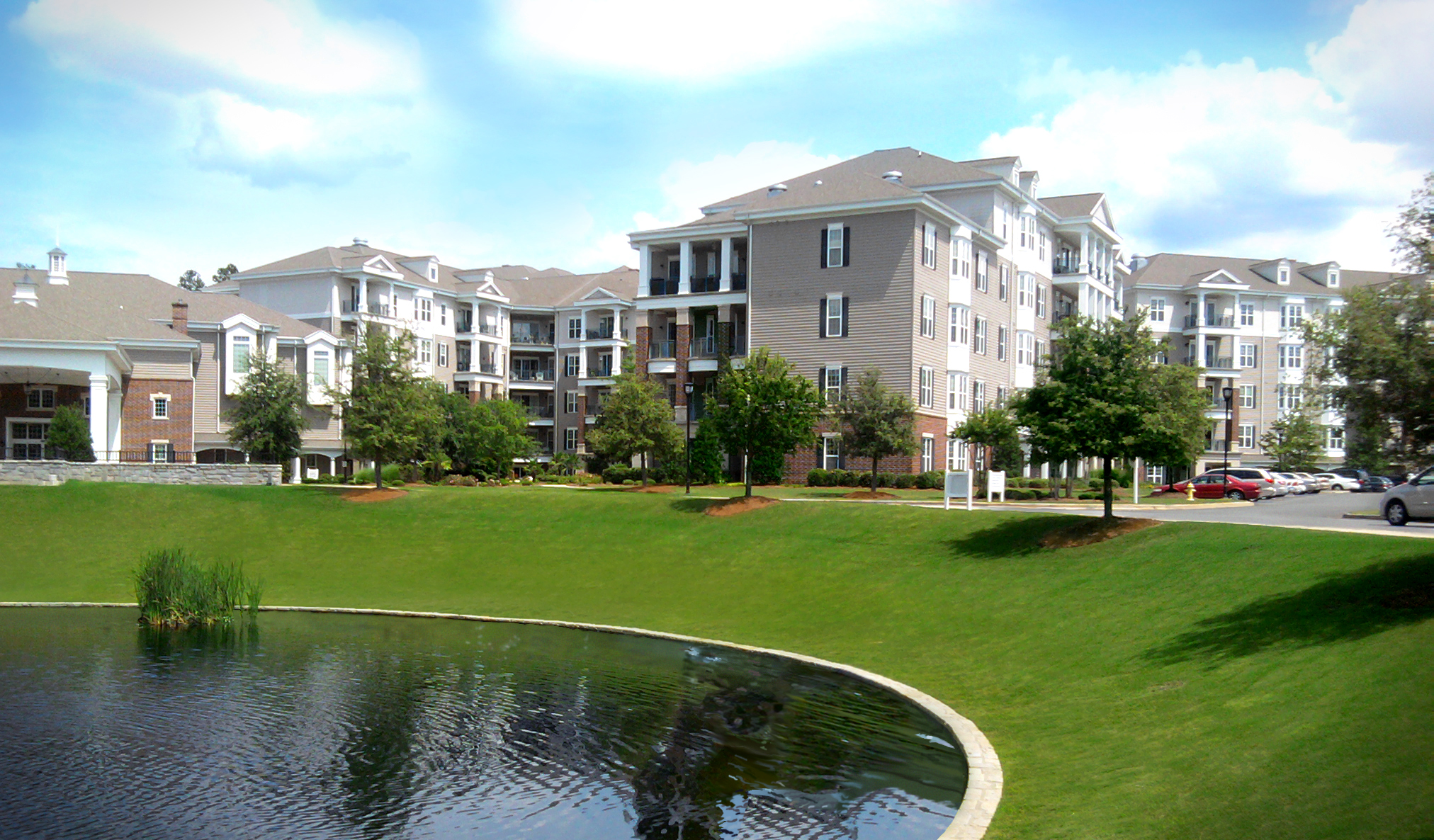
Additionally, we must account for dedicated senior living communities. Housing intended for older persons is exempt from familial status discrimination rules under two strict mathematical thresholds:
- If 80 percent of the units are occupied by at least one person aged 55 or older.
- If 100 percent of the units are occupied by individuals aged 62 or older.
The law mandates that the physical environment and the rules governing it must yield to provide equal opportunity for individuals with disabilities.
Reasonable accommodation is a modification to a rule, policy, practice, or service that gives a person with a disability an equal opportunity to use and enjoy a dwelling.
A classic example of a reasonable accommodation involves assistance animals. Massachusetts does not have a standalone Emotional Support Animal (ESA) statute. Instead, Emotional Support Animals are protected under the general reasonable accommodation framework of Massachusetts fair housing law. If a building has a strict "no pets" policy, allowing a tenant to keep a service dog or a prescribed ESA is a reasonable modification to that policy. Furthermore, landlords are strictly prohibited from charging pet deposits or pet fees for a recognized service animal or emotional support animal. They are not pets; they are medically necessary accommodations.

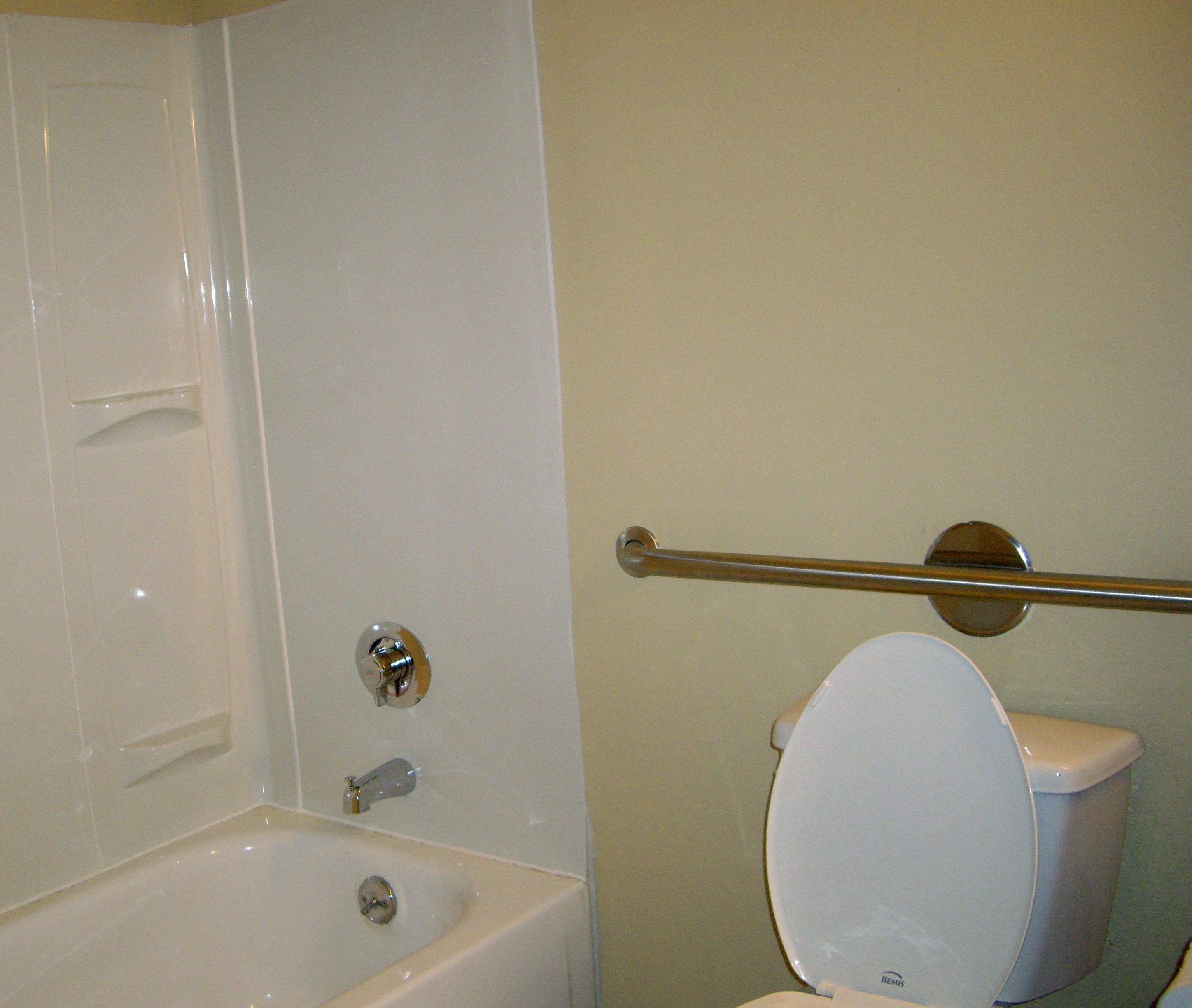
When physical changes to a property are required, we speak of modifications rather than accommodations. Tenants with disabilities have the right to make reasonable, temporary structural modifications to a rental unit at their own personal expense (such as installing grab bars in a shower or a temporary ramp). However, a landlord has the right to require a disabled tenant to restore the modified premises to their original condition at the end of the tenancy.
Discrimination is rarely overt. The law, therefore, recognizes and prosecutes discrimination in several forms, dividing it into two primary legal doctrines:
- Disparate Treatment: This is the traditional legal doctrine involving intentional housing discrimination directed at a specific individual or group based on a protected characteristic. Refusing to rent to a veteran because of their military status is disparate treatment.
- Disparate Impact: This is a legal doctrine where a neutral policy unintentionally causes disproportionate harm to a protected class. For example, advertising local residency preferences in Massachusetts (e.g., "Apartment available only to current residents of this town") is considered discriminatory due to the potential disparate impact on non-local protected groups who historically may have been excluded from that municipality.
Illegal Practices on the Exam
You must be able to identify three critical illegal practices that distort the housing market:
- Steering: The illegal practice of directing prospective purchasers away from or toward specific areas based on their protected class. Crucially, representing an available dwelling as unavailable to push a prospective tenant to another location based on a protected category is a form of illegal steering.
- Blockbusting: The illegal practice of inducing panic selling by claiming that members of a protected class are moving into the neighborhood. This tactic was historically used to frighten white homeowners into selling at a discount, allowing speculators to flip the properties at a premium to minority buyers.
- Redlining: The illegal practice of lenders or insurers refusing to issue loans or policies in specific geographic areas based on the neighborhood's racial composition.
The Lead Paint Fallacy
A frequent trap for landlords involves the intersection of fair housing and the Massachusetts Lead Law. If a property built before 1978 contains lead paint, a landlord faces strict liability for lead poisoning. To avoid abatement costs, landlords sometimes attempt to exclude families with young children. This is explicitly illegal. Landlords in Massachusetts cannot legally refuse to rent to a family with children under six solely because the property contains lead paint. The landlord's duty is to de-lead the property, not to discriminate against the family.

The enforcement of Chapter 151B is swift and severe for real estate professionals. While the Civil Rights Division of the Massachusetts Attorney General's Office has the authority to investigate and prosecute state housing discrimination cases, the primary battlefield is the MCAD.
An individual has 300 days from the date of the alleged discriminatory act to file a housing discrimination complaint with the Massachusetts Commission Against Discrimination. Do not assume violations will go unnoticed just because a client does not complain; fair housing enforcement agencies frequently use covert testers to investigate allegations of illegal discrimination by real estate professionals. These testers pose as identical applicants—differing only by a protected characteristic—to scientifically isolate discriminatory behavior.

The Mandatory Poster
Compliance begins the moment a consumer walks into your brokerage. Every Massachusetts real estate office must conspicuously display a Fair Housing poster from the Massachusetts Commission Against Discrimination. This is not a mere decorative suggestion. A failure to display the mandatory Fair Housing poster in a real estate office is considered prima facie (at first glance) evidence of a discriminatory housing practice. If you are investigated, the missing poster immediately shifts the burden of proof against you.
License Suspensions
If the MCAD rules against you, the consequences for your livelihood are instantaneous. A finding of a fair housing violation by the Massachusetts Commission Against Discrimination triggers an automatic license suspension for a real estate agent by the licensing board.
The Massachusetts Board of Registration of Real Estate Brokers and Salespersons executes these penalties with mechanical precision:
- The Board will automatically suspend a real estate license for 60 days for a first fair housing offense.
- The Board will automatically suspend a real estate license for 90 days for a second fair housing offense within a two-year window.
When you earn your Massachusetts salesperson license, you are granted the authority to operate within the circulatory system of the Commonwealth's real estate market. The strict parameters of Chapter 151B ensure that you operate it fairly, objectively, and to the equal benefit of all participants.