MA Requirements Governing Licensees — Advertising, Commissions & Handling of Monies
Not sure you’re ready?
Take the ~3-minute readiness diagnostic and see where you stand.
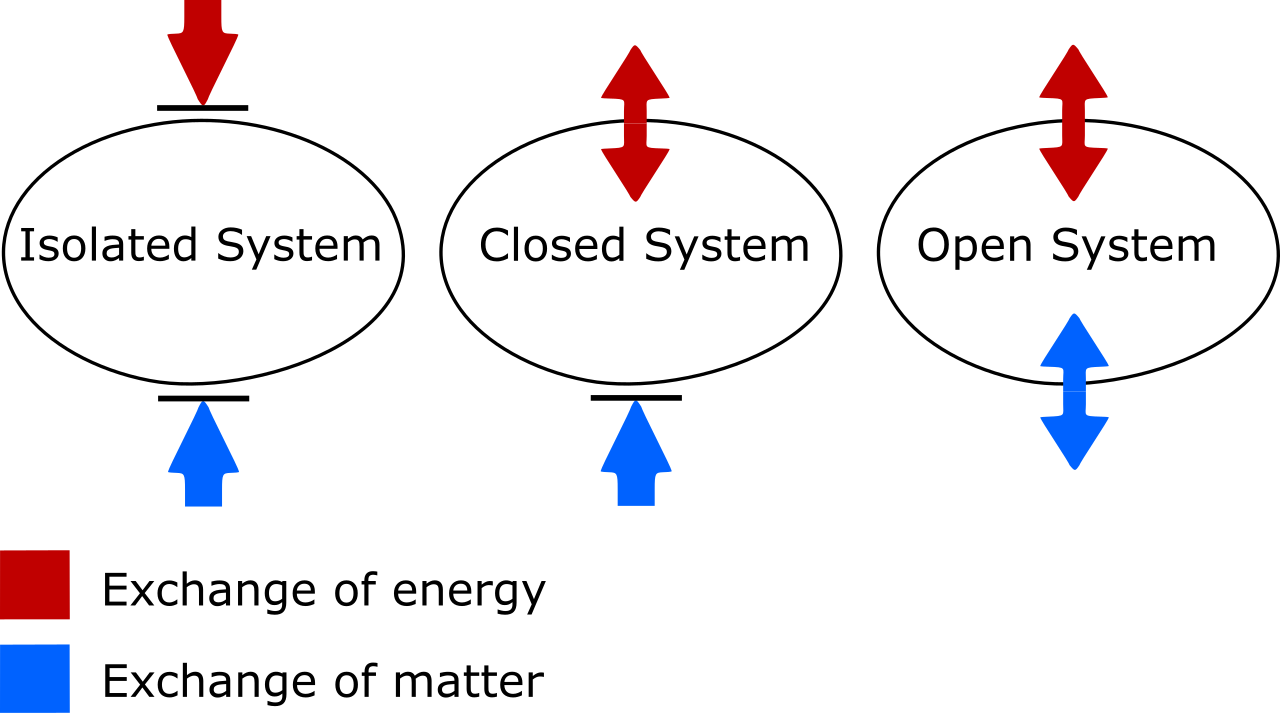
Imagine a thermodynamic system where every unit of energy must be strictly accounted for, lest the entire apparatus overheat and fail. In Massachusetts real estate, money and information are the energy of the system. The Massachusetts Board of Registration of Real Estate Brokers and Salespersons does not view you merely as a facilitator of property sales; it views you as a fiduciary valve controlling the flow of hundreds of thousands of dollars and highly sensitive legal documents. The laws governing your daily practice—MGL c.112 sec. 87PP et seq. and the Board rules found in 254 CMR—exist to remove ambiguity from this system. They mandate absolute transparency in how you present yourself to the public, how you handle other people's money, and exactly how you get paid.
To understand Massachusetts real estate law, you must first understand the structural hierarchy of the profession.
A Massachusetts real estate salesperson must be formally affiliated with a licensed principal real estate broker to legally perform real estate services. You cannot operate in a vacuum; you act strictly as an agent of your affiliated broker and derive your authority to practice real estate exclusively through them. Furthermore, the state requires absolute loyalty in this structural tie: a salesperson may only be affiliated with one real estate broker at a time.
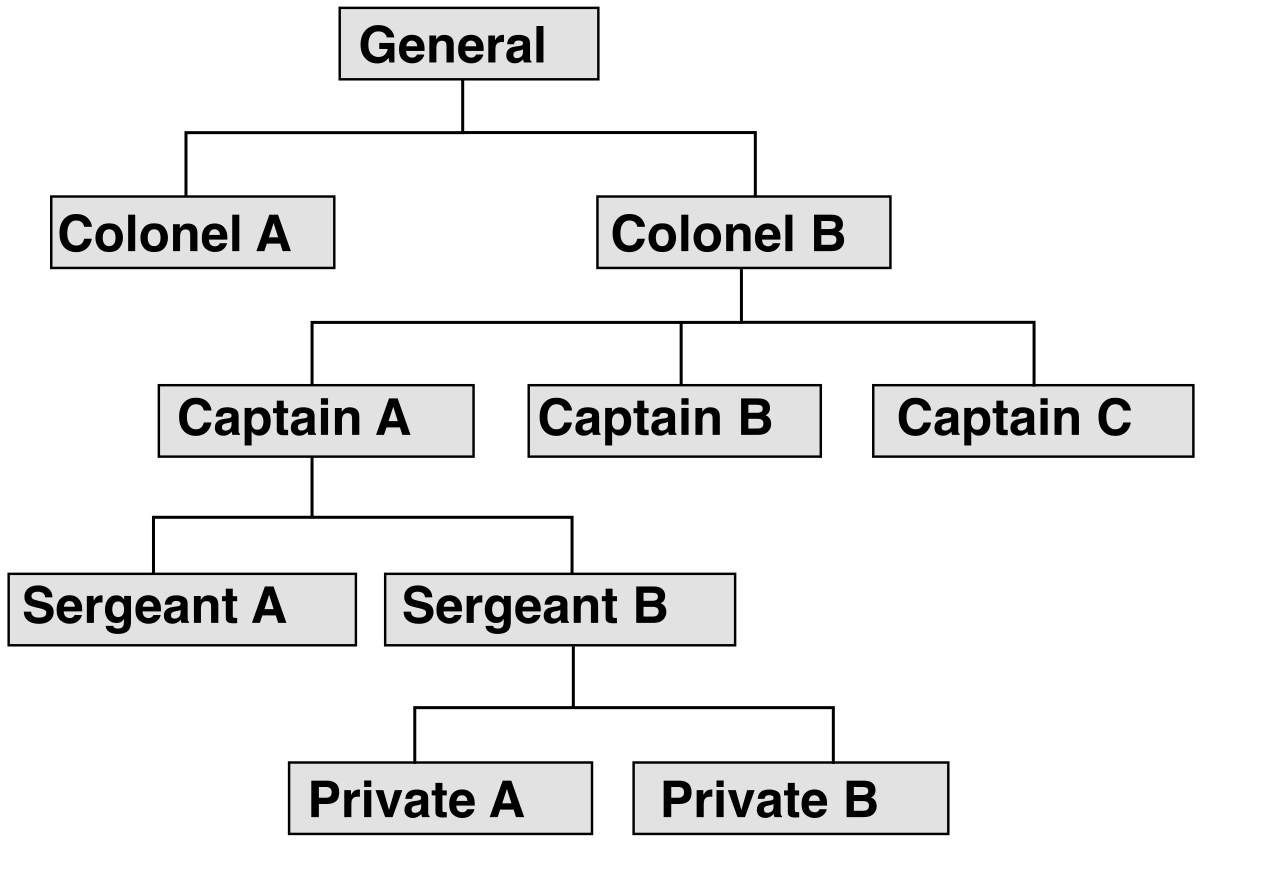
From a tax and operational standpoint, you will likely operate as an independent contractor. This means you pay your own income taxes, set your own working hours, and receive a 1099 tax form from your broker at the end of the year rather than a W-2. However, do not confuse tax status with legal liability. A principal real estate broker remains legally liable for the professional real estate activities of all their affiliated salespersons, regardless of their independent contractor status.
The Limits of Unlicensed Help
Because liability flows upward, the Board strictly regulates who can perform real estate activities. Unlicensed real estate assistants are strictly limited to performing clerical and administrative tasks. They cannot legally show properties, negotiate contract terms, or answer substantive questions about a property. If a consumer asks a substantive question, the unlicensed assistant must defer to a licensed agent.
The flow of money from client to agent is heavily regulated to prevent exploitation and antitrust violations.
First, real estate commissions are fully negotiable between the broker and the client. They are not set by law or any government regulatory board. Any agreement among competing real estate brokers to set standard commission rates across the local market is a severe antitrust violation known as price-fixing.
Warning: The Net Listing A net listing is a real estate agreement where the broker's commission equals any sale amount exceeding the seller's minimum desired net price. (For example, the seller says, "I want $500,000; keep anything you get above that.") Net listings are strictly illegal in Massachusetts and executing one can result in the immediate revocation of your real estate license.
How You Get Paid
Because your legal authority flows through your principal broker, so does your money. A salesperson may only receive a real estate commission or referral fee directly from the salesperson's affiliated principal broker. You cannot accept a check directly from a client, an attorney, or a competing brokerage.
Furthermore, a real estate broker may only share a real estate commission with individuals who hold a valid, active real estate license. This rule extends to referral networks as well: only a person holding a valid, active real estate license may legally receive a finder's fee or referral fee for real estate services in Massachusetts.
Who earns the commission in a complex transaction? The law relies on the concept of the procuring cause: the real estate agent who originated an uninterrupted chain of events that directly resulted in the successful sale or lease of a property.
If a client refuses to pay an earned commission, you, as a salesperson, cannot independently initiate a lawsuit against a client for the unpaid funds. Only a principal real estate broker holds the legal authority to initiate a lawsuit against a client to collect an unpaid real estate commission.
Advertising is the public's primary interface with the real estate market, and Massachusetts requires absolute transparency regarding who is actually selling the property.
The state strictly prohibits blind advertising, which is the illegal practice of a real estate agent advertising a property for sale or lease without disclosing their affiliated real estate broker's identity. To enforce this, all real estate advertisements in Massachusetts must affirmatively and conspicuously disclose the name of the real estate broker.
You cannot hide behind generic contact information. Real estate advertisements must not use only a post office box, telephone number, email address, or street address to identify the advertiser. As a salesperson, you are strictly prohibited from advertising the purchase, sale, rental, or exchange of any real property exclusively under your own personal name. All real estate advertisements placed by a Massachusetts salesperson must conspicuously include the name of the salesperson's affiliated principal broker.

Honest Dealing in Advertising
Bait-and-switch advertising involves illegally advertising a property that is unavailable in order to attract clients and subsequently steer those clients to other properties. Because the rental market moves incredibly fast, the Board requires a specific disclaimer: any Massachusetts advertisement concerning the availability of an apartment must disclose in print no smaller than the apartment description that the advertised apartment "may no longer be available for rental."
Furthermore, discriminatory advertising indicating any preference or limitation based on a protected class is strictly prohibited under Massachusetts Fair Housing law (MGL c. 151B) and Board of Registration rules.
If there is one area where a single misstep will cost you your career, it is the handling of client funds. When a buyer writes an earnest money check, those funds do not belong to you or your broker. They belong to the buyer until the transaction closes or the contract dictates otherwise.
Because a salesperson has no legal authority to hold client funds, a salesperson must immediately turn over any deposit checks or client funds received to the salesperson's affiliated broker.
The broker must then immediately deposit all client money held during the pendency of a real estate transaction into a dedicated bank escrow account. A real estate broker has no legal claim to any of the money held within a client escrow account, and the principal real estate broker is solely responsible for all escrowed money until the transaction is either consummated or formally terminated.
Commingling vs. Conversion
The Board distinguishes between two fatal financial sins:
- Commingling is the illegal act of mixing client funds, such as earnest money deposits, with a real estate broker's personal or operating business funds.
- Conversion is the illegal act of a real estate broker actually using those client escrow funds for the broker's own personal or business expenses. (Commingling is sloppy bookkeeping; conversion is outright theft).
Escrow Mechanics and Disputes
A real estate escrow account may be established as either an interest-bearing or a non-interest-bearing bank account. If a broker holds client funds in an interest-bearing escrow account, the broker must properly account for the generated interest at the consummation or termination of the transaction (typically detailing who receives the interest per the contract).
What happens if a deal falls apart and both the buyer and seller demand the earnest money? In the event of a dispute over escrowed funds, a Massachusetts broker must retain the funds in escrow until both parties sign a written release. If a buyer and seller cannot resolve their dispute, the broker must hold the funds in escrow until a court issues a formal order for disbursement. The broker cannot act as a judge and arbitrarily give the money to one party.
Occasionally, a buyer's earnest money deposit check bounces due to insufficient funds. In this scenario, the real estate broker must immediately notify the seller. However, a real estate broker is not held financially liable for a bounced earnest money check from a buyer unless the broker had prior knowledge that the check would not clear.
The Three-Year Ledger Rule
Massachusetts real estate brokers must maintain detailed records of all funds deposited into their escrow accounts for a minimum of three years. These escrow records must clearly indicate the date received, source of money, check number, date deposited, date of withdrawal, and the identity of the fund owner.
In real estate, if it isn't in writing, it didn't happen. The bedrock rule of document handling is that real estate licensees must provide a copy of any document to the signing party immediately upon that party's signature. Do not tell a client you will mail them a copy next week; hand them a copy the moment the ink dries.
The Three-Year Retention Mandate
Just as escrow ledgers must be kept for three years, brokers must retain specific operational documents for the same duration:
- Copies of the completed Mandatory Licensee-Consumer Relationship Disclosure form must be kept for three years from the date of the notice.
- Copies of signed Consent to Dual Agency and Designated Agency disclosure forms must be retained for three years.
- Records of rental listings and documents demonstrating apartment availability must be kept for three years from the date the apartment is rented.
Conflicts of Interest and Self-Dealing
You have an absolute fiduciary duty to be transparent about your own financial motives. Self-dealing occurs when a real estate licensee attempts to represent themselves, their family, or a business entity they own in a transaction without properly informing all other parties.
A Massachusetts licensee shall not buy, sell, rent, or acquire any interest in a property if the licensee or their relative has a personal financial interest without full disclosure.
This conflict of interest disclosure regarding a licensee's personal financial interest must be made in writing to all parties involved in the transaction. All parties involved must explicitly acknowledge this written disclosure in writing. Timing is critical: the disclosure must be provided to and acknowledged by the parties prior to entering into a binding purchase or lease contract.
Crucial Exam Concept: Merely stating a licensee's personal financial interest in a property within a Multiple Listing Service (MLS) description does not satisfy the written acknowledgment requirement. The acknowledgment must be an explicit, signed document.
The Massachusetts rental market is fast-paced, and historically, tenants have been subjected to confusing fee structures. The Board heavily regulates rental fees to protect prospective tenants.
First, a Massachusetts real estate licensee charging a fee to a prospective tenant must provide a written fee disclosure notice at the first personal meeting with the tenant.
This tenant fee disclosure must explicitly state:
- That the prospective tenant will pay a fee.
- The total fee amount.
- The required time and manner of payment.
- Whether any portion of the fee will be payable by the tenant if a tenancy is not ultimately created.
The disclosure document must contain the licensee's signature, the licensee's license number, the prospective tenant's signature, and the date the notice was given. If a prospective tenant declines to sign the fee disclosure, you cannot force them, but you must note the tenant's name and the tenant's refusal to sign directly on the notice document.
A real estate broker cannot legally charge any fee to a prospective tenant if no tenancy is created unless the tenant agreed in writing to pay such a fee (which is why the disclosure is mandatory at the first meeting).
The August 2025 Rental Fee Revolution
The landscape of rental fees shifted significantly to ensure basic fairness in representation. In Massachusetts, a real estate broker or salesperson may only charge a rental fee to the specific party that directly hired the broker or salesperson. Furthermore, as of August 2025, Massachusetts law prohibits a landlord from passing on the cost of a landlord-hired real estate broker's fee to a tenant. If a landlord hires a broker to list their apartment, the landlord must pay that broker; they cannot force the tenant to absorb the cost of the landlord's representation.
Finally, consistent with the universal three-year rule, copies of a written tenant fee disclosure notice must be maintained by a Massachusetts real estate broker for three years from the date the notice was provided. Furthermore, brokers must maintain a copy of any check, money order, or written cash receipt for tenant fees or deposits for three years from the date of issuance.