Government Rights: Taxes, Eminent Domain, and Escheat
Not sure you’re ready?
Take the ~3-minute readiness diagnostic and see where you stand.
Private property ownership in the United States is fundamentally an illusion of absolute control. When your client receives the deed to a house at closing, they are not acquiring total sovereignty over the dirt beneath their feet. Instead, they are purchasing a bundle of legal rights that remains perpetually subordinate to a higher authority. This invisible leash on private property ensures that the broader needs of society can, when necessary, override the individual owner.
To understand real estate, you must understand the government's enduring grip on it. The four fundamental government powers over private real estate are represented by the acronym PETE.
PETE stands for:
- Police Power
- Eminent Domain
- Taxation
- Escheat
While Police Power covers zoning, building codes, and broad environmental regulations, the other three forces—Taxation, Eminent Domain, and Escheat—deal directly with the government's ability to extract value from, seize, or inherit private land. As a real estate professional, you will encounter these concepts not as abstract legal theories, but as deal-making or deal-breaking realities in your daily transactions.
Taxation is the government right to levy charges on private property to raise funds for public services. Because real estate is physically immobile—you cannot hide an acre of land in an offshore bank account—it provides a highly stable, predictable tax base for local municipalities.
There are two primary categories of property taxes you must master:
1. Ad Valorem Taxes
Ad valorem taxes are general property taxes based on the assessed value of the real estate (from the Latin ad valorem, meaning "according to value"). When your clients pay their annual property tax bill to fund the local school district, police department, and county administration, they are paying ad valorem taxes. If their property is assessed at a higher value, they pay a proportionally higher tax.
2. Special Assessments
While ad valorem taxes fund general community operations, special assessments are specific taxes levied only on properties that directly benefit from a local public improvement.
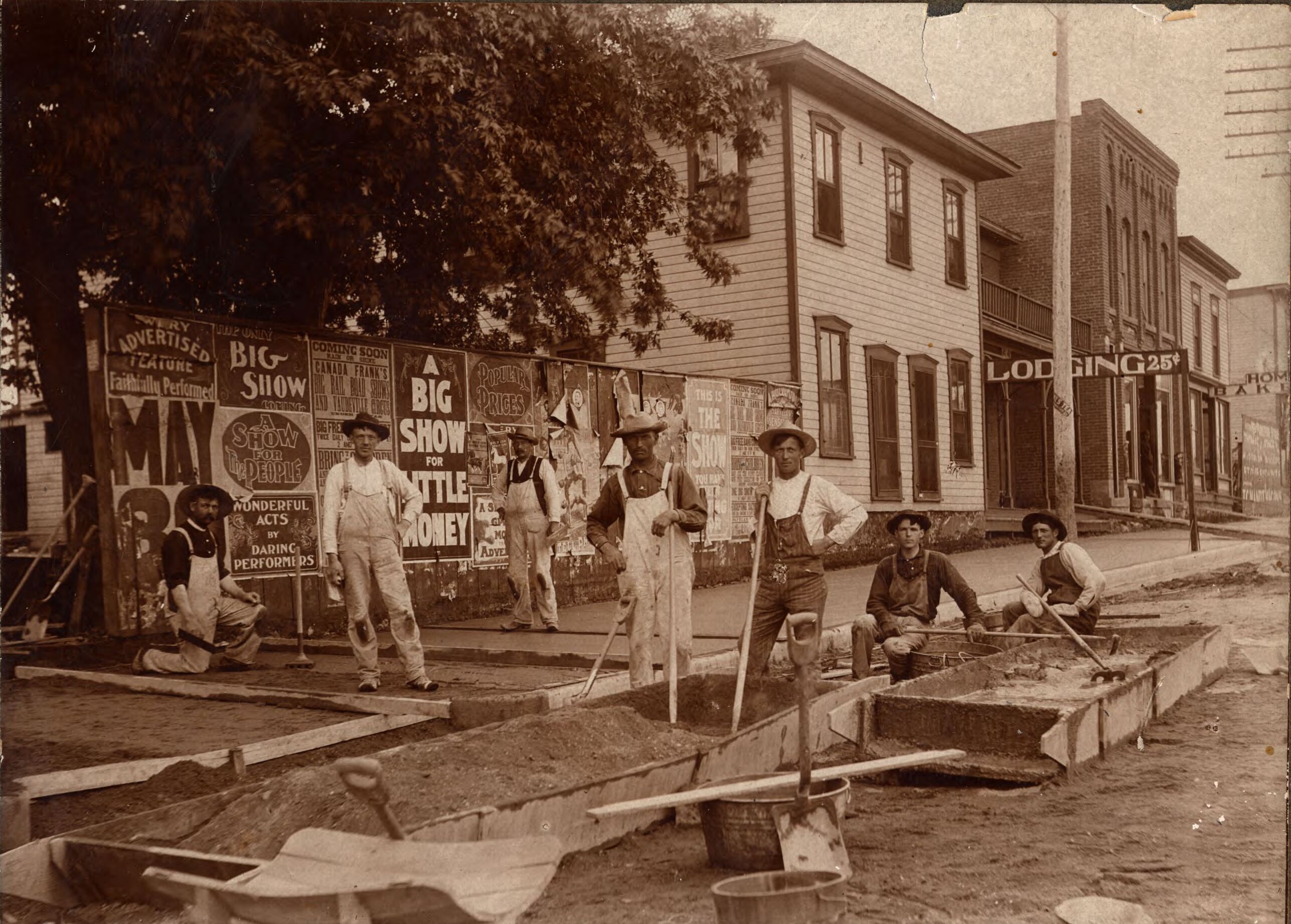
Imagine the city decides to install a new sewer line in a specific neighborhood. The entire city does not benefit from this—only the homes hooking up to the new sewer do. Therefore, only those specific homeowners receive the special assessment bill. Sidewalk installations and street lighting are common public improvements funded by special assessments.
Why this matters to you: When representing a buyer, you must investigate whether there are pending or unrecorded special assessments. A buyer expecting to pay $300 a month in regular property taxes will be furious if they suddenly receive a $5,000 special assessment bill for newly paved neighborhood sidewalks that was approved right before closing.
The Power of the Tax Lien
What happens if a property owner simply refuses to pay these taxes? The government does not send the property to a collection agency; they attach a legal claim to the property itself.
Unpaid ad valorem property taxes create a specific, involuntary, statutory lien against the real estate.
- Specific: It attaches to this specific parcel of land, not the owner's general assets.
- Involuntary: It is placed against the property without the owner's consent.
- Statutory: It is created automatically by operation of law, not by a court judgment.
Similarly, unpaid special assessments create a specific, involuntary, statutory lien against the real estate.
Lien Priority and Tax Sales
In the hierarchy of real estate liens, the government always stands at the front of the line. Property tax liens take priority over all other types of property liens. Furthermore, special assessment liens take priority over mechanics liens and mortgage liens.
If taxes remain unpaid, a government entity can force the sale of a private property to satisfy unpaid property tax liens through a tax sale.
Let us look at a practical scenario to see how this super-priority operates in the real world:
| Lien Type | Amount Owed | Lien Priority Rank |
|---|---|---|
| Unpaid Ad Valorem Property Tax | $4,000 | 1st (Always paid first) |
| Unpaid Special Assessment (Sidewalk) | $1,500 | 2nd (Follows general property tax) |
| First Mortgage (Bank of America) | $200,000 | 3rd |
| Mechanics Lien (Local Roofer) | $8,000 | 4th |
Scenario: The property is forced into a tax sale and auctioned for $210,000. Because property taxes and special assessments possess supreme priority, the government takes its $4,000 and $1,500 directly off the top. The bank receives the remaining $204,500 (meaning the bank suffers a loss, which is why lenders require buyers to pay taxes into an escrow account). The roofer gets nothing.
While taxation extracts money from the property, eminent domain extracts the property itself. Eminent domain is the inherent power of the government to take privately owned land for public use.
It is vital to distinguish between the abstract right and the physical process:
- Eminent domain represents the government right to take property.
- Condemnation is the formal legal and administrative process used by the government to execute an eminent domain taking.
Think of eminent domain as the weapon, and condemnation as the firing of the weapon. Condemnation represents the actual government action of taking property.
The Constitutional Guarantee: Just Compensation
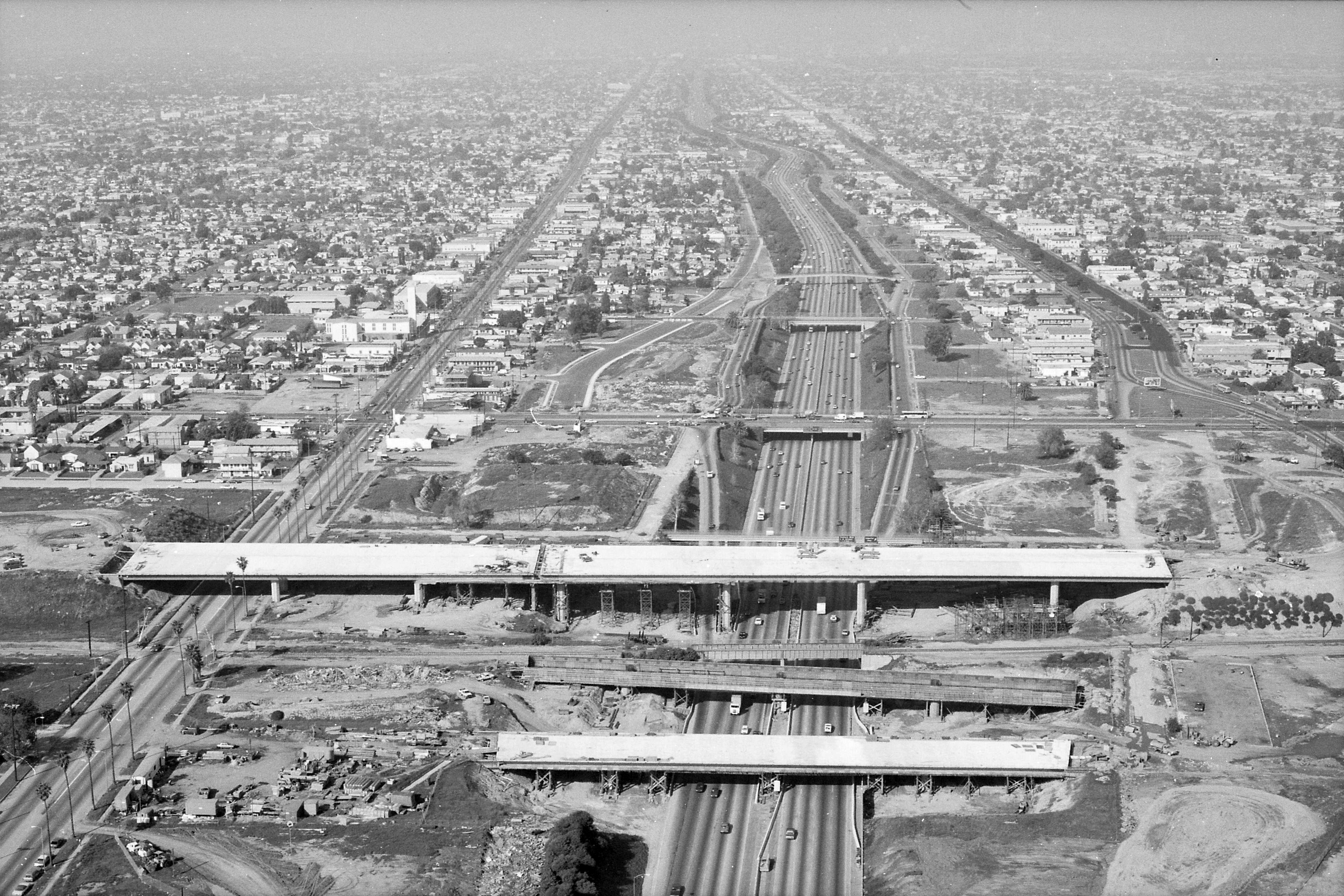
The government cannot simply seize a farm to build an interstate without paying for it. The Fifth Amendment of the United States Constitution requires the government to pay just compensation when exercising eminent domain.
How is "just compensation" calculated? Just compensation in an eminent domain taking is typically determined by the fair market value of the property. If the government wants your client's commercial lot, they must hire appraisers to determine what that lot would sell for on the open market, and offer your client that amount.
Public Use vs. Public Benefit
Historically, eminent domain was strictly utilized for undeniable public necessities. Highways, public schools, and government buildings are standard public use justifications for eminent domain.
However, the definition of "public use" was drastically expanded in 2005. The US Supreme Court case Kelo v. New London established that eminent domain can be used to transfer land to a private developer for public economic development.
In Kelo, the city of New London, Connecticut, used eminent domain to force homeowners out of their properties so the land could be given to a private corporate developer. The city argued that the new commercial development would create jobs and increase tax revenues, which constituted a "public benefit." The Supreme Court agreed, forever altering the landscape of property rights.
Inverse Condemnation: When the Owner Sues
Sometimes the government ruins the value of a property without formally initiating the condemnation process.
Imagine your client owns a quiet, $500,000 suburban home. The city decides to expand the local commercial airport, building a new runway that ends exactly 200 feet from your client's roof. Jumbo jets now rattle the windows every ten minutes. The home is now completely unsellable, effectively destroying its fair market value. The government never formally condemned the house, but their actions ruined it.
In response, the owner can fight back. Inverse condemnation is a lawsuit initiated by a private property owner against the government. In this scenario, a property owner files an inverse condemnation suit to demand compensation when government action significantly destroys the property's value.
Eminent Domain vs. Police Power
Do not confuse eminent domain with police power. If the government changes the local zoning laws (Police Power) so that a property owner can no longer build a three-story building on their land, the property value might drop. However, unlike eminent domain, the government does not pay compensation to property owners when restricting property use through police power. Under police power, the government is simply regulating use for public health and safety; under eminent domain, they are physically taking ownership.
The final letter in our PETE acronym stands for the strangest, yet most logical, power the government wields.
Escheat is the legal mechanism that transfers ownership of private real estate to the state government.
To understand escheat, we must first understand how people die under the eyes of the law. Dying intestate refers to a person dying without leaving a valid will. If a person dies intestate, the state will typically look for a spouse, children, or distant relatives to inherit the property according to the state's laws of descent.
But what happens if a solitary hermit passes away, leaves no will, and a thorough search yields absolutely no living relatives? The property cannot just sit in a state of legal limbo forever. Escheat occurs when a property owner dies intestate lacking any identifiable legal heirs.
The Policy and the Process
The law detests a vacuum. Land requires maintenance, pays taxes, and holds economic value. The primary public policy purpose of escheat is to prevent real estate from becoming permanently abandoned or ownerless.
Furthermore, state governments can also claim ownership of legally abandoned private property through the power of escheat. If a property is entirely walked away from and left legally desolate, the state steps in as the ultimate sovereign owner.
Once the state takes title to a property through escheat, what do they do with it? The government is not in the business of holding onto random residential homes or vacant lots. Property acquired by the state through escheat is typically sold to return the property to the active real estate tax roll.
By selling the property at a public auction, the state accomplishes two goals:
- They put the land back into the hands of a private citizen who will maintain it.
- They generate an ad valorem property tax stream from the new owner, bringing the cycle of government powers back to the beginning.

| Power | Definition | Action/Trigger | Compensation to Owner? |
|---|---|---|---|
| Taxation | Raising funds for public services. | Levying Ad Valorem taxes or Special Assessments. | No (owner pays the state). |
| Eminent Domain | Taking private land for public use. | Condemnation (the formal process). | Yes (Just Compensation / Fair Market Value). |
| Police Power | Regulating property for health/safety. | Zoning laws, building codes. | No. |
| Escheat | Claiming ownerless property. | Owner dies intestate (no will) with no heirs, or property is abandoned. | No (there is no one to compensate). |