Maryland Property Disclosure & Disclaimer
Not sure you’re ready?
Take the ~3-minute readiness diagnostic and see where you stand.
In any transaction involving a complex, aging structure, the fundamental problem is information asymmetry. The seller, who has lived in the house for a decade, knows exactly which floorboards groan, where the basement takes on water during a July thunderstorm, and whether the wiring is modern or dangerously outdated. The buyer, walking through for a thirty-minute showing, knows none of this. To balance this scale, Maryland law relies on a singularly important statutory mechanism: the Maryland Residential Property Disclosure and Disclaimer Statement.

For a Maryland real estate salesperson, mastering this document is not a bureaucratic exercise; it is the structural steel of a residential transaction. Misunderstanding how it works, when it is due, or what it requires will not merely delay a closing—it can blow up a transaction entirely, trap client funds in escrow disputes, and expose you to professional liability.
Let us dissect exactly how this law operates, why it is designed this way, and how you will navigate it daily.
The requirement to provide a completed Maryland Residential Property Disclosure and Disclaimer Statement applies to sales of residential properties containing one to four single-family units. Whether your client is selling a modest townhouse, a detached suburban colonial, or a quadplex, this law governs the transaction.

By law, a seller of a single-family residential property must provide this completed statement to the buyer. Notice the phrasing: it is the seller's obligation to provide it. However, the state places the burden of education squarely on your shoulders as the real estate licensee.
- If you represent the seller: A real estate licensee representing a seller must inform the seller of their legal obligation to complete the form.
- If you represent the buyer: A real estate licensee representing a buyer must inform the buyer of their legal right to receive it.
Furthermore, a Maryland property buyer cannot legally waive the right to receive the Maryland Residential Property Disclosure and Disclaimer Statement. You cannot write a clever addendum saying "Buyer waives the property disclosure." The state refuses to allow buyers to contract away their right to basic consumer protection.
When you slide this document across the kitchen table to your seller, they face a fundamental choice. Under Maryland law, a seller must choose to either disclose the condition of the property or disclaim all representations about the property. They cannot do a bit of both; they must select one path.
| Option | What It Means | The Seller's Obligation |
|---|---|---|
| Disclosure | The seller acts as an active informant. | Choosing the disclosure option on the Maryland form requires the seller to reveal known facts regarding the physical condition of the property. They will go through a checklist detailing the roof, plumbing, foundation, etc. |
| Disclaimer | The seller steps back. Choosing the disclaimer option on the Maryland form means the seller is selling the property in "as is" condition. | A seller choosing the disclaimer option makes no representations or warranties regarding the condition of the property. The buyer takes the house exactly as they find it. |
In practice, many sellers—especially those who have heavily updated a home—choose Disclosure to highlight the property's good condition. Others, perhaps investors or heirs, choose Disclaimer to minimize post-closing liability.
The Latent Defect Exception (The Limit of "As Is")
There is a massive, critical caveat to the Disclaimer option. A seller cannot use a Disclaimer to deliberately hide a life-threatening hazard.
A seller must disclose known latent defects even if the seller chooses the disclaimer option on the Maryland Residential Property Disclosure and Disclaimer Statement.
What exactly is a latent defect? In everyday language, we might call a leaky faucet a defect. Maryland law is far more precise.
Latent Defect: A material defect in real property that a purchaser would not reasonably discover during a normal visual inspection. Furthermore, to meet the Maryland statutory definition of a latent defect, the defect must pose a direct threat to the health or safety of the purchaser or an occupant.
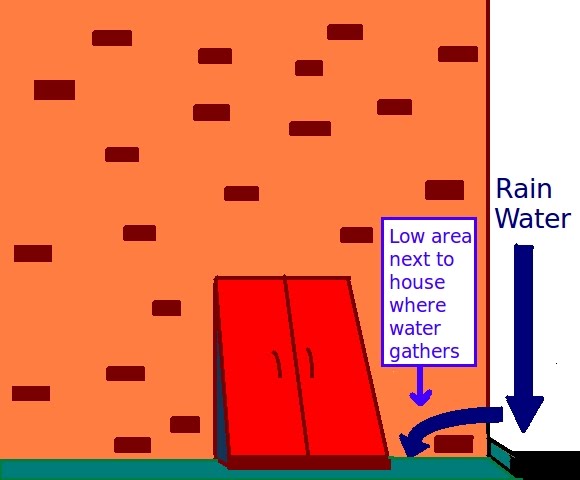
If the basement floods every spring, ruining the carpet, but doesn't threaten health or safety, it is a defect—but not a latent defect under the statutory definition. If the seller knows the house has faulty, sparking aluminum wiring hidden behind the drywall that could start a fire, that is a latent defect. Even if the seller checks the "Disclaimer" box, they are legally bound to attach a page outlining that dangerous wiring.
Information is only valuable if you have it in time to make a decision. Therefore, the Maryland Residential Property Disclosure and Disclaimer Statement must be provided to the buyer on or before the day the buyer signs the purchase contract.
When you ensure the buyer receives this document before they sign, the transaction moves forward normally. But what happens if you, as the listing agent, forget to provide it? Or if the buyer's agent fails to demand it? The law arms the buyer with the ultimate weapon: rescission.
- Before Signing: If a buyer does not receive the statement before signing the contract, the buyer retains the right to rescind the contract.
- Late Receipt: A buyer who receives the statement after signing the contract has a five-day period to rescind the contract, starting from the moment they finally receive the document.
Let's look at the mechanics of this rescission. To rescind a contract based on the statement, the buyer must provide written notice of rescission to the seller. They cannot just call and say, "We're out." It must be in writing.
If they follow this protocol, the penalty to the seller is absolute. A buyer who legally rescinds a contract due to late receipt of the document is entitled to an immediate return of all earnest money deposits. The seller cannot hold the money hostage or claim the buyer breached the contract. The seller's failure to provide the document essentially gives the buyer a free pass to walk away with their cash intact.
When Does the Power to Rescind Evaporate?
This Sword of Damocles does not hang over the transaction forever. A buyer's right to rescind a contract based on the statement terminates upon two specific events:
- Settlement: The moment the paperwork is signed at the closing table and title transfers.
- Occupancy: The buyer's physical occupancy of the property (e.g., an early move-in agreement before settlement).
Once the buyer takes the keys and moves in, or signs the final closing docs, their right to cancel the contract over a late disclosure disappears.
Real estate transactions take time. A roof that was fine in April might sustain massive hail damage in May, two weeks before closing.
If the facts change, the paperwork must change. A seller must amend the Maryland Residential Property Disclosure Statement upon discovering a materially inaccurate fact in the original disclosure before settlement.
Once amended, the seller must promptly deliver any amended statement to the buyer.
Because this is new, material information about the property, the buyer's math might change. Therefore, an amended Maryland Residential Property Disclosure Statement triggers a new five-day rescission window for the buyer. If the buyer decides that a recently discovered cracked foundation is too much to handle, they can use that five-day window to terminate the contract and recover their earnest money.
While the law is broad, Maryland recognizes that in certain situations, the seller possesses no more information about the property than the buyer does, or the transaction is purely administrative. In these specific scenarios, the transaction is exempt from the Maryland Residential Property Disclosure and Disclaimer Statement requirement.
You must memorize these exemptions, as they dictate whether you need to chase down this paperwork:
- New Construction: The initial sale of a single-family residential property that has never been occupied is exempt. (The builder will provide separate warranties, but they cannot disclose the "history" of a house that has no history).
- Court Orders: Property transfers resulting from a court order are exempt (e.g., a judge ordering a property liquidated).
- Foreclosures: Foreclosures sales are exempt. The bank has not lived in the property and knows nothing about its quirks.
- Estate Administration: Property transfers by a fiduciary in the course of administering a decedent's estate are exempt. An executor living across the country cannot accurately disclose the condition of their late uncle's home.
- Spousal Transfers: Real estate transfers between spouses are exempt (often seen in divorce settlements).
- Co-tenants: Real property transfers between co-tenants are exempt (e.g., two brothers own a house, and one buys the other out; they both already know the property).
- Government Actions: Real estate transfers to or from a government entity are exempt.
As a real estate salesperson, your job is to advise, coordinate, and negotiate. You are not a home inspector.
Consequently, a real estate licensee is generally exempt from liability for a seller's false statements on the Maryland Residential Property Disclosure and Disclaimer Statement. If your seller boldly checks "No" under roof leaks, and you have no reason to doubt them, you will not lose your license or face a lawsuit when it rains in the living room three months later.
However, this shield is not absolute. A real estate licensee faces liability upon gaining knowledge that a seller's statement is false.
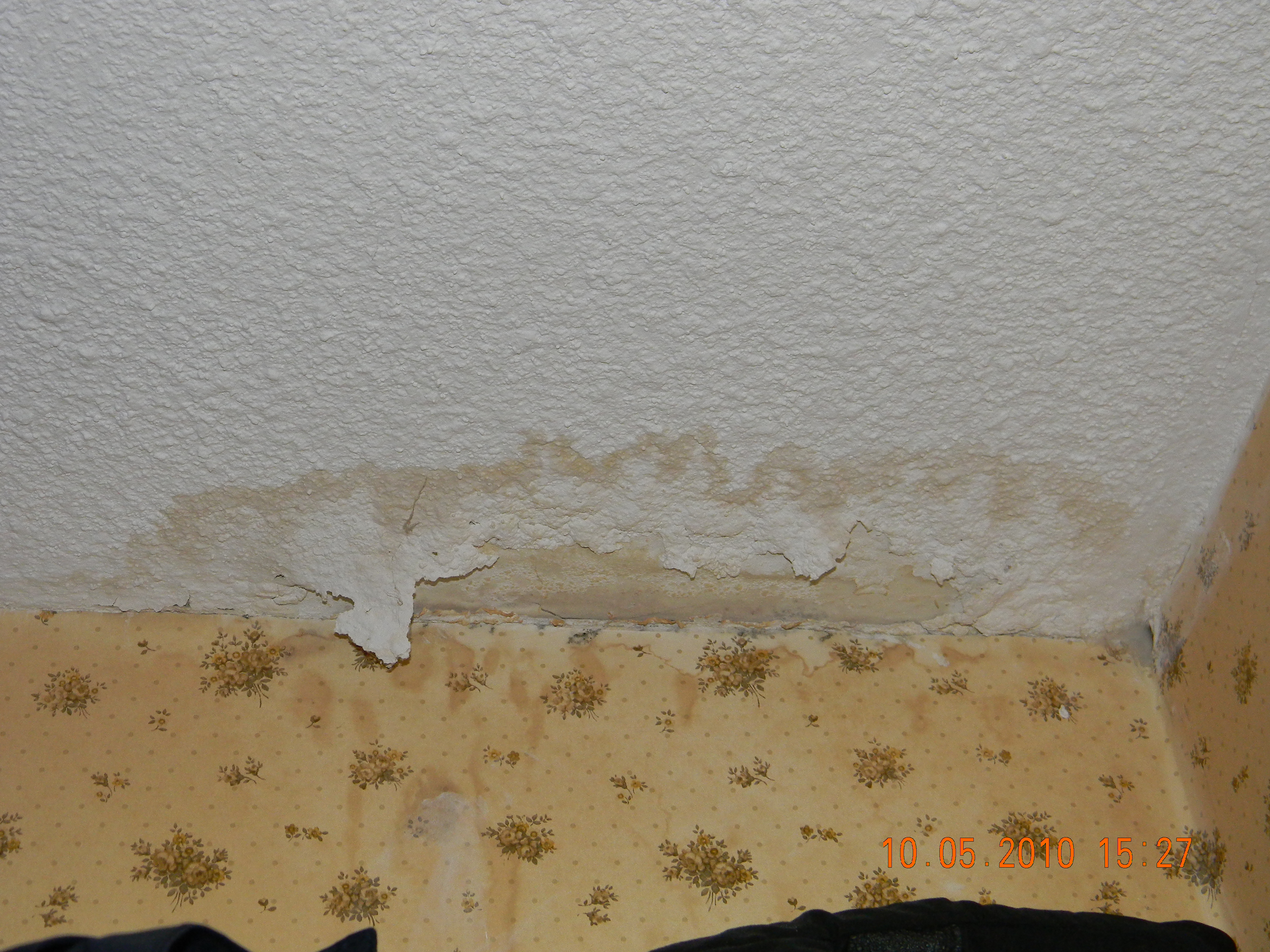
If you are walking through the property with the seller and notice massive water stains on the ceiling, and the seller winks at you and checks "No leaks" on the disclosure form, you are now complicit if you remain silent. Knowledge changes everything. If you know the seller is lying on this legally binding document, your duty of honesty and fair dealing to all parties overrides your duty of confidentiality to your client. You must insist the seller answers truthfully; if they refuse, you must step away from the transaction.
By understanding the precise mechanics of the Maryland Residential Property Disclosure and Disclaimer Statement—the timing, the latent defect thresholds, the power of rescission, and your own liability—you transform a routine piece of paperwork into an instrument of clarity, protecting both your clients and your own professional license.