Seller Disclosure, Inspections, and Red Flags
Not sure you’re ready?
Take the ~3-minute readiness diagnostic and see where you stand.
Under the ancient common law doctrine of caveat emptor—meaning "let the buyer beware"—a purchaser bought property at their own absolute peril. If a home’s foundation cracked in half the day after closing, the legal system offered no remedy; the buyer simply owned a very expensive pile of rubble. Today, the landscape of real estate transactions has fundamentally shifted. Most US states have replaced caveat emptor with statutory requirements mandating sellers to proactively disclose known property conditions. You are no longer just facilitating the transfer of bricks and mortar; you are navigating a complex intersection of physical realities, chemical histories, and strict legal obligations.

To guide a client safely through a transaction, you must understand what constitutes a defect, what triggers a legal duty to disclose, and how to spot the subtle physical anomalies—the "red flags"—that demand professional investigation.
Before we discuss disclosure, we must rigorously define what we are disclosing. In real estate, not all flaws are created equal. A squeaky floorboard is a nuisance; a failing foundation is a liability.
Material Defect: A specific issue with a system or component of a residential property that may have a significant adverse impact on the value of the property, OR a specific property issue that poses an unreasonable risk to the health or safety of people.
If a flaw affects the property's underlying math (its value) or its habitability (health and safety), it crosses the threshold into materiality. From there, the law categorizes these defects based on their visibility.
| Defect Type | Definition | Real-World Application |
|---|---|---|
| Patent Defect | A property flaw that is easily visible or apparent during an ordinary inspection. | A shattered window in the living room. Everyone can see it. The buyer is on notice. |
| Latent Defect | A hidden structural flaw that would not be discovered by an ordinary, reasonable inspection. | Rotted floor joists sealed perfectly behind finished basement drywall. |
This distinction is the engine of disclosure law. Sellers have a legal duty to disclose all known material latent defects to prospective buyers. The law does not expect a buyer to have X-ray vision, but it strictly prohibits the seller from wearing a blindfold.
To formally manage this transfer of knowledge, jurisdictions utilize a seller property disclosure statement. This is a document completed by the property owner detailing the current condition of the property.
There are three critical operational rules regarding this document:
- It is an evolving document. A seller must amend the property disclosure statement if the condition of the property changes materially before closing. (If the basement floods during escrow, the seller cannot remain silent).
- It is not an agreement of condition. Buyers typically sign the seller property disclosure statement solely to acknowledge receipt of the document, not to agree that the home is flawless.
- It is not a substitute for expertise. The seller's property disclosure statement is not a substitute for an independent professional home inspection.
The "As Is" Misunderstanding
One of the most dangerous traps for an aspiring licensee is the legal definition of "as is."
- Selling a property "as is" means the seller will not make any repairs to the property prior to closing.
- However, selling a property "as is" does not relieve the seller of the legal obligation to disclose known material defects.
Think of it this way: If a seller is offering a car "as is" with a cut brake line, they do not have to pay a mechanic to replace the brake line—but they absolutely must tell the buyer the brakes do not work before they hand over the keys.
As a licensed real estate professional, you are held to an independent standard of transparency. A real estate licensee must disclose any known material defects to buyers regardless of the seller's contrary instructions. Your fiduciary duty of obedience to your client ends the exact moment it crosses into deceit.
When an agent fails in this duty, the law measures their culpability by their intent:
- Fraudulent Misrepresentation: An agent who intentionally conceals a known material defect is guilty of fraudulent misrepresentation.
- Negligent Misrepresentation: This occurs when a real estate agent fails to disclose a material defect the agent should have reasonably known about. You cannot claim ignorance if the red flag was staring you in the face.
Because you can be held liable for what you "should have known," you must develop an eye for physical anomalies. While you are not an inspector, your job is to observe the property and know when to call one in. Real estate agents should consistently recommend that buyers obtain a professional home inspection—a limited and non-invasive examination of the physical condition of a home.
Here is how you categorize the symptoms of a sick house:
Structural and Water Intrusions
Water and gravity are the two most relentless enemies of a structure.
- The Roof: A sagging roofline is a red flag that warrants a structural inspection of the property.
- The Foundation: Uneven floors in a home are a red flag that warrants a structural or foundation inspection.
- Leaks: Water stains on a ceiling are a red flag that warrants a roof or plumbing inspection.
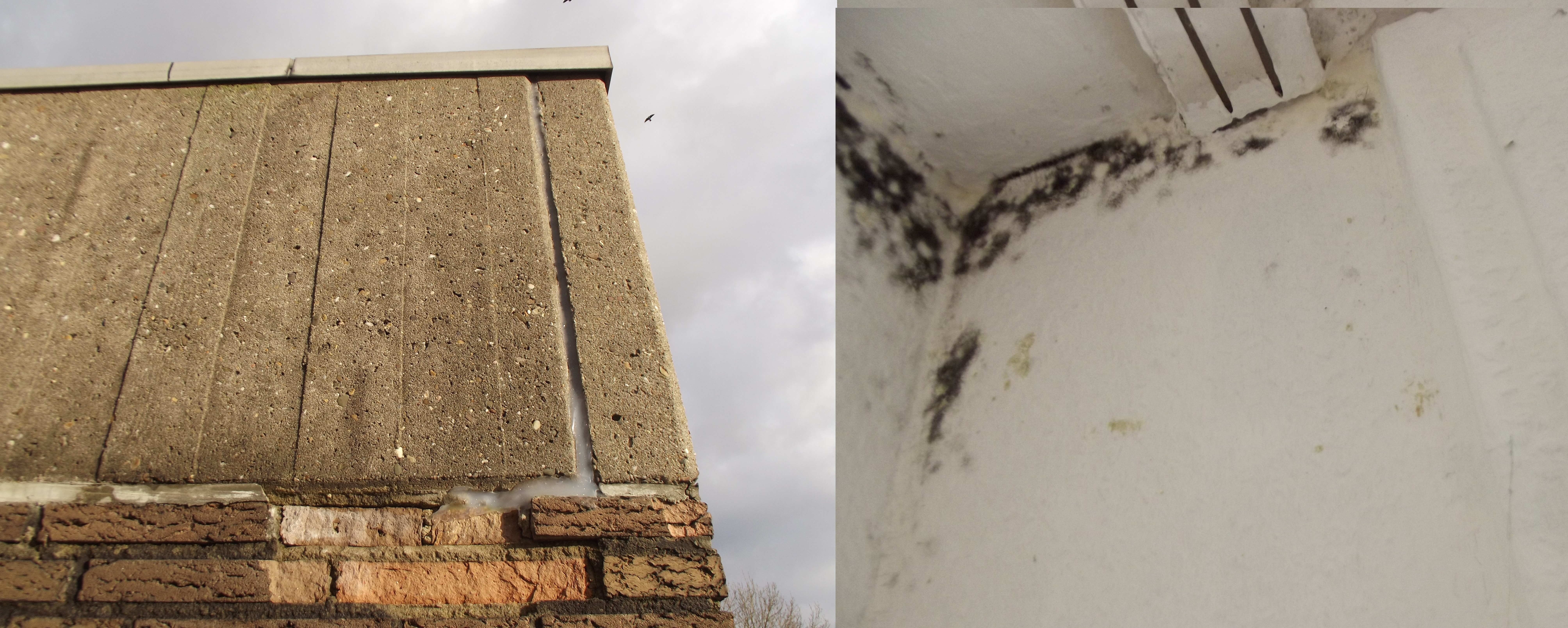
- Moisture/Mold: A persistent musty odor in a basement is a red flag that warrants a professional mold or moisture inspection.
Wood-Destroying Insects
Bugs eat equity. You must recognize their fingerprints.
- Termites: Mud tubes on a foundation wall indicate a potential subterranean termite infestation. The presence of these mud tubes immediately warrants a professional wood-destroying insect inspection.
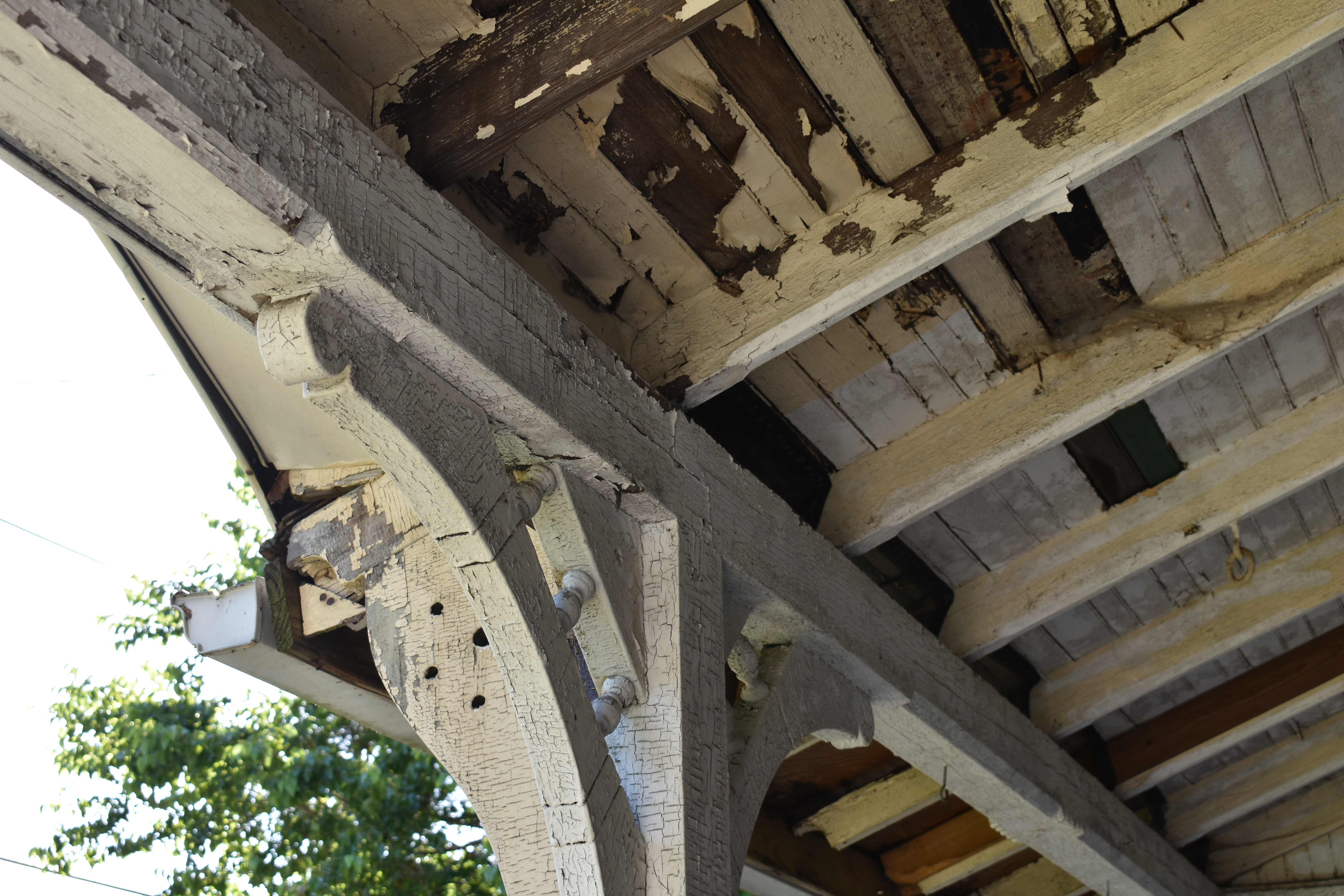
- Carpenter Ants/Drywood Termites: Sawdust-like powder near woodwork is a red flag indicating a potential carpenter ant or drywood termite infestation.

Permits and Code Violations
When homeowners attempt DIY renovations, they often bypass municipal codes.
- A basement bedroom lacking an egress window is a red flag for a building code violation (in a fire, a trapped occupant has no escape).
- The presence of a structural home addition without matching municipal tax records warrants an investigation into unpermitted work. If the city doesn't know it exists, it wasn't inspected, and the buyer may inherit the liability to tear it down.
A property is not an island; it is a geographic puzzle piece constrained by the rights of others.
Encroachments and Surveys
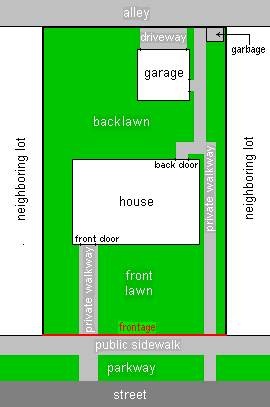
An encroachment is the unauthorized physical intrusion of an improvement onto an adjoining property.
- A fence built slightly inside or outside a neighboring property line is a red flag for a potential boundary encroachment.
- A newly constructed addition on a neighboring property near the lot line warrants a land survey to confirm property boundaries.
- Ultimately, all suspected property encroachments warrant a professional land survey.
Easements
A utility easement grants a utility company the legal right to access a specific portion of private property.
- Visible utility boxes in a residential backyard strongly indicate the presence of a utility easement.
- Furthermore, shared driveways are a red flag for potential easement disputes. The presence of a shared driveway warrants an investigation into private land use controls and deed records to ensure access rights are legally codified, rather than just a handshake agreement between neighbors.
Public and Private Land Use Controls
- Public Controls (Zoning): A business operating out of a residential home is a red flag for potential zoning code violations. The presence of a commercial business in a residential neighborhood warrants an investigation into public land use controls.
- Private Controls (HOAs): Restrictive covenants dictate exactly how an owner can use a property within a homeowner's association. Unusual exterior paint colors in a planned community are a red flag for potential homeowner's association violations. Likewise, non-standard fencing in a planned community warrants an investigation into the property covenants, conditions, and restrictions (CC&Rs).

Nature and industrial history leave traces that can bankrupt a buyer or destroy their health.
Environmental Site Assessments and Contamination
- Underground Storage: A vent pipe protruding from the ground with no obvious connection is a red flag for a buried underground storage tank, which could be leaking heating oil into the soil.
- Industrial Hazards: The presence of an old or abandoned gas station nearby is a red flag for potential environmental contamination. Nearby abandoned industrial sites warrant a Phase I Environmental Site Assessment for the subject property. This assessment identifies potential or existing environmental contamination liabilities on a property.
- Brownfields and CERCLA: Brownfields are defunct or abandoned commercial sites with known or suspected environmental contamination. The urgency here comes from federal law: The Comprehensive Environmental Response, Compensation, and Liability Act (CERCLA) establishes strict liability for environmental cleanup. This means a buyer could be held financially responsible for cleaning up toxic waste they didn't create simply by purchasing the contaminated land.

Federal Health Hazards
- Lead: The federal Lead-Based Paint Hazard Reduction Act applies to residential properties built before 1978. Sellers of pre-1978 residential properties must disclose any known information regarding lead-based paint to buyers. Peeling paint in a home built before 1978 warrants a lead-based paint inspection.
- Asbestos: Friable asbestos is asbestos-containing material that crumbles easily and releases toxic fibers into the air. The presence of crumbling pipe insulation in a home built before 1981 warrants an asbestos inspection.
- Radon: Radon is a naturally occurring, colorless, and odorless radioactive gas that commonly enters residential homes through cracks in the foundation. Because it cannot be seen or smelled, it requires testing. The EPA defines the actionable level of radon in a residential home as 4.0 picocuries per liter (pCi/L) or higher.

Flood Zones
Water doesn't care about property lines. Properties located near a body of water warrant an investigation into FEMA flood zone designations. Properties located in designated Special Flood Hazard Areas require flood insurance when financed with federally backed mortgages.
Finally, we arrive at defects that exist entirely in the human mind. A stigmatized property is a property that buyers or tenants may shun for psychological reasons unrelated to the physical condition of the building. (For example, a home where a highly publicized murder or suicide occurred).
State laws vary wildly on whether psychological stigmas must be disclosed. However, there is one supreme, overriding federal rule you must memorize:
Fair Housing Warning: The federal Fair Housing Act absolutely prohibits real estate agents from disclosing that a former property occupant had HIV or AIDS. Persons with HIV/AIDS are protected as a handicapped class under federal law. Disclosing this information is not merely a breach of ethics; it is a severe federal civil rights violation.
Real estate is the sale of reality—both physical and legal. By understanding the rigorous boundaries of material defects, mastering the disclosure process, and training your eye to spot the red flags of structural decay and legal encroachment, you transform from a mere salesperson into an indispensable professional.