NC Statutory Disclosures, Fair Housing, Taxes & Other State Laws
Not sure you’re ready?
Take the ~3-minute readiness diagnostic and see where you stand.
In North Carolina, the transfer of real estate operates under a rigorous mechanical framework where timing, public disclosure, and strict adherence to statutory law dictate who holds the title, who loses their deposit, and who keeps their brokerage license. This landscape of state law is not a mere collection of bureaucratic hurdles; it is the invisible physics of every transaction. A firm grasp of these statutes transforms a provisional broker from a simple matchmaker into a vital protector of a client’s wealth. To master this machinery for the North Carolina Real Estate License Exam, you must understand exactly how state-specific mandates shape the foundation of a contract, the timeline of taxation, and the precise moment funds can be disbursed at a closing table.
Real property rights are inherently fragile if they are not documented and broadcast to the public correctly. To solidify these rights, North Carolina law requires all contracts for the sale or conveyance of real property to be in writing to be legally enforceable. This is anchored in the North Carolina Statute of Frauds, which exists to prevent the profound chaos of oral property disputes. This rule also applies to long-term usage: under the North Carolina Statute of Frauds, a real estate lease exceeding three years in duration must be in writing to be legally enforceable.
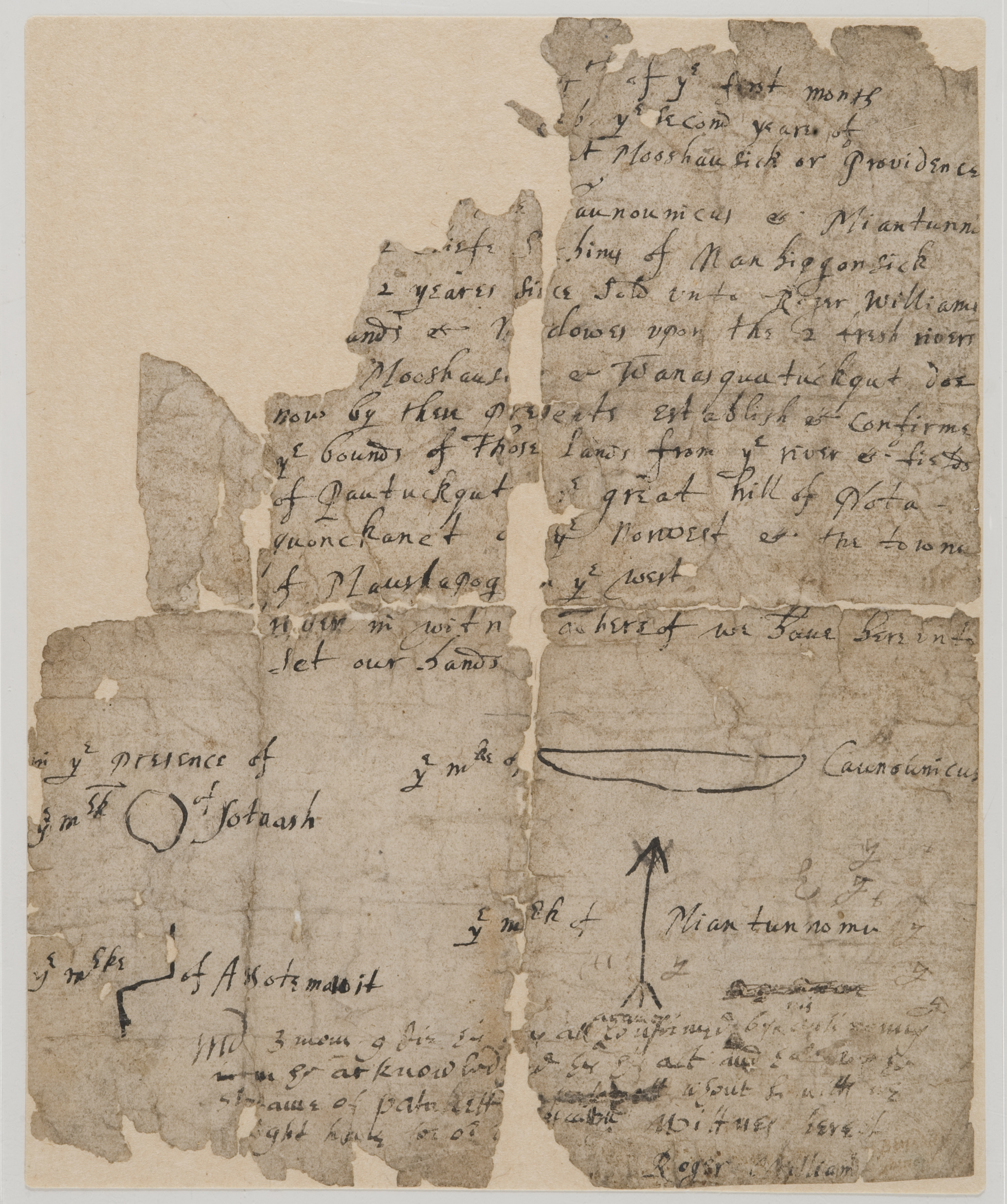
Having a written contract is only half the battle. To enforce these rights against outside challengers, North Carolina strictly follows the Connor Act requiring most real estate documents to be recorded to be enforceable against third parties. Think of recording a document as turning on a megaphone; until you record your document at the Register of Deeds, the world cannot legally "hear" your claim.
This recording requirement dictates transaction strategy. Under the North Carolina Connor Act, a purchase contract must be recorded to protect the buyer's interest against third-party claims. Why the urgency? Because North Carolina is a pure race state meaning the first party to record a deed typically holds the superior claim to the real property. If a nefarious seller signs contracts with two different buyers, the one who wins the footrace to the courthouse to record their deed becomes the legal owner—regardless of who signed their contract first.
This strict reliance on the public record culminates at the closing table. The North Carolina Good Funds Settlement Act prohibits a settlement agent from disbursing closing funds until all required documents are successfully recorded. The money simply does not move until the public record reflects the new reality.
North Carolina is fundamentally a caveat emptor (buyer beware) state, but the legislature has installed highly specific guardrails to protect consumers from flying completely blind.
The Residential Property and Owners' Association Disclosure Statement
The most prominent guardrail is the North Carolina Residential Property and Owners' Association Disclosure Statement. This form must be provided to buyers of residential property consisting of one to four dwelling units.
The division of labor here is legally critical. Sellers of residential property in North Carolina must complete the Residential Property and Owners' Association Disclosure Statement. Consequently, a North Carolina real estate broker must not complete the Residential Property and Owners' Association Disclosure Statement on behalf of a seller. Filling out the form for a client constitutes the unauthorized practice of law and absorbs the seller's liability onto the broker. Instead, a North Carolina real estate broker must advise the seller of the legal duty to complete the Residential Property and Owners' Association Disclosure Statement.
The form allows a seller to answer Yes, No, or No Representation to most property condition questions. This creates a fascinating legal friction. If a seller checks "No Representation," they are legally electing to remain silent. However, under North Carolina law, choosing No Representation on the property disclosure statement does not relieve the broker of the duty to disclose all known material facts. A seller's silence never buys a broker's silence. If the roof leaks and the broker knows it, the broker must disclose the leak regardless of the seller's checkmarks.
Timing is the enforcement mechanism. If a buyer does not receive the Residential Property and Owners' Association Disclosure Statement prior to making an offer, the buyer has a three-day right of rescission. This three-day right of rescission for failure to provide the property disclosure statement begins upon contract formation or receipt of the form, whichever occurs first.
Because the form relies on a seller's historical knowledge, there are logical exemptions. New construction homes that have never been occupied are exempt from the Residential Property and Owners' Association Disclosure Statement requirement. Similarly, foreclosure sales are exempt from the North Carolina Residential Property and Owners' Association Disclosure Statement requirement, as a bank taking back a property generally lacks knowledge of the home's operational history.
The Mineral and Oil and Gas Rights Mandatory Disclosure Statement
Subsurface rights demand their own scrutiny. The Mineral and Oil and Gas Rights Mandatory Disclosure Statement must be provided to buyers of most North Carolina residential properties prior to an offer.
Unlike the previous form, new construction homes in North Carolina are not exempt from the Mineral and Oil and Gas Rights Mandatory Disclosure Statement requirement. The logic is simple: a builder might sell you the house but secretly retain the rights to drill under your lawn. This form forces that reality into the light.
The Mineral and Oil and Gas Rights Mandatory Disclosure Statement requires the seller to disclose whether mineral, oil, or gas rights have been severed from the property. To enforce this, a buyer has a three-day right to cancel a real estate contract if the seller fails to provide the Mineral and Oil and Gas Rights Mandatory Disclosure Statement prior to the offer.
Crucially, while sellers can often check "No Representation" on other forms, a seller cannot choose No Representation regarding the previous severance of mineral, oil, and gas rights by the current seller on the North Carolina disclosure. You either severed the rights during your ownership, or you did not. You cannot feign ignorance of your own actions.
Real estate is a primary engine of state and local revenue. When property changes hands, North Carolina imposes an excise tax on the conveyance of real estate. Historically known as revenue stamps, the North Carolina excise tax is traditionally paid by the seller of the real property.
The math is highly specific. North Carolina excise tax is calculated at a rate of one dollar per five hundred dollars of the property purchase price. But before you do the division, you must follow a strict rule: before calculating North Carolina excise tax, the purchase price must be rounded up to the next nearest five hundred dollars. (For example, a purchase price of $100,250 rounds up to $100,500. Dividing by $500 yields an excise tax of $201).
While excise taxes act as a toll booth at closing, ongoing property taxes operate under the North Carolina Machinery Act, which regulates the assessment and collection of ad valorem property taxes by local municipal governments. Under the North Carolina Machinery Act, the assessed value of a property must equal the market value of the property at the time of assessment.
To maintain this alignment, the North Carolina Machinery Act requires all counties to conduct a reappraisal of property values at least once every eight years. This eight-year property value reappraisal requirement in North Carolina is known as an octennial reappraisal. However, volatile real estate markets demand flexibility, so North Carolina counties may choose to conduct property value reappraisals more frequently than the required eight-year period.
Rates are highly localized. North Carolina tax rates are established annually by local municipalities rather than by the state government. When you see these rates, they are expressed uniquely: North Carolina tax rates are expressed as an amount per one hundred dollars of assessed property value (unlike other states that use "mill" rates).
The Property Tax Timeline The lifecycle of the tax bill dictates how you prorate taxes at closing.
- Under the North Carolina Machinery Act, real property taxes become a legally enforceable lien on the property on January 1 of the tax year.
- The property tax listing period in North Carolina typically runs from January 1 through January 31 each year.
- North Carolina real property taxes are officially due and payable on September 1 of the tax year.
- Finally, North Carolina real property taxes become legally delinquent if not paid by January 5 of the year following the tax year.

Civil rights in real estate are uncompromising. The North Carolina State Fair Housing Act prohibits housing discrimination based on race, color, religion, sex, national origin, handicapping condition, and familial status. The protected classes under the North Carolina State Fair Housing Act are identical to the protected classes under the federal Fair Housing Act.
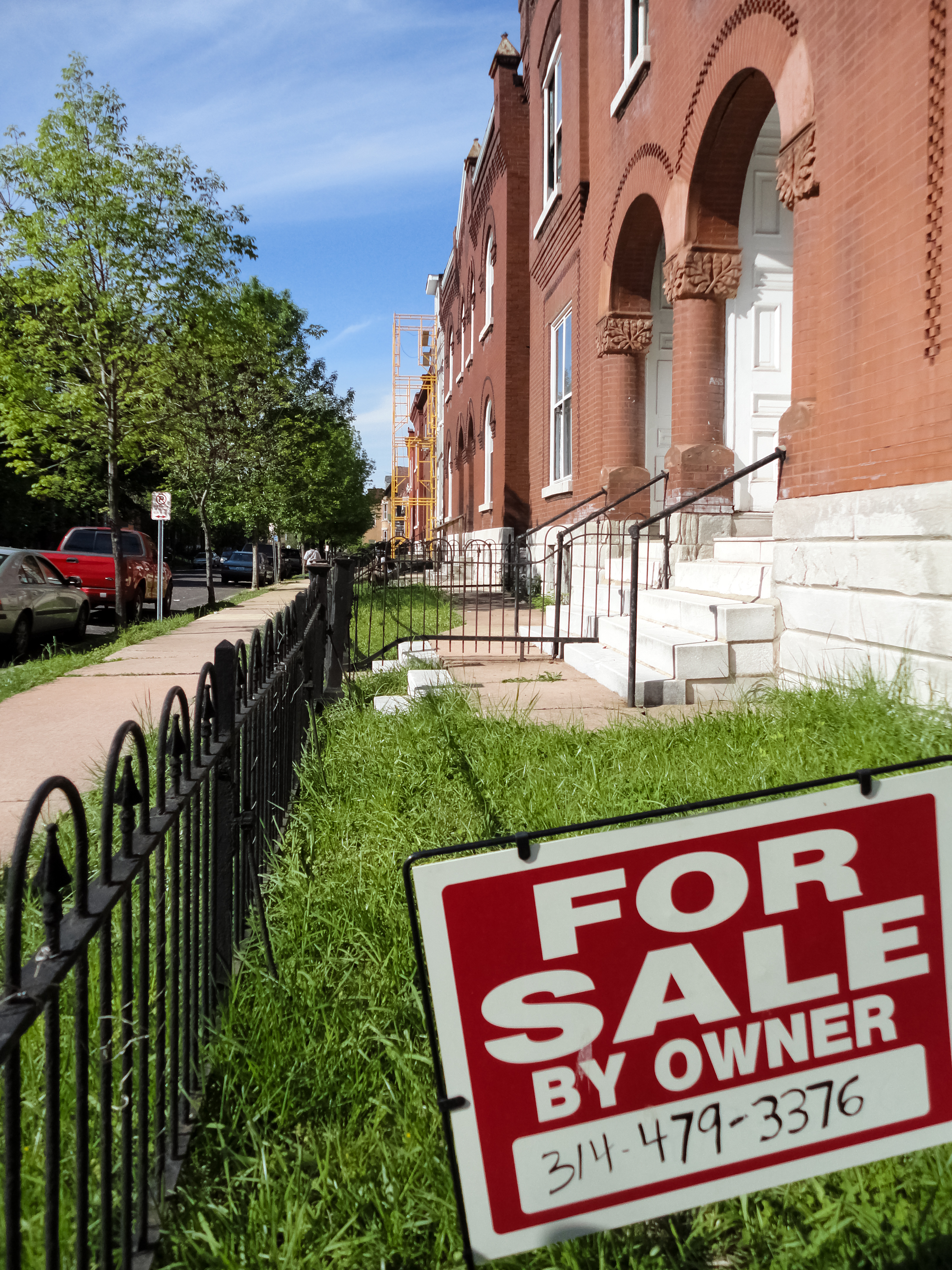
Where the state law becomes vital for your exam is in its stringency. The federal act contains certain exemptions for private sellers, but the North Carolina State Fair Housing Act does not include an exemption for the sale of a single-family home by a private owner. Furthermore, the North Carolina State Fair Housing Act does not exempt owners who sell their real property without the use of a real estate broker (For Sale By Owner). In North Carolina, private sellers are bound by fair housing laws.
There is one notable narrow allowance for shared living spaces. The North Carolina State Fair Housing Act exempts the rental of a room in a residential building containing one to four units if the owner or a family member resides in the building.
Complaints regarding violations of the North Carolina State Fair Housing Act are investigated by the North Carolina Human Relations Commission.
The Time Share Act
Time shares require intense regulation because the illusion of perpetual vacation often masks complex math and high-pressure sales. Under the North Carolina Time Share Act, a time share consists of the right to occupy a unit during five or more separated time periods over a period of at least five years.
To protect consumers, a developer must obtain a certificate of registration from the North Carolina Real Estate Commission before offering any time shares for sale. Furthermore, a person must hold an active North Carolina real estate broker license to legally sell time shares on behalf of another person for compensation.
Buyers often suffer from immediate buyer's remorse, so a buyer of a North Carolina time share has a five-day statutory right of cancellation after executing the contract of sale. To ensure the buyer's money is available to return, a developer must hold all buyer funds in an escrow account for at least ten days following the execution of a North Carolina time share contract.
If a developer violates these rules, the North Carolina Real Estate Commission can fine a time share developer five hundred dollars for each violation of the North Carolina Time Share Act. This is a critical trivia point: a time share developer is the only entity the North Carolina Real Estate Commission has the statutory authority to fine. (The NCREC can suspend or revoke a broker's license, but they cannot fine a broker directly).
Condominiums and HOAs
The North Carolina Condominium Act dictates that a public offering statement must be provided to the first buyer of a new condominium unit before contract execution. Because they are buying into a newly minted legal structure, a buyer of a newly constructed North Carolina condominium has a seven-day statutory right of rescission after signing the purchase contract.
This seven-day statutory right of rescission under the North Carolina Condominium Act does not apply to the resale of an existing condominium unit. Instead, a seller of an existing North Carolina condominium must provide the buyer with a resale certificate detailing the monthly dues and any pending association assessments.
Broader neighborhood associations fall under a different law: the North Carolina Planned Community Act governs the creation and operation of homeowners associations for properties established on or after January 1, 1999.
When contractors improve a property, they must be paid. North Carolina mechanic lien laws grant contractors a lien right to secure payment for labor or materials provided to improve real property. Timing is strict: a North Carolina mechanic lien must be filed within one hundred twenty days of the last date the contractor furnished labor or materials.
To track these encumbrances, North Carolina law requires the appointment of a mechanic lien agent for all private construction projects costing thirty thousand dollars or more. There is one major carve-out: improvements to existing owner-occupied single-family homes are exempt from the North Carolina mechanic lien agent requirement.
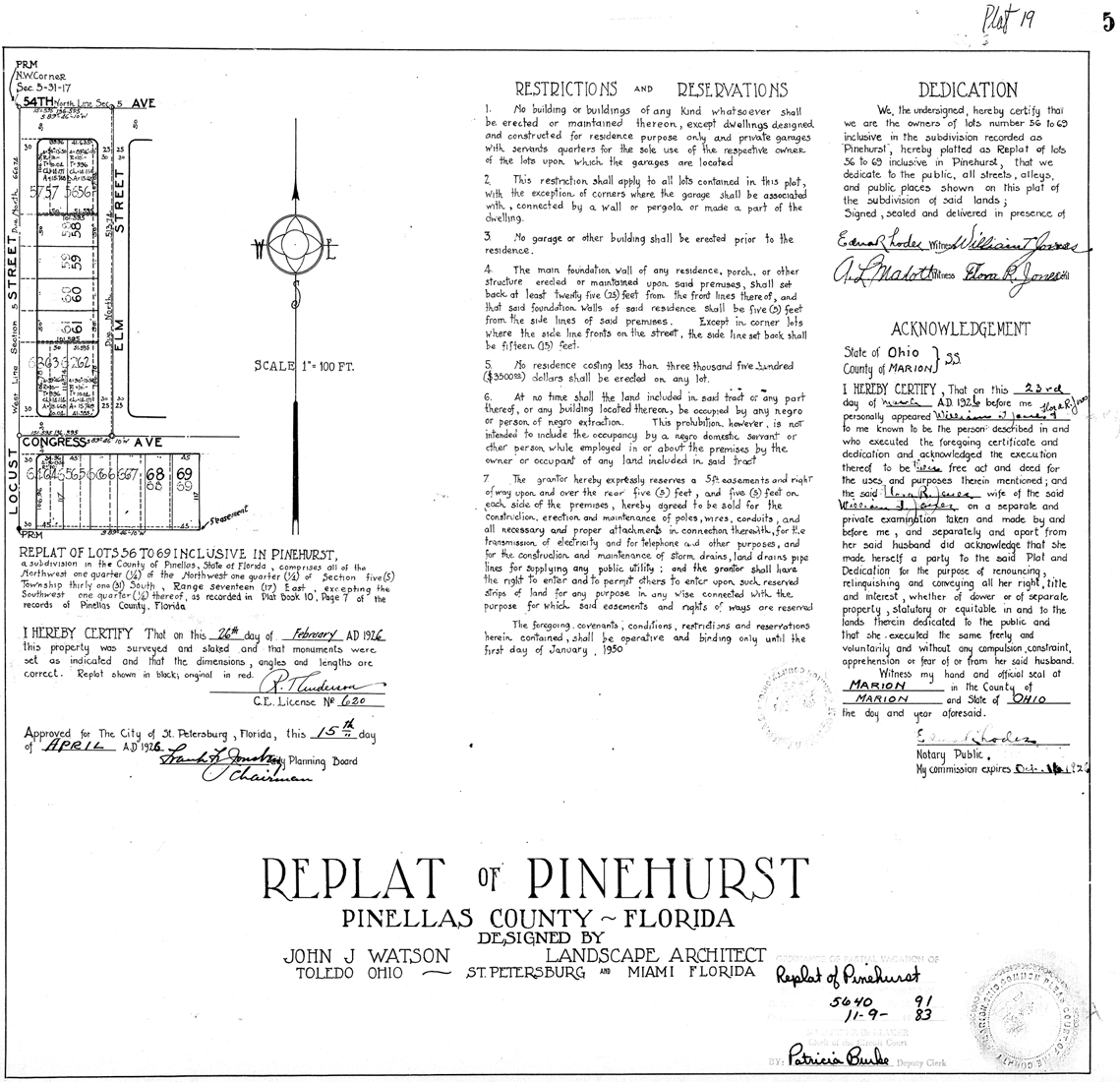
Beyond municipal zoning, private land use is often dictated by the developer's original vision. Restrictive covenants in North Carolina run with the land and bind all future owners of the real property. When these private rules clash with public law, there is a simple test: if a local North Carolina zoning ordinance and a restrictive covenant conflict, the more restrictive of the two regulations dictates the permissible property use.
When brokers step into property management, specific consumer protection statutes trigger.
The North Carolina Vacation Rental Act applies to short-term recreational residential rentals lasting fewer than ninety days. If you sell a beach house, the new owner cannot simply kick out the scheduled summer vacationers. Under the North Carolina Vacation Rental Act, a buyer of a vacation rental property must honor all existing leases that end within one hundred eighty days of the property closing date.
For standard residential leasing, the North Carolina Tenant Security Deposit Act requires landlords to place tenant security deposits in a trust account maintained in a licensed and insured North Carolina bank. The financial limits are based on the length of the lease. Under the North Carolina Tenant Security Deposit Act, the maximum allowable security deposit for a month-to-month tenancy is equivalent to one and one-half months of rent.
When the tenant finally moves out, the landlord cannot hold the deposit indefinitely. A North Carolina landlord must provide a final accounting of a tenant security deposit within sixty days of the lease termination date.