NJ Real Estate License Act, the Commission & License Categories
Not sure you’re ready?
Take the ~3-minute readiness diagnostic and see where you stand.
In any complex system, from classical mechanics to modern commerce, chaos is kept at bay by a foundational set of laws. In the real estate industry of New Jersey, that bedrock of order is the New Jersey Real Estate License Act, codified in Title 45, Chapter 15 of the New Jersey Statutes. This statute is not merely a bureaucratic hurdle; it is the fundamental physics of your new career. It dictates precisely who can legally negotiate the transfer of property, how money moves, and the exact boundaries of your professional authority. Understanding this law—and the regulatory body that enforces it—is what separates a legally exposed amateur from an elite, transaction-closing professional.
You cannot have laws without an entity to administer and enforce them. In 1921, the state established the New Jersey Real Estate Commission to serve as the supreme regulatory authority over real estate practices. The Commission operates as a division within the broader New Jersey Department of Banking and Insurance. This placement is intentional: real estate is fundamentally about finance, risk, and consumer protection.
To ensure the Commission understands the realities of the market without becoming a closed guild, the law mandates a highly specific, balanced composition of exactly eight members:
- Five Industry Experts: Five members must be licensed real estate brokers who have held their broker’s license for at least ten years in New Jersey. They bring the technical expertise.
- Two Public Members: Two members are appointed to represent the interests of the general public. They ensure the Commission protects consumers, not just licensees.
- One State Representative: One member represents a state governmental department, acting as a direct tether to the state apparatus.
The Governor of New Jersey holds the power to appoint the seven non-governmental members (the brokers and public members). To prevent abrupt shifts in regulatory philosophy, these members serve staggered three-year terms.
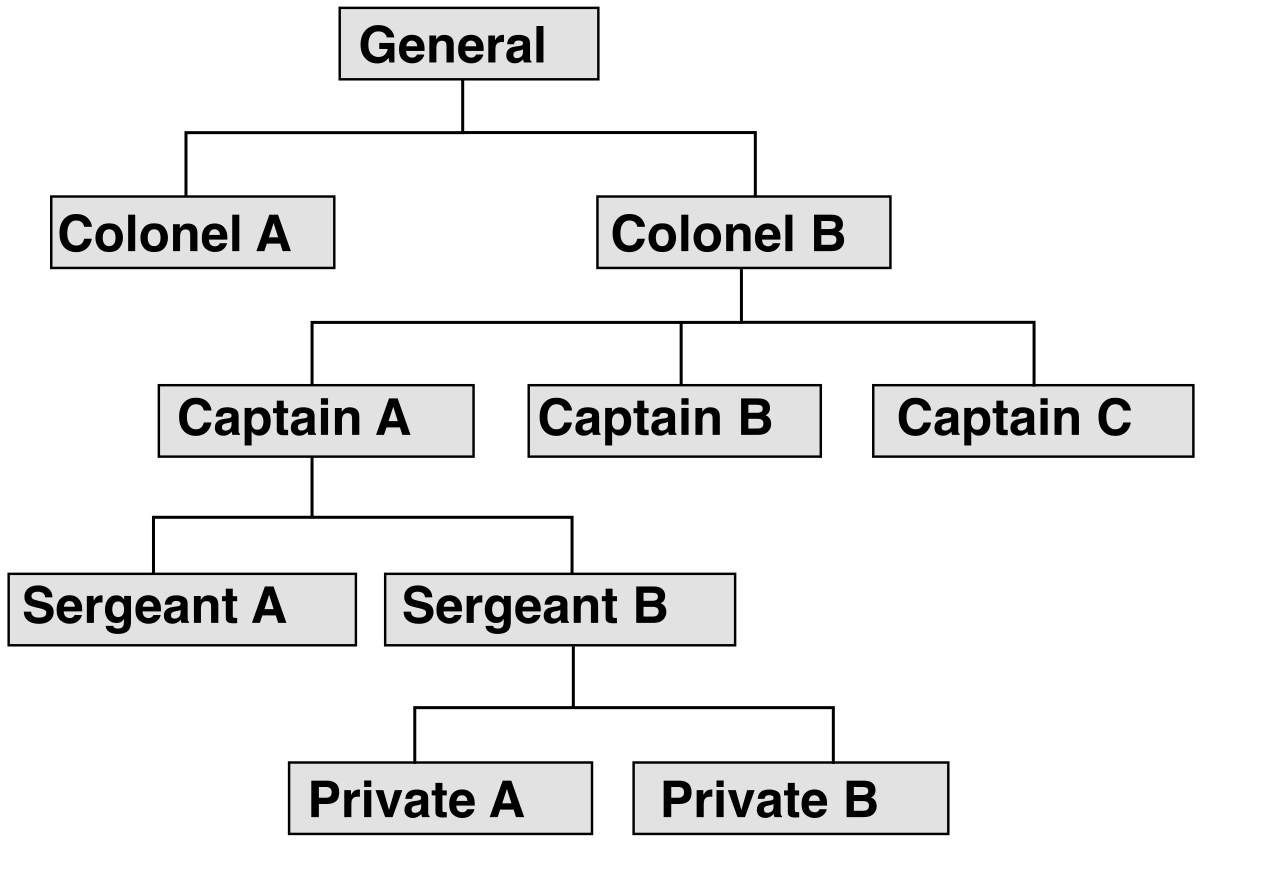
In New Jersey, the authority to conduct real estate transactions is not distributed equally. It operates on a strict hierarchy of liability and supervision. There are distinct categories of licenses, and understanding your place in this ecosystem is critical to staying out of legal trouble.
| License Category | Authority & Operational Scope |
|---|---|
| Real Estate Broker | The apex of the hierarchy. A broker is authorized to operate a real estate business, hire salespersons, and charge the public for real estate services. They hold the ultimate legal responsibility for their firm. |
| Broker-Salesperson | A licensee who has fulfilled all the rigorous education and experience requirements of a broker, but chooses to operate in a sales capacity under the supervision of another licensed real estate broker. A New Jersey broker-salesperson cannot independently operate a standalone real estate brokerage firm. |
| Real Estate Salesperson | This is where you begin. A salesperson performs real estate activities under the strict supervision of a licensed real estate broker. You are an extension of the broker's legal authority. |
Because a salesperson acts as an agent of the broker, a New Jersey real estate salesperson can only be licensed under one supervising broker at any given time. The state demands a singular, unbreakable chain of command. If a mistake is made, the Commission needs to know exactly which broker is responsible for your supervision.
The Financial Ironclad Rule
Consider a practical scenario: You secure a phenomenal deal for a buyer, and at the closing table, the ecstatic buyer attempts to hand you a $1,000 personal check as a bonus. Can you accept it? Absolutely not.
A New Jersey real estate salesperson must receive all compensation for real estate activities directly from the salesperson's supervising broker. You are strictly prohibited from accepting direct compensation from clients or from other real estate brokers. Your broker charges the public; your broker pays you.
The Referral Agent Exception
What if you want to monetize your network but step back from the daily grind of open houses and negotiations? You can be licensed with a New Jersey real estate referral company. However, this comes with severe operational limits. A salesperson licensed with a referral company is only permitted to direct prospects to a brokerage firm. They are strictly prohibited from listing properties or engaging in any traditional real estate sales activities.
The Commission acts as a gatekeeper to protect the public from incompetence and fraud. To activate a New Jersey real estate salesperson license, an applicant must:
- Be at least 18 years old.
- Possess a high school diploma or a high school equivalency certificate.
- Successfully complete a 75-hour prelicensure education course.
- Demonstrate good moral character to the Commission.
- Be formally sponsored by a licensed New Jersey real estate broker (you cannot hold an "active" license floating in the ether; a broker must claim you).
The Public Trust and the Guaranty Fund What happens if a licensee violates that "good moral character" requirement and steals a client's escrow money? To preserve public trust in the industry, the state created the New Jersey Real Estate Guaranty Fund. This fund reimburses members of the public who suffer a monetary loss due to a real estate licensee's embezzlement or fraud. It is funded by a one-time fee assessed to all New Jersey real estate licensees upon their initial licensure.
Who is Exempt from Licensing?
Not everyone dealing in real property needs a license. The License Act provides specific, logical exemptions for individuals acting under different legal authorities or dealing with their own property:
- Bona fide property owners: You do not need a license to sell your own property (For Sale By Owner).
- Attorneys-at-law: Exempt when handling real estate transactions strictly within the scope of their legal duties for a client.
- Court-appointed figures & Fiduciaries: Receivers, trustees in bankruptcy, executors, and administrators are exempt because they are already operating under court mandates or fiduciary law.
- Financial Institutions: State banks, federal banks, trust companies, and insurance companies are exempt.
Getting licensed is just the launch; staying licensed requires continuous orbital maintenance. While conducting real estate business, New Jersey licensees must carry a physical or digital pocket license card to prove their authority on the spot. Furthermore, a broker must prominently display the actual licenses of all employed salespersons at the main office or the specific branch office where each individual works.
Licenses do not last forever. New Jersey real estate licenses are renewed biennially on July 1 of odd-numbered years. (Think: 2025, 2027, 2029).
The Continuing Education (CE) Imperative
To ensure practitioners remain sharp on evolving laws, brokers, broker-salespersons, and salespersons must complete 12 hours of continuing education every two years to renew an active license. The state dictates a specific diet for these 12 hours:
- Exactly two hours in Ethics.
- Exactly one hour in Fair Housing and the New Jersey Law Against Discrimination (LAD).
- Exactly one hour in Agency.
The Deadline Trap: While licenses expire on July 1, your CE requirements must be completed by April 30 of the renewal year. Why the gap? The Commission needs time to process tens of thousands of renewals. Licensees who procrastinate and complete their continuing education after April 30 are subject to a $200 late fee assessed by the Commission.
CE Exemptions: There are two key exemptions to the CE requirement:
- Salespersons licensed with a New Jersey real estate referral company are entirely exempt from continuing education requirements for license renewal.
- Salespersons who obtain their New Jersey real estate license during the second year of the biennial license term are exempt from continuing education for their initial license renewal.
The Commission is not a passive entity. It is an active investigator and a strict disciplinarian.
The New Jersey Real Estate Commission has the statutory authority to investigate the actions of any real estate licensee upon its own motion (meaning they don't need a complaint to start digging if they suspect wrongdoing). However, if the Commission receives a verified written complaint from any person, they must investigate the licensee.
Due Process and Penalties
The Commission wields immense power over your livelihood, but they cannot act capriciously. The Commission must provide a real estate licensee with an opportunity for a hearing before imposing penalties or revoking a license.
If found guilty of violating the New Jersey Real Estate License Act, the financial penalties are steep:
- A maximum fine of $5,000 for a first violation.
- A maximum fine of $10,000 for any subsequent violation.
- Note: These fines do not go into the Commission's pocket to fund their next holiday party; fines collected for license law violations are turned over to the State Treasurer.
Mandatory Revocation
While most infractions trigger a hearing to determine the penalty, certain actions demonstrate such a catastrophic failure of moral character that the Commission's hands are tied. The New Jersey Real Estate Commission is required to immediately revoke the real estate license of a professional convicted of specific severe crimes, most notably forgery, robbery, or sex offenses. In these cases, the risk to the public—who routinely invite real estate agents into their homes and entrust them with massive sums of money—is simply too high to permit them to hold a license.