NJ Trust/Escrow Accounts & Handling of Monies
Not sure you’re ready?
Take the ~3-minute readiness diagnostic and see where you stand.
In physics, there is a fundamental law of conservation: energy cannot be created or destroyed, only transferred. In New Jersey real estate law, there is a parallel, unyielding law governing other people’s money: it cannot be absorbed, it cannot be mixed, and under no circumstances can it be spent by the custodian. When a buyer hands over an earnest money deposit, they are not paying for a service. They are parking their financial leverage in a neutral zone to guarantee a promise. Your primary job as a real estate professional is to ensure that this financial energy remains entirely isolated from the friction of daily business operations until the exact moment a contract or court dictates its release.
The New Jersey Real Estate Commission (NJREC) enforces the rules of this neutral zone with absolute precision. Understanding these regulations is not merely about passing the PSI exam; it is about protecting the public and preserving the integrity of your professional license.
The foundation of handling other people's money is the trust account (often used interchangeably with escrow account). The legally mandated trust account is a separate bank account maintained by a real estate broker strictly for the deposit and safekeeping of funds belonging to clients and other parties.
Think of the trust account as a financial quarantine. The funds inside it do not belong to the broker, and therefore they must never touch the broker's operating funds. To ensure the Commission can maintain jurisdiction over these accounts, a New Jersey real estate broker must maintain this trust or escrow account in an authorized financial institution located physically within the state of New Jersey.
The Monopoly of the Broker of Record
Who gets to open and control this account? The authority is singular. New Jersey salespersons, broker-salespersons, and referral agents are strictly prohibited from independently maintaining a real estate trust or escrow account. You are an agent of your broker; therefore, you act as a conduit, moving funds from the client directly to the broker's central account.
This centralized control extends to the geographic footprint of the brokerage as well. Under the Branch Office Trust Account Restriction, branch offices and branch office supervisors are explicitly prohibited from opening or maintaining independent trust accounts. Consequently, all client funds received by branch offices must be deposited into the main office trust account maintained by the New Jersey broker of record. Centralized control ensures centralized accountability.
When a client hands over funds, the clock starts ticking. A New Jersey real estate broker must deposit earnest money and other trust funds into the escrow account within five business days of receiving the funds. Delays introduce risk, and risk is unacceptable when acting as a fiduciary.
Handling Physical Cash
While checks and wire transfers leave automatic paper trails, physical cash requires immediate, active documentation. If a New Jersey licensee receives trust funds in the form of physical cash, the licensee must immediately issue a written receipt to the payor.
This is not a generic receipt. To ensure a flawless chain of custody, the written receipt issued for physical cash trust funds must be physically signed by the specific New Jersey licensee who received the cash. Furthermore, the New Jersey broker must retain a physical or digital copy of this written receipt. If \5,000$ in cash disappears, the Commission will trace the signatures directly back to the hands that first touched the bills.
The Credit Card Restriction
In an era where everything is purchased with plastic, real estate transactions remain fiercely traditional. A New Jersey real estate broker is prohibited from accepting payments via credit card for standard property sales transactions. Credit cards involve merchant fees, chargeback risks, and delayed clearing times—all of which destabilize the absolute certainty required for a property sale.
However, the Commission recognizes the practical realities of the vacation rental market. Therefore, a New Jersey real estate broker is permitted to accept payments via credit card exclusively for short-term residential rental transactions. What qualifies? A short-term rental under New Jersey Real Estate Commission rules is strictly defined as a rental of a residential property for a period of not more than 125 consecutive days.
If the trust account is a quarantine zone, compromising that quarantine is the fastest way to lose your real estate license. The state categorizes financial violations into two severe, distinct illegal acts.
| Offense | Definition | The Practical Reality |
|---|---|---|
| Commingling | The illegal practice of a real estate broker mixing personal business operating funds or private personal money with client funds in a trust account. | It is a failure of separation. Even if no money is stolen, placing your commission check or office rent money into the trust account contaminates the ledger. |
| Conversion | The illegal act of a real estate broker misappropriating, spending, or using client trust funds for the broker's own personal or business purposes. | It is outright theft. Taking earnest money out of the trust account to pay the brokerage's electric bill or payroll is conversion. |
The Single Exception: There is exactly one scenario where a broker's personal funds may enter the trust account. The Nominal Fund Exception is the regulatory provision allowing a real estate broker to deposit a small, strictly limited amount of personal funds into a trust account solely to cover bank service charges. This prevents the bank from accidentally deducting monthly maintenance fees from a client's earnest money.
Getting money out of the trust account is just as heavily regulated as getting it in. A New Jersey real estate broker's trust account ledger must be meticulously detailed. It must specifically identify the date, amount, payor, payee, and purpose of every single deposit and disbursement.
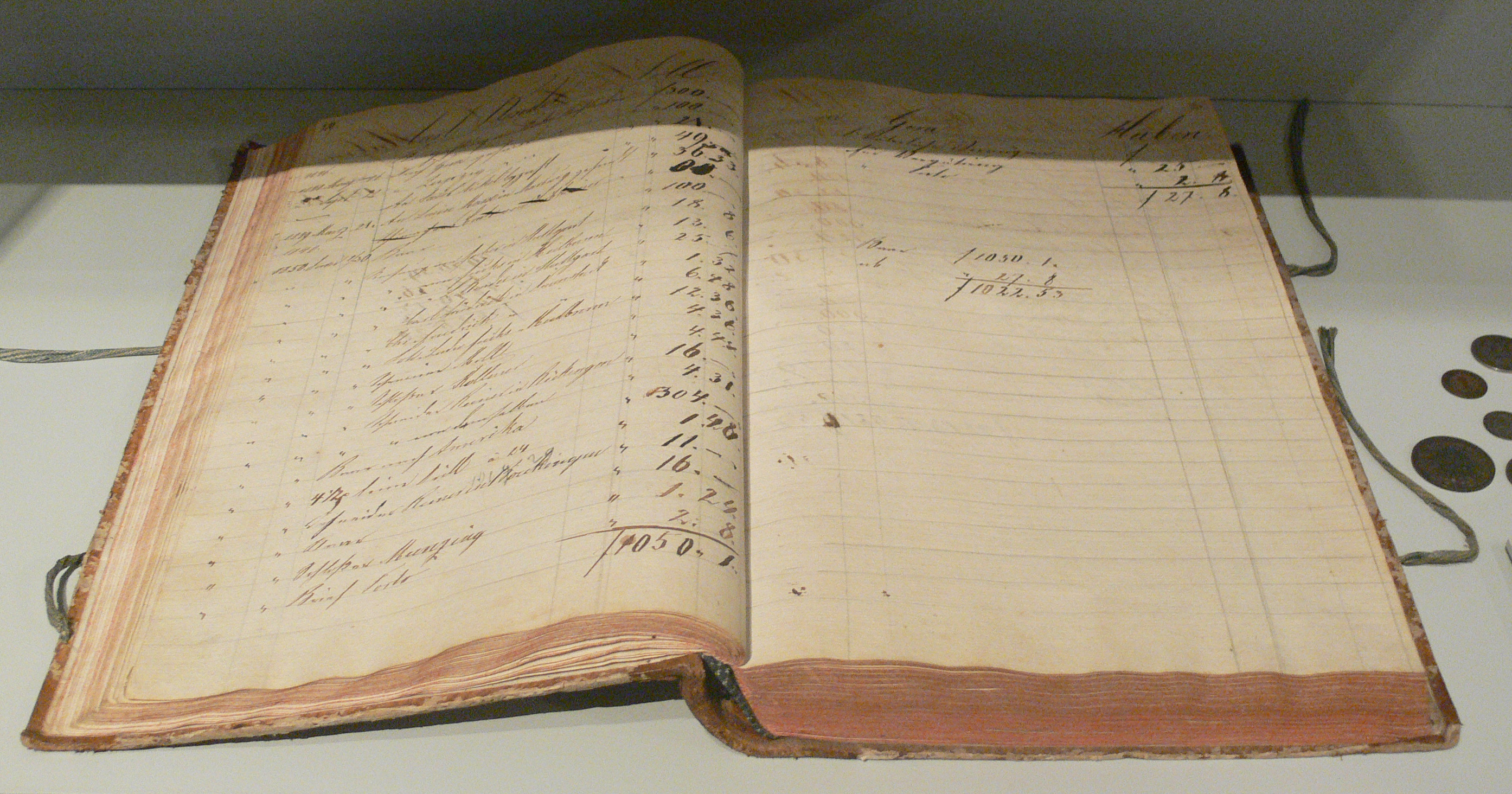
When it is time to disburse funds—perhaps to a title company at closing, or to return a deposit after a failed inspection—withdrawals from a New Jersey real estate trust account must be made by an authorized electronic transfer or by a check payable to a specific named payee. Because anonymity is the enemy of accountability, a New Jersey real estate broker is strictly prohibited from making any trust account withdrawal payable to the word "cash."

When the Deal Blows Up
Consider a scenario where a buyer backs out of a contract two weeks before closing. The seller demands the earnest money as liquidated damages; the buyer demands it back, claiming a financing contingency. Both parties yell at the broker to release the funds to them.
Who does the broker listen to? Neither.
First, remember a fundamental legal reality: A New Jersey real estate broker is not legally considered a party to the real estate purchase contract. The contract is between the buyer and the seller. Because the broker is not a party, a New Jersey real estate broker cannot independently determine which party receives the earnest money in the event of a buyer and seller dispute. Playing judge and jury is outside your scope of authority.
Instead, the broker is bound by the Disputed Deposit Rule. This is the legal requirement forcing a broker to hold earnest money in the trust account during a dispute until the parties reach a mutual written agreement or a court issues a binding order. The money sits frozen in the trust account, untouched.
If the dispute drags on indefinitely and the broker wishes to clear their ledger, they may utilize an Interpleader Action. This is a legal proceeding initiated by an escrow agent to transfer the disputed earnest money directly to a court. By interpleading, the broker essentially hands the financial hostage to a judge, allowing the court to determine the rightful recipient and entirely absolving the broker of liability.
Science relies on reproducible data; the Real Estate Commission relies on permanent paper trails. You cannot simply delete a file once a transaction closes. The NJREC mandates strict, specific timelines for record retention to ensure past transactions can be audited.
- Six-Year Rule: A New Jersey broker must retain records of all funds received and held in a trust account for a minimum of six years from the date of receipt. This includes ledgers, bank statements, canceled checks, and the physical/digital copies of cash receipts.
- Six-Month Rule: A New Jersey broker must retain copies of unaccepted offers and expired listing agreements for a minimum of six months from the date of the offer or expiration.
Finally, you do not get to ask the Commission for time to "get your books in order" if they come knocking. All trust account records maintained by a New Jersey broker must be made available for immediate inspection by authorized representatives of the New Jersey Real Estate Commission.
When dealing with other people's money, precision is not a best practice; it is the only practice. By maintaining absolute separation, perfect documentation, and strict adherence to timelines, you protect the consumer's capital and your own professional future.