Assessors, Health, and Historic Commissions
Not sure you’re ready?
Take the ~3-minute readiness diagnostic and see where you stand.
A piece of real estate is not merely a geometric boundary drawn on a map; it is a living node within a complex municipal ecosystem. When a client purchases a home or an empty plot of land in New York, they are inherently linking themselves to a network of local governance. Every dollar of property tax they pay, every drop of well water they drink, and every exterior brick they wish to paint is subject to a highly structured framework of municipal functions. Understanding the precise boundaries of these municipal authorities—taxation, public health, historic preservation, and environmental conservation—is the difference between a real estate transaction that closes smoothly and one that collapses under the weight of unforeseen municipal violations.
To navigate these waters successfully, a real estate professional must understand the anatomy of local government. We will dissect these specialized municipal functions, isolating exactly who determines value, who protects public health, and who preserves the architectural and environmental integrity of a community.
Local governments require capital to fund schools, police, and infrastructure. This capital is predominantly generated through property taxes. However, the mechanism of property taxation is not handled by a single entity; it is divided into a strict separation of powers to ensure fairness. It is vital to understand the distinct roles of the Assessor, the Legislature, the Receiver, and the Treasurer.
The Tax Assessor: The Master of Valuation
The foundation of the property tax system rests entirely on valuation. A tax assessor is a local government official whose sole responsibility is to estimate the market value of real property within a municipality. Based on this estimation, the tax assessor assigns an assessed value to each property for property tax calculation purposes.
To maintain order, tax assessors maintain the municipal assessment roll. The municipal assessment roll is a comprehensive public document that lists the assessed value of every single parcel of real estate in a given jurisdiction.
Crucial Distinction for the Exam: The tax assessor does not determine the tax rate. The assessor acts strictly as a neutral appraiser of value. If a client complains to you that "the assessor raised my taxes," they are technically incorrect. The assessor only raised the assessed value.
If the assessor does not set the tax rate, who does? That power is reserved for the municipal legislative body (such as a town council or city council). The municipal legislative body evaluates the town's budgetary needs and sets the property tax rate required to meet those financial obligations.
Collection and Disbursement: The Receiver and the Treasurer
Once the assessed value is multiplied by the tax rate to create a tax bill, the administrative side of the machinery takes over.
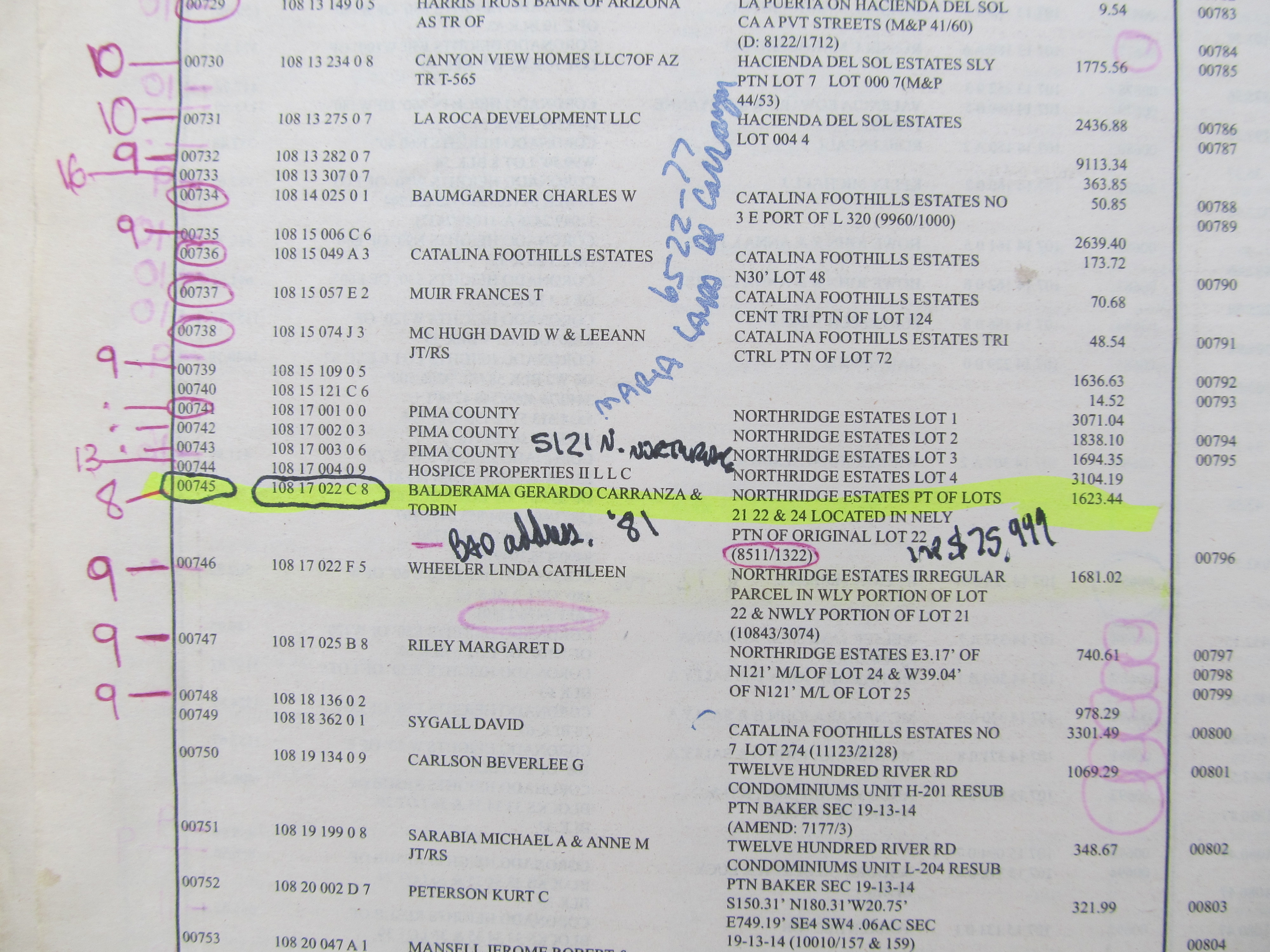
- The Receiver of Taxes: This official is essentially the municipal cashier. The receiver of taxes is responsible for collecting local property taxes. They are the record-keepers of the revenue stream: the receiver of taxes maintains records of property tax payments and tracks unpaid property tax bills. When your title company runs a tax search before a closing, they are pulling data generated by the receiver of taxes.
- The Municipal Treasurer: Once the receiver collects the money, it is handed over to the treasurer. The municipal treasurer manages the funds collected by the receiver of taxes and acts as the municipal Chief Financial Officer. Ultimately, the municipal treasurer disburses collected tax revenues to appropriate local government agencies, ensuring the fire department, the school district, and the highway department receive their allocated operating funds.
| Municipal Role | Primary Function | Real Estate Transaction Impact |
|---|---|---|
| Tax Assessor | Determines property value; maintains the assessment roll. | Dictates the property's baseline valuation for tax calculations. |
| Legislative Body | Sets the actual property tax rate. | Determines the multiplier that turns assessed value into a tax bill. |
| Receiver of Taxes | Collects payments and tracks unpaid tax bills. | Source of truth for title searches to ensure no tax liens exist prior to closing. |
| Municipal Treasurer | Manages and disburses the collected funds. | Internal municipal function; handles the money after it is collected. |
Before a property can be inhabited, it must be capable of supporting human life without contaminating the surrounding environment. In New York, the enforcement of these biological boundaries falls to the County Health Department.
The County Health Department enforces the New York State Sanitary Code at the local level. For a real estate salesperson, particularly one dealing in rural or suburban properties without municipal water and sewer lines, the County Health Department is a pivotal regulatory gatekeeper.
Wells, Septic Systems, and Wastewater
If a property is off the grid, the flow of water into and out of the house must be strictly regulated. The County Health Department oversees drinking water safety in New York municipalities. If a buyer wishes to build a home and dig a well, the County Health Department must approve the installation of new private well water systems.
Equally critical is the management of human waste. The County Health Department regulates the installation of private septic systems and must approve the design of private wastewater treatment systems before installation.
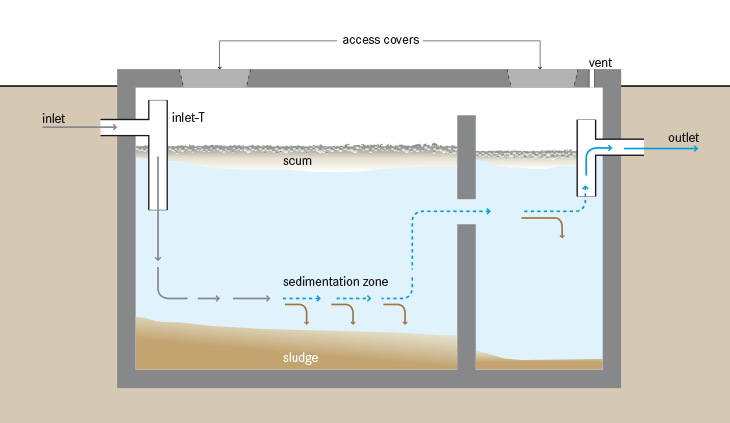
The Permit Choke-Point: A local building department cannot issue a building permit for a new home without prior County Health Department approval for the home's wastewater treatment system. You cannot build the shell of a house and figure out the septic system later. The biological infrastructure must be approved first.
Subdivision Developments
For real estate developers, the County Health Department scales its scrutiny from individual homes to entire communities. Real estate developers must obtain County Health Department approval for water and sewer plans before building a subdivision. If you are representing a developer purchasing a 50-acre parcel to subdivide into residential lots, their financial modeling must account for the time and capital required to satisfy the County Health Department's infrastructure requirements.
Municipalities are not just concerned with public health and taxation; they are deeply invested in protecting the visual and cultural history of their communities. Historic preservation commissions are localized regulatory bodies tasked with a very specific mandate: to protect the architectural character of a specific neighborhood or building.
Regulatory Reach: Exterior vs. Interior
If your buyer purchases a property within a designated historic district, they do not have unilateral freedom to alter its appearance. Historic preservation commissions regulate exterior alterations to properties located within designated historic districts.
If a property owner wishes to change the facade, replace original windows, or alter the roofline, they cannot simply pull a standard building permit. A property owner must obtain a Certificate of Appropriateness from a historic preservation commission before making exterior changes to a landmarked property. Without this certificate, the project cannot legally proceed.
However, the law limits how deeply this commission can reach into a private home. A fundamental concept to remember is that historic preservation commissions typically do not hold regulatory authority over interior alterations to a property. Your client can install an ultra-modern kitchen inside a 19th-century Victorian home without consulting the historic commission, provided the exterior architectural integrity remains undisturbed.

Beyond regulating existing historic districts, historic preservation commissions also function proactively: they have the authority to recommend the designation of specific properties as historic landmarks, permanently altering the development rights of those properties.
As development expands, municipalities face the challenge of balancing economic growth with environmental sustainability. To manage this, New York municipalities utilize Conservation Advisory Councils.
The core function of Conservation Advisory Councils is to advise local New York governments on the protection of natural resources. When a developer proposes a new shopping center or residential subdivision, the Conservation Advisory Council will review the proposed real estate developments for potential environmental impacts. They look at how the development might affect local wetlands, forest canopies, and natural habitats.

It is critical to distinguish the power of a Conservation Advisory Council from that of a County Health Department or a Historic Commission.
- The Health Department has regulatory veto power (no approval, no building permit).
- The Historic Commission has regulatory veto power (no Certificate of Appropriateness, no exterior alterations).
- Conservation Advisory Councils, by stark contrast, function in an strictly advisory capacity rather than having direct regulatory approval power.
They provide expert environmental impact assessments to the planning board or town council, but they do not issue or deny permits themselves. They are the ecological conscience of the municipality, but the legislative or planning bodies retain the final regulatory authority.
By mastering the precise jurisdictions of these municipal entities, a real estate salesperson transforms from a mere facilitator of transactions into a vital structural navigator, capable of guiding clients safely through the complex machinery of local New York governance.