Insurance Basics and Homeowner Policy Types
Not sure you’re ready?
Take the ~3-minute readiness diagnostic and see where you stand.
At the exact moment a buyer signs the closing documents on a $1.5 million brownstone, a spark in faulty wiring could theoretically ignite the attic. The physical wood and brick might burn to the foundation, yet the financial value of the asset survives the blaze intact. This survival is not a miracle; it is the result of a highly engineered contractual mechanism. Insurance is a mechanism for transferring the financial risk of property loss from an individual to an insurance company. Without this mechanism, the modern real estate market could not function. Capital would freeze, lending would stop, and buyers would face unmitigated, catastrophic risk with every transaction.
For a real estate salesperson, understanding how these instruments are structured, how they divide risk, and how they apply to different ownership models is not mere administrative trivia. It is fundamental to the mechanics of property transfer, closing procedures, and client protection.
Before we can classify the different types of homeowner policies, we must look at the foundational components of what these contracts actually do. A physical property carries a multitude of distinct risks. Broadly speaking, these risks are divided into two categories: the risk of the property itself being destroyed, and the risk of the property owner being sued.
Property insurance provides financial reimbursement to the owner in the event of property damage or theft.
Liability insurance protects a property owner against claims of negligence resulting in bodily injury or property damage to a third party.
If a tree falls on your client's roof, property insurance pays to rebuild it. If the postman slips on your client's icy driveway, breaks his hip, and sues, liability insurance pays the legal defense and the medical settlement.
Because insurance is fundamentally a mechanism of risk transfer, the law strictly requires that a person actually possess a financial stake in the property to buy a policy on it. A property owner must possess an insurable interest in the real estate to purchase a valid property insurance policy. You cannot legally purchase fire insurance on your neighbor's house, hoping to collect a payout if it burns down.
Monoline vs. Package Policies
Insurance providers package these risk protections in different ways depending on the market's needs.
A monoline insurance policy provides coverage for only a single type of risk. In the commercial real estate sector, you will frequently encounter these highly targeted policies. For instance, a commercial liability-only policy is an example of a monoline insurance policy. A business renting a storefront might buy this strictly to cover slip-and-fall lawsuits, while leaving the property damage risk to the building owner.
However, residential homeowners generally do not want to negotiate six different contracts to protect one house. The industry solved this by creating the package policy. A package insurance policy combines multiple types of coverage into a single contract.
When your residential client purchases their insurance, they are almost universally buying a package. A standard homeowners insurance policy is an example of a package insurance policy. Specifically, a standard homeowners insurance policy typically combines both property coverage and liability coverage.
This comprehensive bundling is what allows the real estate financial engine to run smoothly. Because a house serves as the physical collateral for a mortgage, a bank will not fund a loan if that collateral is at risk of vanishing in a fire. Consequently, mortgage lenders require borrowers to obtain property insurance prior to closing a real estate transaction. If your buyer shows up to the closing table without an insurance binder in hand, the transaction will immediately grind to a halt.
When an insurance contract specifies what it protects against, it uses the term "peril" to describe the cause of loss (e.g., fire, windstorm, theft). Policy forms dictate how perils are treated using two distinct logical frameworks: Named Peril and Open Peril.
Think of a Named Peril policy like a strict VIP list at a venue. If the specific peril that destroyed the house is not explicitly written on the list, the insurance company does not pay.
Conversely, think of an Open Peril policy like a blacklist. Open peril coverage protects against all risks of physical loss unless a specific risk is explicitly excluded in the policy language. Earthquakes and floods are standard exclusions on the blacklist, meaning a homeowner would need to buy a separate policy or endorsement to cover those specific events. But if a completely bizarre, unforeseen event damages the home—say, a wild bear breaks into the kitchen and destroys the cabinetry—an open peril policy covers it, simply because "bear damage" was never written on the exclusion list.
The insurance industry standardizes homeowner policies into specific numbered forms. As a real estate professional in New York, you must recognize the scope, limitations, and standard applications of these forms.
HO-1 Basic Form
The HO-1 Basic Form insurance policy is a named peril policy providing minimal coverage for specific events like fire and vandalism. It is the most rudimentary level of insurance available. Because it covers so few risks, mortgage lenders generally do not accept the HO-1 Basic Form insurance policy due to the limited coverage scope. If your buyer attempts to save money by purchasing an HO-1, the bank will reject it, and your closing will be delayed.
HO-2 Broad Form
Moving one step up, the HO-2 Broad Form insurance policy covers a broader range of named perils than the HO-1 Basic Form policy. While it is still a "VIP list" of specific perils, the list is considerably longer. Notably, the HO-2 Broad Form insurance policy includes coverage for events like falling objects and the weight of ice or snow—perils that are highly relevant to upstate New York winters, but completely ignored by the basic HO-1.
HO-3 Special Form
This is the gold standard of the residential market. The HO-3 Special Form insurance policy is the most commonly purchased residential insurance policy in the United States. It achieves this status through a clever hybrid structure that balances robust protection with reasonable premiums.
- The HO-3 Special Form provides open peril coverage for the physical structure of the residential property.
- The HO-3 Special Form provides named peril coverage for the policyholder's personal property.
In an HO-3, the physical building is covered against everything unless explicitly excluded. However, the television, furniture, and clothing inside the home are only covered if they are destroyed by a specific peril named in the policy.
HO-5 Comprehensive Form
For clients requiring maximum protection, the HO-5 removes the hybrid nature of the HO-3. The HO-5 Comprehensive Form provides open peril coverage for both the physical structure of the home and the personal property inside. Under an HO-5, even the homeowner's personal belongings are protected from any risk not expressly excluded.
HO-8 Modified Coverage Form
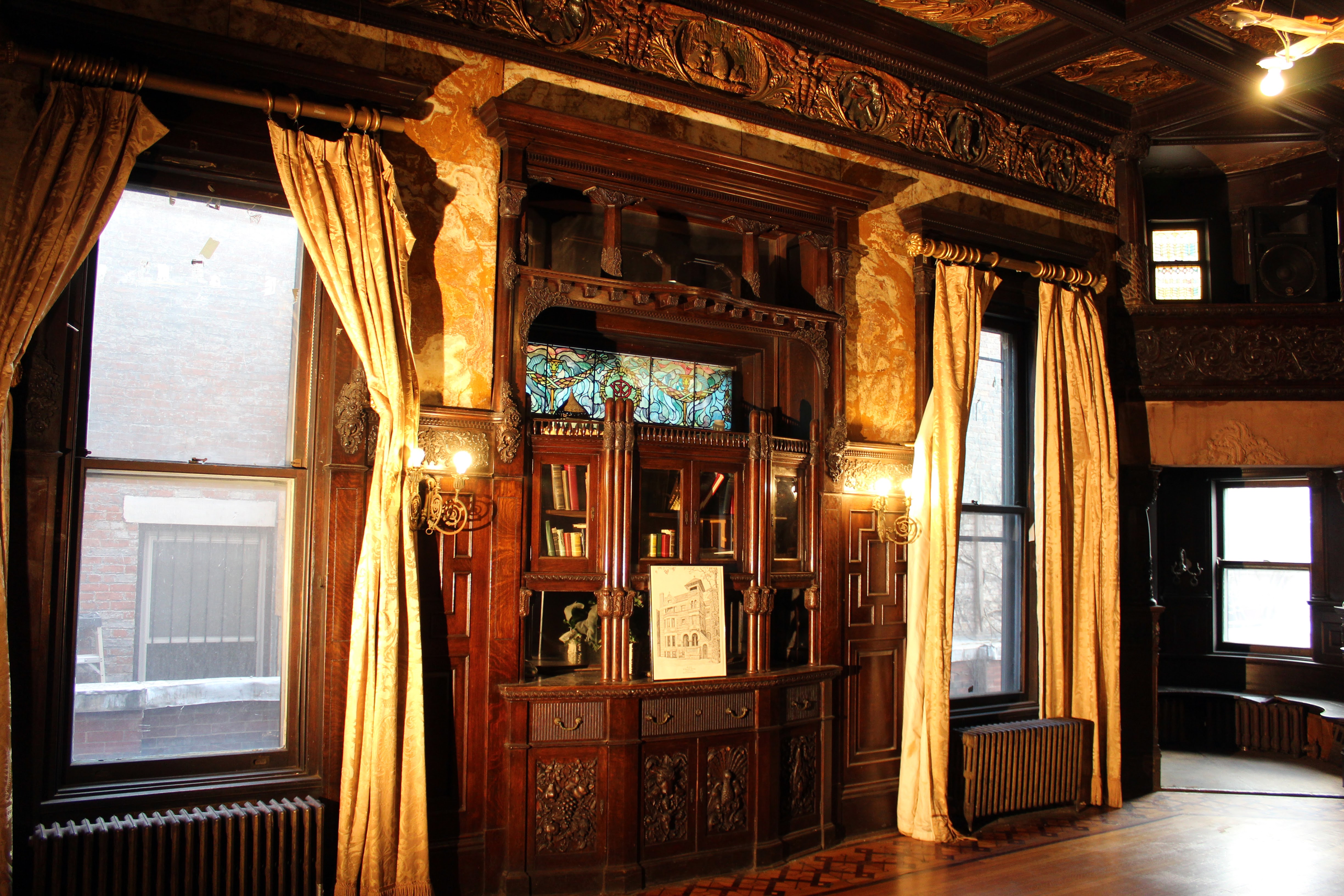
You will occasionally encounter historically significant or older properties, perhaps an ornate 19th-century Victorian in Troy or Albany. These homes present a unique mathematical problem: their market value might be $300,000, but because of custom plasterwork, hand-carved mahogany, and slate roofing, the cost to physically rebuild them exactly as they were could be $1.5 million.
Insurance companies are hesitant to issue a $1.5 million policy on a $300,000 asset. To solve this, the industry created the HO-8. The HO-8 Modified Coverage Form insurance policy is designed for older homes whose replacement cost significantly exceeds the market value. Instead of promising to rebuild the home with identical historical materials, the HO-8 pays to repair the damage using modern, standard construction materials.
Quick Comparison of Standard Structural Forms
| Policy Form | Coverage for Structure | Coverage for Personal Property | Typical Application |
|---|---|---|---|
| HO-1 (Basic) | Named Peril (Minimal) | Named Peril (Minimal) | Rarely used; rejected by lenders. |
| HO-2 (Broad) | Named Peril (Broad) | Named Peril (Broad) | Budget-conscious buyers. |
| HO-3 (Special) | Open Peril | Named Peril (Broad) | The US Industry Standard. |
| HO-5 (Comprehensive) | Open Peril | Open Peril | High-value estates; maximum coverage. |
| HO-8 (Modified) | Named Peril (Modified) | Named Peril | Older homes where replacement cost > market value. |
Up to this point, we have assumed the policyholder owns both the physical building and the land beneath it. But real estate ownership is not always fee simple absolute on a detached single-family home. When the physical structure is owned by someone else, or owned collectively, the insurance architecture must adapt.
The Renter's Reality: HO-4
When a client leases an apartment in Manhattan or Brooklyn, they have no insurable interest in the building's physical structure. They do, however, have a massive financial interest in their belongings and their own liability.
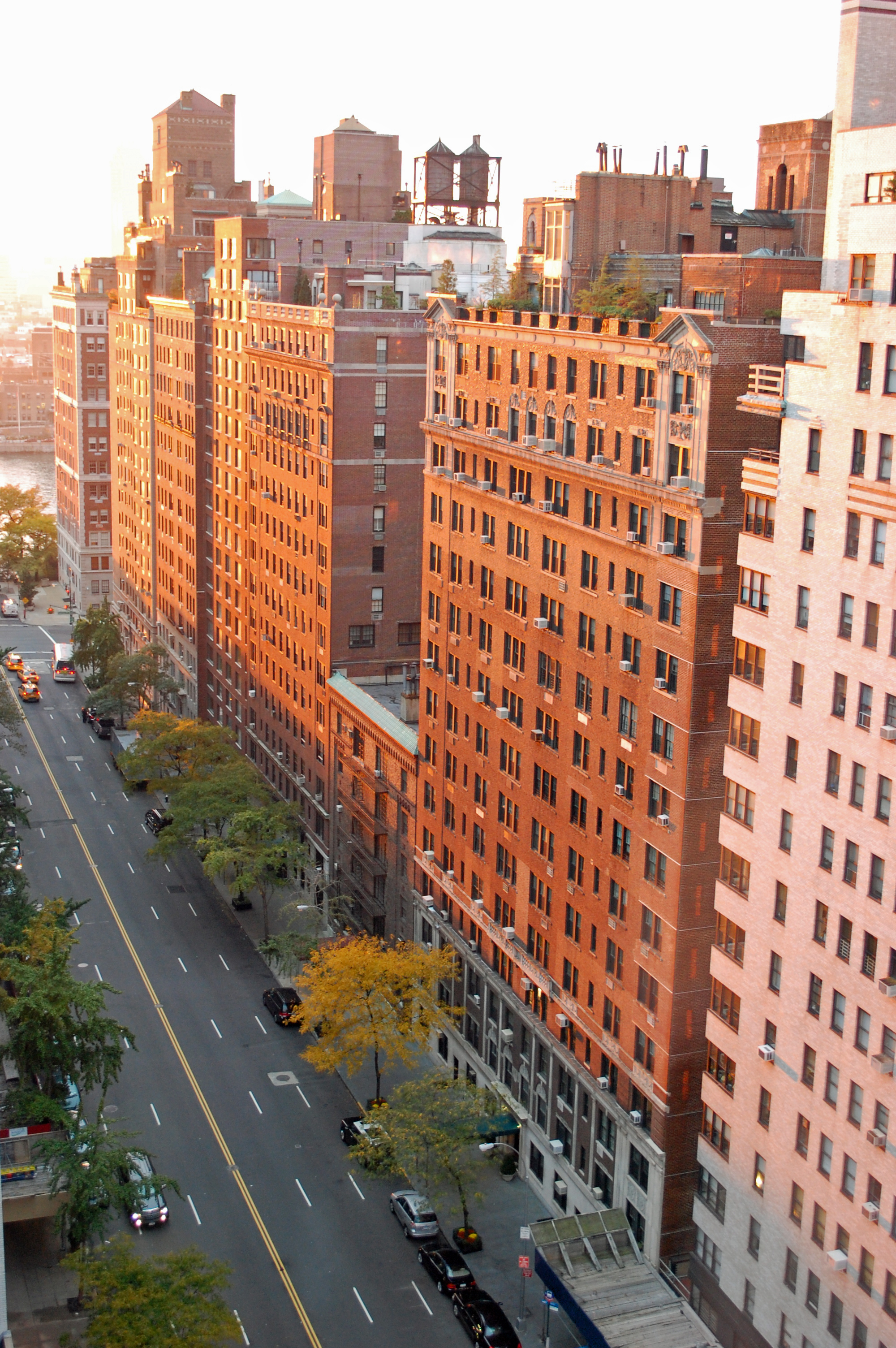
The HO-4 Contents Broad Form insurance policy is specifically designed for residential tenants. Because of its target demographic, the HO-4 Contents Broad Form is commonly known as renter's insurance.
This policy does two highly specific things:
- The HO-4 Contents Broad Form provides coverage for a tenant's personal property.
- The HO-4 Contents Broad Form includes personal liability coverage for the residential tenant.
Crucially, the HO-4 Contents Broad Form does not provide coverage for the physical structure of the rented building. If a grease fire starts in the tenant's kitchen, the tenant's HO-4 policy pays for their ruined furniture and clothes, and the liability portion protects them if the landlord sues for negligence. The landlord's own commercial property policy pays to rebuild the kitchen walls.
The Condominium Complexities: HO-6
Condominiums require perhaps the most elegant insurance division of all. In a condominium, the property is split. The exterior walls, the roof, the lobby, and the elevators belong collectively to the Homeowners Association (HOA). The interior space—the actual unit—belongs exclusively to the individual owner.
Therefore, a condominium association's master insurance policy covers the building exterior and common areas. The individual unit owner has no need to insure the roof.
To cover the unit owner's specific liabilities, the industry utilizes the HO-6. The HO-6 Unit-Owners Form insurance policy is specifically designed for condominium owners.
Like an HO-4, the HO-6 Unit-Owners Form provides coverage for a condominium unit owner's personal property. But unlike a tenant, a condo owner actually owns the interior walls, the custom cabinetry, and the hardwood floors they installed. Consequently, the HO-6 Unit-Owners Form provides coverage for structural improvements within the condominium unit.
Because this structural protection stops at the drywall, structural coverage in an HO-6 Unit-Owners Form is often described as walls-in coverage. It bridges the exact gap between the condo association's master policy and the individual owner's private belongings.
As a real estate professional, your value lies in anticipating roadblocks before they derail a transaction. By understanding why a lender rejects an HO-1, why an historic home necessitates an HO-8, and exactly where a condominium master policy ends and an HO-6 "walls-in" policy begins, you transform from a mere salesperson into a vital, trusted advisor at the closing table.