Contract Preparation Data
Not sure you’re ready?
Take the ~3-minute readiness diagnostic and see where you stand.
When an architect designs a suspension bridge, they do not rely on a rough sketch of the riverbanks; they demand exact topographical coordinates, soil samples, and wind shear data. The drafting of a real estate sales contract in New York requires the exact same level of empirical precision. A real estate transaction is a transfer of absolute geometric space and legal rights, not an exchange of handshakes. To construct an enforceable agreement, the specific geometry of the land, the absolute identity of the owners, and the granular financial mechanics of the deal must be synthesized into a singular, unassailable document.
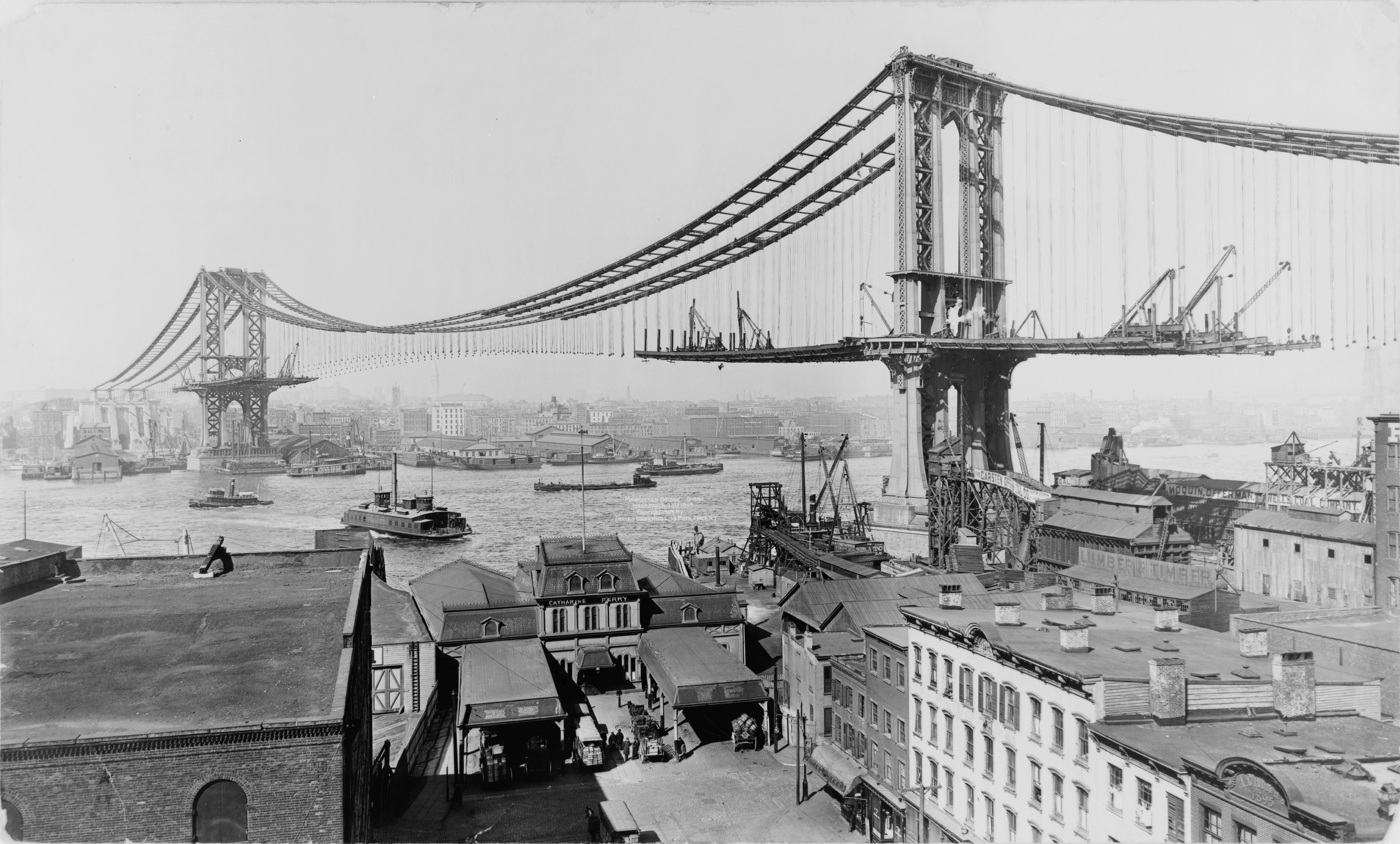
As a real estate professional, you are the surveyor of this initial data. If you deliver incomplete or inaccurate variables to the legal equation, the contract fails, the closing is delayed, and the transaction collapses. Understanding exactly what documentation is required, why it is required, and how property is mathematically defined is the bedrock of your professional competence.
Unlike some jurisdictions where brokers fill in the blanks on standard pre-printed contracts, New York operates on a strict division of labor. In New York State, the seller's attorney typically prepares the formal real estate sales contract. Your role as the agent is not to practice law, but to supply the attorney with the raw material necessary to draft that contract.
You initiate this process by delivering a memorandum of sale (often called a "deal sheet" or "term sheet") to the seller's attorney. A memorandum of sale outlines the basic financial terms and dates agreed upon by the buyer and seller. It is the translation of the accepted offer into a clear set of instructions.
To be effective, this document must be precise. Specifically, a memorandum of sale dictates three critical transactional variables:
- The specific agreed-upon purchase price.
- The required amount of the buyer's initial down payment. (Typically 10% in New York, due upon contract signing).
- The target closing date for the real estate transaction. ("On or about" a specific date).
Once the seller's attorney receives this memorandum, they must merge your financial terms with the legal reality of the property. To do this, they need a specific set of foundational documents.
A common mistake made by junior agents is assuming that pulling a basic property profile from a Multiple Listing Service (MLS) is sufficient for contract preparation. It is not. A real estate sales contract requires a legally sufficient property description to be enforceable. If the identity of the property is vague, a court cannot enforce the sale.
To achieve this enforceability, you must gather a suite of historical and municipal documents. Each document serves a specific, irreplaceable diagnostic function.
1. The Prior Deed
The deed is the instrument of conveyance. When preparing a new contract, the attorney must look to the past. The prior deed provides the most accurate legal description of a property for drafting a new sales contract.
Furthermore, you cannot sell what you do not own, and you cannot sell a property without the consent of all its owners. By examining the prior deed, you achieve two things:
- A prior deed contains the exact legal names of the current property owners. (If the seller's name is "John Smith" on the listing agreement but "John Smith and Jane Doe" on the prior deed, you have an immediate title issue).
- A prior deed determines if the seller holds sole ownership or co-ownership of the property. This dictates whose signatures are required on the contract.
2. The Property Survey
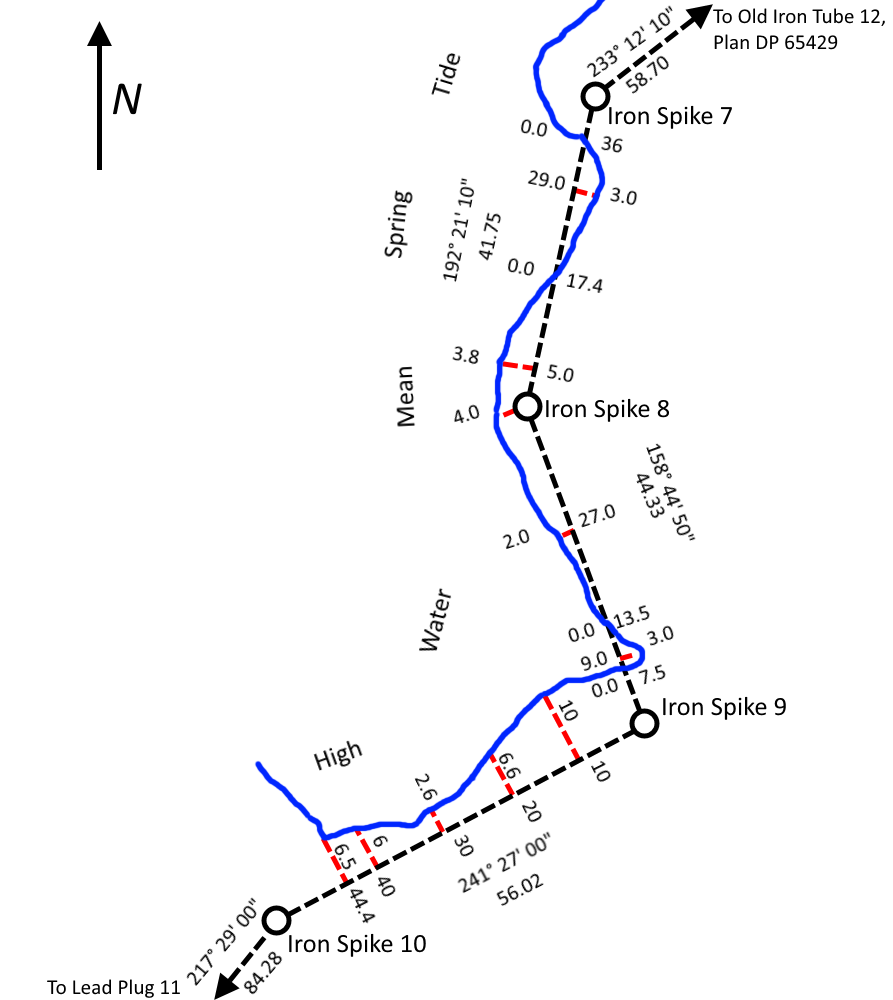
If the deed represents the theoretical ownership of the property, the survey represents its physical reality. A property survey reveals the exact physical boundaries of the land parcel.
Why does the attorney need this before drafting the contract? Because paper boundaries and physical realities frequently clash.
- A property survey shows the precise physical location of all buildings and improvements on the land.
- Crucially, a property survey identifies physical encroachments crossing the property lines. If the neighbor's garage extends two feet onto your seller's land, this encroachment must be addressed in the contract. Buyers agree to take the property "subject to" the facts a survey would show, but they will not agree to buy a lawsuit with a neighbor.
3. Property Tax Bills
Municipalities are highly efficient at tracking the real estate within their borders because it is their primary source of revenue. Property tax bills provide the exact block and lot numbers used for municipal identification.
Beyond identification, tax bills serve as a financial diagnostic tool:
- Property tax bills verify the current assessed municipal value of the property. This is critical for the buyer's attorney to estimate future tax burdens.
- More importantly, unpaid property tax bills indicate the presence of potential municipal liens on the property. In New York, municipal tax liens take priority over almost all other liens, including mortgages. If there are unpaid taxes, the contract must stipulate that they will be cleared by the seller prior to or at closing.
4. The Certificate of Occupancy (C of O)
A physical structure is only valuable if it is legal to use. A Certificate of Occupancy proves that a building complies with local building and zoning codes.
If a seller converted a single-family home into a two-family home, or added a third-story expansion, the attorney must know if the municipality approved it. A Certificate of Occupancy confirms that a structure is legally permitted for human habitation. If a property lacks a valid C of O for its current configuration, the buyer's lender will likely refuse to fund the mortgage, blowing up the transaction.
5. Prior Title Insurance Policy
When the current seller originally bought the property, they likely purchased title insurance. Procuring this old policy is a massive advantage. A prior title insurance policy helps the seller's attorney identify existing recorded easements affecting the property. An easement—such as a utility company's right to run power lines across the backyard—limits the owner's use of the land. Disclosing these known easements in the contract prevents the buyer from using them as an excuse to cancel the deal later.
We have established that a legally sufficient property description is required for the contract to be valid. But what exactly does "legally sufficient" mean?
Let us start with what it does not mean. A street address alone is legally insufficient as a property description in a formal New York real estate deed.
Why? Because street addresses are arbitrary, subject to change by the post office, and highly imprecise. An address like "123 Main Street" tells you how to deliver a letter, but it does not tell you if the side yard belongs to number 123 or number 125. However, a street address is commonly used alongside a formal legal description to help laypersons easily identify the property.
To legally define space, we rely on two primary systems in New York: Metes and Bounds, and Lot and Block.
The Metes and Bounds System
Imagine you are writing an algorithm to instruct a robot to walk the exact perimeter of a property and paint a line on the ground. You cannot tell the robot "walk around 123 Main Street." You must give it precise vectors.
This is the essence of metes and bounds. The metes and bounds system describes property lines using specific distances and compass directions.
Metes refers to distance (measured in feet and inches). Bounds refers to direction (using compass headings, degrees, minutes, and seconds).
Because the Earth is shifting and surveying technology evolves, this system grounds its math in physical reality. The metes and bounds system relies on physical monuments to mark changes in boundary directions. A "monument" might be an old oak tree, the center line of a creek, or, more commonly today, an iron pin driven deep into the soil by a surveyor.
For the algorithm to work, it must have a definitive starting coordinate. Therefore, a metes and bounds description must start at a specific geographic location called the Point of Beginning. The surveyor plots the line from this point, moving from monument to monument, providing distance and direction for each segment.
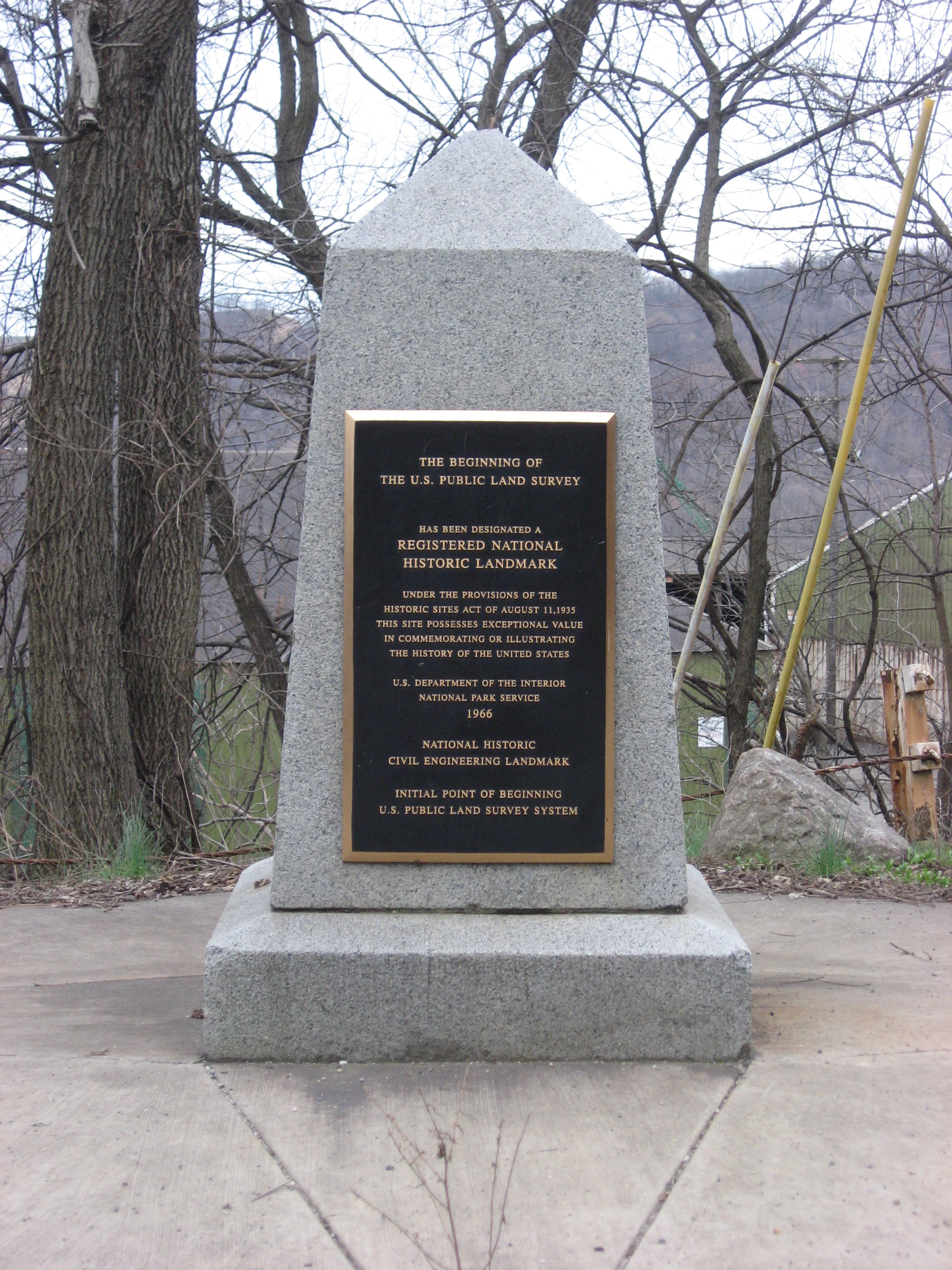
There is one critical test of this system's validity. If the robot walks the entire perimeter and stops ten feet short of where it started, the shape is open. An open shape cannot contain area. Therefore, a valid metes and bounds description must return precisely to the Point of Beginning to form a completely enclosed area. If the description fails to close, the contract and the subsequent deed are fundamentally defective.
The Lot and Block System
While metes and bounds are highly accurate, writing out three pages of compass vectors every time an apartment changes hands in Manhattan is hopelessly inefficient. To solve this, municipalities utilize a macroscopic organizing system.
The lot and block system identifies properties using numbers assigned on a subdivision plat map.
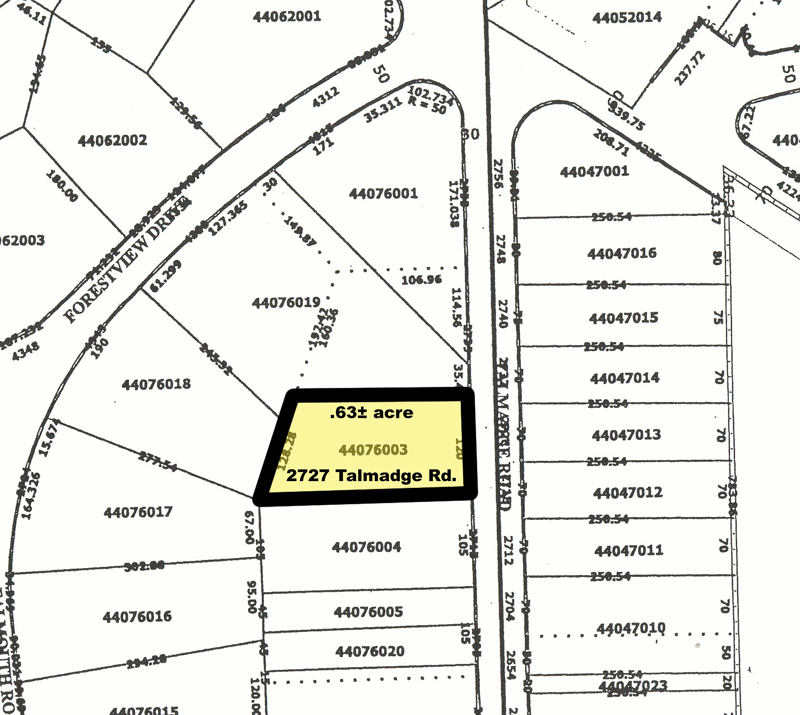
Think of this like a giant spreadsheet laid over the surface of the earth. The city is divided into large sections called Blocks, and those blocks are subdivided into individual parcels called Lots.
- The lot and block system is the primary legal method for describing properties in densely populated urban areas like New York City.
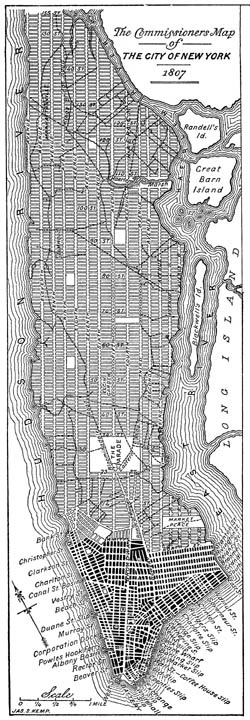
However, assigning arbitrary numbers on a map is useless unless the public has access to the master key. Therefore, a subdivision plat map must be filed in the public county records to be legally valid for property descriptions.
The brilliance of this system lies in its legal economy. By writing "Block 1452, Lot 12" in a real estate contract, the attorney does not need to write out the metes and bounds of the lot. A contract reference to a filed map legally incorporates all boundary details shown on that specific recorded map. By simply citing the map, all the rigorous geometric data contained within it is magically teleported into your contract.
Comparing the Two Systems
| Feature | Metes and Bounds | Lot and Block |
|---|---|---|
| Primary Use | Rural, irregular parcels, upstate NY | Dense urban areas, NYC, subdivisions |
| Core Method | Distances, compass degrees, physical monuments | Referencing a numbered grid system |
| Starting Point | The Point of Beginning | A filed subdivision plat map |
| Legal Validity Requirement | Must completely enclose (return to start) | Map must be officially recorded in county |
We have defined the financial terms, gathered the municipal data, and mathematically drawn the boundaries of the land. The final step in data gathering involves the interior of the property. When a buyer purchases real estate, they are buying the land and everything permanently attached to it (fixtures). They are not automatically buying the seller's movable belongings (personal property).
The boundary between "fixture" and "personal property" is where closing tables turn into war zones. A $10,000 custom-built library bookshelf might look built-in to the buyer, but the seller might consider it a movable piece of furniture.
To prevent these disputes, the contract must explicitly catalog the gray areas.
- A formal list of personal property identifies movable items explicitly included in the real estate transaction. If the buyer is paying asking price because they want the seller's high-end Viking stove and customized washer/dryer units (which are personal property), those items must be itemized in the contract. If they are not in the contract, the seller can legally load them onto a moving truck.
- Conversely, a real estate sales contract must explicitly list excluded fixtures to prevent future ownership disputes. If the seller plans to unscrew the antique crystal chandelier in the dining room (a fixture) and take it with them, it must be carved out as an exclusion in the contract. If it is not explicitly excluded, the buyer legally owns it the moment the deed transfers.

As a New York real estate professional, you are the architect of the deal's beginning. The memorandum of sale you draft is the catalyst. But the true strength of the transaction relies on the exactness of the data supporting it. By ensuring the seller's attorney has the prior deed, an accurate survey, tax records, and the C of O, you secure the chain of title. By understanding how metes, bounds, lots, and blocks legally fence the property, and by meticulously categorizing fixtures and personal property, you eliminate ambiguity. In real estate law, ambiguity is the enemy of a closed transaction. Precision is your ultimate asset.