Bundle of Rights and Planning
Not sure you’re ready?
Take the ~3-minute readiness diagnostic and see where you stand.
Imagine property not as a physical patch of dirt or a structure of bricks and mortar, but as a tightly bound bundle of invisible levers. When a buyer sits at a closing table in New York and is handed a brass key, they are not merely purchasing the physical materials of a building; they are acquiring a highly specific, abstract package of legal authorities. In property law, we understand that real estate is fundamentally defined by human behavior—what a person is permitted to do, and what they can forbid others from doing. Understanding the anatomy of these permissions, and exactly how they are shaped by both the state and private citizens, is the foundational physics of your real estate practice.
To navigate property law, we must dismantle the concept of ownership. When title transfers from seller to buyer, what is actually moving?
The bundle of legal rights is the set of legal privileges afforded to a real estate buyer upon the transfer of title. You can think of this bundle as a collection of individual sticks. An owner can hold all the sticks, or they can lend, sell, or discard specific sticks while retaining the rest.
If your client wishes to buy a Brooklyn brownstone, they are purchasing five distinct privileges:

- The Right of Possession: The bundle of legal rights includes the right of possession, which is simply the legal right to physically occupy the real estate. When a landlord signs a lease with a tenant, they are temporarily lending out this specific stick from their bundle.
- The Right of Control: The bundle of legal rights includes the right of control. The right of control allows the property owner to determine how the property is used within the framework of the law. Can they plant a garden? Paint the door bright red? Turn the den into a home office? This right answers "yes."
- The Right of Enjoyment: The bundle of legal rights includes the right of enjoyment. This sounds like an emotional state, but legally, the right of enjoyment is the property owner's right to use the property in any legal manner without third-party interference. It means the law protects their peace and quiet against neighbors or trespassers.
- The Right of Exclusion: The bundle of legal rights includes the right of exclusion. This is the legal right to refuse other individuals from entering or using the property. It is the invisible force field that gives power to a "No Trespassing" sign.
- The Right of Disposition: Finally, the bundle of legal rights includes the right of disposition. The right of disposition is the legal right to sell, will, or transfer ownership of the property. You cannot call yourself an absolute owner if you cannot legally give the property away.

Why this matters to you: When you negotiate a lease, draft an easement, or set up a life estate for a client, you are essentially helping them unbind this bundle, hand specific rights to others, and perfectly articulate what rights they keep.
The bundle of rights is powerful, but it is not absolute. An owner’s right of control does not allow them to construct a toxic chemical plant in the middle of a quiet residential cul-de-sac. The government holds a trump card over private property, and it is known as the police power.
The police power is the inherent authority of the government to enact regulations protecting public health, safety, and welfare.
It is under this fundamental constitutional authority that municipalities use the police power to establish and enforce zoning ordinances. Zoning does not happen by accident, nor is it drawn arbitrarily on a map. It requires meticulous foresight. To ensure a community grows logically, municipalities create a master plan to guide long-term physical development of the community.
The Comprehensive Plan and Infrastructure
A master plan is commonly referred to in New York real estate as a comprehensive plan. You can think of the comprehensive plan as the municipality’s DNA—it holds the instructions for all future growth.
A comprehensive plan dictates the framework for all future municipal zoning regulations. In fact, New York law requires local zoning ordinances to be drafted in accordance with the municipality's comprehensive plan. A town cannot haphazardly rezone a block from residential to heavy industrial if that change contradicts the unified vision of the comprehensive plan.
Who authors this vision? Local planning boards are legally responsible for developing a municipality's comprehensive plan. Furthermore, as developers attempt to build new neighborhoods, these local planning boards hold the authority to review and approve subdivision plats (the mapped-out divisions of land).
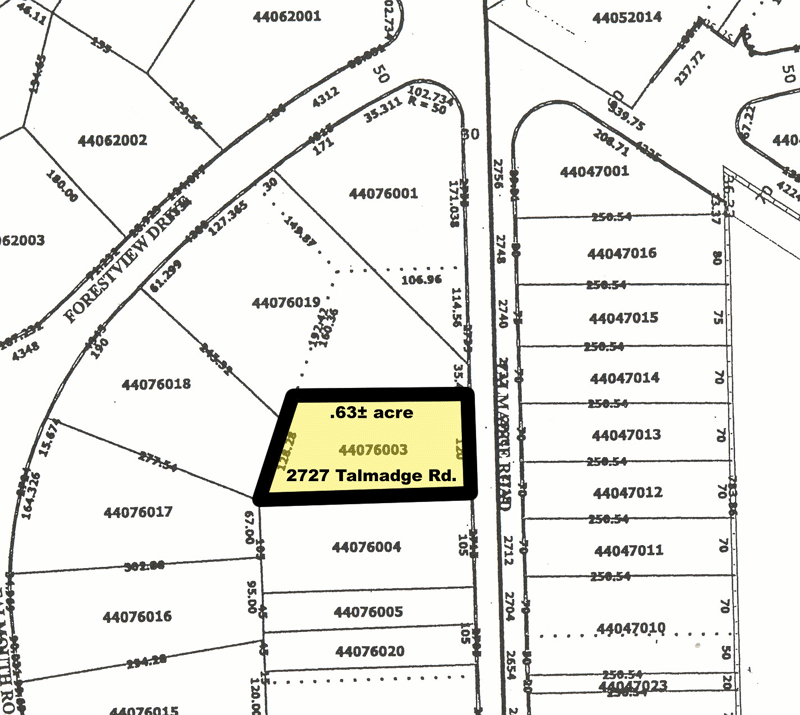
Growth requires resources. If a planning board approves a 300-home subdivision, those 300 new families will flush toilets, drive cars, and send children to school. Therefore, a comprehensive plan incorporates long-term capital budgeting. A capital budget establishes the financial plan for long-term municipal infrastructure projects. Infrastructure projects outlined in a capital budget frequently include the construction of public schools and roads to accommodate the planned influx of residents.
In your real estate career, especially if you deal with developers or commercial clients in New York, you will constantly hear the phrase "as-of-right."
Time is a real estate developer's worst enemy. Asking a municipality for an exception to their zoning laws requires public hearings, community board meetings, and massive carrying costs while waiting for approvals. The smartest, most profitable way to build is to follow the rules exactly as written.
As-of-right zoning refers to a real estate development that complies completely with all applicable local zoning rules.
When a developer designs a building that perfectly matches the zoning code's height limits, density requirements, and use restrictions, magical things happen regarding efficiency. Specifically:
- An as-of-right development does not require any discretionary action by a municipal planning commission.
- An as-of-right development proceeds without the need to obtain a special use permit.
- An as-of-right development proceeds without the need to obtain a zoning variance.
Because the math of development favors speed and certainty, the vast majority of new real estate developments in New York City are built as-of-right. The developer simply buys the land, submits architectural plans that follow the rules, receives their permits, and begins to dig. No politics, no special permission.
We have established how the state regulates land. But what happens when private citizens want to impose their own rules? Enter private land use controls.
Private land use controls are regulations placed on a piece of property by non-governmental entities. Crucially, private land use controls operate entirely independent of government zoning laws.
A property grantor (the seller) might love their land so much that they wish to control its destiny even after they have surrendered their right of disposition. They do this through a deed restriction, which is a primary form of private land use control. A deed restriction is a provision embedded in a deed that intentionally limits the future use of the specific property.
Deed restrictions are legally created by the property grantor. Deed restrictions are also known in real estate law as restrictive covenants.
Running With the Land
The most fascinating mechanism of a deed restriction is its permanence. Deed restrictions attach directly to the property rather than to the individual property owner. Because they are baked into the title itself, deed restrictions legally bind all subsequent owners of the burdened property.
The legal phrase indicating that restrictions bind subsequent owners is that the restrictions run with the land. Even if a property is sold ten times over the next century, the tenth buyer is still bound by the original grantor's rules.
What can a grantor control? The scope is remarkably broad. For instance:
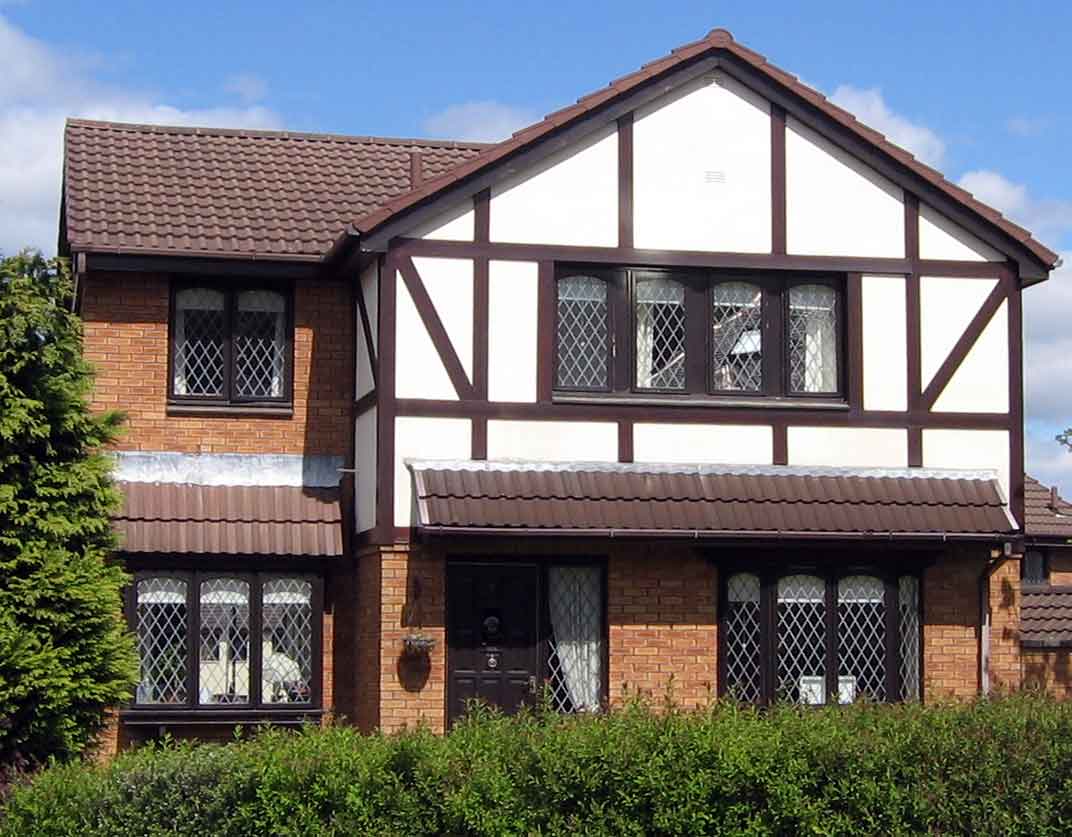
- A deed restriction can legally dictate the required architectural style of a residential home (e.g., "All homes on this parcel must feature Tudor-style roofing").
- A deed restriction can legally prohibit the operation of a commercial business on a residential parcel, even if local zoning would otherwise permit a small home business.
- A deed restriction can legally dictate the minimum allowable square footage of a structure built on the land, ensuring surrounding property values are maintained by preventing the construction of tiny homes.
The Macro Level: HOAs and CC&Rs
When a developer builds an entire subdivision or condominium complex, they scale up these private restrictions. Conditions, Covenants, and Restrictions (CC&Rs) are specific private rules established for an entire condominium complex or subdivision.
To ensure these rules aren't ignored, an governing body is created. Homeowners associations (HOAs) hold the authority to enforce Conditions, Covenants, and Restrictions within a subdivision. They are the private police force for the CC&Rs, levying fines if an owner paints their house an unapproved color or parks a commercial vehicle in their driveway.
| Feature | Public Land Use Controls (Zoning) | Private Land Use Controls (Deed Restrictions) |
|---|---|---|
| Source of Power | Police Power of the State | Private Contract / Grantor's wishes |
| Enforcement | Municipal Building Departments / Courts | HOAs / Neighboring property owners / Courts |
| Flexibility | Subject to variance or rezoning | Difficult to change once recorded |
Your client buys a vacant lot. The municipal zoning code allows them to build a three-story, multi-family duplex. However, they discover a deed restriction placed on the land in 1960 that limits construction to a single-story, single-family home. Which rule wins?
When a municipal zoning regulation and a private deed restriction conflict, the more restrictive of the two rules prevails.
In this scenario, the deed restriction is more limiting than the zoning code. The client may only build a single-story home. The government's permission does not erase private covenants.
How Private Controls Die
Deed restrictions are stubborn, but they are not immortal. The law provides several mechanisms to terminate them:
- Mutual Agreement: Private land use restrictions can be terminated by a mutual legal agreement of all interested parties. If everyone who benefits from the restriction agrees to lift it, the restriction dissolves.
- Abandonment: Imagine a neighborhood where a CC&R prohibits chain-link fences. Over the decades, 80% of the owners install chain-link fences, and the HOA does nothing. Private land use restrictions can be terminated if a court legally determines the restrictions have been abandoned by the beneficiaries.
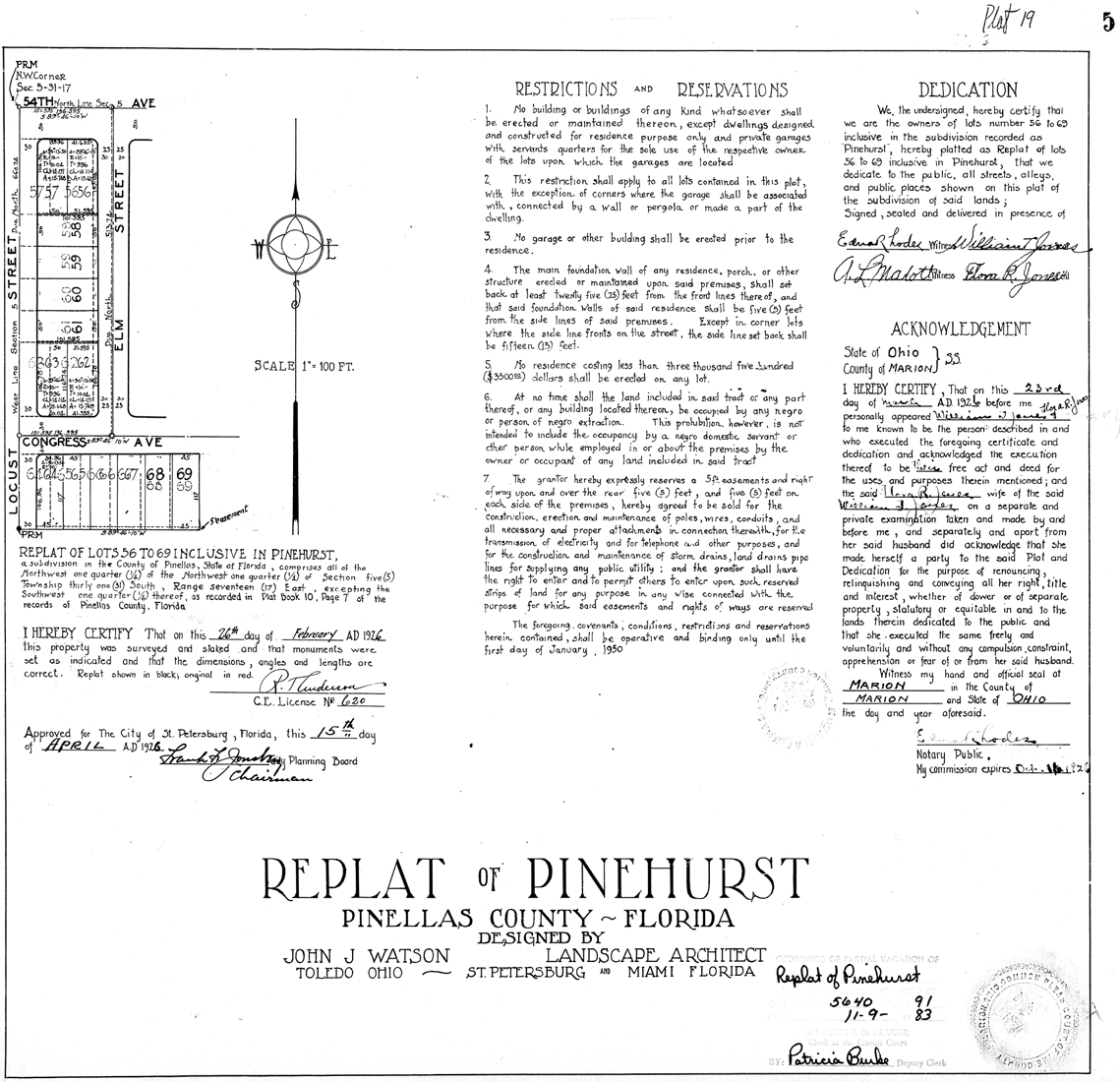
- Fair Housing Violations: Private land use controls are legally invalid if the controls violate federal or state fair housing laws. Historically, discriminatory grantors used restrictive covenants to segregate neighborhoods. Today, a deed restriction prohibiting the sale of property to individuals of a specific race is entirely void and unenforceable. (If you ever read a historic deed in New York, you may still see these vile restrictions written in the old text; by law, they are stripped of all legal power).
- The Doctrine of Laches: The law rewards the vigilant, not those who sleep on their rights. The doctrine of laches can prevent the enforcement of a deed restriction. The doctrine of laches applies when an enforcing party causes an unreasonable legal delay in asserting a restriction violation.
Practical Scenario: Your client builds an unauthorized second-story addition that violates a restrictive covenant. Their neighbor watches the construction happen for six months, says nothing, and waits until the roof is shingled to file a lawsuit demanding it be torn down. A judge will likely invoke the doctrine of laches. The neighbor lost their right to enforce the restriction because they delayed unreasonably while your client spent a fortune building it.
Understanding the tension between a buyer's bundle of rights, the local municipality's comprehensive plan, and the enduring grip of private deed restrictions gives you an incredible advantage. It transforms you from a mere salesperson into a true real estate professional who can read the invisible architecture of a property, foresee roadblocks, and expertly guide your clients to the closing table.