Police Power and Building Codes
Not sure you’re ready?
Take the ~3-minute readiness diagnostic and see where you stand.
Imagine purchasing a plot of land in the heart of Manhattan or the sprawling hills of the Hudson Valley. While the deed grants you title to the earth, the stone, and the sky above it, it does not grant you absolute sovereignty. The government retains an invisible, overarching architecture of control known as police power. This is the inherent authority of state and local governments to regulate private property. It is not about law enforcement or officers with badges; rather, it is the fundamental mechanism the state uses to protect the public health, safety, morals, and general welfare. Every time a client asks you, "Can I build an extension here?" or "Can we add a basement apartment?", they are bumping up against the invisible boundaries drawn by police power.
To a physicist, a system is governed by fundamental forces like gravity and electromagnetism. To a real estate professional, the built environment is governed by police power. You cannot advise a buyer, list a property, or negotiate a commercial lease without understanding its reach.
Because the primary purpose of police power is to protect the public health, safety, morals, and general welfare, the state does not need to compensate property owners when it restricts what they can do with their land (unlike eminent domain). Two of the most critical forces shaping your daily real estate practice stem directly from this authority:
- Zoning ordinances are enacted and enforced as an exercise of the government's police power.
- Building codes are enacted and enforced as an exercise of the government's police power.
Without these regulations, a developer could build a dynamite factory next to a kindergarten, or construct a high-rise without fire exits. The state imposes a necessary order, but how that order plays out in the real world determines whether your client's deal closes smoothly or falls apart.
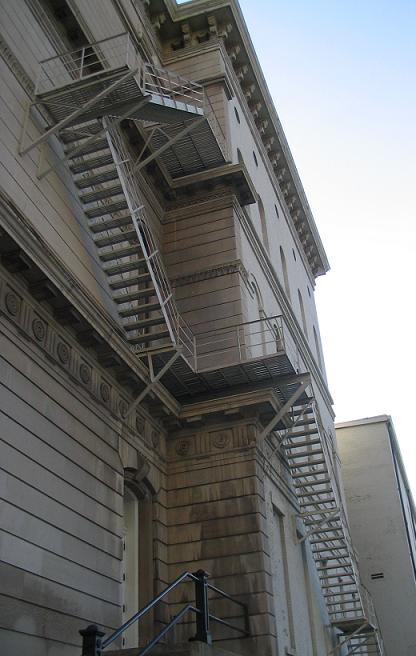
In New York, the physical reality of a building—how the framing is spaced, the electrical load the wiring can handle, and the width of the stairwells—is governed centrally but enforced locally.
The baseline for safety is the New York State Uniform Fire Prevention and Building Code. This statewide mandate regulates statewide building construction standards. The fundamental purpose of the New York State Uniform Fire Prevention and Building Code is to ensure minimum structural and fire safety standards. The state determines what makes a building safe to inhabit.
However, Albany does not have a standing army of inspectors to check every joist in every town. Instead, local municipalities in New York are primarily responsible for enforcing the State Uniform Fire Prevention and Building Code. This decentralized enforcement mechanism is something you will navigate continuously as an agent.
The Mechanics of Enforcement
How does a local building department actually exert this control? They do it sequentially, acting as a filter at every stage of the construction process:
- Plan Review and Permitting: Local building departments enforce building codes initially through the review of plans and the issuance of building permits. Before a shovel hits the dirt, the architect's blueprints must prove that the theoretical structure will meet state code.
- During Construction: Once the permit is issued, trust is not enough. Local building departments enforce building codes by conducting periodic property inspections during the construction process. They inspect the foundation before it is poured, the framing before the drywall goes up, and the electrical before the power is turned on.
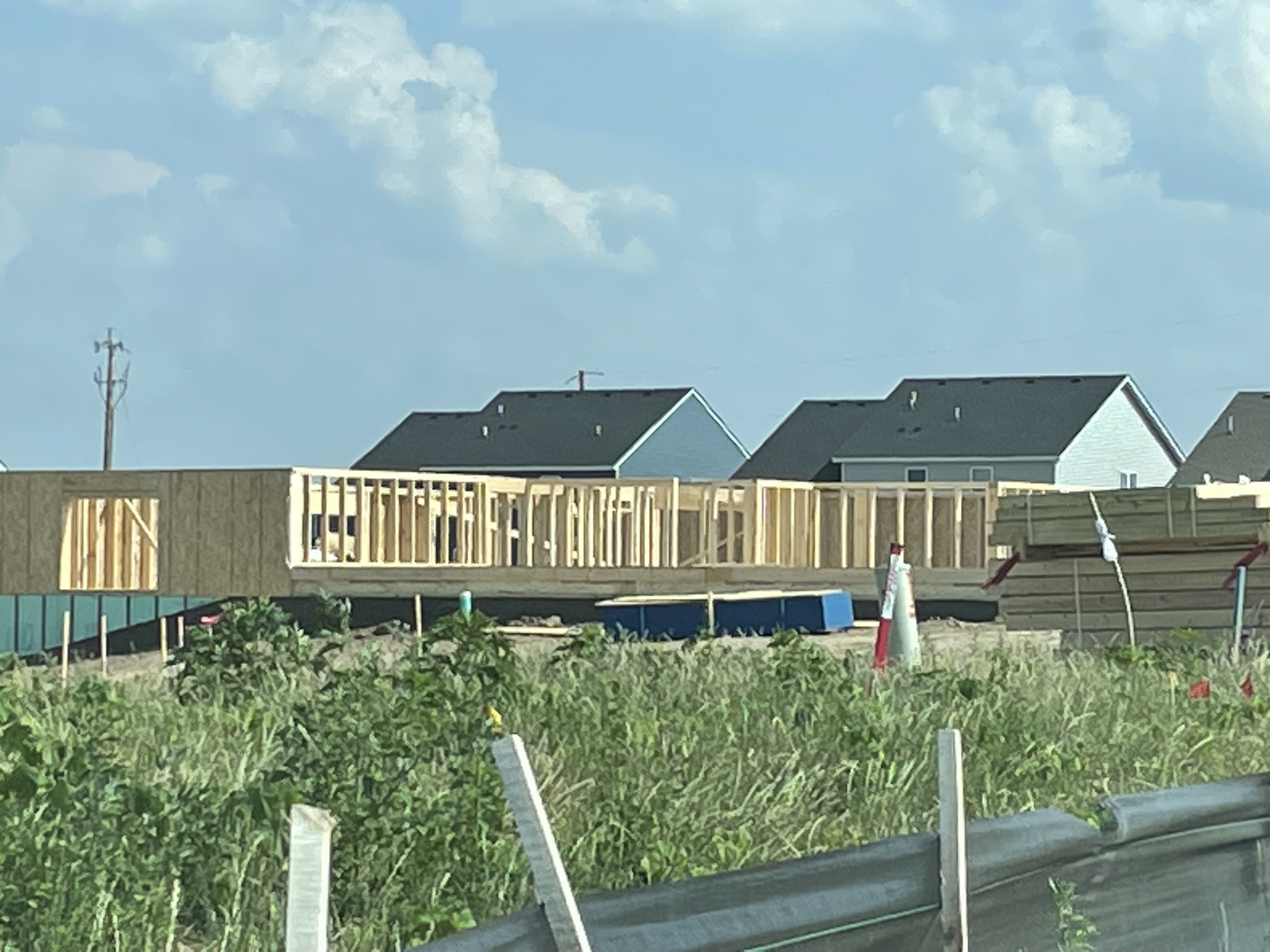
- The Final Blessing: Once the dust settles, the local building department issues the holy grail of real estate transactions: the Certificate of Occupancy (commonly called a C of O).
Crucial Rule: A Certificate of Occupancy is issued by the local building department when a completed building complies with all applicable building codes. A newly constructed or significantly altered building cannot be legally occupied without a valid Certificate of Occupancy.
Why this matters to your deals: If you are representing the buyer of a newly renovated home, the lender will refuse to fund the mortgage if the seller cannot produce a valid Certificate of Occupancy for the new addition. As a salesperson, verifying the C of O early in the listing process prevents disastrous, delayed closings.
While building codes protect buyers from structural collapse, other exercises of police power protect them from financial collapse. Historically, real estate was rife with hucksters selling underwater swampland in Florida to unsuspecting northerners. To stop this, the state stepped in.
Article 9-A of the New York Real Property Law is known as the Subdivided Lands Law. The Subdivided Lands Law protects New York residents from fraudulent practices in the sale of vacant land.
Notice the precise mechanics of this law. The New York Department of State enforces Article 9-A using the state's police power. The law is triggered by very specific conditions:
- The Land: It applies to vacant land.
- The Density: The Subdivided Lands Law applies to vacant land subdivided into 16 or more lots. (Selling three lots off a family farm does not trigger the law; a 20-lot commercial subdivision does).
- The Action: Developers must file an Article 9-A offering statement before selling subdivided vacant lands to New York residents.
This offering statement—filed with the New York Department of State—forces the developer to disclose the physical and financial realities of the land. Is there water? Are there liens?

The Interstate Reach: You might think New York law only governs New York dirt. Not so. Article 9-A applies to subdivided lands located outside New York State if the lands are offered for sale to New York residents. If a developer in Arizona runs an advertisement in the New York Times trying to sell 50 vacant desert lots to New Yorkers, that developer must file an offering statement with the New York Department of State. The police power extends to protect the citizen, regardless of where the land sits.
Traditional zoning was a rigid grid: every house on a one-acre lot, spaced exactly the same. But rigid grids often bulldoze over the natural beauty of the land and create monotonous neighborhoods. Modern local authorities use their police power creatively through flexible zoning techniques.
Cluster Zoning: The Geometry of Preservation
Cluster zoning allows a developer to build dwelling units closer together than normally permitted in a specific zoning district.
If a developer buys 100 acres zoned for 100 homes (one house per acre), traditional zoning demands a checkerboard of equal squares. But what if 30 of those acres contain a beautiful old-growth forest and a stream? Cluster zoning allows the developer to group the houses tightly on 70 acres.
- The Public Benefit: The primary purpose of cluster zoning is to preserve continuous tracts of open space within a residential development.
- The Density Rule: Crucially, cluster zoning preserves open space without increasing the overall permitted density of the entire development tract. The developer still only gets to build 100 homes; they are simply moved closer together.
- The Developer Benefit: Why would a developer agree to this? Because cluster zoning can reduce a developer's infrastructure costs by shortening the required length of roads and utility lines. Paving miles of winding roads and digging miles of sewer pipes is astronomically expensive. By clustering the homes, the developer saves money, and the community saves the forest.

Incentive Zoning: The Urban Trade-Off
If cluster zoning is about geometry, incentive zoning is about economics. It is a mutually beneficial trade between the city and the developer.
Incentive zoning provides developers with zoning variances in exchange for the developer providing specific public amenities. The municipality essentially says, "We will let you break the normal zoning rules, provided you build something the community desperately needs."
| The Developer's Reward | The Public's Amenity |
|---|---|
| An example of a developer reward granted under incentive zoning is an increase in allowable building height. | Public amenities provided by developers under incentive zoning often include public plazas or parks. |
| An example of a developer reward granted under incentive zoning is an increase in allowable building density (more units per floor). | Public amenities provided by developers under incentive zoning frequently include the creation of affordable housing units. |
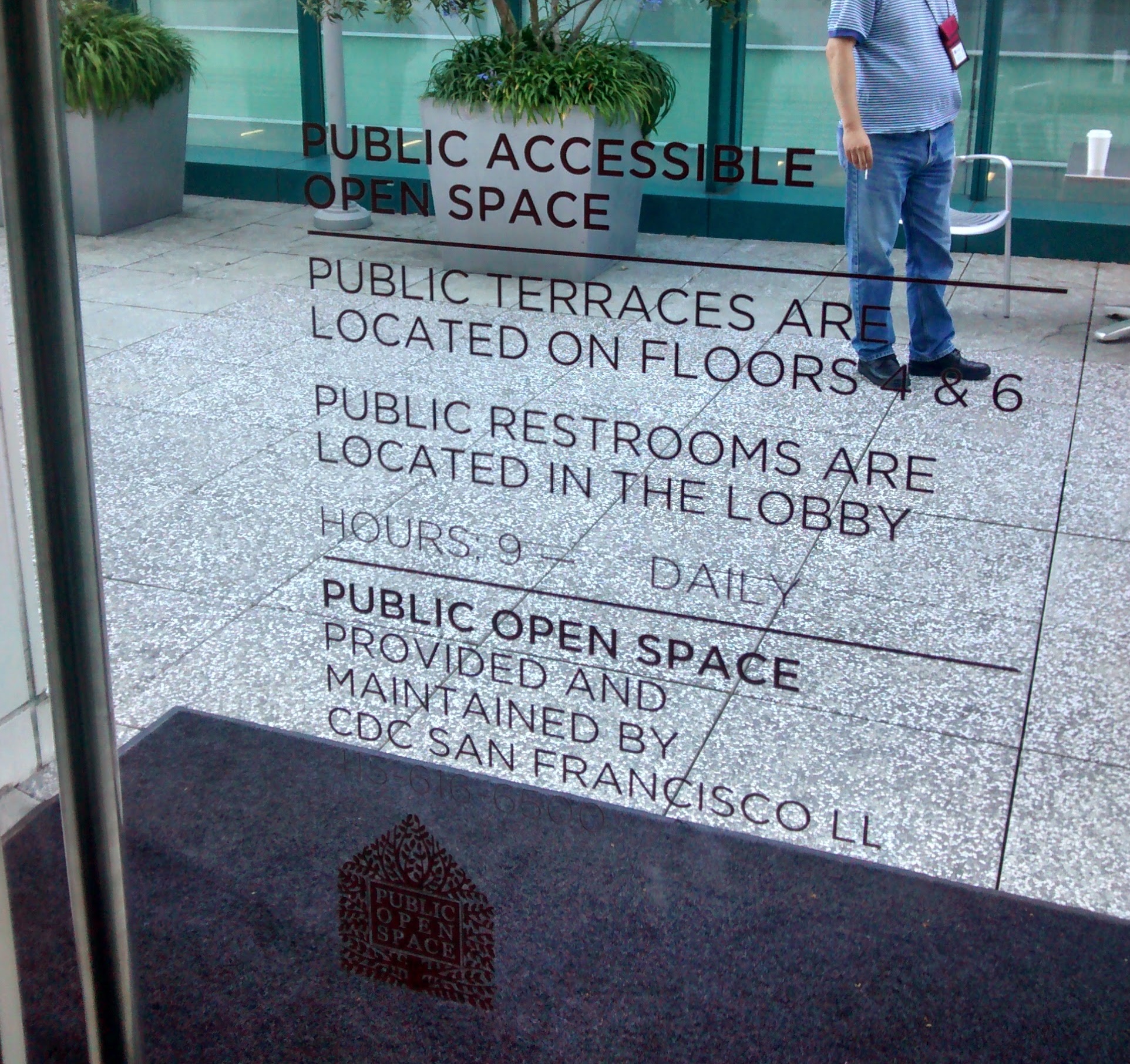
When you walk past a towering glass skyscraper in Manhattan and notice a beautiful, privately owned public atrium on the ground floor, you are looking at incentive zoning in action. The developer paid for the atrium, and in return, the city allowed them to build ten stories higher than the base zoning allowed.
Zoning boards wield immense power. They decide whether a quiet residential street will suddenly face a 24-hour drive-thru restaurant. Because these decisions drastically affect property values—and therefore, your clients' investments—the law demands that these decisions happen in the light of day.
The New York Open Meetings Law is commonly referred to as the Sunshine Law.
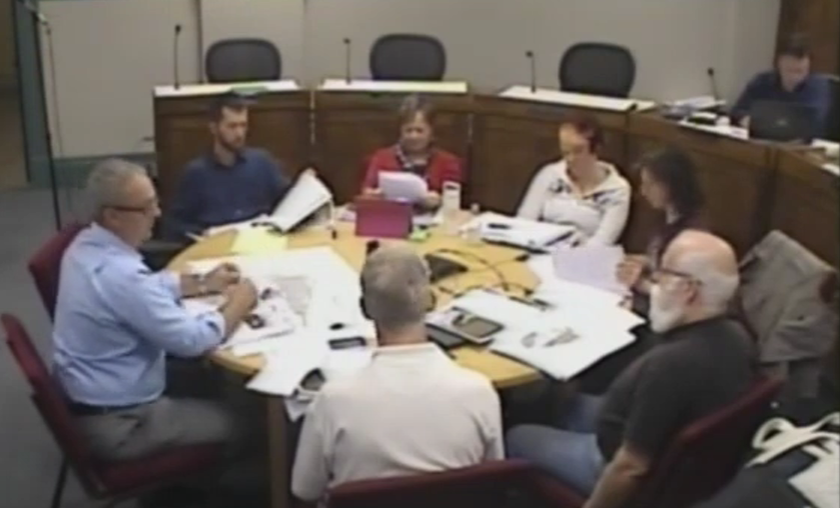
The Sunshine Law mandates that official meetings of public bodies be open to the general public. The logic is simple: the Sunshine Law ensures public transparency and accountability in local land use and zoning decision-making processes. Government cannot operate in the shadows when it comes to the public welfare.
Specifically, two major municipal bodies that directly impact real estate are governed by this rule:
- Local zoning board of appeals (ZBA) meetings are subject to the requirements of the New York Sunshine Law.
- Local planning board meetings are subject to the requirements of the New York Sunshine Law.
Transparency is useless if no one knows a meeting is taking place. Therefore, under the Sunshine Law, the public must be given reasonable advance notice of municipal board meetings.
Why this matters to you: Elite real estate agents don't just react to the market; they anticipate it. If your client is looking to buy a $2 million property, they will ask you, "What's going on with that large empty lot down the street?" Because of the Sunshine Law, you have the right to attend the local planning board meetings, review the agendas, and see exactly what the town is considering. Knowing that a commercial developer is pitching a variance for a warehouse down the block allows you to advise your client with absolute, professional authority.