Business Organizations and Ownership
Not sure you’re ready?
Take the ~3-minute readiness diagnostic and see where you stand.
Ownership in real estate is fundamentally a legal technology. When an individual purchases a rural single-family home, the mechanics of ownership are visible and direct. However, when capital scales to the level of Manhattan high-rises, commercial parks, or multi-family complexes, ownership abstracts into sophisticated legal structures designed to pool money, distribute risk, and optimize taxation. An aspiring New York real estate professional must understand that a building is never just physical steel and glass; it is a manifestation of the legal entity that holds its title. Understanding these structures dictates how a property is financed, how catastrophic liabilities are absorbed, and exactly what rights your client receives at the closing table.
To understand how groups of people own real estate, we must look at the legal containers they use to hold it. Each container handles two fundamental variables differently: liability (who gets sued if the roof collapses?) and taxation (how much does the government take?).
Partnerships: The Power and the Peril
At its simplest, a general partnership involves two or more individuals managing a business together. General partners share equal rights and responsibilities in managing a business. If a roof needs repairing, they decide together. However, this structure carries a massive, inherent risk: general partners have unlimited personal liability for business debts. If a visitor is severely injured on the property and the damages exceed the insurance policy, the partners' personal bank accounts, cars, and homes are at risk.
To solve this liability problem while still allowing people to invest, the law created the limited partnership. A limited partnership consists of at least one general partner and one or more limited partners.
- The general partner runs the day-to-day operations and absorbs the unlimited liability.
- The limited partners provide capital but do not participate in daily management.
Because they surrender control, they gain a legal shield: the liability of a limited partner is restricted to the amount of the limited partner's initial investment. If a limited partner invests $50,000, the absolute maximum they can lose is that $50,000, regardless of the partnership's debts.
Corporations: The Artificial Person
What if investors want no personal liability at all, even for the managers? They create a corporation. A corporation is an artificial legal entity created under state law. Because the law views the corporation as a distinct, standalone "person," a corporation holds title to real estate in severalty—meaning ownership severed from all others, held entirely by the corporate entity alone.
Shareholders own a corporation through the purchase of corporate stock. Because the corporation is the legal owner of the real estate, the personal assets of corporate shareholders are protected from corporate debt liability.
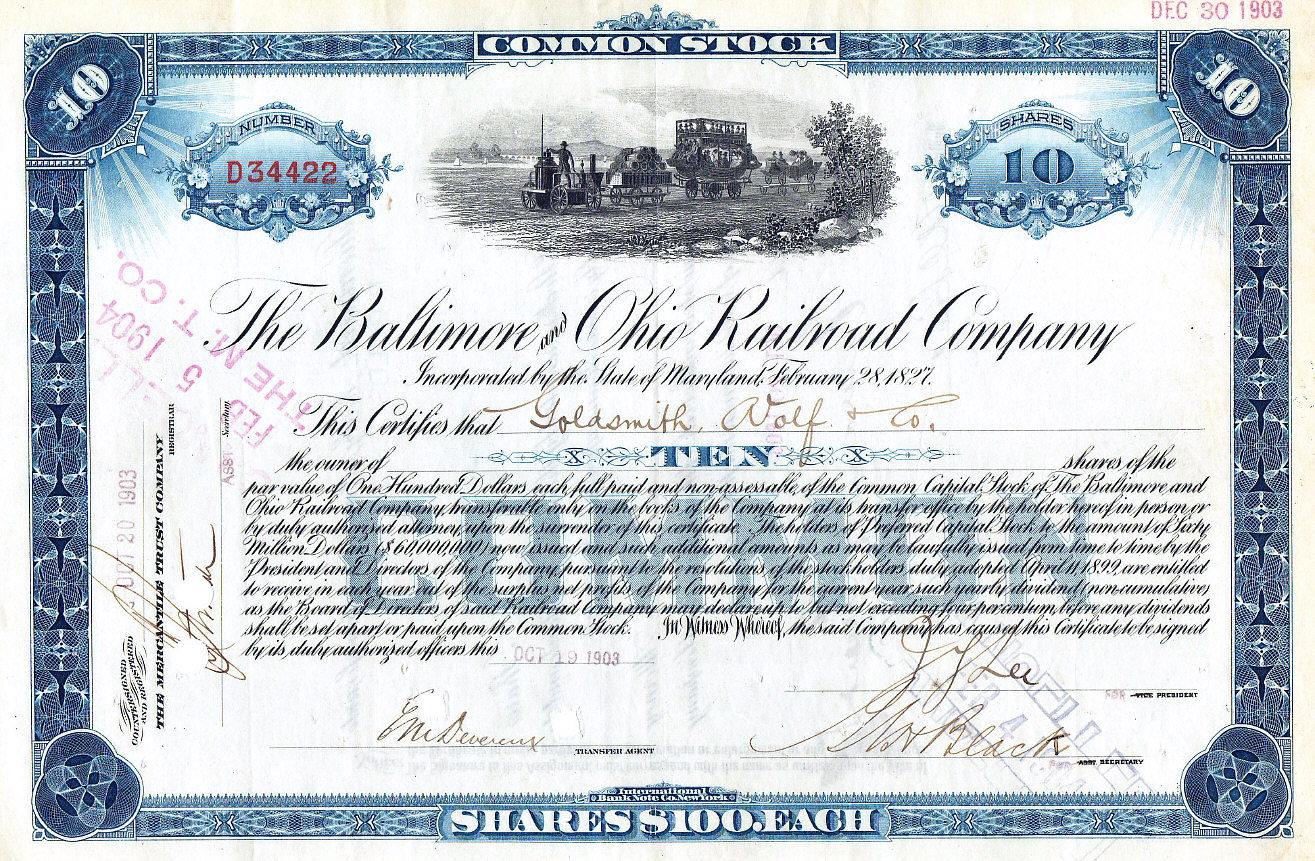
However, this legal shield comes with a severe financial cost if structured as a traditional C-corporation. A C-corporation faces double taxation on corporate profits and shareholder dividends. The corporation pays taxes on its rental income, and when it distributes the remaining cash to the shareholders, the shareholders pay taxes on those dividends again.
To bypass this inefficiency, investors can form an S-corporation. An S-corporation avoids double taxation by passing income directly to shareholders, taxing the money only once at the individual level.
The Modern Standard: Limited Liability Companies
Over time, real estate professionals wanted the best of both worlds without the strict federal limitations placed on S-corporations. The result was the Limited Liability Company (LLC). An LLC combines the liability protection of a corporation with the pass-through tax benefits of a partnership. The owners of a Limited Liability Company are referred to as members, rather than shareholders or partners. Today, the LLC is the dominant vehicle for holding commercial and investment real estate.
Capital in real estate is rarely supplied by one pocket. It is gathered and aimed at specific targets.
A real estate syndicate is a group of investors pooling capital to purchase and manage real estate. It is crucial to understand that "syndicate" is a descriptive business term, not a distinct legal entity type. To actually hold title and operate, a real estate syndicate can be structured as a corporation, limited liability company, or limited partnership.
Sometimes, two powerful entities pool their resources not to build an ongoing business, but to execute a single, highly specific project—like erecting a single commercial tower. This is known as a joint venture, which is a temporary partnership formed for a single real estate transaction. Once the project is sold, the venture dissolves.
Trusts and REITs
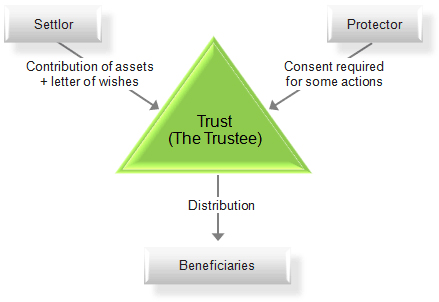
Another method of holding property relies on a fiduciary triangle. A trust involves a trustor transferring property ownership to a trustee for the benefit of a beneficiary. The trustee acts as the legal guardian of the asset, managing it strictly for the beneficiary's advantage.
When you scale the concept of a trust up to a massive, publicly traded portfolio, you get a Real Estate Investment Trust (REIT). A REIT pools investor funds to purchase income-producing real estate, allowing a retail investor to own a fraction of a massive shopping mall or office park.
To ensure REITs operate as true public investment vehicles and not tax-evasion schemes for a wealthy few, federal law enforces strict parameters:
- A Real Estate Investment Trust must have at least 100 shareholders to qualify for special tax treatment.
- A Real Estate Investment Trust must distribute at least 90 percent of its taxable income to shareholders annually. (Because it passes the money straight through, the REIT itself largely avoids corporate income tax).
Nowhere in the country is the distinction between property structures as culturally and legally vital as in New York. If you are selling residential real estate in New York City, you are primarily selling cooperatives (co-ops) and condominiums (condos).
In both structures, the original developer is referred to as the sponsor. To protect consumers from fraud, the state heavily regulates how these properties are brought to market. A cooperative sponsor must file an offering plan with the New York State Attorney General before selling cooperative shares, and similarly, a condominium sponsor must file an offering plan with the New York State Attorney General before selling units.
Despite this shared regulatory birth, their legal anatomies are entirely different.
Cooperatives: The Corporate Building
Look at a classic pre-war building on the Upper West Side. It is not subdivided legally; the entire cooperative building is legally owned in severalty by a single corporation.

When your client "buys an apartment" in a co-op, they are not buying physical walls or floors. Purchasing a cooperative unit grants the buyer shares of stock in the cooperative corporation. Because stock is movable, paper wealth, the interest held by a cooperative owner is classified as personal property rather than real property.
Crucial Distinction: A cooperative owner does not receive a deed to the unit. Instead, because they own shares, a cooperative shareholder receives a proprietary lease to occupy a specific unit.
Because the building is legally a private club of shareholders, the transfer of cooperative shares typically requires the approval of the cooperative board of directors. This is why co-op board packages are famously rigorous—they are deciding who gets to join their private corporation.
Financially, the entire building receives a single property tax bill and has a single underlying mortgage. To pay these, a cooperative owner pays a monthly maintenance fee covering the unit's share of building expenses and property taxes. If one neighbor defaults on their $3,000 maintenance fee, the rest of the shareholders must absorb the deficit to keep the corporation solvent.
Condominiums: Cubes of Air
If a co-op is a corporate share, a condominium is a three-dimensional box of real estate suspended in the sky. The New York Condominium Act governs the formation and operation of condominiums within the state, creating the legal framework that allows you to own "airspace."
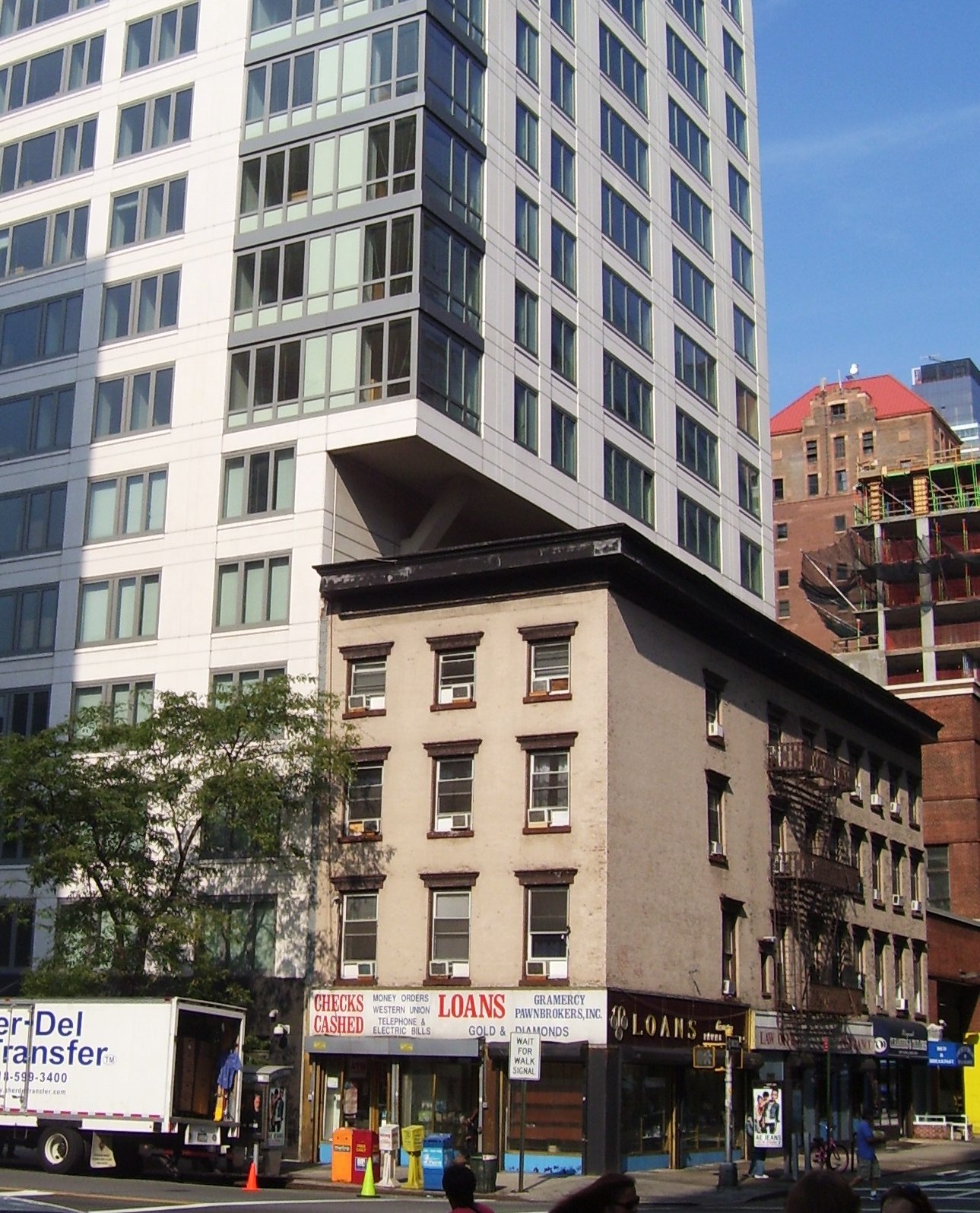
A condominium owner holds fee simple title to the interior space of the individual unit. Because this is true real estate, a condominium owner receives a deed transferring real property ownership.
But what about the hallways, the roof, and the gym? Condominium owners hold an undivided interest in the building's common elements as tenants in common. Common elements in a condominium include lobbies, hallways, elevators, and recreational facilities.
Unlike a co-op, a condo is not a single corporate organism. A condominium owner receives a separate property tax bill for the individual unit. Because there is no private corporate ownership of the entire structure, there is no board of directors with absolute veto power over who buys an apartment. Instead, a condominium association board of managers enforces the bylaws and manages the common elements.
Summary Comparison: Co-ops vs. Condos
| Feature | Cooperative (Co-op) | Condominium (Condo) |
|---|---|---|
| What You Buy | Shares of stock | Physical interior space |
| Legal Classification | Personal Property | Real Property |
| Document Received | Proprietary Lease | Deed |
| Ownership of Unit | Corporation owns in severalty | Buyer holds Fee Simple title |
| Common Areas | Owned by the corporation | Owned as Tenants in Common |
| Property Taxes | Paid via monthly maintenance fee | Separate property tax bill per unit |
| Governance | Board of Directors | Board of Managers |
Understanding these structures transforms you from a mere tour guide of properties into a precise architectural analyst of the deal. Whether you are advising a client to purchase an LLC-protected commercial space, warning them about the personal liability of a general partnership, or explaining why they won't get a deed at their co-op closing, you are navigating the invisible legal frameworks that make New York real estate function.