Calculating Area and Length
Not sure you’re ready?
Take the ~3-minute readiness diagnostic and see where you stand.
When a real estate professional prices a property, they are fundamentally assigning a financial value to physical space. Whether evaluating a commercial storefront in Manhattan, an irregularly shaped residential lot in Queens, or a sprawling agricultural tract in the Finger Lakes, the geometric dimensions of that property dictate its legal utility, its development potential, and its market value. In the high-stakes environment of New York real estate, a mathematical miscalculation is not merely an academic error; it is a fiduciary failure that can derail a closing, skew a comparative market analysis (CMA), or result in a costly misrepresentation lawsuit. Mastery over how we measure, convert, and value the geometry of land and buildings is the bedrock of a salesperson's competence.
To evaluate property accurately, we must first distinguish between the one-dimensional lines that form its boundaries and the two-dimensional space contained within them.
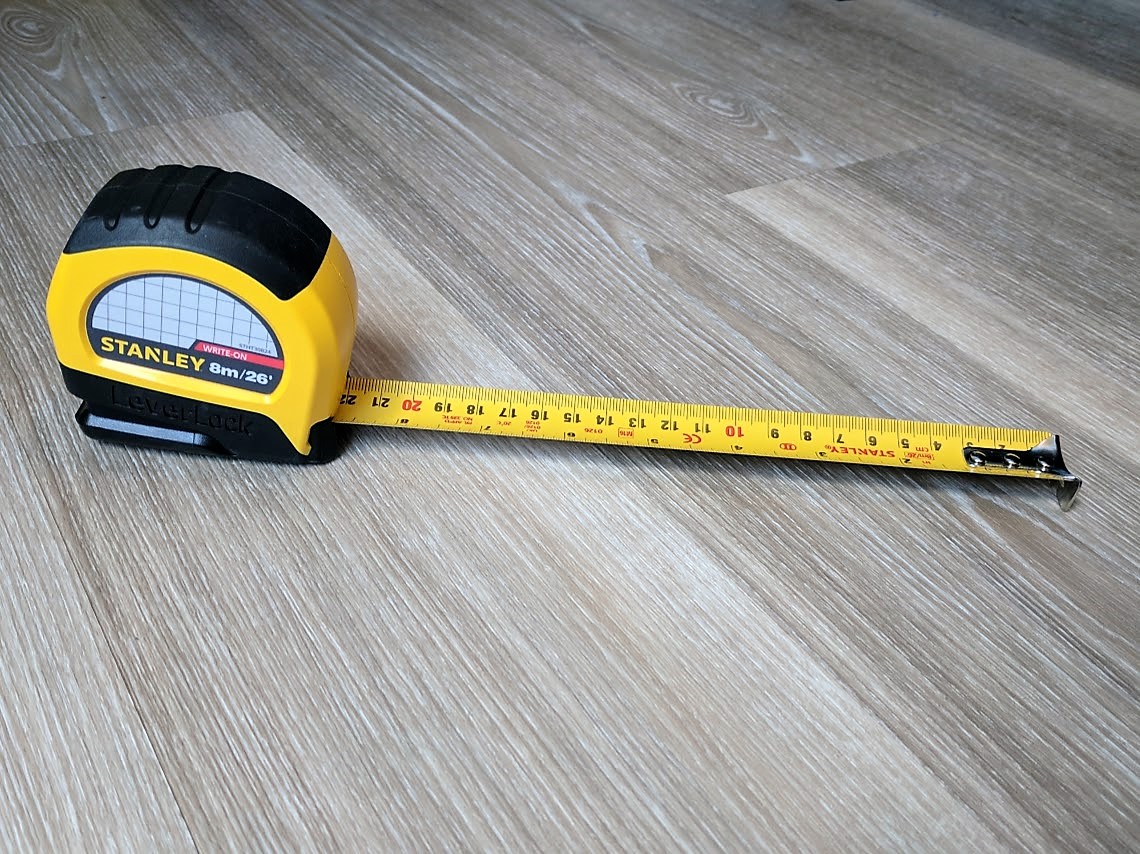
Linear footage is a one-dimensional measurement of length or distance used to quantify physical boundaries. When a client asks how much fencing they need to enclose their backyard, or an assessor measures the distance between a foundation and the property line for a setback requirement, they are operating in linear feet.
If we want to know the total length of the boundary enclosing a property, we calculate the perimeter. The perimeter of a rectangular property is calculated by adding the linear lengths of all four external sides of the property boundary.

By contrast, square footage is a measurement of two-dimensional area used to quantify the size of land or building interiors. You measure linear footage with a tape measure; you calculate square footage with geometry.
Front Footage: The Property's Handshake
Not all linear boundaries are valued equally. Front footage refers to the linear length of a property boundary that directly abuts a street, road, or body of water.
In commercial real estate, front footage dictates visibility and foot traffic; in residential real estate, it might dictate lakefront access or driveway capacity. Because front footage is historically the most valuable part of a lot's perimeter, the real estate industry relies on a strict notation standard: when a rectangular property dimension is stated as two numbers, the first number conventionally represents the front footage.
Standard Convention: If a lot is listed as 50' × 100', it has 50 feet of front footage abutting the street and stretches 100 feet deep.
Properties rarely exist as abstract points; they are geometric planes. To determine their value, you must first calculate their area.
Regular Lots: Rectangles and Triangles
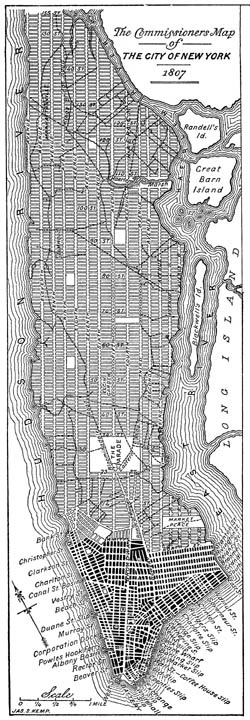
The vast majority of subdivided parcels, especially in urban grids like those found in the five boroughs of New York City, are rectangular.
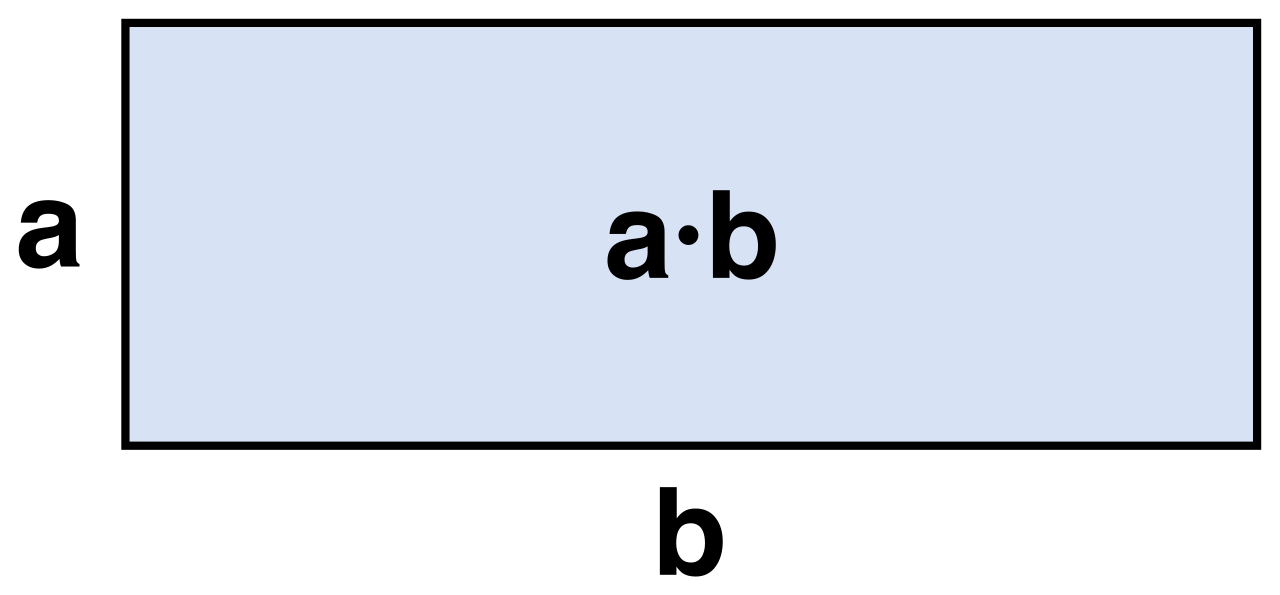
- The area of a rectangular lot is calculated by multiplying the length of the lot by the width of the lot. (Area = Length × Width). A 50' × 100' lot contains 5,000 square feet.
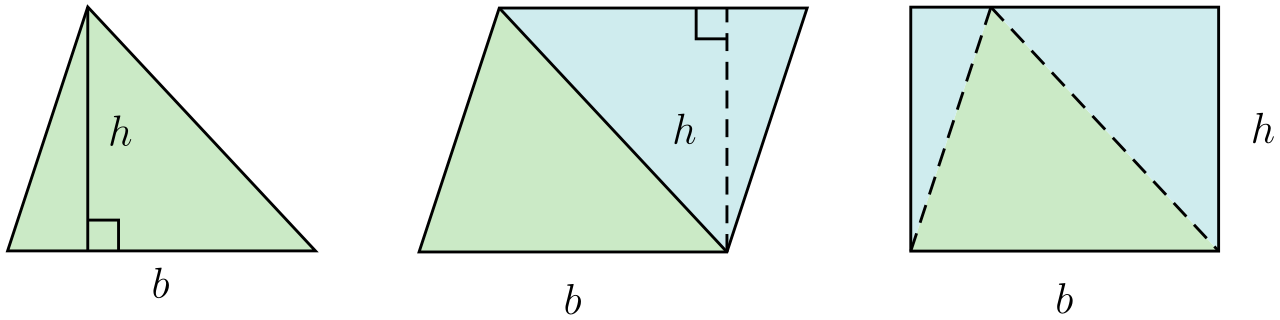
However, zoning changes, diagonal streets (like Broadway cutting through the Manhattan grid), and natural topography often create triangular lots.
- The area of a triangular lot is calculated by multiplying one-half of the base of the triangle by the height of the triangle. (Area = ½ × Base × Height).
Irregular Lots: Slicing the Problem
Nature does not draw straight lines, and historic property lines in older New York towns often follow old creek beds, stone walls, or colonial-era boundaries.
When faced with an oddly shaped parcel, you do not need a new mathematical formula. Instead, to calculate the area of an irregular lot, a real estate professional divides the lot into standard geometric shapes like rectangles and triangles. Think of this as taking a cleaver to a strange block of cheese: you slice it into clean, manageable pieces whose dimensions you can easily measure.
Once the lot is divided, the total area of an irregular lot equals the sum of the areas of the lot's component geometric shapes. If an irregular parcel can be split into a 4,000-square-foot rectangle and a 1,500-square-foot triangle, the total area is simply 5,500 square feet.
As we move from urban residential lots to suburban subdivisions and vast upstate commercial tracts, measuring purely in square feet becomes unwieldy. The human brain struggles to comprehend "three million square feet of land." To communicate scale effectively, we use larger standardized containers of measurement.
The Square Yard
Often used in construction, paving, and carpeting, the square yard is a vital step up from the square foot. Because a linear yard is 3 feet, a square yard is a 3-foot by 3-foot square.
- One square yard is equal to 9 square feet. (3 feet × 3 feet = 9 square feet).
The Acre: The Anchor of Land Valuation
The single most important unit of land measurement in American real estate is the acre.
Crucial Fact: One acre contains exactly 43,560 square feet.
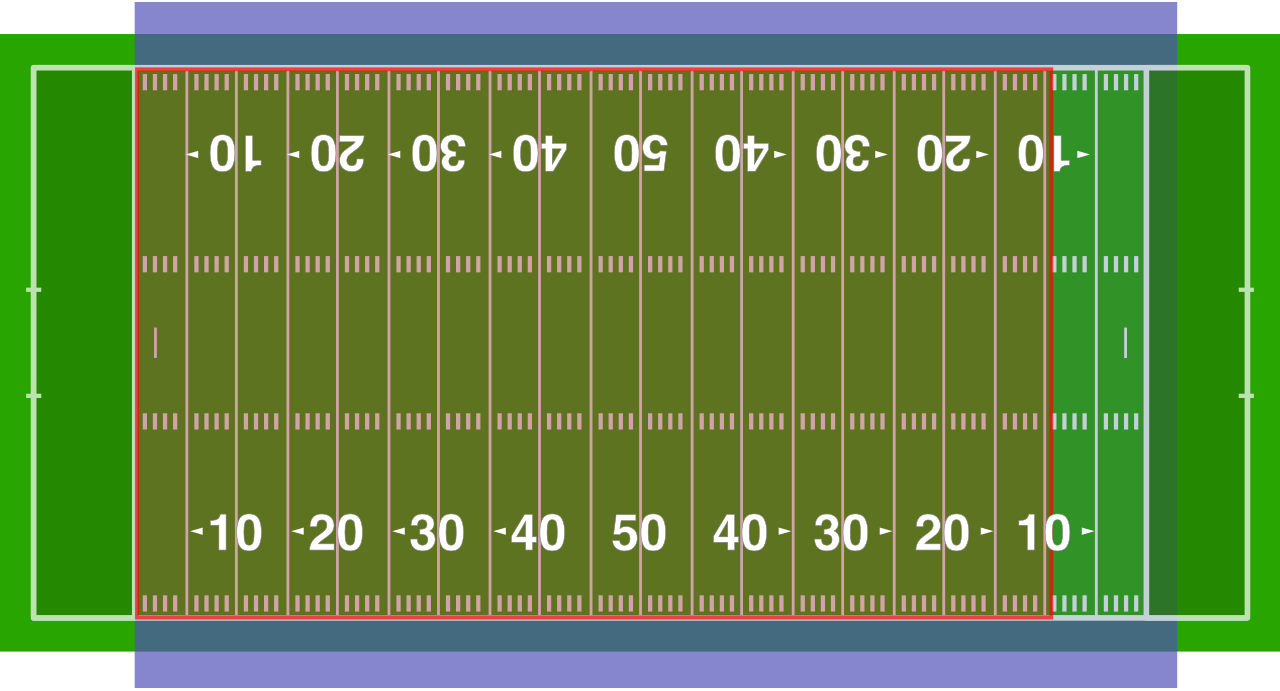
You must commit the number 43,560 to memory. It is the conversion factor that will bridge the gap between small local surveys and large-scale land valuation.
- To convert square footage into acres, divide the total square footage by 43,560. For example, if a developer owns a 130,680-square-foot lot, dividing that number by 43,560 reveals they own exactly 3 acres.
- To convert acreage into square feet, multiply the total number of acres by 43,560. If a client buys a 5-acre plot in the Hudson Valley, multiplying 5 by 43,560 tells you they own 217,800 square feet of land.
The Mile: Measuring the Macro
When dealing with massive infrastructure, agricultural estates, or town planning, we scale up to the mile.
- One linear mile is equal to 5,280 feet.
When a 5,280-foot boundary extends into a square (5,280 feet × 5,280 feet), it creates a square mile, which is the foundational grid block of rural land surveying.
- One square mile contains exactly 640 acres.
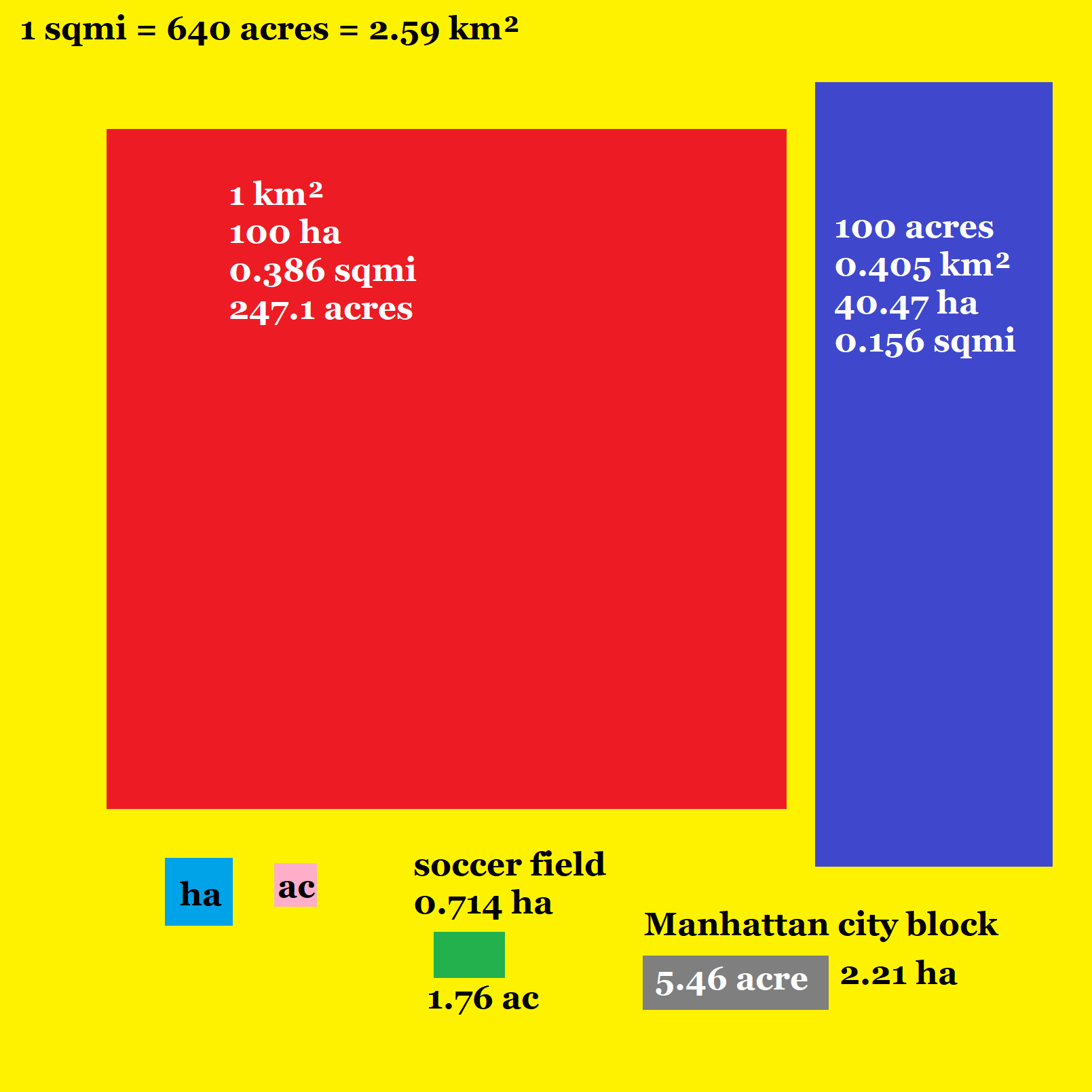
| Measurement Unit | Equivalent In Feet/Acres | Common Real Estate Application |
|---|---|---|
| Square Yard | 9 square feet | Flooring, concrete pours, paving |
| Acre | 43,560 square feet | Residential lots, commercial land |
| Linear Mile | 5,280 linear feet | Distance to landmarks, road frontage |
| Square Mile | 640 acres | Large agricultural tracts, zoning zones |
Clients do not buy mathematics; they buy utility and value. To make informed investment decisions, we must translate these geometric figures into financial metrics. This normalization allows a buyer to compare a massive luxury estate against a modest starter home on an apples-to-apples basis.
Price per Square Foot
In residential housing and commercial leasing, space is priced incrementally. Price per square foot is determined by dividing the property sales price by the total square footage of the property. If a 2,000-square-foot home sells for $800,000, dividing $800,000 by 2,000 yields a price of $400 per square foot.
Conversely, if you are acting as a listing agent and you know that comparable homes in a Brooklyn neighborhood are selling for $600 per square foot, you can estimate your client's property value. Total property price can be calculated by multiplying the price per square foot by the total square footage. A 1,500-square-foot apartment multiplied by $600 per square foot results in a $900,000 valuation.
Price per Acre
When dealing with raw land, farms, or large commercial developments, square footage is too granular. Instead, price per acre is determined by dividing the property sales price by the total number of acres. If a developer buys a 10-acre parcel for $2,500,000, the price is $250,000 per acre.
When calculating the value of a residential structure, not all square footage is created equal. A home might have a footprint of 3,000 square feet, but an appraiser will rarely value all 3,000 feet at the same premium rate.
The industry standard for valuing residential interiors is the Gross Living Area (GLA).
Definition: Gross Living Area represents the finished, heated, above-grade residential space of a property.
GLA is the "livable engine" of a house. It measures the space where daily life comfortably occurs year-round. Because GLA is the primary metric appraisers use to justify a mortgage loan to a bank, you must absolutely know what is legally excluded from it:
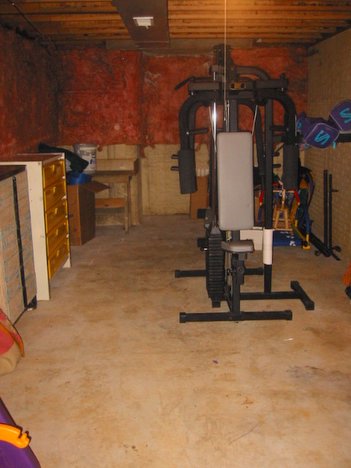
- Unfinished basements are excluded from a residential property's Gross Living Area measurement. Even if a basement is massive, if it is not completely finished with walls, floors, and ceilings matching the quality of the rest of the house, it is strictly utility space. Furthermore, even finished basements are heavily scrutinized; if any portion of the space is below grade (below the natural soil line outside), it is generally excluded from the above-grade GLA and valued separately.
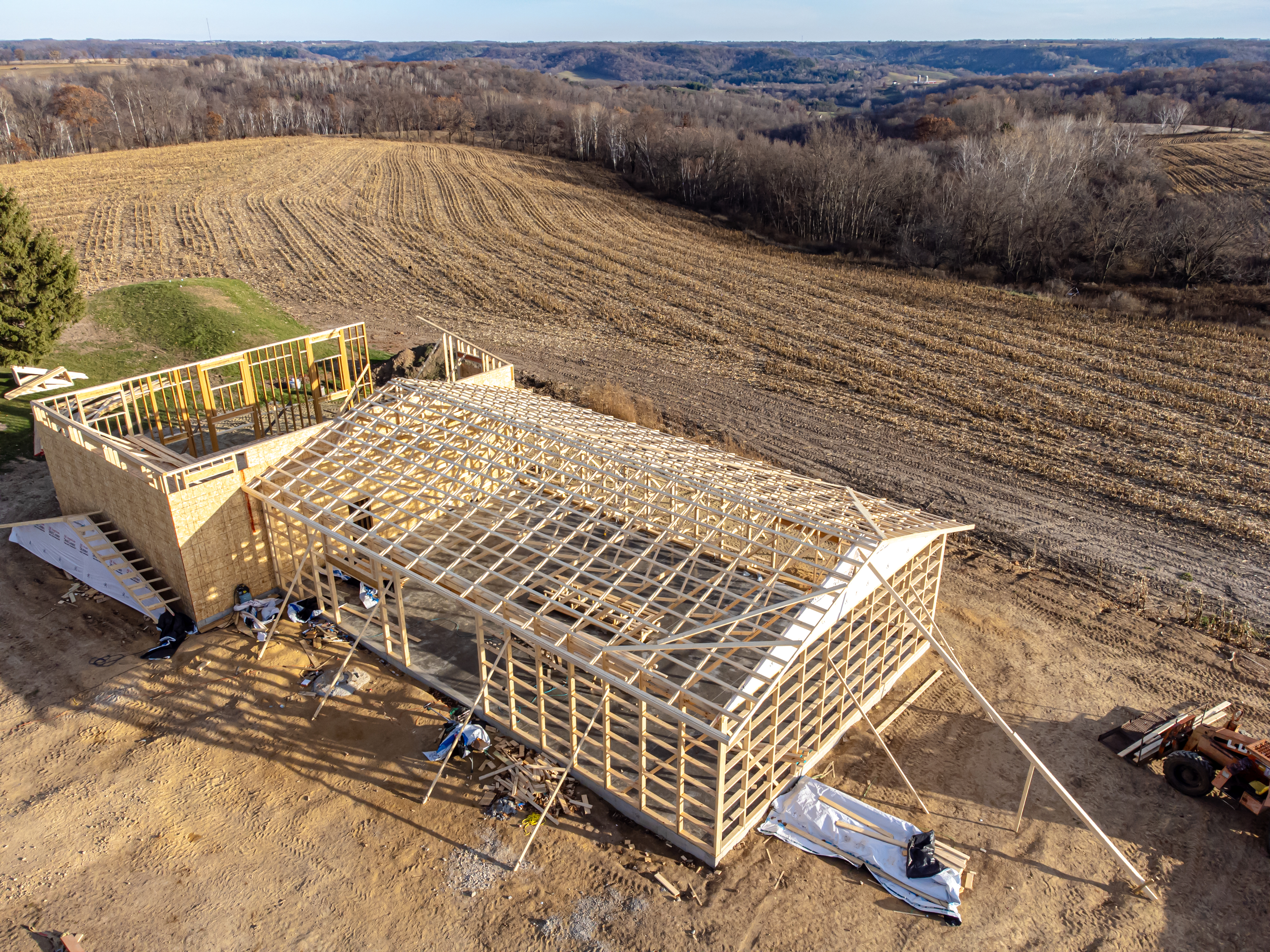
- Garages are excluded from a residential property's Gross Living Area measurement. A garage is built to house vehicles and equipment. It is not finished living space, regardless of its footprint.
- Unheated porches are excluded from a residential property's Gross Living Area measurement. Habitability requires year-round climate control. In a harsh New York winter, an unheated sunroom or enclosed porch is essentially the outdoors. Unless it is connected to the permanent central heating system of the home, it does not count toward GLA.

By mastering these rules, you protect your clients from overpaying for non-livable space and protect yourself from misrepresenting a property's true value on the Multiple Listing Service. In real estate, precision is profit. Your ability to map physical geometry to financial reality is what elevates you from an amateur to a trusted, elite professional.