Characteristics of Real Property Investments
Not sure you’re ready?
Take the ~3-minute readiness diagnostic and see where you stand.
A Wall Street trader can click a button and liquidate $5 million in equities in a fraction of a second. A real estate investor in Manhattan attempting to liquidate a $5 million mixed-use building faces a fundamentally different physical and economic reality. Real estate is not a digital abstraction traded in a frictionless void; it is an environment of steel, concrete, localized economics, and human behavior. When you represent buyers and sellers in New York, you are not merely brokering a transfer of space. You are facilitating the transfer of risk, managing the constraints of time, and navigating the profound financial mechanics of debt. Understanding how capital behaves when anchored to the ground is what separates order-takers from elite real estate professionals.

Before we can analyze the financial structure of an investment, we must acknowledge the physical nature of the asset itself. The foundational premise of this entire industry is that real estate is a physically immobile asset class.
If the state of New York raises property taxes, or a major employer leaves a neighborhood in Brooklyn, an investor cannot simply load a 12-unit apartment building onto a flatbed truck and relocate it to Texas. The physical immobility of real estate heavily ties a property investment's value to local geographic and market conditions. This is why micro-economics—the opening of a new subway line, local zoning board decisions, or neighborhood demographic shifts—dictates property values far more than broad national trends.

Furthermore, a building is a living ecosystem of degrading physical materials and tenant relationships. Unlike a share of Apple stock, which sits passively in a brokerage account, real estate investments require active management to maintain property value and generate consistent rental income. A landlord must patch roofs, negotiate leases, evict non-paying tenants, and upgrade boilers. Consequently, the management-intensive nature of real estate increases the operational risk compared to passive stock or bond investments. As an agent, when you sell an investment property, you are essentially selling a small, site-specific business.
Because real estate is complex, heavily regulated, and physically immobile, it moves slowly. In financial terms, real property investments are generally classified as highly illiquid assets.
Illiquid Asset: An illiquid asset cannot be quickly converted into cash without a potential loss in value.
If your client owns a $2 million commercial property and suddenly faces a catastrophic business failure requiring $2 million in cash by next Friday, they are in trouble. To sell that property in seven days, they would have to offer it at a massive, punitive discount to attract an all-cash bottom-feeder.
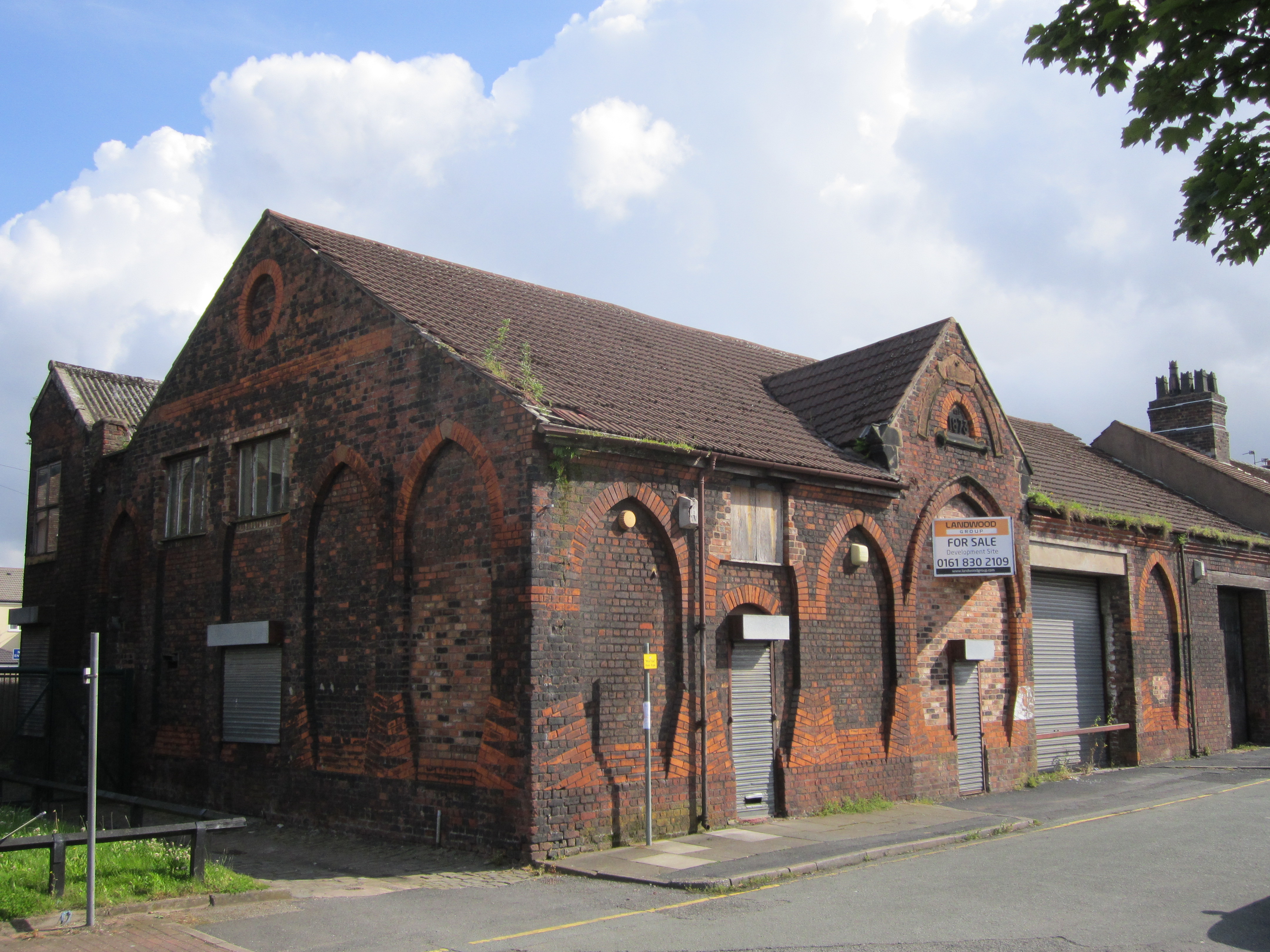
Why? Because the sale of commercial real property requires significant time for marketing, due diligence, and closing. Buyers need time to conduct Phase I Environmental Site Assessments, review commercial leases, secure complex financing, and perform structural inspections. A standard commercial closing often takes 60 to 120 days from the signing of the contract.
This inherent friction creates a specific peril known as liquidity risk, which is the danger that an investor will not be able to sell a property quickly at fair market value during a financial emergency. You must counsel your investor clients to maintain separate, liquid cash reserves so they are never forced to fire-sell their real property under duress.
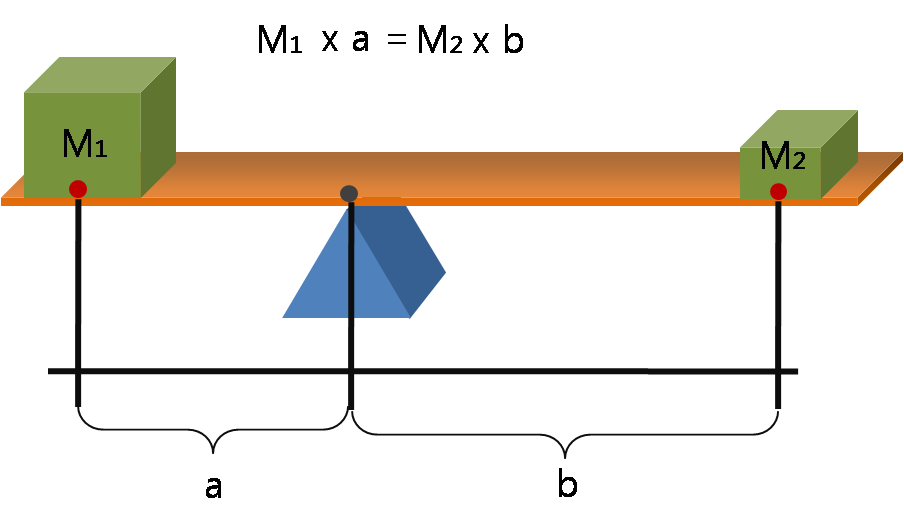
The Greek mathematician Archimedes famously said, "Give me a lever long enough and a fulcrum on which to place it, and I shall move the world." In real estate finance, debt is the lever.
Leverage is the use of borrowed capital to finance the purchase of real estate. It is the single most powerful wealth-building tool in the asset class. Investors use leverage to increase the potential return on their initial cash investment.
Imagine two scenarios for purchasing a $1,000,000 commercial property that appreciates by 10% (gaining $100,000 in value):
- No Leverage: An investor pays $1,000,000 in all cash. The $100,000 gain represents a 10% return on their cash invested.
- High Leverage: An investor puts down $200,000 (a 20% down payment) and borrows $800,000. That same $100,000 gain now represents a 50% return on their $200,000 of cash invested.
The rule of thumb is mathematical certainty: A lower cash down payment on a property equates to a higher degree of leverage.
The Direction of Leverage: Positive vs. Negative
Leverage only works to an investor's advantage if the property makes more money than the bank charges to borrow the capital.
- Positive leverage occurs when the yield on a property investment exceeds the interest rate of the borrowed funds. If your client's multi-family building generates a 7% yield (capitalization rate) and their commercial mortgage charges 5% interest, they are making a 2% spread on the bank's money. This is the holy grail of real estate investing.
- Negative leverage occurs when the cost of borrowing exceeds the yield on the real estate investment. If a client buys a property yielding 4%, but their mortgage interest rate jumps to 6%, the property's income cannot support the debt. The investor is bleeding cash every month to make up the difference.
The Double-Edged Sword
You must never allow a client to view leverage as free money. The laws of financial physics demand a toll: Leverage magnifies both the potential financial profits and the potential financial losses of a real estate investment.
If a property drops 20% in value, the all-cash buyer loses 20% of their equity. But the buyer who only put 20% down? They have lost 100% of their equity. They are wiped out. Therefore, a higher degree of leverage increases the financial risk of a real estate investment.
When your client signs a contract, they are accepting a bundle of specific risks. To advise them effectively, you must be able to isolate and identify these forces.
| Risk Type | Definition & Application in Real Estate |
|---|---|
| Financial Risk | The risk that a property will not generate enough income to cover operational expenses and debt service. As we just established, this is directly tied to leverage. If the boiler breaks and five tenants stop paying rent, the mortgage payment is still due. |
| Capital Risk | The specific risk of losing the principal amount originally invested in a property. This is the risk of the down payment vaporizing if the property goes into foreclosure or must be sold at a severe loss. |
| Business Risk | Relates to fluctuations in economic conditions affecting tenant demand and property occupancy. If a new distribution center opens, warehouse rents rise (low business risk). If an office hub pivots to remote work, office vacancies skyrocket (high business risk). |
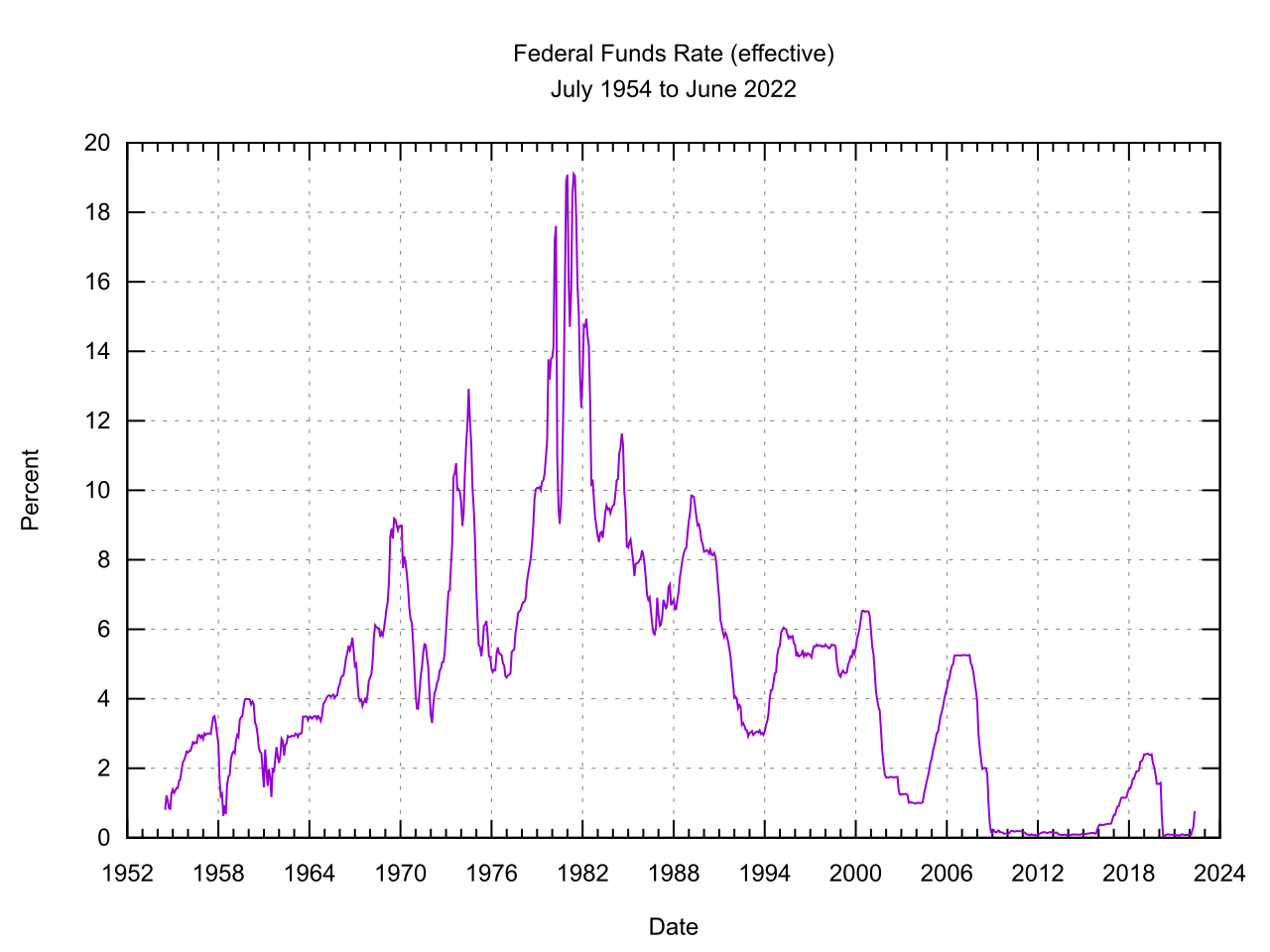
| Interest Rate Risk | The danger that rising borrowing costs will decrease the market value of a real estate investment. When interest rates rise, mortgages become more expensive. Buyers can afford to borrow less, which naturally drives property prices down across the market. |
| Liquidity Risk | As discussed, the inability to sell quickly at fair market value during an emergency due to the slow nature of real estate transactions. |
There is one more risk profile that requires special attention: the silent erosion of wealth known as inflation.
Purchasing power risk relates to inflation eroding the real purchasing power of future cash flows from a property investment. If your client signs a 20-year commercial lease locking a tenant into a flat $5,000 a month, that $5,000 will buy significantly fewer goods and services in year 18 than it does in year 1. The purchasing power of that income stream has collapsed.

Yet, despite this risk to fixed leases, real estate investments offer a potential financial hedge against inflation. How can it be a risk and a hedge simultaneously? Because you, the astute agent, will advise your clients to utilize shorter residential lease terms or commercial leases with built-in annual escalation clauses.
When managed correctly, property values and rental incomes typically rise during periods of economic inflation. As the cost of labor and building materials skyrockets during inflationary periods, it becomes vastly more expensive to construct new buildings. This chokes off new supply, making existing real estate more valuable. As everything else gets more expensive, landlords raise rents. The investor's income goes up, the building's value goes up, and crucially—because their mortgage was secured years ago at a fixed amount—they are paying back the bank with "cheaper," inflated dollars.
When you sit across from an aspiring investor, they will often be blinded by the aesthetic appeal of a property or a rudimentary calculation of gross rent. Your professional duty is to elevate their perspective. You must map out the long timeline required for a safe exit (liquidity), calibrate the precise amount of debt they should take on to optimize their returns without exposing them to ruin (leverage), and stress-test the asset against local economic shifts and borrowing costs (risk). Master these forces, and you don't just sell real estate—you build enduring financial legacies.