Investment Properties Types
Not sure you’re ready?
Take the ~3-minute readiness diagnostic and see where you stand.
A skyline is not merely a collection of glass, steel, and concrete; it is a complex, three-dimensional ledger of cash flows, utility, and legal rights. When a commercial real estate professional evaluates a city block, they do not see architecture—they see yield. The fundamental physics of commercial real estate dictates that a property's value is derived directly from its specific use case and the legal structure governing its ownership. Understanding how a light manufacturing facility differs from a distribution center, or why a ninety-nine-year ground lease behaves almost like absolute ownership, requires looking past the physical structure to the economic purpose it serves.

For a New York real estate salesperson, mastering these categories is not an academic exercise. It is the vocabulary required to price a listing, advise an investor, and navigate complex commercial zoning and financing requirements. We will break down the physical taxonomy of investment properties—office, retail, industrial, and mixed-use—and then examine the underlying legal bedrock of how these properties are owned and controlled.
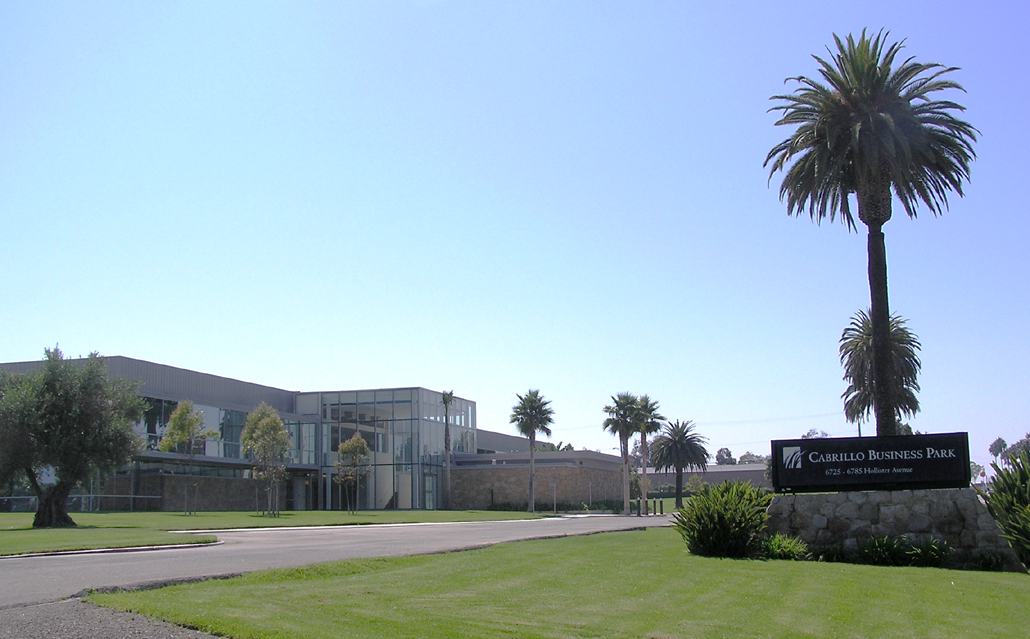
Office properties are the nervous system of the service economy. However, not all office space is created equal. Commercial real estate categorizes office buildings into a strict hierarchy based on quality, age, and desirability. This grading system directly dictates the rental rates an agent can command and the type of corporate tenants the building will attract.
Building Classifications: A, B, and C
The market segments office space into Class A, Class B, and Class C classifications based on quality and desirability. Think of these classifications much like the service tiers on a commercial airline: they determine the price of the ticket, the quality of the environment, and the expectations of the client.
- Class A office buildings represent the newest and highest quality buildings in the local real estate market. They are the apex predators of commercial real estate. Because they feature top-tier amenities and state-of-the-art technological systems—such as advanced HVAC, LEED certifications, and high-speed fiber optics—Class A office buildings command the highest rental rates in the local commercial real estate market. An international law firm or a blue-chip financial institution will almost exclusively seek Class A space.
- Class B office buildings are generally older than Class A office properties. They typically possess adequate building systems and maintenance, but they generally lack the top-tier amenities found in Class A properties. A Class B building is entirely functional and highly sought after by mid-sized firms, creative agencies, and non-profits who require respectable space without paying premium Class A rents.
- Class C office buildings are generally the oldest and least desirable office properties in a given market. They typically require significant renovation to remain competitive. Upgrades to elevators, lobbies, and climate control are usually deferred or absent. These spaces attract start-ups or small administrative businesses heavily focused on the lowest possible overhead.
Why this matters to you: When pitching a listing, incorrectly classifying a Class B building as a Class A building will result in severe mispricing, repelling legitimate buyers or tenants who will instantly recognize the discrepancy during a walk-through.
Geography and Layout: CBD vs. Suburban
An office building's physical footprint is heavily dictated by its location.
- Central Business District (CBD): Office buildings located in a Central Business District are typically high-rise structures situated in dense urban areas, such as Midtown Manhattan or the Financial District. Land is scarce and expensive, so the architecture is vertical.

- Suburban Office Buildings: In contrast, suburban office buildings are typically mid-rise or low-rise structures accompanied by large surface parking lots. Land is cheaper, allowing for sprawling layouts.
- Office Parks: Taking the suburban model further, an office park is a suburban commercial development containing multiple office buildings in a planned landscaped setting. These parks offer a campus-like environment, often appealing to tech companies or healthcare administrative hubs.
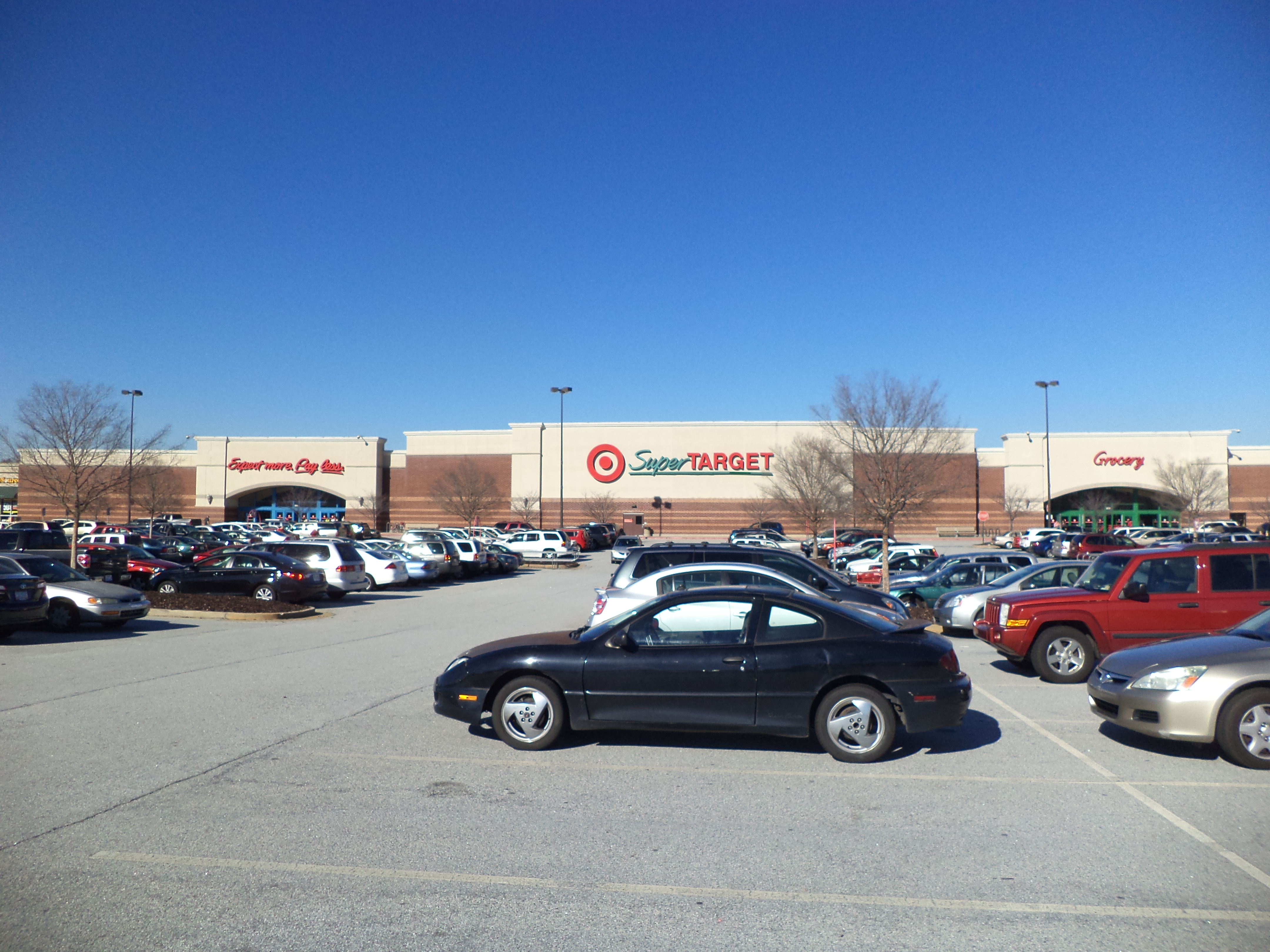
Retail spaces are the interface between commerce and the consumer. Retail properties are commercial spaces specifically designed for the sale of goods and services to consumers.
In retail real estate, value is generated by foot traffic, and foot traffic is generated by "anchors"—major stores that exert a gravitational pull on the surrounding population. We classify retail centers by the size of their gravitational pull.
| Retail Property Type | Defining Characteristics & Anchors |
|---|---|
| Strip Center | A row of retail stores facing a parking lot with no enclosed pedestrian walkways. They rely on convenience and quick turnover. |
| Neighborhood Shopping Center | A retail property typically anchored by a supermarket or drugstore. Designed to serve the immediate, day-to-day needs of the surrounding residential area. |
| Community Shopping Center | Larger than a neighborhood retail center. Community shopping centers typically offer a wider range of apparel and soft goods than neighborhood retail centers, often featuring a discount department store or a large specialty retailer. |
| Power Center | Large retail properties dominated by several big-box discount retailers (e.g., Home Depot, Target, Best Buy). They have few, if any, small inline stores. |
| Regional Mall | Large enclosed shopping centers typically anchored by one or more major department stores. They draw consumers from a broad geographic area. |
| Super-Regional Mall | Extremely large retail centers featuring three or more major anchor department stores. These are massive destination properties designed to draw tourists and residents from multi-county radii. |
Why this matters to you: A retail client's survival depends on co-tenancy. If you represent a boutique shoe store, placing them in a neighborhood center anchored by a grocery store might yield high traffic, but the wrong kind of traffic. Understanding the hierarchy of retail properties allows you to match the tenant's customer demographic with the center's inherent gravity.
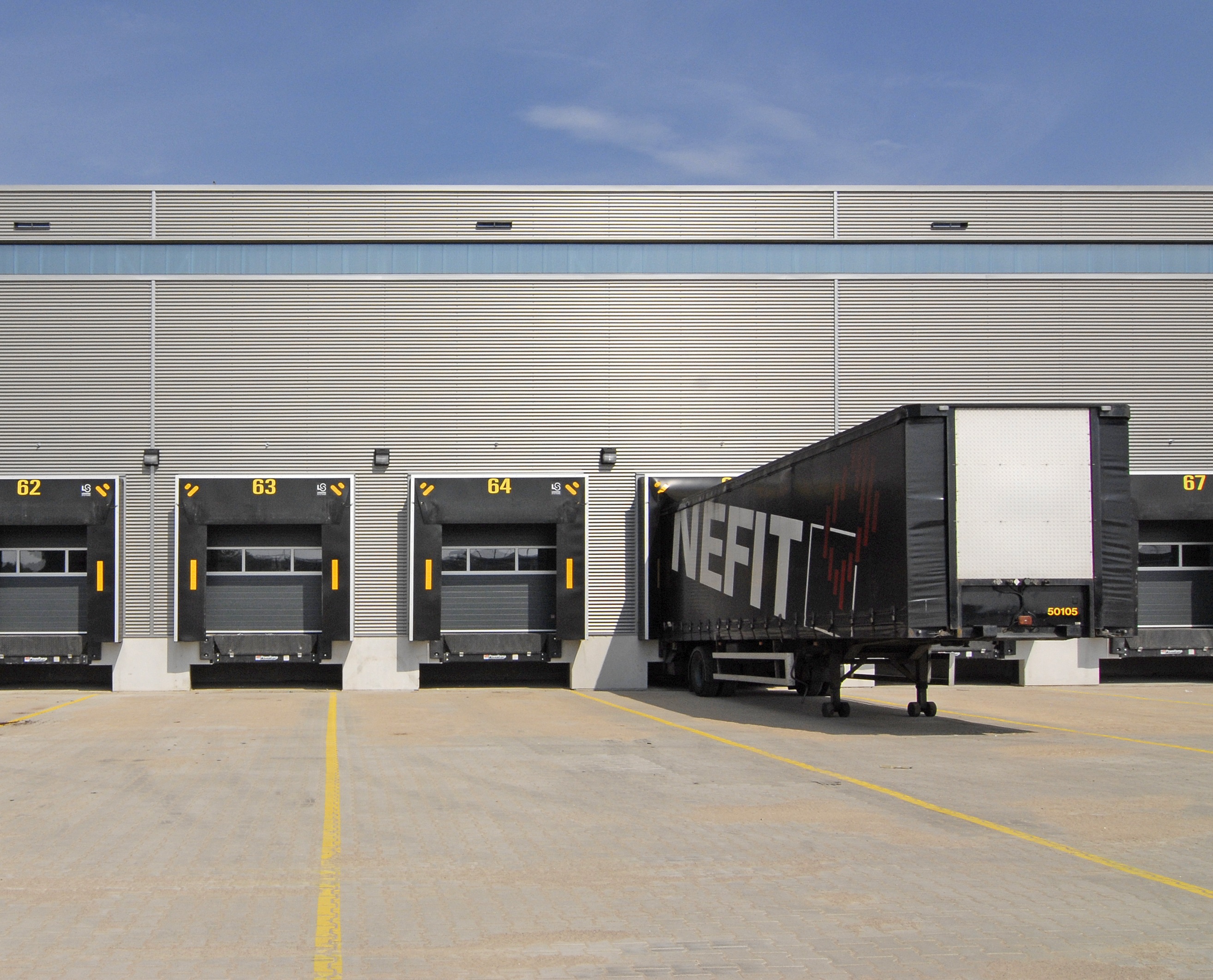
Industrial real estate is fundamentally governed by volume and mass. Where office buildings are measured by amenities and retail by foot traffic, industrial spaces are evaluated on sheer logistical efficiency. The main categories of industrial real estate include heavy manufacturing, light manufacturing, warehouses, and distribution centers.
Functional Categories
- Heavy Manufacturing: These properties are highly customized facilities designed for specific large-scale industrial operations. Think of an automotive plant or a steel mill. Because they are tailored to a singular process, they are incredibly difficult to repurpose if the original tenant leaves.
- Light Manufacturing: Light manufacturing properties are generally smaller and more adaptable for different uses than heavy manufacturing facilities. They might house a commercial bakery, a 3D-printing hub, or a garment manufacturer. They can be relatively easily refitted for a new tenant.
- Warehouses: Warehouse properties are industrial buildings primarily used for the storage of goods and materials. Their value lies in cubic storage capacity.
- Distribution Centers: Not to be confused with static warehouses, distribution centers are industrial properties designed specifically for the rapid processing and movement of goods. They feature numerous loading docks, high-tech sorting equipment, and strategic proximity to major highways and ports (the "last-mile" delivery hubs crucial to modern e-commerce).
The Crucial Physics of Industrial Space
When evaluating an industrial property, a real estate professional must look at two defining architectural measurements:
- Clear Height: This is a defining characteristic in industrial properties measuring the lowest vertical clearance inside the building. It dictates how high a tenant can safely stack racking systems. A difference of just four feet in clear height can fundamentally change the profitability of a warehouse by altering its cubic storage volume.
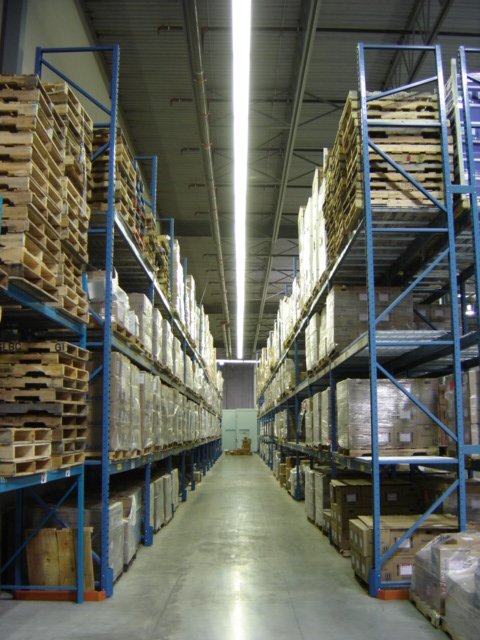
- Floor Load Capacity: This is a defining measurement in industrial properties indicating the maximum weight the floor can safely support. A standard concrete slab might crack under the immense weight of heavy manufacturing machinery or densely packed pallets.
Particularly in dense environments like New York, land is too valuable to restrict a building to a single economic function. Mixed-use properties combine two or more different types of land uses within a single building or development.
By stacking distinct uses, developers insulate themselves against market fluctuations in any single sector. A common mixed-use property configuration features ground-floor retail space with residential apartments on the upper floors.

Walk down almost any avenue in Manhattan or Brooklyn, and you will see this configuration. The retail component generates a premium yield per square foot due to street visibility, while the upper-floor residential units provide a steady, highly demanded residential cash flow. Managing or selling these properties requires fluency in both commercial leasing and residential landlord-tenant law.
Once you understand the physical structures of real estate, you must understand the invisible legal structures that dictate who actually controls them. In real estate, ownership is not a single concept; it is a "bundle of rights." How many sticks are in that bundle completely changes the asset's value.
Fee Simple Ownership: The Absolute
Fee simple ownership represents the absolute maximum possible ownership interest in real estate.
When you think of traditional ownership, you are thinking of fee simple. The defining characteristics of fee simple are absolute control and infinite duration:
- A fee simple owner possesses the real estate indefinitely. There is no ticking clock.
- A fee simple owner holds the legal right to sell, lease, or bequeath the property. They can carve out pieces of their rights (like giving a tenant the right to occupy) while retaining the ultimate title.
Leasehold Ownership: The Ticking Clock
Conversely, leasehold ownership grants the right to possess and use a property for a specified period of time.
Crucially, leasehold ownership does not convey absolute title to the underlying real estate. It is a temporary transfer of specific rights. Leasehold ownership in commercial real estate is created through a lease agreement between a property owner and a tenant. While a residential lease might last a year, commercial leaseholds can be vast, multi-million-dollar legal instruments spanning decades.
The Commercial Ground Lease: A Hybrid Mechanism
One of the most fascinating mechanisms in commercial real estate, particularly prevalent in New York City, is the ground lease.
A commercial ground lease is a long-term leasehold arrangement where a tenant rents only the land.
Why would anyone rent just the dirt? Because in a commercial ground lease, the tenant typically constructs the building improvements upon the leased land. For example, the iconic Chrysler Building in Manhattan sits on land owned by the Cooper Union school. Cooper Union owns the fee simple title to the dirt; the owners of the Chrysler Building hold a leasehold interest in the structure built atop it.
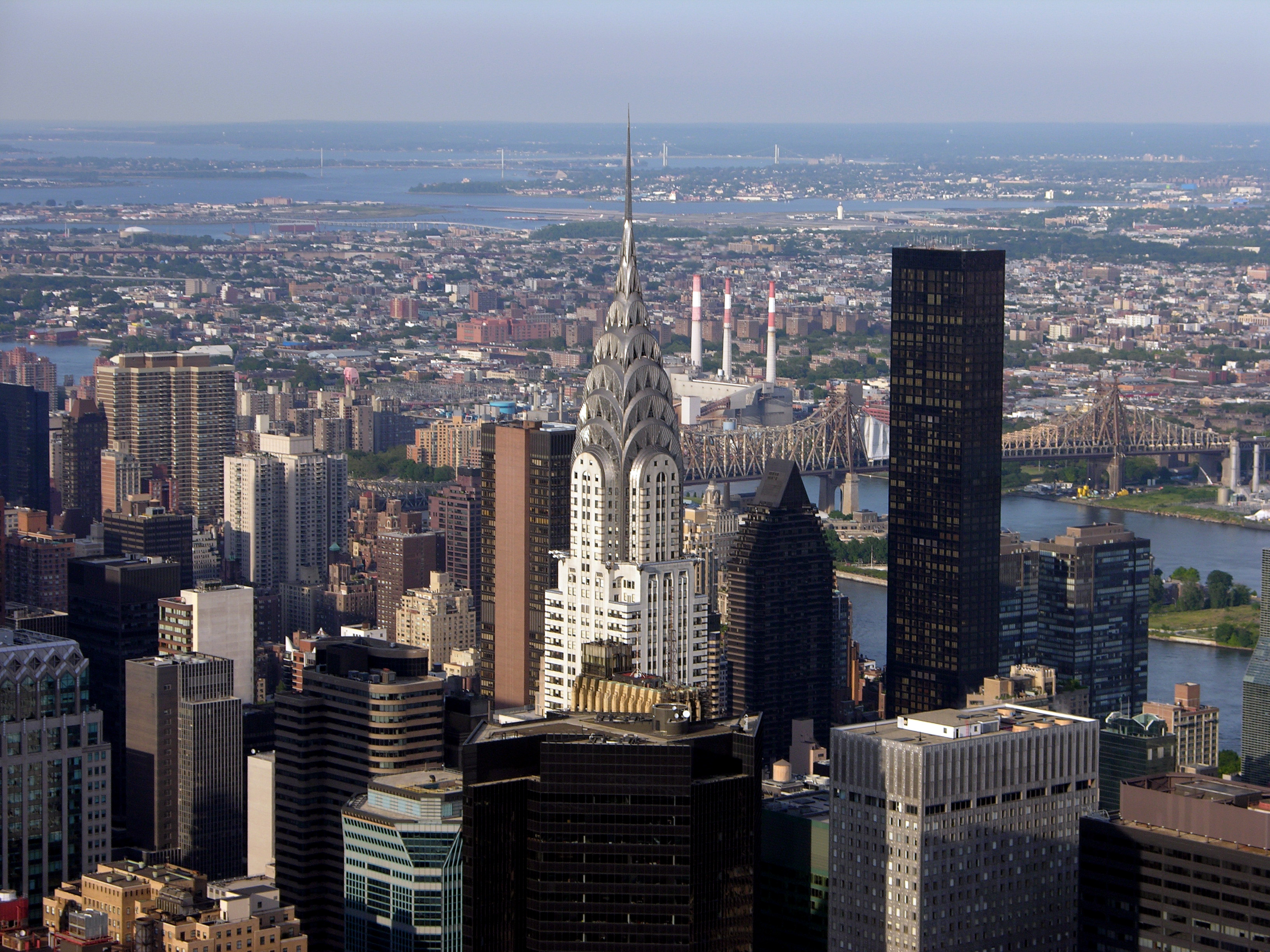
Because erecting a skyscraper requires immense capital and time to generate a return, ground leases in commercial real estate typically have terms ranging from 50 to 99 years. This duration gives the developer enough time to finance the construction, secure tenants, and reap decades of profits.
However, the physics of a ground lease dictates a dramatic conclusion: at the end of a ground lease term, any tenant-constructed improvements on the land typically revert to the fee simple landowner.
If a 99-year ground lease expires and is not renewed, the entity that owns the dirt suddenly becomes the absolute owner of the multi-million-dollar skyscraper sitting upon it, free and clear.
Why this matters to you: As an agent, you must strictly scrutinize the ownership structure of any investment property you encounter. Selling a building built on a ground lease with 80 years left is highly profitable. Selling a building on a ground lease with only 10 years left is nearly impossible to finance, as lenders know the asset (the building) is about to legally evaporate from the tenant's control and revert to the landowner.
To succeed in commercial real estate, you must constantly evaluate both dimensions simultaneously: the physical reality of the bricks, clearance heights, and foot traffic, and the invisible legal reality of fee simple titles and expiring leaseholds. Master both, and you master the market.