Contemporary Environmental Issues
Not sure you’re ready?
Take the ~3-minute readiness diagnostic and see where you stand.
A real estate transaction is fundamentally the transfer of liability. While your buyers are measuring the living room for a sectional sofa or assessing the natural light, you must be evaluating the property for invisible hazards that can unravel a closing or bankrupt a client. When a deed is recorded, the physical land changes hands, but so do the chemical and biological legacies buried in the soil, painted on the walls, or floating in the air. Environmental hazards are not just abstract public health concerns; they are material facts that dictate contract contingencies, trigger strict federal liabilities, and require precise legal disclosures under New York law.
When we evaluate indoor air quality and structural hazards, we are looking at naturally occurring elements and biological organisms that interact poorly with human respiratory systems.
Asbestos: The Dormant Threat
Asbestos is a naturally occurring mineral historically used in building materials for insulation and fire resistance. Because it is highly heat-resistant and durable, it was the miracle material of the mid-20th century, wrapped around steam pipes and baked into floor tiles. Recognizing its dangers, the Environmental Protection Agency (EPA) banned most uses of asbestos in building materials in 1989.
Asbestos is entirely harmless when left intact. It becomes a severe health hazard only when the material becomes friable. Friable asbestos easily crumbles into a powder under light hand pressure and releases microscopic fibers into the indoor air.
When humans breathe in these jagged, microscopic fibers, they embed deep within lung tissue. Inhalation of asbestos fibers causes a chronic, scarring lung disease called asbestosis, as well as a rare, highly aggressive form of cancer known as mesothelioma.
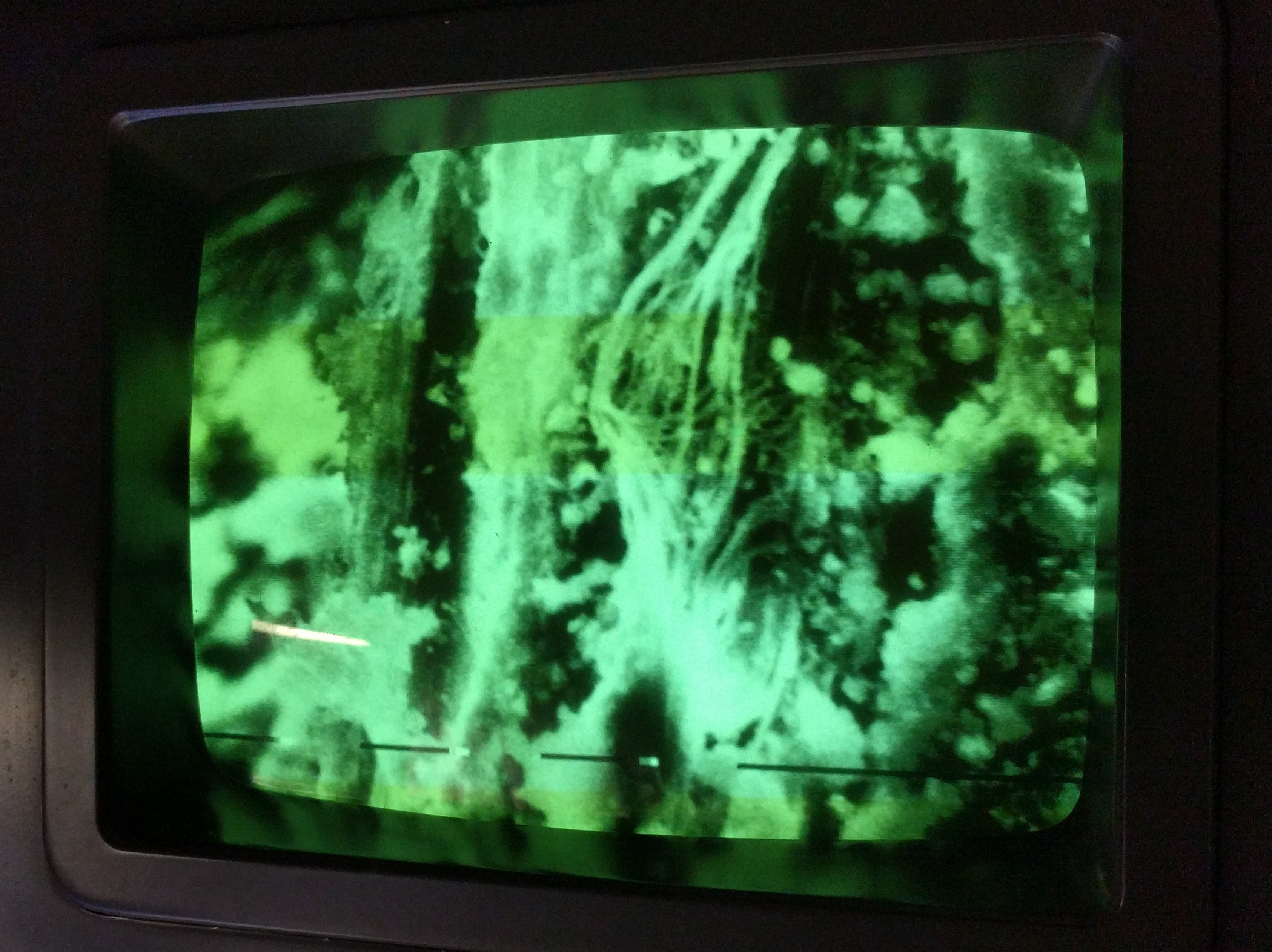
Because you cannot reliably identify asbestos just by looking at it, asbestos testing involves the professional collection of bulk material samples (physically cutting a piece of the material) or air samples for laboratory analysis. If asbestos is discovered, remediation takes one of three forms:
- Encapsulation: An asbestos remediation method involving sealing the asbestos material with a protective coating. Think of this as painting over a brittle surface with a thick, hardening shell so no fibers can escape.
- Enclosure: An asbestos remediation method involving isolating the asbestos material behind an airtight physical barrier (like building a drywall box around an insulated pipe).
- Removal: Physically extracting the material.
Counterintuitively, removal is often the most dangerous option because it disturbs the fibers. Therefore, encapsulation is often safer and more cost-effective than complete asbestos removal.
Radon: The Geologic Exhaust
Radon is a colorless and odorless radioactive gas. You cannot see it, smell it, or taste it. It originates from the natural breakdown of uranium deeply embedded in soil and rock. Because homes operate under a slight negative air pressure compared to the ground, radon gas typically enters a home through cracks in the foundation or basement floors, drawn upward like smoke up a chimney.
The EPA identifies radon as the second leading cause of lung cancer in the United States, trailing only cigarette smoking.
Radon concentration in indoor air is measured in picocuries per liter (pCi/L). The EPA recommends mitigating radon when indoor levels reach or exceed 4.0 picocuries per liter.
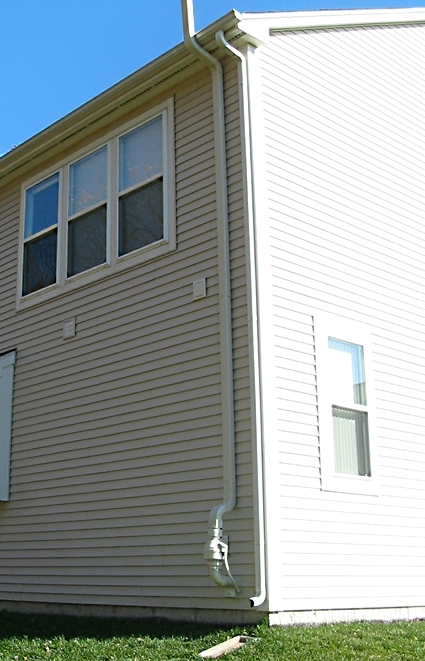
To find out if a home is trapping this gas, radon testing involves placing passive charcoal canisters or active continuous monitors in the lowest livable area of a home (typically the basement). If the levels exceed 4.0 pCi/L, the home requires a radon mitigation system, which frequently utilizes active soil depressurization. Active soil depressurization utilizes a fan to draw radon gas from beneath the foundation and vent the gas outdoors, completely bypassing the interior of the home.
Indoor Mold: The Biological Machine
Unlike asbestos or radon, indoor mold is a living fungus. For it to grow, it requires three things: moisture, oxygen, and an organic food source (like wood or drywall paper). Exposure to indoor mold spores frequently triggers allergic reactions and asthma attacks.
Because mold is a symptom of a water problem, effective mold remediation requires identifying and eliminating the source of excess moisture. Bleaching the wall does nothing if the roof is still leaking.
New York law strictly regulates this industry to prevent fraudulent "rip-and-replace" schemes. Under New York State Article 32 of the Labor Law, mold assessment and mold remediation contractors are required to possess a state license. Furthermore, New York law rigidly forbids the same company from performing both the initial mold assessment and the subsequent mold remediation on a single property. The assessor dictates what needs to be done; the remediator executes it.
Before 1978, lead was routinely added to residential paint to speed drying, increase durability, and resist moisture. However, as this paint ages, it chips and creates a sweet-tasting, invisible dust. Ingestion of lead dust causes severe neurological damage, and because their brains and nervous systems are still developing, children under six years old face the highest health risks from lead exposure.
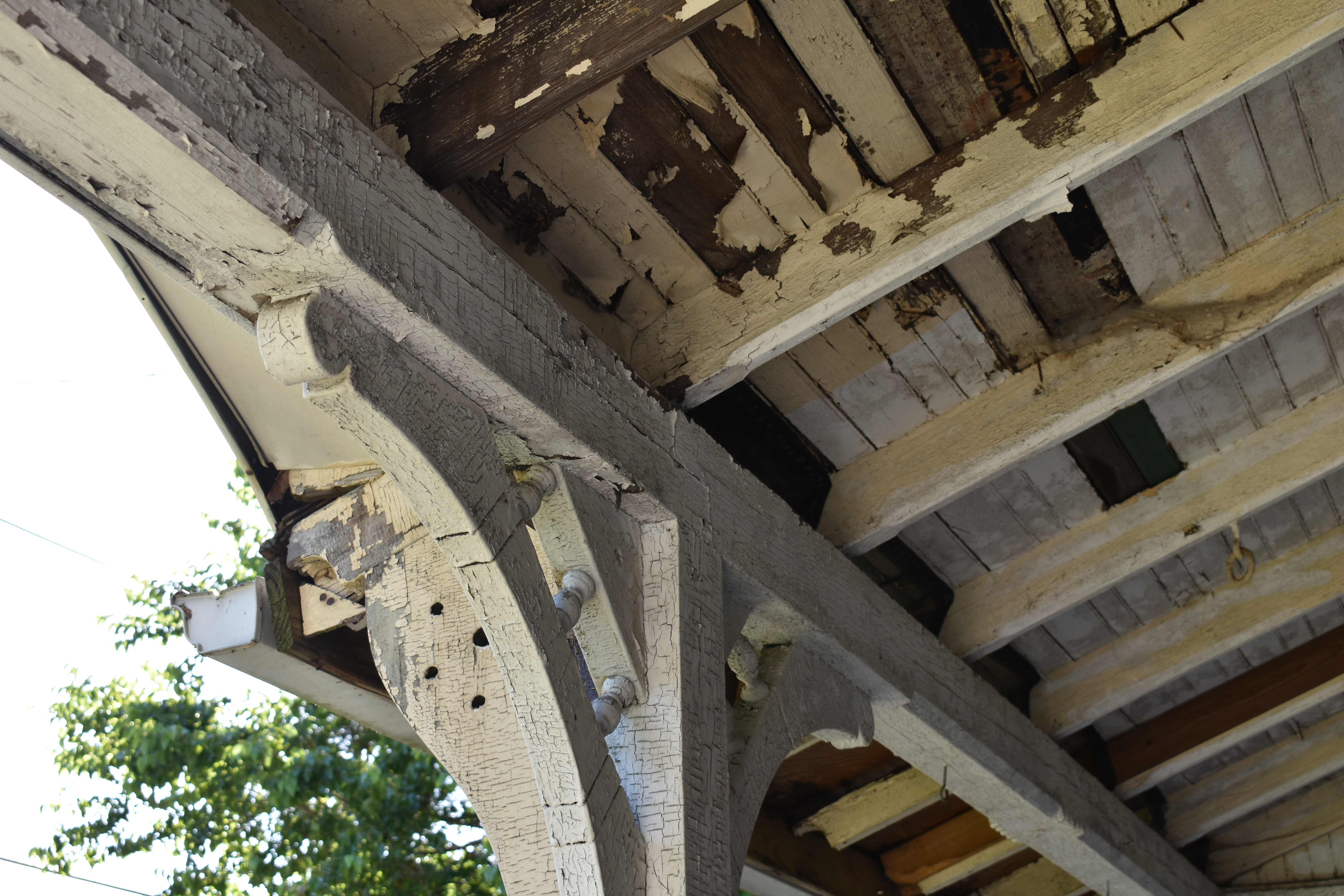
To manage this hazard, the Residential Lead-Based Paint Hazard Reduction Act of 1992 requires the disclosure of known lead-based paint in residential properties. Federal lead-based paint disclosure laws apply specifically to residential properties built before 1978.
If you are representing a seller of a pre-1978 home, federal law dictates a strict choreography:
- Sellers must provide buyers of pre-1978 homes with an Environmental Protection Agency approved lead hazard information pamphlet.
- Federal law grants homebuyers a 10-day period to conduct a lead-based paint inspection before becoming obligated under a purchase contract.
- However, homebuyers hold the right to waive the 10-day lead-based paint inspection period (and in competitive markets, they often do).
Crucial Distinction for the Real Estate Licensee: Federal lead-based paint laws do not mandate the seller to test for lead paint, nor do they mandate the seller to remove existing lead paint. The law is entirely built on disclosure, not forced elimination.
If a buyer or owner decides to act, lead remediation involves hiring federally certified contractors to safely remove or contain lead hazards.
Commercial properties, industrial sites, and older residential mechanical systems house a different class of chemical hazards.
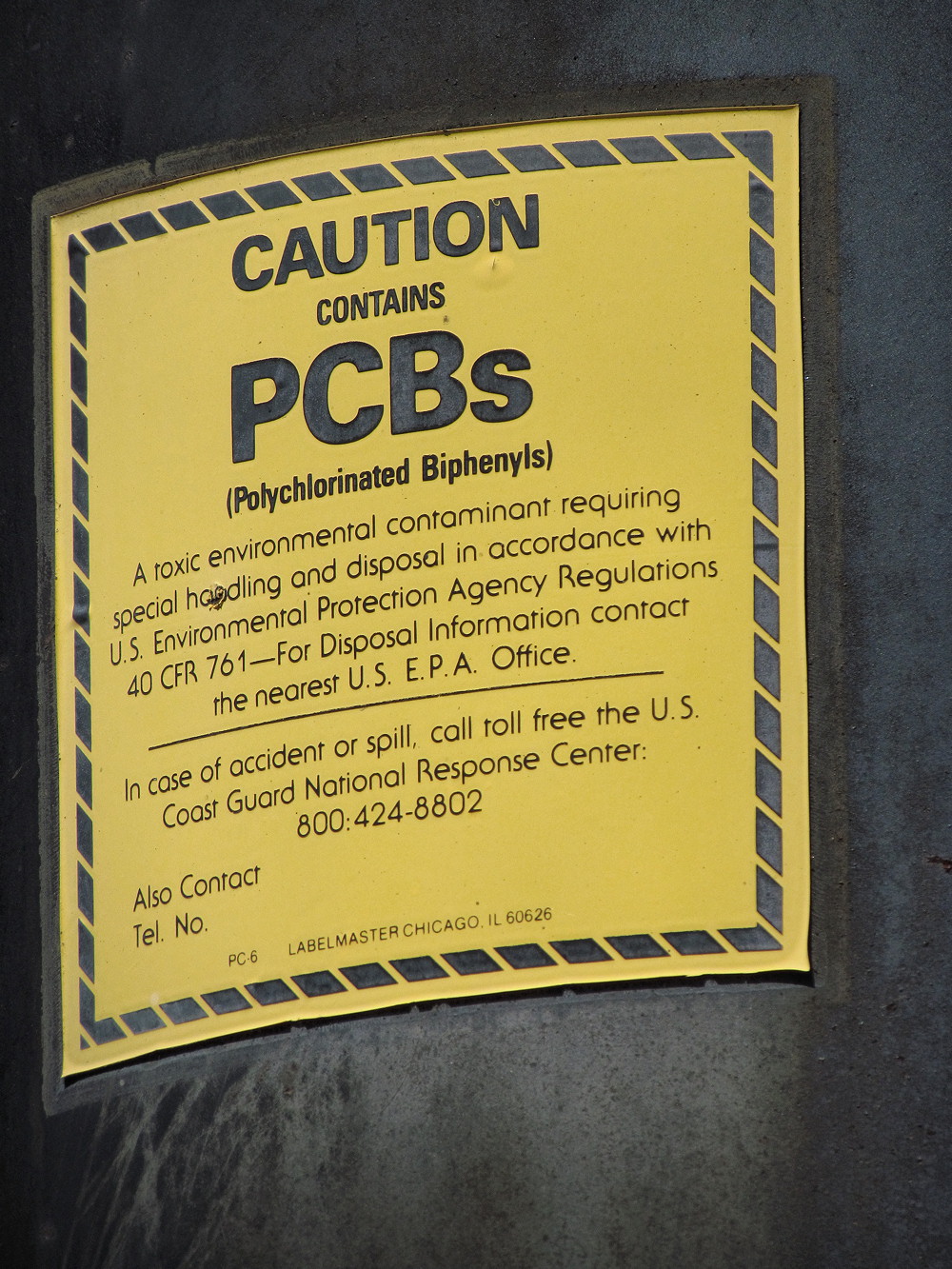
Polychlorinated biphenyls (PCBs) are synthetic chemical compounds formerly used as coolants and lubricants in electrical equipment. Polychlorinated biphenyls commonly reside in older electrical transformers and fluorescent light ballasts. The United States banned the commercial production of polychlorinated biphenyls in 1979 because the Environmental Protection Agency classifies them as probable human carcinogens. If these compounds leak, PCB remediation requires specialized hazardous waste disposal protocols to prevent severe soil and water contamination.
Chlorofluorocarbons (CFCs) are synthetic compounds historically used as refrigerants in residential and commercial air conditioning systems (commonly known by the trade name Freon). They are highly destructive to the Earth's ozone layer. Today, the federal Clean Air Act prohibits the intentional venting of ozone-depleting refrigerants into the atmosphere. Therefore, certified technicians must capture and recycle chlorofluorocarbons during appliance servicing to prevent ozone depletion.
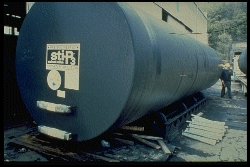
Finally, properties may hide Underground Storage Tanks (USTs), which were historically used to store heating oil. These present a significant environmental risk due to the potential for leaking petroleum into groundwater, leading to massive liability for the property owner.
Why must a real estate agent be so vigilant about these hazards? Because in environmental law, ignorance is not a defense, and the financial penalties are catastrophic.
The Superfund and Strict Liability
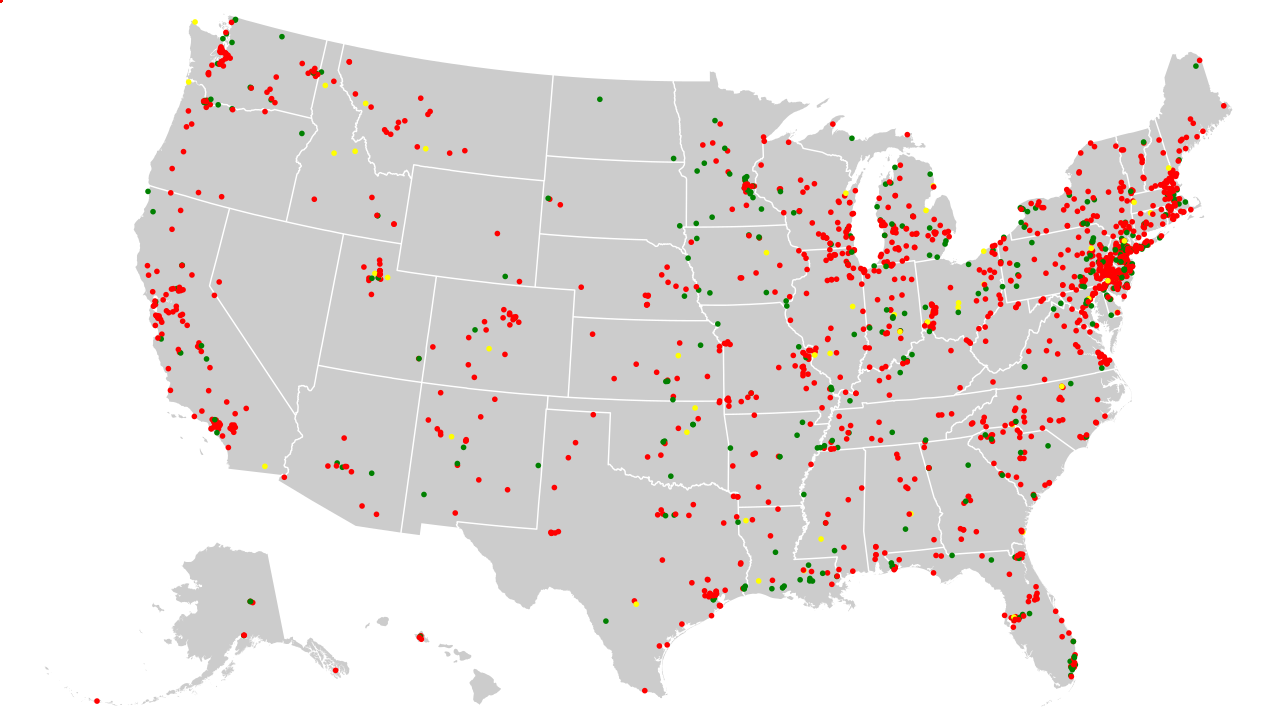
In 1980, Congress passed the Comprehensive Environmental Response, Compensation, and Liability Act (CERCLA), which established the "Superfund" to clean up uncontrolled hazardous waste sites.
CERCLA is terrifying for commercial and residential buyers because it imposes strict liability on property owners for environmental contamination.
Strict Liability: Under federal environmental law, strict liability means the current property owner is responsible for cleanup costs regardless of fault.
If your buyer purchases a property and later discovers leaking underground storage tanks installed by an owner 40 years ago, your buyer is financially responsible for the cleanup. This is why Phase I Environmental Site Assessments are mandatory in commercial real estate.
New York Property Condition Disclosure Statement (PCDS)
To prevent buyers from blindly walking into these liabilities, sellers of residential real estate in New York must provide a completed Property Condition Disclosure Statement (PCDS) to buyers before signing a binding contract.
The New York Property Condition Disclosure Statement requires sellers to disclose known environmental hazards like radon, asbestos, and lead.
Recent Legal Shift: Historically, New York sellers could choose not to provide this form and instead give the buyer a $500 credit at closing. This loophole is gone. New York State eliminated the 500-dollar credit option for the Property Condition Disclosure Statement in March 2024. Sellers are now universally required to provide the completed form.
If a seller attempts to hide a hazard, a seller failing to provide the Property Condition Disclosure Statement can be held liable for actual damages incurred by the buyer.
Summary Comparison of Hazards
| Hazard | Source / Location | Primary Health Risk | Testing / Measurement | Remediation / Mitigation |
|---|---|---|---|---|
| Asbestos | Pre-1989 insulation, tiles | Asbestosis, Mesothelioma | Bulk material or air sample | Encapsulation, Enclosure, Removal |
| Radon | Decaying uranium in soil | Lung Cancer | Charcoal canister / Continuous monitor | Active soil depressurization |
| Lead | Pre-1978 paint / dust | Neurological damage | Visual inspection / Swab / X-ray | Containment / Federally certified removal |
| Mold | Moisture + Oxygen + Food | Asthma, Allergies | Visual / Air quality test | Fix moisture source, licensed removal |
| PCBs | Pre-1979 transformers / ballasts | Probable carcinogen | Soil / Water sampling | Specialized hazardous waste disposal |
As a real estate professional, you are not expected to be a chemist or a licensed remediator. You are, however, expected to spot red flags, enforce timelines, guarantee that mandatory disclosures are executed prior to contract signing, and direct your clients to the licensed professionals who can measure and mitigate these risks. Knowing the mechanics of these hazards ensures you protect your client's health and their financial future.