Environmental Assessments
Not sure you’re ready?
Take the ~3-minute readiness diagnostic and see where you stand.
When a buyer acquires a piece of commercial real estate, they are purchasing more than acreage, steel, and masonry; they are inheriting the property's entire chemical history. If a twentieth-century manufacturer once dumped industrial solvents into the back lot, the new buyer does not merely acquire the land—they acquire the toxic legacy hiding beneath it. In commercial real estate, environmental hazards act as invisible liens on a property, capable of bankrupting an unwary investor. For a real estate professional representing buyers, sellers, or lenders, understanding the mechanics of environmental assessments, subterranean tanks, atmospheric refrigerants, and electrical fields is not merely an exercise in regulatory compliance. It is the fundamental practice of shielding your clients from catastrophic, unquantifiable liability.
To understand why commercial transactions require such exhaustive environmental scrutiny, we must look to the physics of federal liability. The Comprehensive Environmental Response, Compensation, and Liability Act (CERCLA) imposes strict liability for environmental contamination. "Strict liability" in this context means that the current owner is financially responsible for the cleanup, regardless of whether they actually caused the spill.
If your client buys a property on Tuesday, and on Wednesday the government discovers a toxic plume migrating toward the municipal water supply, your client is liable. This reality essentially froze commercial real estate markets in the 1980s until Congress passed the Superfund Amendments and Reauthorization Act (SARA).
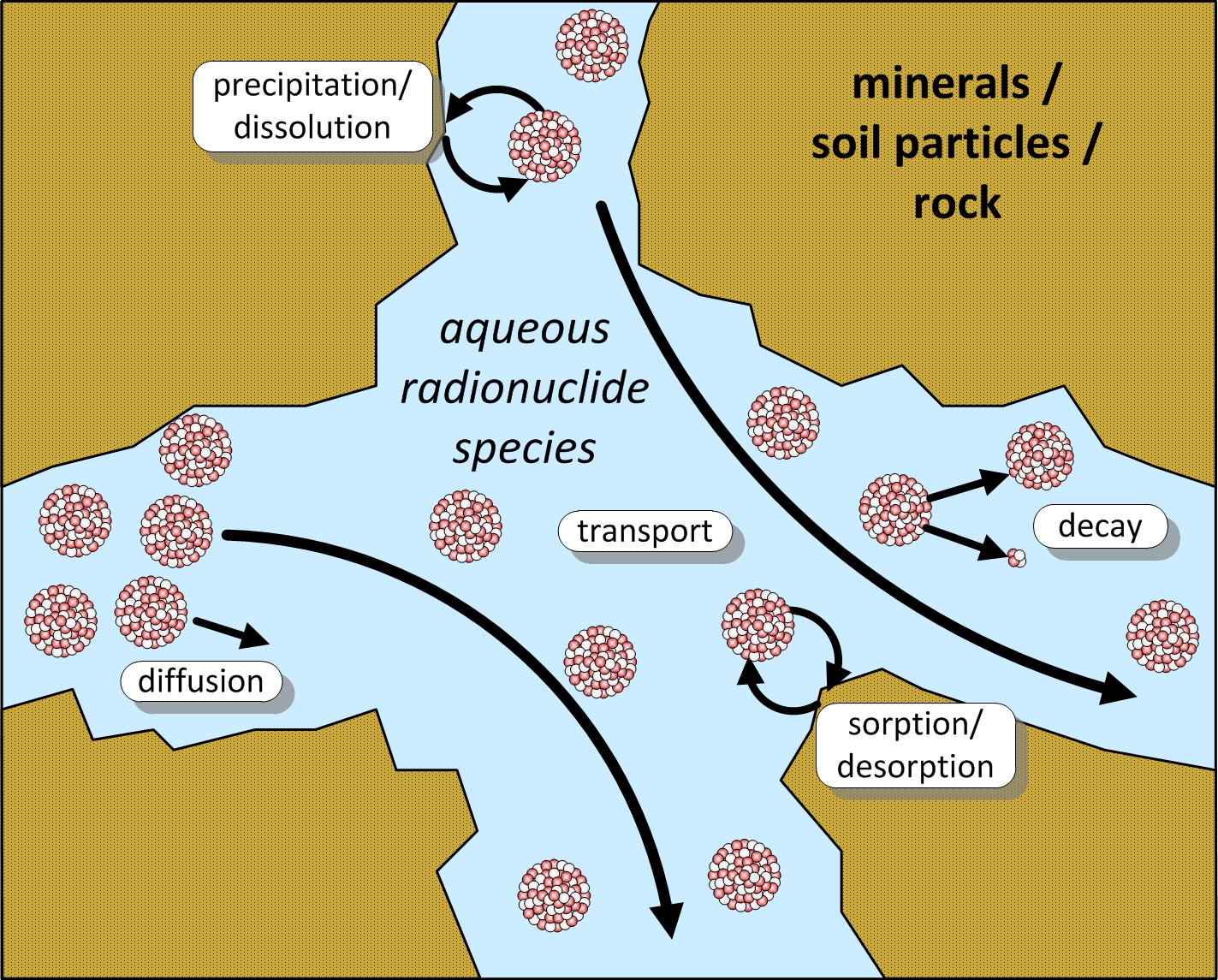
The Innocent Landowner Defense SARA created the innocent landowner immunity status, providing a vital legal shield for buyers. However, this immunity is not granted automatically. It must be actively earned prior to closing through a standardized process of environmental due diligence.
To qualify for SARA’s innocent landowner defense, a buyer must formally investigate the property's environmental history before taking title. This investigation follows a strict, four-phase scientific hierarchy.
Phase I: The Historical and Observational Audit
A Phase I Environmental Site Assessment identifies potential or existing environmental contamination liabilities on a property. Think of it as a comprehensive forensic background check. Completing a Phase I Environmental Site Assessment helps establish the innocent landowner defense under federal environmental law.
Because this phase is strictly observational, a Phase I Environmental Site Assessment does not involve the collection of physical environmental samples, nor does it involve laboratory testing of soil or water. Instead, the environmental professional relies on three primary methods:
- Visual Inspection: A physical visual inspection of the property to look for stressed vegetation, mysterious staining, or suspicious subsidence.
- Documentary Review: A review of historical property records, such as old Sanborn fire insurance maps, chain-of-title documents, and historical aerial photographs.
- Interviews: Interviews with current and past property owners, as well as local government officials and neighboring tenants.
Phase II: The Diagnostic Investigation
If a Phase I assessment identifies potential environmental contamination—say, the historical maps reveal the site was a dry cleaner in the 1960s—the investigation escalates. A Phase II Environmental Site Assessment is conducted to determine whether hazardous materials are physically present.
This is the diagnostic stage. A Phase II Environmental Site Assessment involves collecting physical soil samples and involves laboratory testing of groundwater. The goal here is empirical proof: identifying the exact chemical composition and concentration of the contaminant beneath the surface.
Phase III: The Remediation Operation
If laboratory results confirm contamination, the property must be cured. A Phase III Environmental Site Assessment involves the actual remediation of a contaminated site.
This phase is highly engineered. It includes designing a specific environmental cleanup plan tailored to the unique hydrogeology of the land and the chemistry of the pollutant. Ultimately, a Phase III Environmental Site Assessment involves the physical removal or treatment of toxic materials from a property. This might mean excavating hundreds of tons of soil or installing underground vapor extraction systems.
_System_for_Vadose_Zone_Remediation.png)
Phase IV: The Convalescence and Maintenance
Curing a property is rarely an overnight event. Even after the heavy machinery leaves, the site requires ongoing management. A Phase IV Environmental Site Assessment involves the long-term management of a previously contaminated site.
This stage typically includes ongoing monitoring of groundwater quality via permanent testing wells. The core objective of a Phase IV Environmental Site Assessment ensures that prior environmental remediation efforts remain effective over time, confirming that the toxic plume is genuinely shrinking and not migrating off-site.

One of the most frequent catalysts for a Phase II investigation is the suspected presence of buried tanks. Underground storage tanks pose a significant environmental risk due to the potential for undetectable leaks. Because they operate in the dark, out of sight, microscopic structural failures can silently drain thousands of gallons of petroleum into the earth. If left unchecked, these leaking underground storage tanks can severely contaminate local groundwater supplies.
The 10 Percent Rule
How does the law define an underground tank? The federal government defines an underground storage tank as a tank system having at least 10 percent of its combined volume underground.
Notice the word system. The 10 percent underground volume calculation for an underground storage tank includes the connected underground piping. A tank sitting above ground may still legally be classified as a UST if its vast network of subterranean delivery pipes accounts for 10 percent of the system's total volume.
Jurisdiction and Exemptions
Regulation of these systems depends on their contents and location:
- Commercial underground storage tanks containing petroleum are regulated by the Environmental Protection Agency (EPA).
- At the state level, the New York State Department of Environmental Conservation (DEC) regulates underground storage tanks within New York State.
However, the law makes practical allowances for everyday civilian and agricultural use. Federal regulations exempt:
- Farm tanks holding 1,100 gallons or less of motor fuel used for noncommercial purposes.
- Heating oil tanks used directly on the premises (federal underground storage tank regulations exempt tanks storing heating oil for onsite consumptive use, a common scenario in older New York residential properties).
The Real Estate Licensee's Duty: If you are representing a seller, you cannot treat a buried tank as an "out of sight, out of mind" issue. Real estate licensees must disclose the known presence of an underground storage tank to potential property buyers.
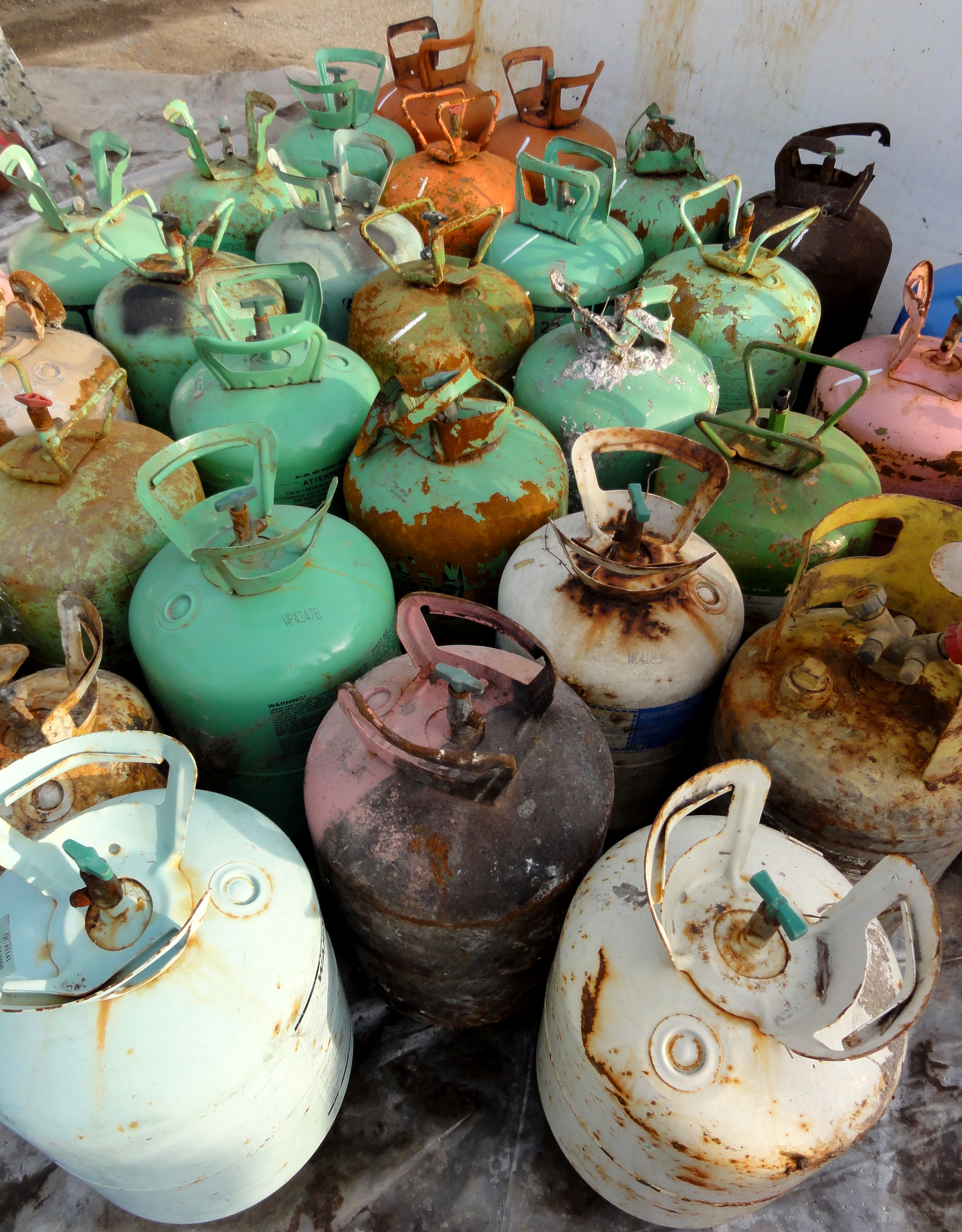
Environmental hazards are not limited to the soil and groundwater; they exist within the mechanical systems of the buildings themselves. Chlorofluorocarbons are synthetic chemical compounds previously used widely in refrigeration systems. Often recognized by the public under the widely known trade name Freon (which applies to certain chlorofluorocarbon refrigerants), these chemicals were historically seen as a miracle of modern engineering—non-toxic to humans and highly efficient. Consequently, chlorofluorocarbons were commonly used as refrigerants in older air conditioning units and commercial chillers.
The Stratospheric Threat
While stable at ground level, the physics of these compounds proves catastrophic in the upper atmosphere. The release of chlorofluorocarbons into the atmosphere contributes to the destruction of the Earth's ozone layer. Because of this, chlorofluorocarbons are officially classified as ozone-depleting substances.
Strict Regulatory Protocols
To halt the degradation of the ozone layer, the federal Clean Air Act regulates the use and disposal of chlorofluorocarbons. In a sweeping move, the production of new chlorofluorocarbons was officially banned in the United States in 1996.
For property managers and real estate owners maintaining legacy HVAC systems, the law mandates rigorous operational protocols:
- Federal law strictly prohibits the intentional venting of chlorofluorocarbons into the open atmosphere.
- When servicing existing systems, technicians must use specialized equipment to capture and recycle chlorofluorocarbons during appliance servicing.
- When a building undergoes demolition or a major mechanical upgrade, property owners must hire certified technicians to properly dispose of appliances containing chlorofluorocarbons.
Finally, we turn from chemical hazards to physical phenomena. Electromagnetic fields are invisible lines of force generated by the movement of electrical current. Any time electricity flows through a wire, it generates both an electric field and a magnetic field.

Scale is the differentiating factor here. Standard household electrical appliances produce small-scale electromagnetic fields, which dissipate within inches. Conversely, high-tension power lines produce significant electromagnetic fields that can extend over much larger areas.
Science Versus Market Reality
The biological impact of these fields is heavily studied. Currently, the precise health risks associated with long-term exposure to electromagnetic fields remain a subject of scientific debate, with no definitive consensus proving that standard residential proximity causes disease.
However, in real estate, the market reacts to perception as aggressively as it reacts to proven pathology. The presence of high-tension power lines near a property can negatively impact the market value of the property simply due to buyer apprehension and aesthetic stigma.
The Real Estate Licensee's Duty: If a prospective buyer points to the transmission towers looming over the backyard and asks if they emit EMFs, evasion is not an option. Real estate agents must answer truthfully if asked by a buyer about nearby electromagnetic field sources.
Summary for the Real Estate Professional
Every property exists in a physical and regulatory ecosystem. Whether you are facilitating the sale of a defunct gas station requiring a Phase II soil test, advising a commercial landlord on the lawful disposal of a CFC-laden chiller, or disclosing the presence of an aging heating oil tank, your value lies in identifying these unseen variables. You are not simply brokering space; you are navigating the intricate intersection of property rights, physical science, and federal liability to protect your client's financial future.