Long Standing Environmental Issues
Not sure you’re ready?
Take the ~3-minute readiness diagnostic and see where you stand.
A residential property is not an isolated, sterile box. It is an active mechanical and biological node deeply connected to the geological realities of its site. When a property is severed from municipal infrastructure—meaning it does not draw from a town water main or flush into a city sewer—it must independently mimic those vast municipal networks on a microscopic scale. The homeowner becomes their own water authority and their own sanitation department. Furthermore, the very structural integrity of the home sits exposed to biological forces determined to break it down and return it to the earth.
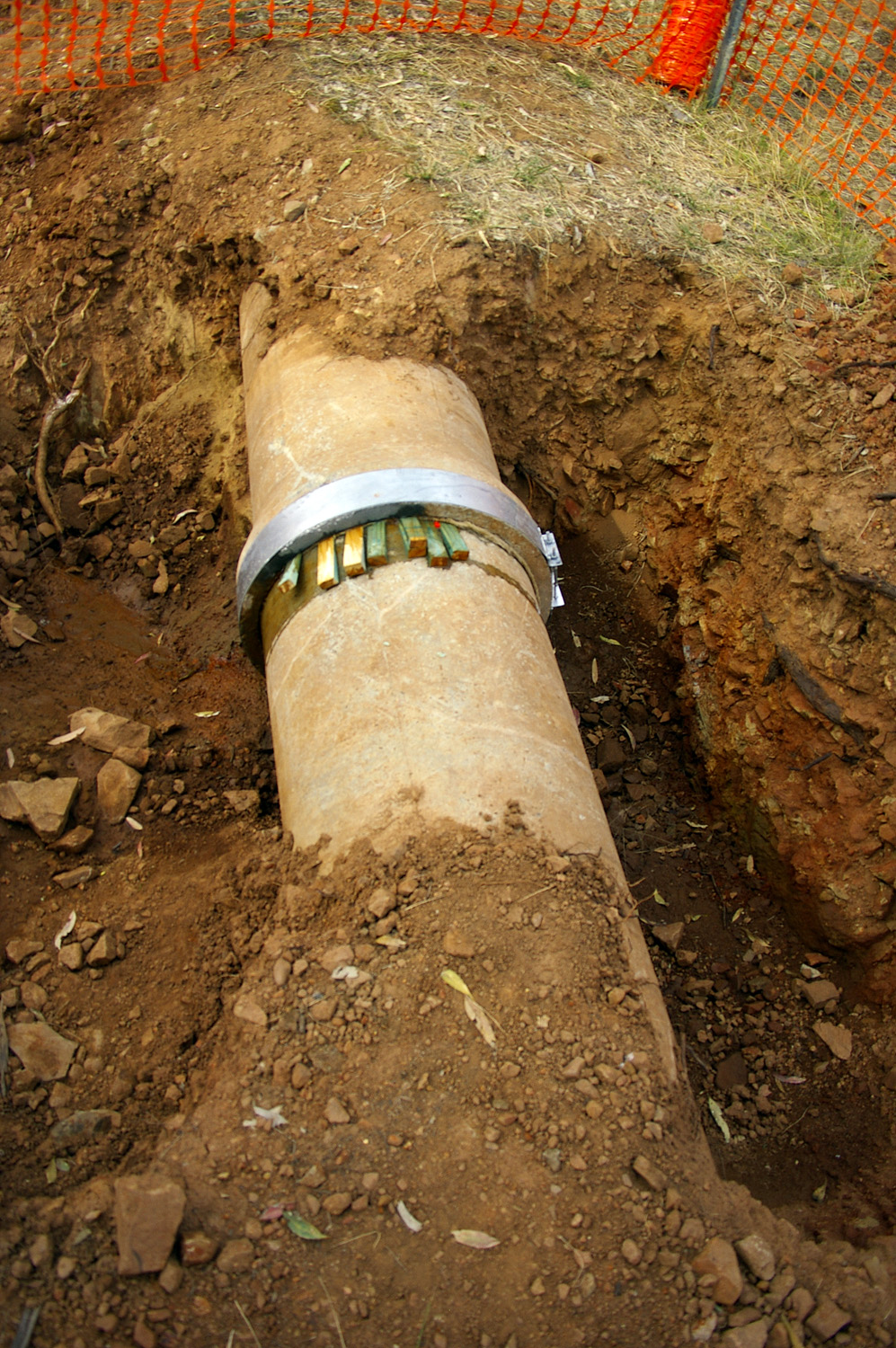
For the real estate professional, these are not merely engineering curiosities. The unseen environmental realities of a parcel—specifically its water systems, septic mechanics, and susceptibility to wood-destroying insects—are the silent arbiters of a real estate transaction. If the water is poisoned, the soil cannot absorb waste, or the structural framing is being actively consumed by biology, mortgage lenders will refuse to underwrite the risk, and the contract will rightfully collapse.
To guide clients through these transactions, you must understand the exact physical mechanics and legal regulations governing these long-standing environmental issues.
Every time a faucet is opened in a home, the presumption is that the water is both adequate in volume and safe to consume. How that safety is guaranteed depends entirely on where the water originates.
Public Drinking Water vs. Private Wells
The Safe Drinking Water Act is a federal law protecting public drinking water supplies throughout the nation. It sets national health-based standards for drinking water to protect against both naturally occurring and man-made contaminants. In New York, the New York State Department of Health (NYSDOH) acts as the enforcer and regulates these public drinking water standards.
But what exactly constitutes a "public" water system? The law draws a very specific mathematical line. A public water system is defined as a system with at least five service connections, or one that regularly serves an average of at least 25 individuals daily for at least 60 days a year. If a system meets these thresholds, it falls under strict federal and state oversight.
However, the Safe Drinking Water Act does not regulate private drinking water wells. The moment a property relies on a private well that serves fewer than 25 people or has fewer than five connections, federal and state protections vanish. Homeowners with private wells are solely responsible for testing and maintaining their own water supply.
Because there is no municipal authority checking the water chemistry, the NYSDOH recommends testing private well water at least once a year for coliform bacteria, which is a primary indicator of fecal contamination. Homeowners must also be vigilant against other common health-hazardous contaminants in private well water, including nitrates, lead, and radon.

Real Estate Mechanics: Potability and Quantity Testing
When a buyer attempts to purchase a property with a private well, the mortgage lender essentially asks: Is there enough water, and will it kill the inhabitants? To answer this, two specific tests are conducted.
- Water Potability Test: This test evaluates drinking water for sanitary quality. It actively identifies the presence of health-threatening contaminants in drinking water, ensuring the chemistry and biology of the water are safe for human consumption.
- Water Quantity Testing: Clean water is useless if it only flows in a trickle. Quantity testing for a private well measures the flow rate in gallons per minute. This ensures an adequate continuous water supply is available to handle the demands of the home (e.g., showering, running a dishwasher, and flushing a toilet simultaneously).
Many mortgage lenders require private well water potability testing prior to approving real estate loans. Specifically, federal programs are unforgiving on this metric: Federal Housing Administration (FHA) mortgage loans and Veterans Affairs (VA) mortgage loans explicitly require water potability tests for properties relying on a private water supply.
Regional Nuance: Westchester County Law In Westchester County, reliance on private well testing is legally codified for real estate transfers. Under Westchester County law, a water potability test is required upon signing a contract of sale for any property served by a private well. Crucially, the law specifies that the seller of the property must arrange and pay for the mandated water test.
Just as a property without municipal water must source its own supply, a property without municipal sewer access must process its own waste. Private sewage disposal systems are utilized when public sewer access is unavailable. These systems process wastewater directly on the property, relying on gravity, bacteria, and the geological composition of the earth.
The Mechanics of a Septic System
A standard private septic system utilizes two primary components to safely digest and disperse household waste:
- A Septic Tank: This is an underground, watertight chamber. The septic tank separates solid waste from liquid wastewater. Heavy solids sink to the bottom to form sludge, where anaerobic bacteria slowly break them down, while lighter greases float to the top as scum.
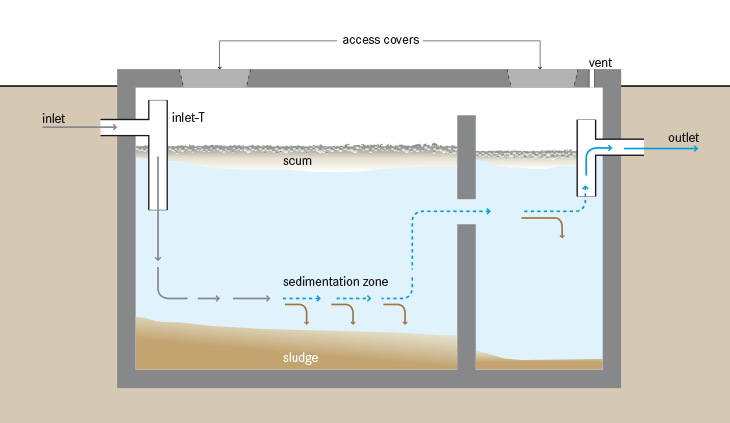
- A Soil Absorption Field (Leach Field): The relatively clear liquid in the middle of the tank (effluent) exits into a network of perforated pipes buried in trenches. The soil absorption field distributes liquid effluent from the septic tank into the surrounding soil. The soil acts as a massive biological filter, stripping harmful bacteria and viruses from the effluent before it reaches the groundwater.
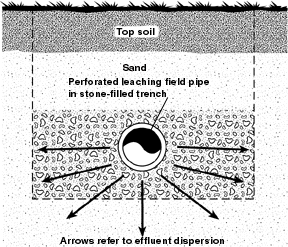
Because a failing system creates severe public health hazards, the New York State Department of Health establishes the regulatory standards for residential on-site wastewater treatment systems. If you are building or replacing a system, the engineering blueprints cannot simply be guessed; the New York State residential septic system design standards are strictly outlined in Appendix 75-A of the State Sanitary Code.
Testing the Soil and the System
You cannot install a soil absorption field in dense clay or solid rock. Before a system is designed, a percolation test (perc test) must be conducted. A percolation test measures the rate at which water drains through soil. This test is legally required to determine if a property's soil is suitable for a septic system absorption field.
For existing homes, buyers must verify the health of an aging system. Standard home inspections do not typically include a functional evaluation of private sewage disposal systems. A standard inspector will run the sinks, but they will not excavate the yard to check the tank baffles.
Instead, a septic dye test is frequently performed during real estate transactions. This is a non-invasive performance test used to identify failing septic systems. The inspector flushes a large volume of water mixed with fluorescent dye into the home's plumbing. They then walk the property and visually check for surface wastewater breakouts in the yard. If glowing dye bubbles up in the grass, the absorption field has failed.
Just like with water potability, the financial gatekeepers care deeply about this infrastructure. Many lenders require a satisfactory septic system inspection before funding a mortgage on a property with private sewerage. A failed dye test will instantly halt a closing until a repair is negotiated.
A home is essentially an assembly of dead wood placed on top of moist soil. To an insect, a beautifully crafted pine joist is no different than a fallen tree in the forest—it is a food source and a habitat.
New York’s climate hosts several species that threaten residential structures. Common wood-destroying insects in New York include subterranean termites and carpenter ants, as well as carpenter bees and powderpost beetles.
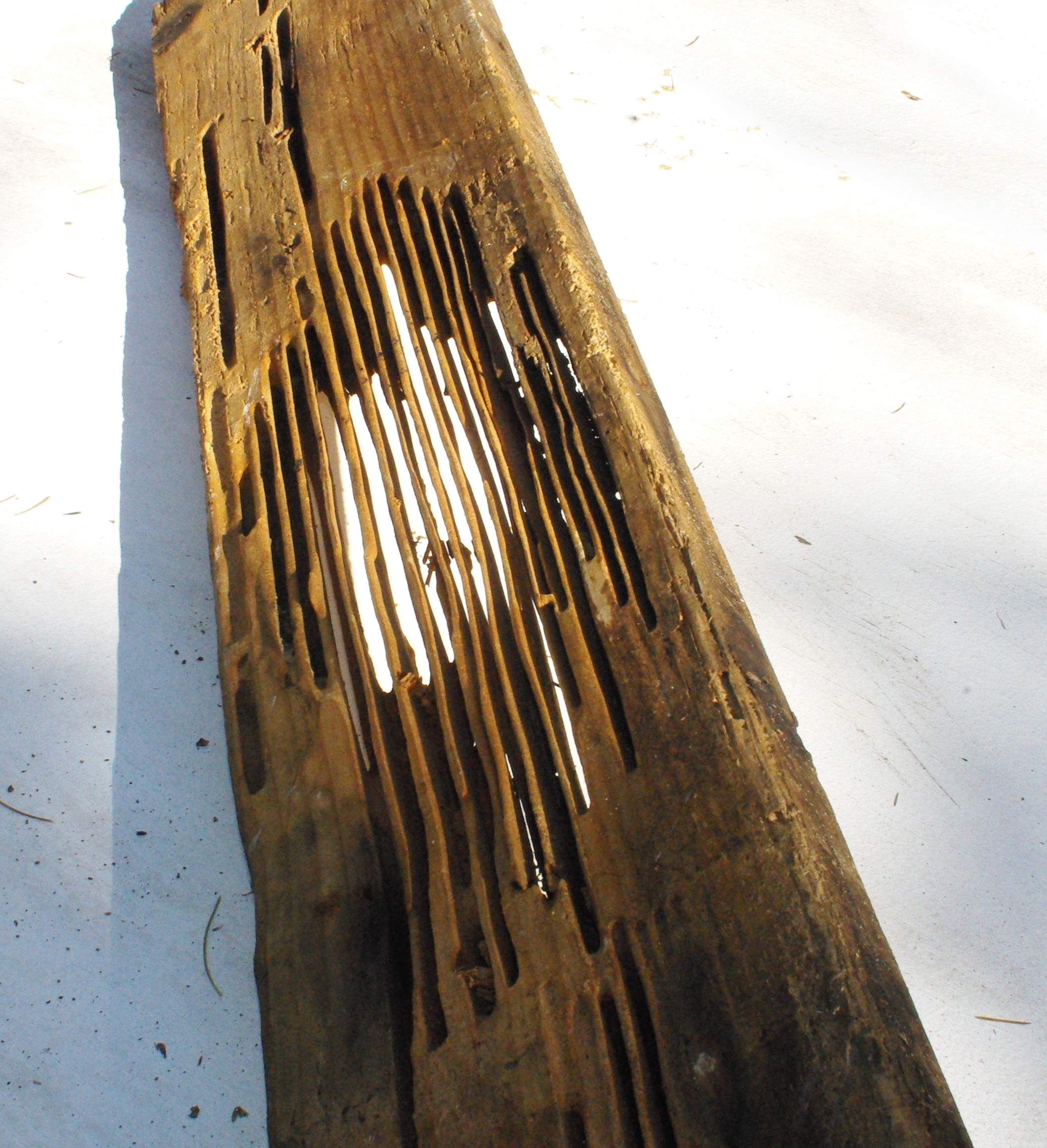
Of these, subterranean termites are uniquely destructive. They live in massive underground colonies and require constant moisture. To access the dry wood of a house without dehydrating in the open air, subterranean termites construct visible mud tubes to travel safely between underground colonies and a home's wooden structure.
Physical evidence of a termite infestation includes:
- The aforementioned mud tubes climbing up concrete foundation walls.
- Hollowed-out wood beams (often heavily damaged inside while the exterior veneer remains suspiciously intact).
- The presence of termite swarmers (winged reproductive termites seeking to start new colonies) and discarded insect wings near windowsills.
Formal Pest Inspections and Real Estate Transactions
A buyer cannot assume their standard home inspector will catch a termite problem. Standard residential home inspections do not automatically include specialized evaluations for termites.
Instead, buyers must commission a formal Wood Destroying Insect (WDI) inspection. This specialized inspection evaluates a property for two distinct things:
- Visible evidence of active wood-destroying insect infestations.
- Visible evidence of past wood-destroying insect damage (which may structurally compromise the home even if the insects have been exterminated).
The state requires absolute precision in this assessment. An inspector must be certified by the New York State Department of Environmental Conservation (NYSDEC) to perform a formal Wood Destroying Insect inspection. Specifically, a NYSDEC Category 7C certification is required to legally complete an NPMA-33 termite inspection report. The NPMA-33 is the standard reporting form recognized by banks and government agencies nationwide.
The results of the NPMA-33 form dictate the flow of the transaction. FHA and VA mortgage lenders routinely mandate a formal Wood Destroying Insect inspection before approving a home loan. If the NPMA-33 indicates an active infestation, the bank will typically require professional extermination and structural clearance before they will fund the loan.
To protect the buyer's earnest money deposit (which could be upward of $10,000 to $50,000 depending on the market), real estate contracts often include a pest inspection contingency. A pest inspection contingency acts as a legal escape hatch; it allows the buyer to cancel the purchase contract without penalty if severe wood-destroying insect damage is found.
Synthesis for the Professional
Understanding these environmental mechanics separates the amateur agent from the elite practitioner. When a property utilizes private infrastructure or is exposed to structural pests, the standard rules of closing change. You must anticipate the need for well potability tests, orchestrate septic dye evaluations, and secure a Category 7C certified inspector to issue an NPMA-33. Mastering these long-standing environmental issues ensures that your client's transaction survives the rigorous scrutiny of lenders, local laws, and the forces of nature itself.