Conveyance After Death
Not sure you’re ready?
Take the ~3-minute readiness diagnostic and see where you stand.
A [property's title](https://en.wikipedia.org/wiki/Title_%28property%29) does not pause when a [heartbeat](https://en.wikipedia.org/wiki/Heart_rate) stops. The exact moment a property owner dies, the [law](https://en.wikipedia.org/wiki/Law) instantaneously intervenes to reassign [ownership](https://en.wikipedia.org/wiki/Ownership), ensuring that the continuous [chain of title](https://en.wikipedia.org/wiki/Chain_of_title) upon which our entire [real estate economy](https://en.wikipedia.org/wiki/Real_estate) relies remains unbroken. For a [real estate professional](https://en.wikipedia.org/wiki/Real_estate_broker), a deceased client or a property tied up in an [estate](https://en.wikipedia.org/wiki/Estate_%28law%29) is not an [edge case](https://en.wikipedia.org/wiki/Edge_case); it is a fundamental reality of the market. When a listing involves a deceased owner, the path to the [closing table](https://en.wikipedia.org/wiki/Closing_%28real_estate%29) diverges into two entirely different legal landscapes depending on the existence of a single document: a [last will and testament](https://en.wikipedia.org/wiki/Will_and_testament). Understanding the profound mechanical differences between a planned transfer and an unplanned, state-mandated distribution is the only way a salesperson can properly advise clients, accurately list properties, and navigate the bureaucratic realities of the [New York court system](https://en.wikipedia.org/wiki/Judiciary_of_New_York) to successfully reach a closing.
In [physics](https://en.wikipedia.org/wiki/Physics), [nature abhors a vacuum](https://en.wikipedia.org/wiki/Horror_vacui_%28physics%29). In real estate, the law abhors an unowned property.
There is a common misconception among agents and buyers that when an owner dies, their property enters a sort of legal purgatory where it goes unowned until a [court](https://en.wikipedia.org/wiki/Court) decides what to do with it. This is false. [Title](https://en.wikipedia.org/wiki/Title_%28property%29) to [real property](https://en.wikipedia.org/wiki/Real_property) passes to the designated [heirs](https://en.wikipedia.org/wiki/Heir) or devisees immediately upon the death of the property owner. The transfer of ownership is instantaneous.
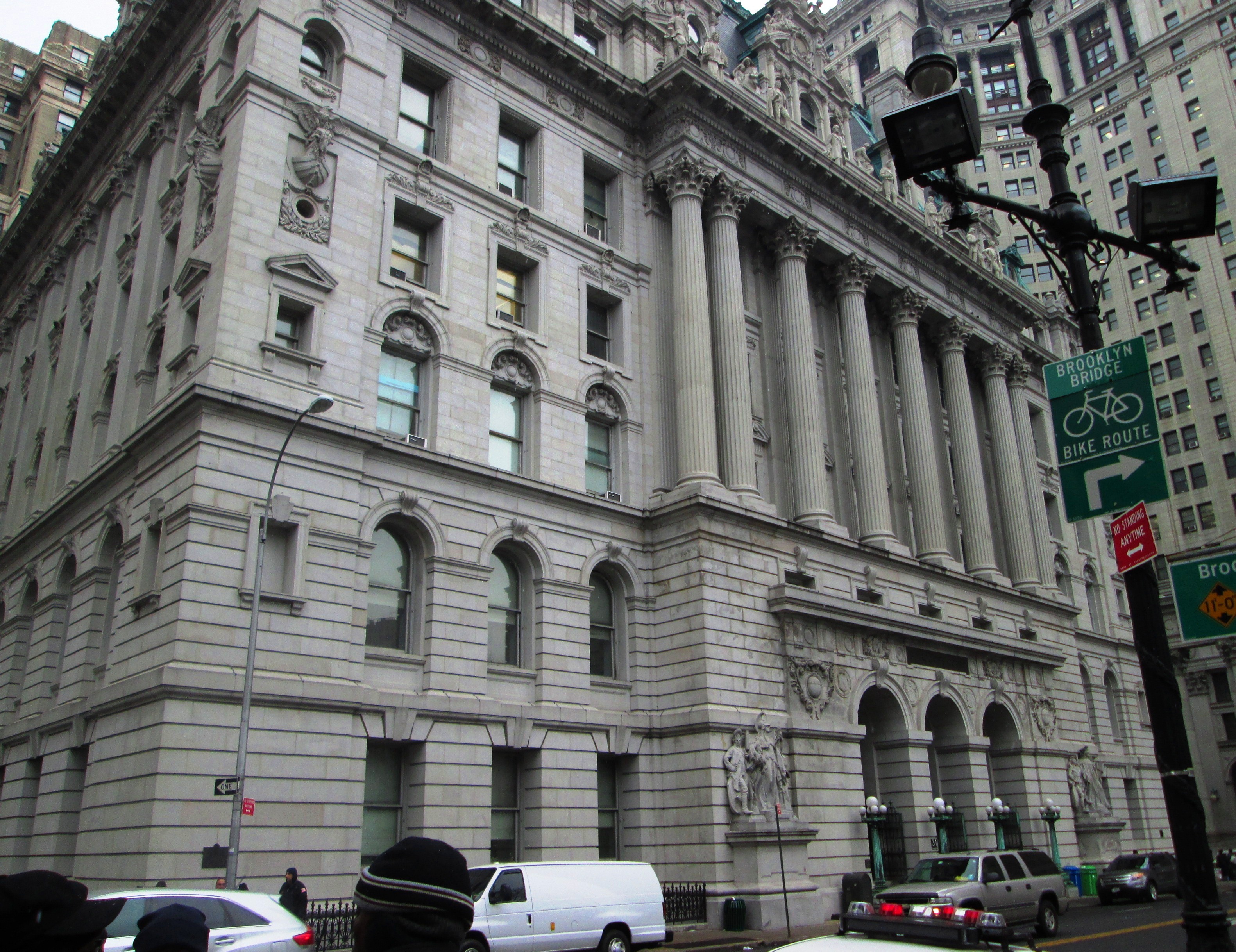
However, while ownership shifts immediately, the [marketability](https://en.wikipedia.org/wiki/Marketability) of that title—the ability of the new owners to legally sell the property to someone else—must be formalized. This formalization, whether the deceased left a will or not, always routes through a specific [venue](https://en.wikipedia.org/wiki/Venue_%28law%29): In [New York State](https://en.wikipedia.org/wiki/New_York_%28state%29), the [Surrogate's Court](https://en.wikipedia.org/wiki/New_York_Surrogate%27s_Court) handles all [probate](https://en.wikipedia.org/wiki/Probate) and [estate administration proceedings](https://en.wikipedia.org/wiki/Administration_%28probate_law%29).
Think of the Surrogate's Court as the central processing hub for all [conveyances](https://en.wikipedia.org/wiki/Conveyancing) after death. Before you, as a real estate salesperson, can confidently put a "For Sale" sign in the yard of a deceased person's home, the Surrogate's Court must officially appoint a representative with the legal authority to sign the listing agreement and, ultimately, the [deed](https://en.wikipedia.org/wiki/Deed).
How the court does this depends entirely on whether the [succession](https://en.wikipedia.org/wiki/Inheritance) is testate or [intestate](https://en.wikipedia.org/wiki/Intestacy).
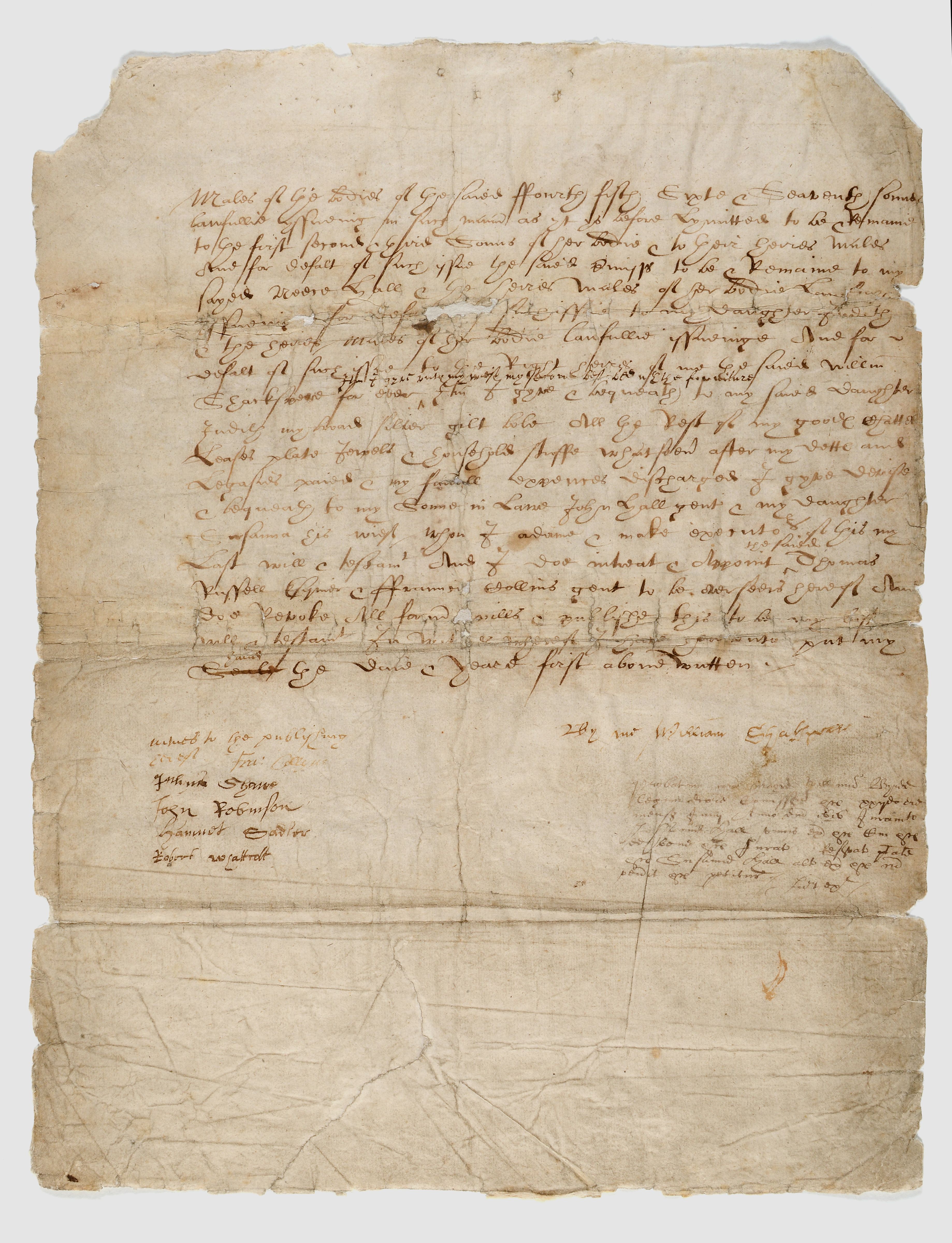
When a property owner plans ahead, they establish the exact parameters of how their [assets](https://en.wikipedia.org/wiki/Asset) should be handled. Testate succession occurs when a property owner dies leaving a [valid legal will](https://en.wikipedia.org/wiki/Will_and_testament).
But a will is merely a piece of paper until a [judge](https://en.wikipedia.org/wiki/Judge) verifies it. If a prospective client hands you a copy of their late mother’s will and says, "I own the house now, let's list it," you must stop and ask if the will has been to court. The legal process of proving the validity of a deceased person's will is called [probate](https://en.wikipedia.org/wiki/Probate). During probate, the Surrogate's Court examines the will, ensures it was properly executed, and officially empowers the individuals named within it.
The Vocabulary of the Will
[Real estate law](https://en.wikipedia.org/wiki/Property_law) demands precision. Just as we do not confuse a [mortgage](https://en.wikipedia.org/wiki/Mortgage_loan) with a deed, we must never confuse the terms surrounding a will. A classic trap on the New York Real Estate Salesperson exam involves the precise terminology of what is being given and to whom.
- Devisor: A devisor is the deceased property owner who transferred real estate through a will.
- Devise: A
[devise](https://en.wikipedia.org/wiki/Devise_and_bequeath)is the specific legal term for the transfer of real property made through a will. - Devisee: A devisee is a person who receives real property through a valid will.
Contrast this strictly with [personal property](https://en.wikipedia.org/wiki/Personal_property). If a devisor leaves their prized [vintage car](https://en.wikipedia.org/wiki/Classic_car) or a diamond ring to a relative, that is not a devise. A [bequest](https://en.wikipedia.org/wiki/Devise_and_bequeath) is the legal term for a [gift](https://en.wikipedia.org/wiki/Gift_%28law%29) of personal property made through a will.
Exam Tip: Remember the "R" and the "P". You devise Real Estate. You bequeath Personal Property. A person inheriting the house is a devisee; a person inheriting the furniture inside it is receiving a bequest.
The Role of the Executor
In a valid will, the devisor doesn't just give away property; they designate a manager to execute their final wishes. An [executor](https://en.wikipedia.org/wiki/Executor) is a person explicitly named in a will to administer the deceased person's estate.
For a real estate agent, the executor is your primary point of contact. They are the ones who will sign the listing agreement, negotiate the offers, and sit at the closing table. However, you must verify the scope of their power. An executor possesses the legal authority to sell the deceased person's real property if the will expressly grants that power.
If the will gives the executor the property to sell and divide the proceeds among the children, you are clear to proceed once the Surrogate's Court grants the executor their [Letters Testamentary](https://en.wikipedia.org/wiki/Letters_testamentary) (the official document of authority). When the property is finally sold to a new buyer, the transfer is completed using an executor's deed, which is the specific [legal instrument](https://en.wikipedia.org/wiki/Legal_instrument) used by an executor to convey real property from a deceased person's estate.
Nature has a default state, and so does the law. What happens when a person dies having never written a will?
[Intestate succession](https://en.wikipedia.org/wiki/Intestacy) occurs when a property owner dies without a valid will.
Because there are no written instructions, the [state](https://en.wikipedia.org/wiki/State_%28polity%29) must step in with a rigid, predetermined [algorithm](https://en.wikipedia.org/wiki/Algorithm) to figure out who owns the deceased's real estate. In intestate succession, real property passes to the deceased person's [legal heirs](https://en.wikipedia.org/wiki/Heir) according to [state law](https://en.wikipedia.org/wiki/State_law_%28United_States%29).
This specific type of transfer has a distinct name. Acquiring real property through intestate succession is legally known as [title by descent](https://en.wikipedia.org/wiki/Intestacy). You did not acquire the title because you were explicitly chosen in a document (devise); you acquired it simply because you descended from the owner.
The Law of Descent and Distribution
Who gets what? You do not need to guess. The New York [law of descent and distribution](https://en.wikipedia.org/wiki/Intestacy) dictates the exact hierarchy of heirs entitled to receive an intestate [decedent's](https://en.wikipedia.org/wiki/Decedent) property.
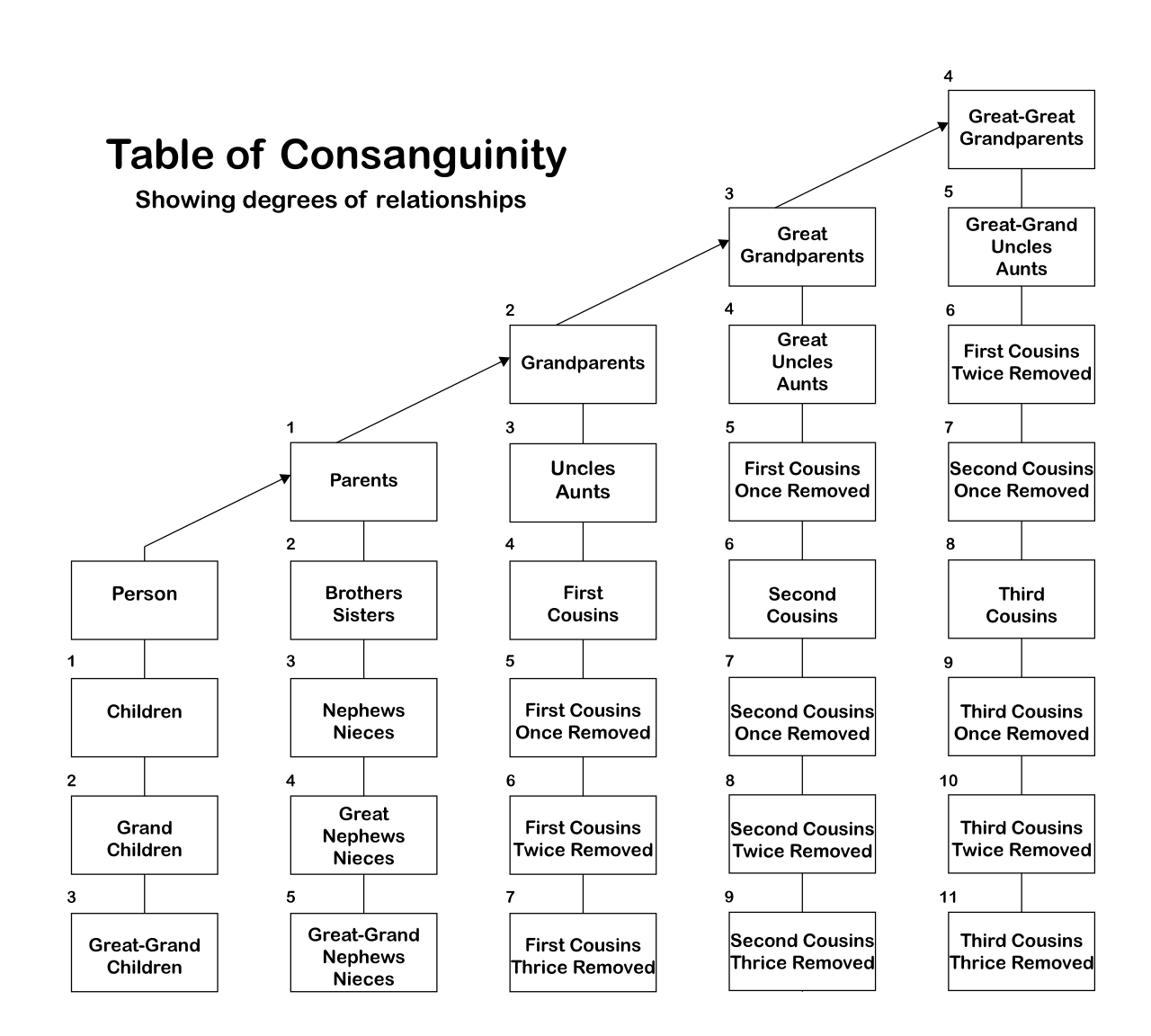
This law is a strict mathematical [tree](https://en.wikipedia.org/wiki/Tree_%28data_structure%29). It looks first for a [spouse](https://en.wikipedia.org/wiki/Spouse) and children. If there is a spouse but no children, the spouse takes everything. If there is a spouse and children, the spouse takes the first $50,000 plus half the remaining balance, and the children split the rest. If there is no spouse and no children, the law looks upward to parents, then sideways to [siblings](https://en.wikipedia.org/wiki/Sibling), and then outward to [cousins](https://en.wikipedia.org/wiki/Cousin).
The Role of the Administrator
Because there is no will to name an executor, the Surrogate's Court must appoint someone to manage the estate. An [administrator](https://en.wikipedia.org/wiki/Administrator_%28law%29) is a person appointed by a court to manage the estate of a person who died intestate.
The administrator serves a nearly identical functional role to the executor for the purposes of a real estate transaction, but their underlying mandate is different. While an executor follows the wishes outlined in a will, a court-appointed administrator must distribute the deceased person's assets according to New York laws of descent and distribution.
If you are dealing with an intestate estate, your client is the administrator (empowered by [Letters of Administration](https://en.wikipedia.org/wiki/Letters_of_administration)). When you finally bring a buyer to the closing table, the conveyance is executed via an administrator's deed, the legal instrument used by a court-appointed administrator to convey real property from an intestate estate.
We must look at the extreme [edge cases](https://en.wikipedia.org/wiki/Edge_case) to fully understand the system. What happens if a person dies intestate (no will), and the New York law of descent and distribution runs through its entire algorithm—searching for spouses, children, parents, siblings, grandparents, and even distant cousins—and finds absolutely no living [blood relatives](https://en.wikipedia.org/wiki/Consanguinity)?
The property cannot sit unowned. At this juncture, the state exercises a [sovereign power](https://en.wikipedia.org/wiki/Sovereignty).
[Escheat](https://en.wikipedia.org/wiki/Escheat) is the legal process where real property [reverts](https://en.wikipedia.org/wiki/Reversion_%28law%29) to the state [government](https://en.wikipedia.org/wiki/Government).
Escheat occurs automatically if a property owner dies intestate and leaves no identifiable legal heirs.
For a real estate professional, escheat is the ultimate end of the line for [private ownership](https://en.wikipedia.org/wiki/Private_property). The property is absorbed by the State of New York. The rationale is simple: property must belong to someone so it can be maintained, taxed, and kept productive. If no [private citizen](https://en.wikipedia.org/wiki/Citizenship) has a valid claim, the state reclaims the land.
To master this material for the exam and your daily practice, you must be able to instantly contrast testate and intestate proceedings. Commit this comparison to memory:
| Concept | Testate Succession (With a Will) | Intestate Succession (Without a Will) |
|---|---|---|
| Initial State | Owner dies leaving a [valid legal will](https://en.wikipedia.org/wiki/Will_and_testament). | Owner dies without a valid will. |
| Legal Process | [Probate](https://en.wikipedia.org/wiki/Probate) (proving the will). | [Administration](https://en.wikipedia.org/wiki/Administration_%28probate_law%29) (applying state law). |
| Method of Acquisition | Real property transfers via a [Devise](https://en.wikipedia.org/wiki/Devise_and_bequeath). | Real property transfers via [Title by Descent](https://en.wikipedia.org/wiki/Intestacy). |
| Recipient | Devisee (receives real property). | [Legal Heirs](https://en.wikipedia.org/wiki/Heir). |
| Estate Manager | [Executor](https://en.wikipedia.org/wiki/Executor) (explicitly named in the will). | [Administrator](https://en.wikipedia.org/wiki/Administrator_%28law%29) (appointed by the court). |
| Conveyance Tool | Executor's Deed. | Administrator's Deed. |
| Personal Property | Transferred via a [Bequest](https://en.wikipedia.org/wiki/Devise_and_bequeath). | Distributed by NY State Law. |
| End of the Line | Distributes per the will's instructions. | [Escheat](https://en.wikipedia.org/wiki/Escheat) (reverts to state if no heirs exist). |
In your daily reality as an agent, understanding these mechanics determines whether you are wasting your time or building a solid transaction. When a client tells you their parent died and they want to sell the family home, your first question must be: "Was there a will, and has the Surrogate's Court appointed an executor or administrator?" Until the answer involves a formal court appointment, nobody has the legal authority to hire you.
Master the vocabulary, understand the flow of authority from the Surrogate's Court, and you will navigate the complexities of estate real estate with the precision of an expert.