Forms of Deeds
Not sure you’re ready?
Take the ~3-minute readiness diagnostic and see where you stand.
The transfer of real property is, fundamentally, the transfer of a conceptual bundle of rights. The physical instrument that executes this transfer across the closing table is the deed, a written legal instrument used to transfer ownership of real property from a grantor—the party transferring the real property interest—to a grantee—the party receiving that interest. Title is the abstract state of ownership, but the deed is the tangible vehicle of its movement. However, a piece of paper signed in a vacuum accomplishes nothing. To effectively transfer property title, a deed must be delivered by the grantor during the grantor's lifetime, and it must be accepted by the grantee.
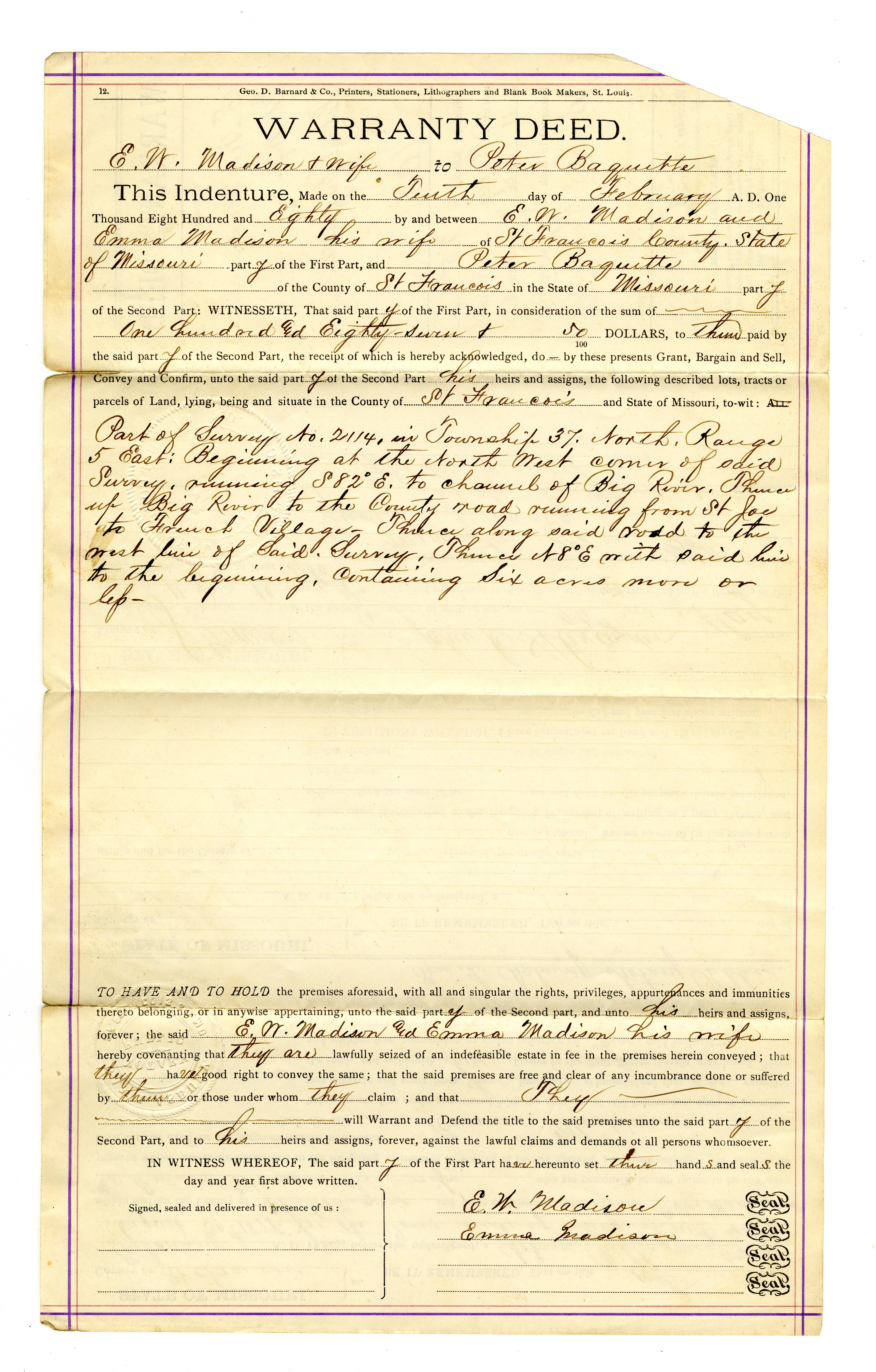
As a real estate professional, the type of deed your client encounters dictates their legal risk and their financial security. Handing a buyer the keys to a house is satisfying, but the ink on the deed is what determines whether they truly own the ground beneath their feet, or if they are simply buying a very expensive lawsuit.
Before we can compare different forms of deeds, we must understand the fundamental building blocks of title protection: covenants.
In real property law, a covenant is a formal, legally binding promise made by the grantor. When a buyer purchases property, they are not just buying lumber and bricks; they are buying the legal history of that land. If previous owners left behind unpaid taxes, boundary disputes, or unrecorded heirs, those historical ghosts can haunt the new owner. Covenants act as a legal shield against these ghosts.
There are six standard property deed covenants you must master. When a deed contains all of these, the grantor is providing the maximum possible guarantee regarding the integrity of the title.
- The Covenant of Seizin: The word "seizin" has feudal origins, historically referring to the physical possession of land. Today, the covenant of seizin guarantees that the grantor is the true and lawful owner of the property. They are promising, unequivocally, "I actually own what I am selling to you."
- The Covenant of Right to Convey: Ownership does not always equate to the capacity to sell. This covenant guarantees that the grantor has the legal capacity to transfer the property title. If the property is locked in a restrictive trust, or if the grantor is a minor or lacks mental capacity, they might own the land but lack the legal right to convey it.
- The Covenant Against Encumbrances (Liens): This warrants that the property is free from undisclosed liens. It is a promise that no secret mortgage, unpaid roofer's mechanic's lien, or outstanding tax bill is attached to the property's title waiting to blindside the buyer.
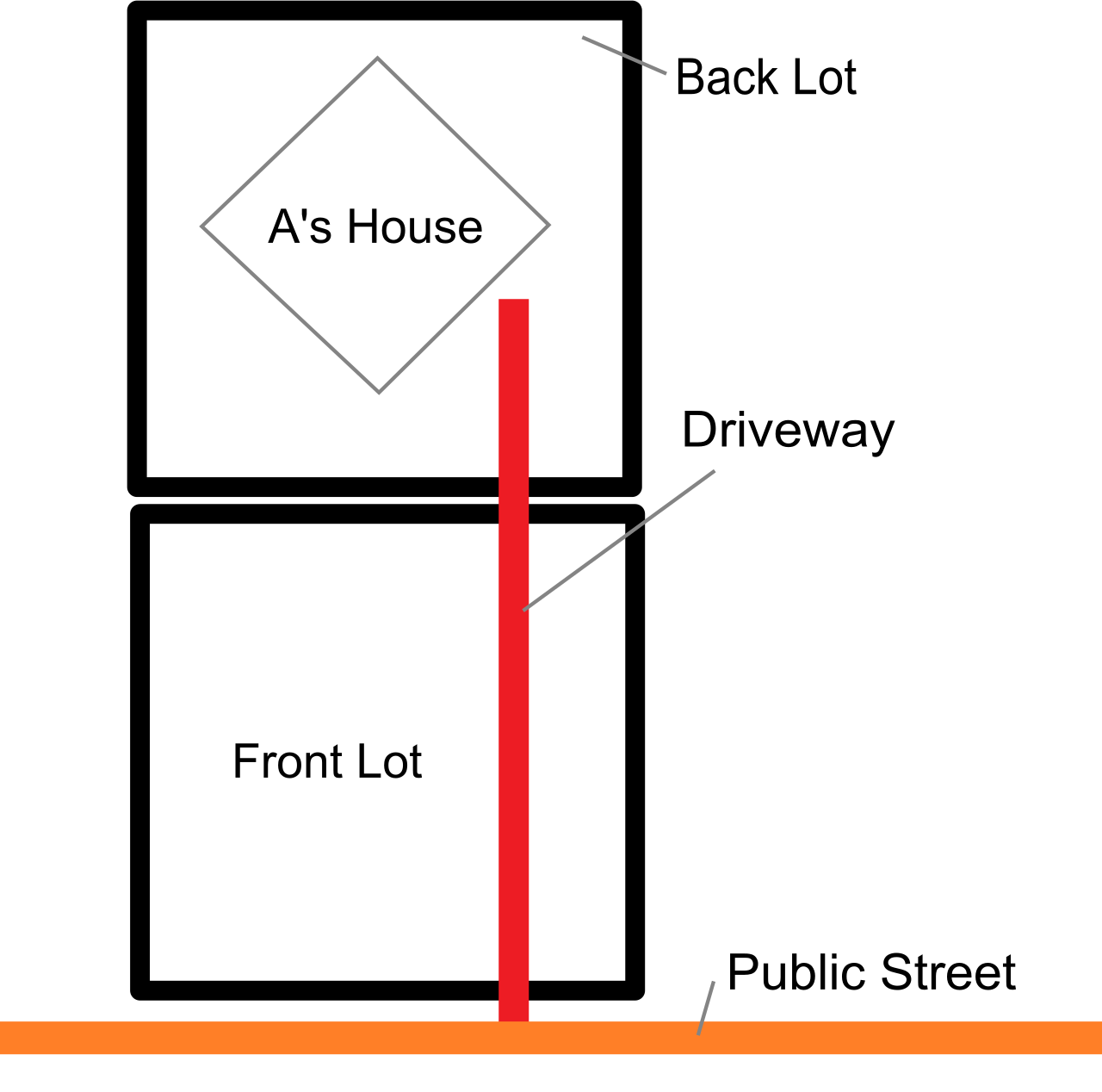
- The Covenant Against Encumbrances (Easements): Similarly, this warrants that the property is free from undisclosed easements. The grantor guarantees there is no unrecorded right-of-way allowing the municipality or a neighbor to drive heavy machinery straight through the grantee's new backyard.
- The Covenant of Quiet Enjoyment: This has nothing to do with noisy neighbors. In real estate law, "quiet" refers to the title. The covenant of quiet enjoyment guarantees that the grantee's possession of the property will not be disturbed by third-party title claims. It is a promise that an estranged heir will not knock on the door a decade later waving an old will and claiming they own half the living room.
- The Covenants of Further Assurance and Warranty Forever: These two are the enforcement mechanisms. The covenant of further assurance requires the grantor to perform any future legal acts necessary to perfect the grantee's property title (e.g., signing a corrective document if the county clerk finds a typo five years later). The covenant of warranty forever requires the grantor to defend the grantee's title against all lawful claims of other parties. If that estranged heir does sue, the grantor is legally obligated to foot the bill to fight them in court.
Full Covenant and Warranty Deed: A deed that provides the greatest level of legal protection to a property grantee by incorporating all standard property deed covenants.
If you are representing a buyer, this is the Holy Grail of deeds. A full covenant and warranty deed includes all standard property deed covenants—seizin, right to convey, protection against encumbrances, quiet enjoyment, further assurance, and warranty forever.
By signing this deed, the grantor is vouching for the entire history of the property, stretching back to when the land was first subdivided. If a title defect from sixty years ago suddenly surfaces, the current grantor is on the hook.
Because of the massive liability it places on the seller, this deed is not universally used across New York State. However, a full covenant and warranty deed is commonly utilized in upstate New York residential real estate transactions. In these regions, where properties often sit on larger tracts of land with complex, centuries-old histories of subdivision and rural easements, buyers traditionally demand the absolute maximum level of title protection.
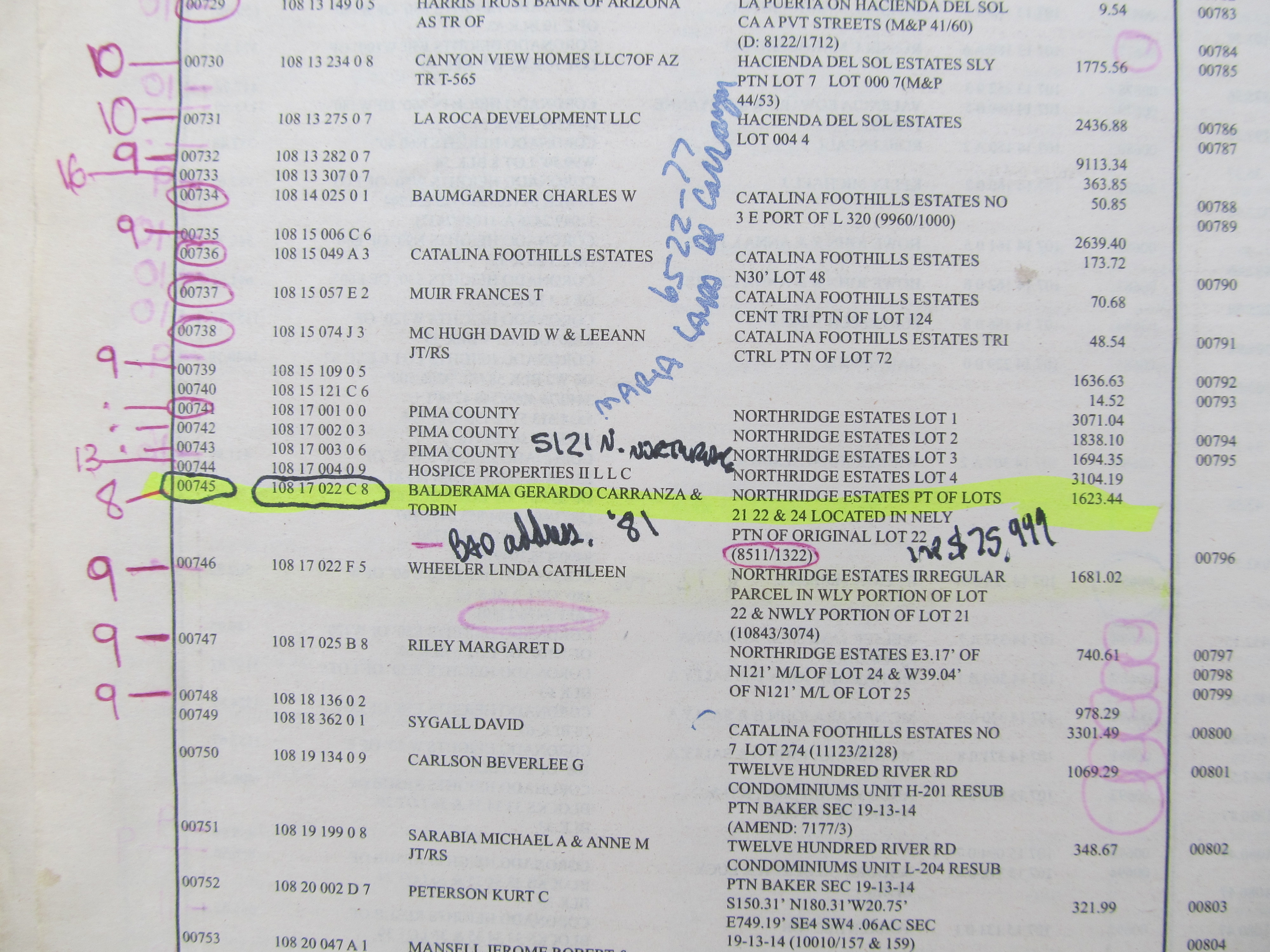
A bargain and sale deed implies that the grantor holds legal title to the property, and it implies that the grantor holds possession of the property. But implication is not a guarantee.
This form of deed splits into two highly distinct variations based on whether or not the seller is willing to add specific covenants.
Basic Bargain and Sale Deed (Without Covenants)
A basic bargain and sale deed without covenants offers no warranties against property encumbrances. The grantor is essentially saying, "I own this, and I am giving it to you. Good luck."
Because it provides such limited protection, buyers in standard residential transactions will rarely accept it. However, it serves a highly specific function in the municipal machinery: a basic bargain and sale deed without covenants is commonly used to transfer property during New York tax sales. When a municipality seizes a property for unpaid taxes and auctions it off, the city certainly is not going to promise that the title is perfectly clean. They simply auction their acquired interest as-is.
Bargain and Sale Deed with Covenants Against Grantor's Acts
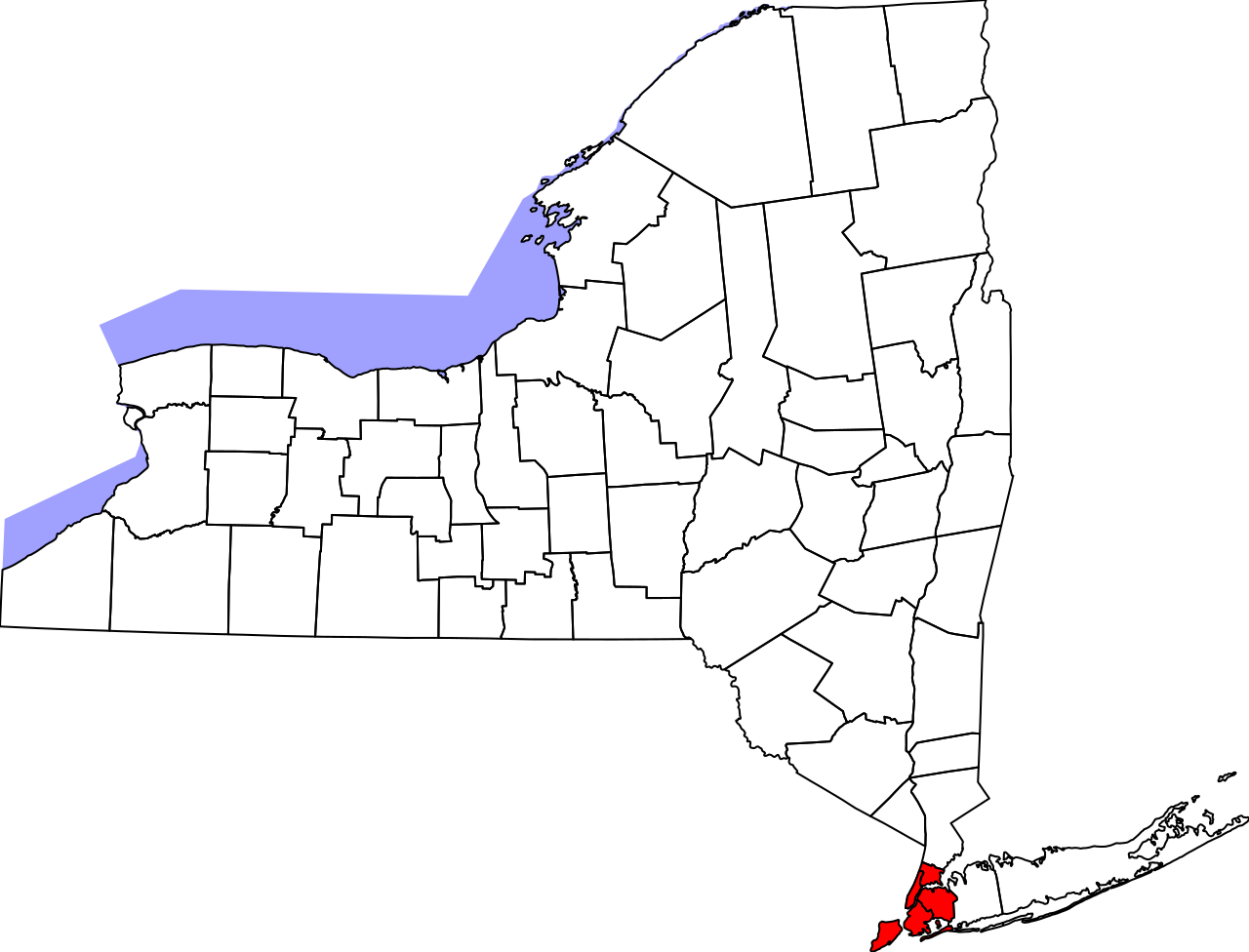
If you practice real estate in the five boroughs of New York City, Long Island, or Westchester, you will see this deed on almost every closing table.
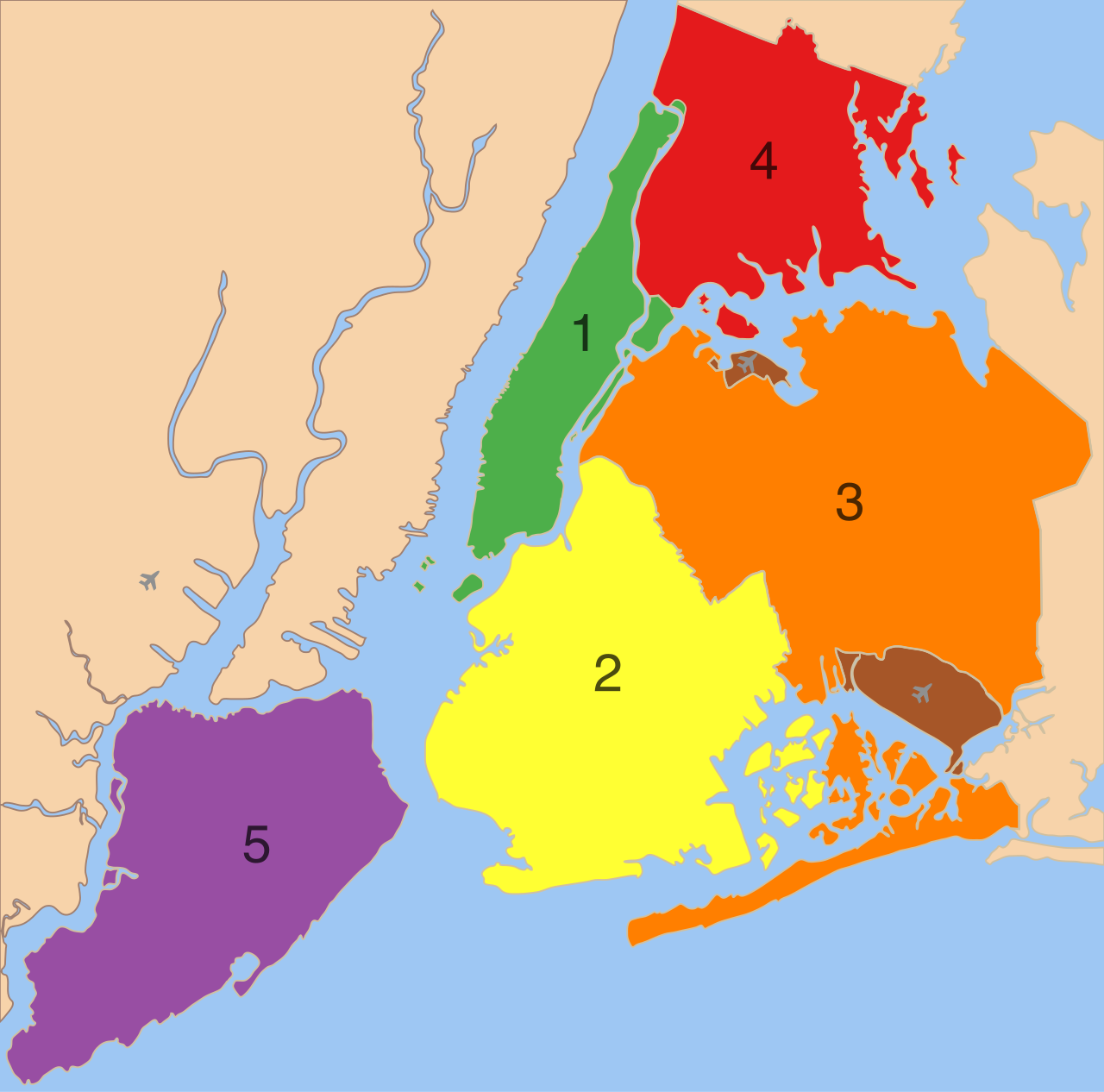
A bargain and sale deed with covenants against grantor's acts guarantees that the grantor did not encumber the property during the grantor's ownership period.
Unlike a full warranty deed, which vouches for the entire history of the universe, this deed acts as a strictly bounded promise. The seller is stating: "I promise I paid my contractors, I paid my taxes, and I didn't secretly mortgage the property while I lived here. But I make zero promises about the person who owned it before me."
A bargain and sale deed with covenants against grantor's acts is the customary deed used in downstate New York residential real estate sales. Why the geographic divide? Downstate New York has a highly aggressive, institutionalized title insurance industry. Sellers downstate refuse to take on historical liability when the buyer is already paying a title insurance company to investigate the property's past and insure against historical defects.
Note for your exam and out-of-state clients: If you have clients moving to New York from Florida or Texas, they might ask you for a "Special Warranty Deed". A bargain and sale deed with covenants against grantor's acts is referred to as a special warranty deed in many states outside of New York. The concepts are identical.
Quitclaim Deed: A deed that transfers only the ownership interest that the grantor actually possesses at the exact time of the property transfer.
A quitclaim deed provides the least amount of legal protection to a property grantee. A quitclaim deed contains no warranties regarding the property title, and it contains no covenants regarding the property title. It does not even imply that the grantor owns the property at all.
When a grantor signs a quitclaim deed, they are legally stating: "If I own anything here—and I'm not saying I do—I am giving whatever that is to you."
Why would anyone ever accept a deed that offers zero protection? Because quitclaim deeds are incredibly efficient tools for resolving legal disputes and moving property outside of a traditional retail sale.
- Clearing a Cloud on Title: A "cloud" is any unresolved claim or potential encumbrance on a title. Imagine a title search reveals that fifty years ago, a property was inherited by three brothers, but the deed transferring it to the next owner only had two signatures. The third brother's heirs might technically have a fractional claim to the land. Rather than dragging everyone through a costly court battle, you can locate the heirs and have them sign a quitclaim deed. By doing so, they immediately relinquish any potential right they might hold, cleanly resolving the issue. A quitclaim deed is frequently used to clear a cloud on a property title.
- Family Transfers: A quitclaim deed is frequently used for real property transfers between family members. If a mother wants to add her son to the deed of a home that has been fully paid off for twenty years, they do not need to run a full title search and draft a warranty deed. The mother simply quitclaims her interest to herself and her son as joint tenants.
- Divorce Proceedings: A quitclaim deed is frequently used during divorce settlements to transfer property interests. If a court orders that one spouse gets to keep the marital home, the other spouse simply executes a quitclaim deed, instantly stripping their name from the property rights and leaving the remaining spouse with full ownership.
Finally, as a real estate agent, you will frequently navigate transactions involving distressed properties or deceased owners. The law requires specialized deeds for these unique scenarios.
Referee's Deeds
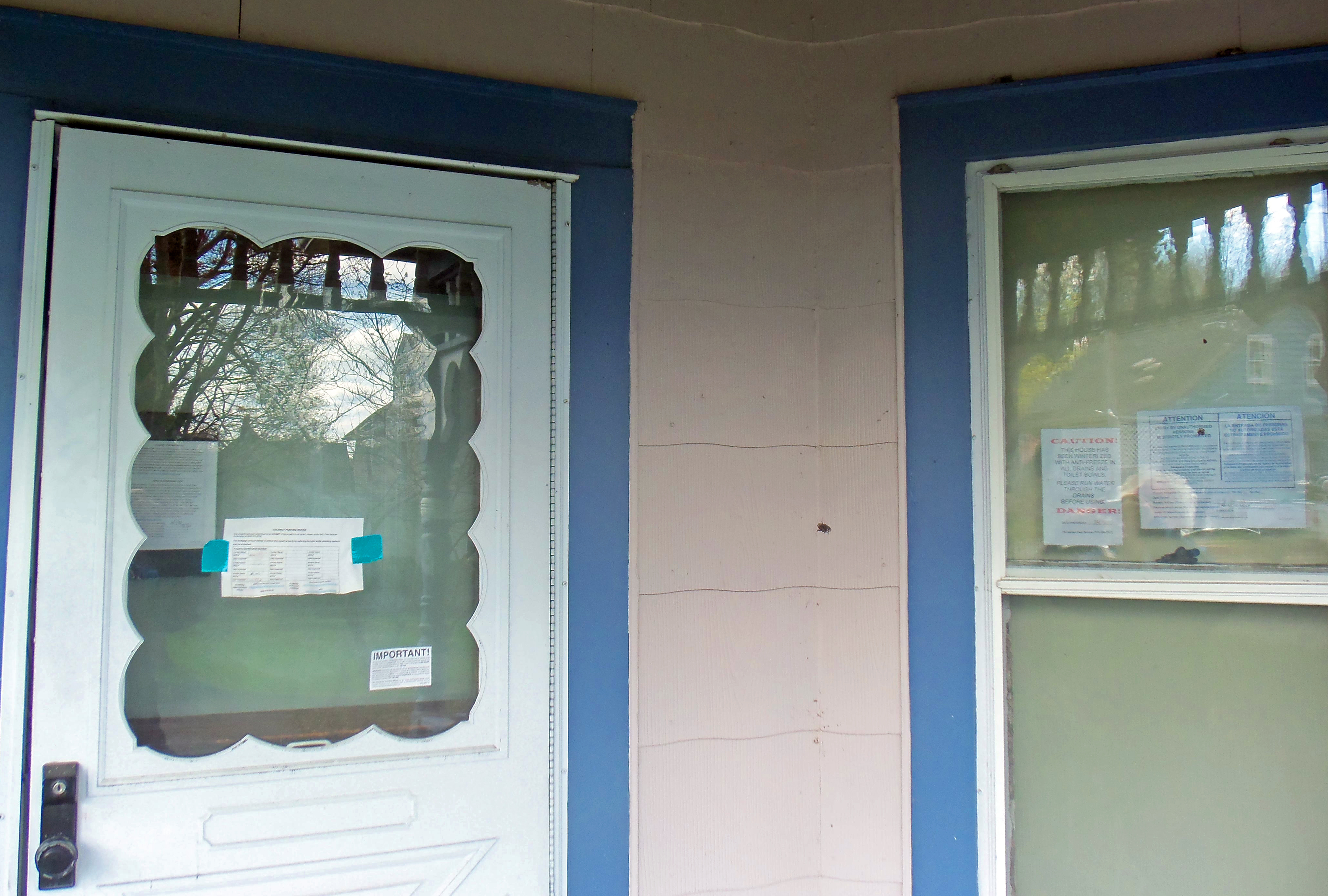
When a homeowner defaults on their mortgage and the bank forecloses, the property is auctioned off at the county courthouse. The official conducting this sale is appointed by the court and is known as a referee.
A referee's deed is utilized to transfer property ownership following a foreclosure sale in New York. Because the referee is merely an impartial court operative acting on behalf of a lender, a referee's deed contains no covenants regarding the transferred property title. The successful bidder at the courthouse steps is buying the property subject to any superior liens or title issues that survived the foreclosure action.
Executor's Deeds
When a property owner passes away, their real estate must be managed and sold by the executor of their estate.
An executor's deed is used to transfer real property belonging to the estate of a deceased person. Think about the executor's position: they are stepping in to liquidate an asset for someone who is no longer there. It would be entirely unreasonable to demand that an executor personally vouch for the entire title history of a house they never lived in. Therefore, an executor's deed typically contains a covenant against grantor's acts to warrant that the executor did not encumber the property. The executor promises that they—in their capacity managing the estate—have not done anything to ruin the title during the probate process, but they make no promises regarding the deceased owner's lifetime.
Summary Comparison of Deed Forms
| Deed Type | Level of Protection | Key Features & Covenants | Common NY Usage |
|---|---|---|---|
| Full Covenant & Warranty | Maximum | Contains all 6 covenants (Seizin, right to convey, encumbrances, quiet enjoyment, further assurance, warranty forever). | Upstate NY residential sales. |
| Bargain & Sale (with covenants against grantor's acts) | Moderate | Implies ownership/possession. Promises grantor didn't encumber property during their tenure. | Downstate NY (NYC/LI/Westchester) residential sales. |
| Bargain & Sale (basic/without covenants) | Low | Implies ownership/possession. Zero warranties regarding encumbrances. | Municipal tax foreclosure sales. |
| Quitclaim | Minimum | No covenants. No warranties. Transfers exactly what grantor holds at that exact second. | Divorces, family transfers, clearing clouds on title. |
By mastering how these instruments function, you transition from being a mere tour guide of houses to a true real estate professional. You will be able to look at a drafted contract, spot the deed classification, and instantly understand the level of liability your client is walking into.