Title Closing Introduction
Not sure you’re ready?
Take the ~3-minute readiness diagnostic and see where you stand.
A signed real estate purchase contract possesses immense potential energy, but it alters nothing about the physical world. It is fundamentally a blueprint of promises: the seller promises to convey a property, and the buyer promises to pay for it. The transformation of this abstract agreement into an empirical reality occurs exclusively at the title closing. In the same way that a chemical reaction requires a precise alignment of molecules, heat, and pressure to yield a new compound, a real estate transaction requires a highly orchestrated assembly of legal and financial mechanics to yield a new property owner. For a real estate professional, understanding the exact nature of this event—and the specific individuals required to make it happen—is the difference between merely facilitating a transaction and truly mastering the mechanics of property transfer.
A title closing is the final step in executing a real estate transaction. It is the definitive moment when the promises made weeks or months earlier are forcefully concluded. Fundamentally, a title closing fulfills the terms established in the real estate purchase contract.
Core Objective: The primary purpose of a title closing is the transfer of legal ownership of real property from the seller to the buyer.
To achieve this, two simultaneous actions must occur across the closing table:
- At a title closing, the seller delivers the executed deed to the buyer.
- At a title closing, the buyer delivers the agreed-upon purchase price to the seller.

However, the exchange of a deed for capital is rarely a simple two-party handover. The closing is the nexus where every lingering financial obligation tied to the property is resolved. The title closing is the event where all associated real estate transaction costs and fees are settled. Prorated property taxes, utility arrears, origination fees, and transfer taxes are meticulously balanced so that the new owner begins with a clean slate.

The Mechanism of Financing
In most transactions, the buyer does not arrive with a briefcase of cash. Instead, they rely on a lender. Consequently, the title closing is the event where the buyer signs the mortgage documents to secure the financing.
This is not a mere formality; it alters the legal fabric of the property. The execution of mortgage documents at a title closing creates a lien against the newly acquired property. A lien is a legal claim or right against a property by a creditor. By signing these documents simultaneously with receiving the deed, the buyer instantly grants the lending institution a security interest in their new home. The bank funds the purchase, and in return, the property itself serves as the collateral.
Before anyone sits down at the closing table, a critical physical verification must take place. The buyer conducts a final property walk-through immediately before the title closing.
Why is this necessary? The purchase contract was signed based on the condition of the property on a specific date. In the intervening weeks, moving crews may have gouged walls, a pipe may have burst, or the seller might have unlawfully removed a fixture—like a crystal chandelier—that was contractually meant to stay.

The final walk-through ensures the property condition matches the condition agreed upon in the purchase contract. It is the buyer's last opportunity to object before the exchange of funds. If a discrepancy is found, the attorneys can negotiate a financial escrow or credit at the closing table to remedy the issue. Once the closing concludes, reversing the transaction over a broken window is practically impossible.
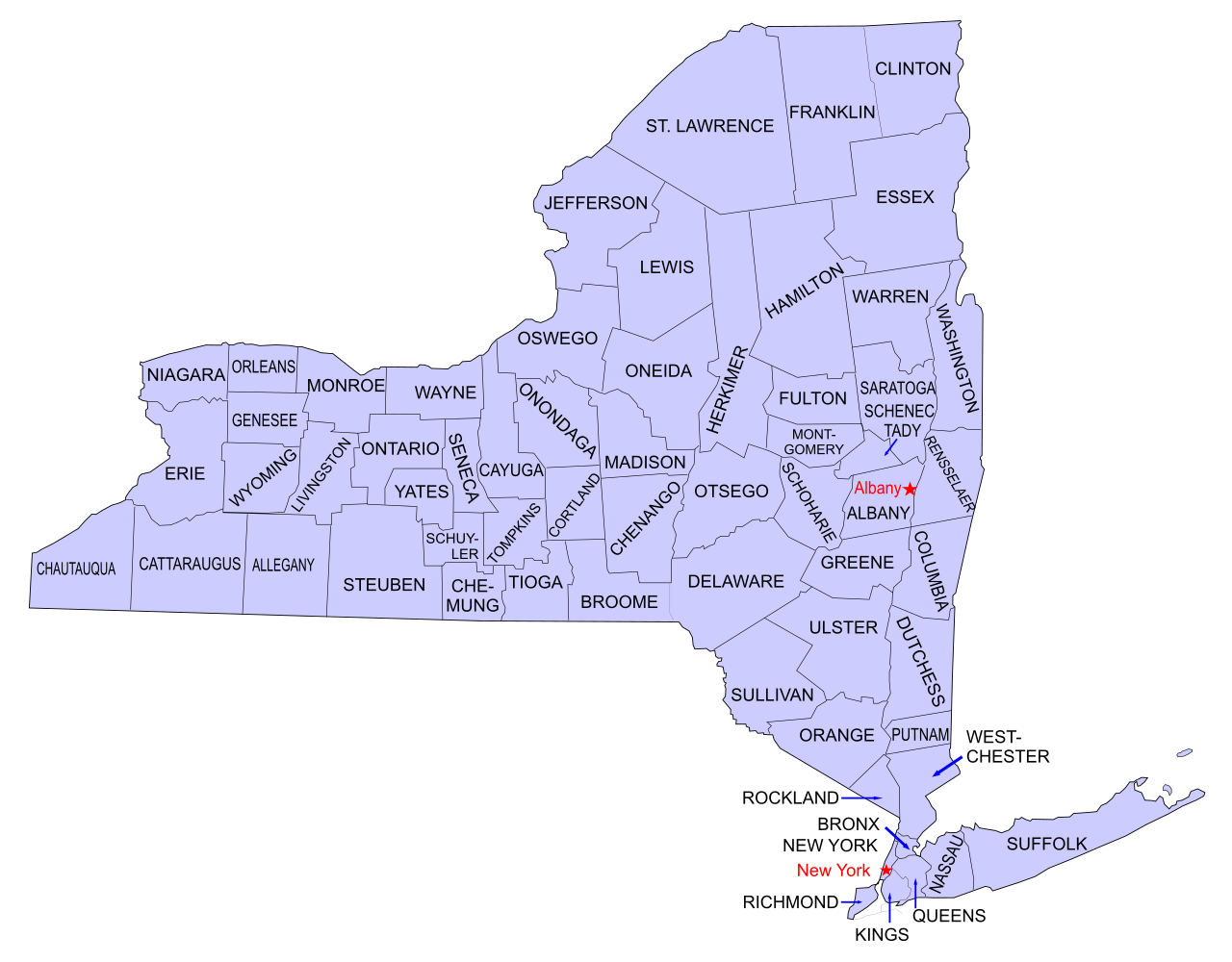
In some jurisdictions across the United States, a title or escrow company manages the closing process independently, often without lawyers present. This is not the case in your jurisdiction. New York is an attorney-closing state where legal representatives typically guide the real estate closing process.
As a real estate salesperson, you must recognize that the closing table in New York is effectively a specialized legal summit. The individuals seated around this table are highly specialized advocates, each tasked with protecting a specific slice of the transaction.
The Principals: Buyer and Seller
The actual parties to the contract are the central figures of the event.
- The Buyer: The buyer attends the title closing to pay the remaining balance of the purchase price and to accept the executed deed.
- The Seller: The seller attends the title closing to sign the deed transferring ownership and to receive the proceeds from the property sale.
The Legal Advocates: Buyer’s and Seller’s Attorneys
Because New York requires legal representation for this transfer, the attorneys carry the weight of ensuring the transaction's integrity.
- The Buyer's Attorney: The buyer's attorney ensures that the seller delivers a clear and marketable title at the closing. They must verify that no outstanding judgments, liens, or encumbrances threaten their client's future ownership. Furthermore, the buyer's attorney reviews all legal documents on behalf of the purchaser before signature.
- The Seller's Attorney: The seller's attorney prepares the deed for the title closing. They also draft a crucial document: the seller's attorney prepares the final closing statement detailing the seller's financial credits and debits. This statement maps out exactly how much money the seller will walk away with after paying off old mortgages, broker fees, and taxes.
The Institutional Guardian: The Lender's Attorney
When a bank provides a half-million-dollar mortgage, they do not simply wire the money and hope for the best. They send a proxy.
- The Lender's Attorney: The lender's attorney attends the title closing to protect the financial interests of the bank providing the mortgage. They ensure that the buyer properly executes all loan documents, creating the necessary lien. Only when they are satisfied that the bank's security interest is perfected does the lender's attorney authorize the disbursement of the mortgage loan funds at the title closing.
If the attorneys are the advocates, the title closer is the vital machinery that processes the transaction. A title closer represents the title insurance company at a real estate closing.
Title insurance protects the buyer and lender against historical defects in property ownership. The title closer’s job is to ensure that the title policy can be safely issued. Their functions are highly specific and absolutely critical:
- Clearing the Path: Prior to closing, the title company issues a "binder" listing exceptions—things they will not insure, such as an old unresolved mortgage or an unpaid tax bill. At the table, the title closer marks up the title binder to indicate which title exceptions have been cleared.
- Purging Old Debt: To give the buyer a clean title, the seller’s old debts must vanish. The title closer ensures that the seller's existing mortgages are paid off using the closing proceeds.
- Funding the Public Record: The closer collects the necessary fees for recording the deed and the mortgage.
- Finalizing the Public Record: A deed only protects the buyer against the rest of the world once it is recorded in the public registry. Therefore, the title closer assumes the responsibility of taking the executed deed to the county clerk for public recording. Simultaneously, the title closer assumes the responsibility of taking the executed mortgage documents to the county clerk for public recording, thereby solidifying the lender's lien.
Where does the real estate agent fit into this complex legal orchestration?
You spent months prospecting, marketing, showing the property, negotiating the price, and holding the deal together through inspections and appraisals. Yet, when you arrive at the closing table, your role shifts dramatically from director to spectator.
By law, a real estate salesperson has no legal authority to conduct the title closing proceedings. You cannot advise the buyer on the mortgage terms, nor can you instruct the seller on how to execute the deed. Doing so crosses the strict boundary into the unauthorized practice of law.
Why, then, do you attend? A real estate salesperson typically attends the title closing primarily to collect the brokerage commission check. Real estate brokers typically receive commission payments during the title closing, deducted directly from the seller's proceeds as outlined in the closing statement.
Attending the closing is the professional capstone to your transaction. It is the moment you hand over the keys, congratulate your clients, and secure your livelihood.
Summary of Closing Functions
To master this material for your exam and your career, internalize the distinct functions of the individuals at the closing table. Use the matrix below to visualize the orchestration of the room:
| Party | Primary Function at Closing |
|---|---|
| Buyer | Delivers purchase price; accepts executed deed. |
| Seller | Signs deed transferring ownership; receives sale proceeds. |
| Buyer's Attorney | Ensures clear/marketable title; reviews all legal docs for the purchaser before signature. |
| Seller's Attorney | Prepares the deed; prepares the final closing statement detailing seller's credits/debits. |
| Lender's Attorney | Protects bank's interests; ensures proper execution of loan docs; authorizes disbursement of funds. |
| Title Closer | Represents title insurer; marks up title binder; pays off seller's old mortgages; collects recording fees; takes executed deed and mortgage docs to county clerk for public recording. |
| Real Estate Agent | Attends to collect the brokerage commission check; has zero legal authority to conduct proceedings. |
Understanding this ecosystem is vital. As an aspiring real estate professional in New York, you are the architect who draws the parties together. By knowing exactly how the closing mechanics function, you can confidently guide your clients toward the finish line, manage their expectations during the final walk-through, and seamlessly transition your hard-fought contracts into successful conveyances.