Cooperative Ownership
Not sure you’re ready?
Take the ~3-minute readiness diagnostic and see where you stand.
When a client walks into a magnificent pre-war building on the Upper West Side and agrees to purchase an apartment, they are not buying a single brick, floorboard, or pane of glass. They are buying paper. In the legal architecture of New York real estate, a cooperative building is entirely owned by a single corporation. The buyer does not receive a deed to real estate; instead, a cooperative purchaser buys shares of stock in the corporation rather than buying real property. Because stock is movable and intangible, cooperative ownership is legally classified as personal property, completely divorcing the physical space from the asset actually purchased.
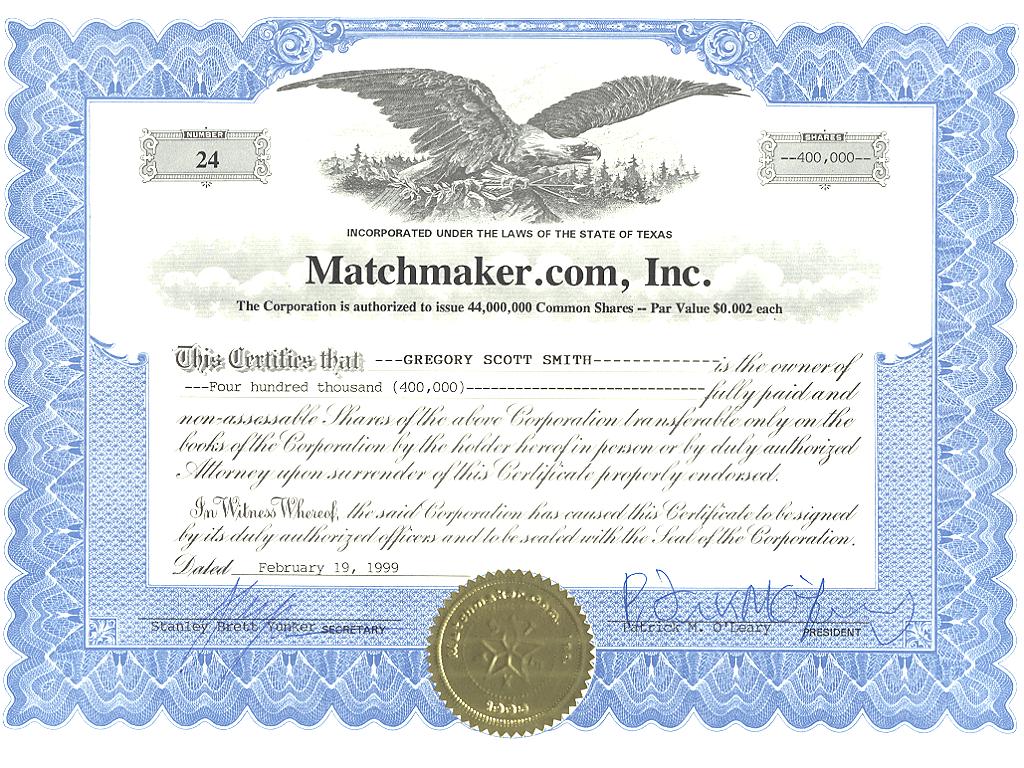
This counter-intuitive reality is the foundation of the New York cooperative market, which makes up roughly 70% of all Manhattan residential real estate. Understanding the mechanics of shares, leases, board governance, and the rigorous financial underwriting required to transfer this personal property is not just an exam requirement—it is the daily survival mechanism of a successful New York real estate salesperson.

If a cooperative buyer only receives stock, how do they secure the right to live in the apartment? The answer lies in a dual-document structure.
A cooperative shareholder receives a proprietary lease upon purchasing shares.
Proprietary Lease: A specialized, long-term contract between the cooperative corporation (the landlord) and the shareholder (the tenant). A proprietary lease grants a shareholder the legal right to occupy a specific unit in the cooperative building.
This creates a unique legal relationship: the buyer is simultaneously an owner (of the corporation) and a tenant (of the specific unit). But not all apartments—and therefore not all shares—are created equal. Shares in a cooperative are allocated to specific units based on factors like square footage and floor level. A sprawling penthouse with a private terrace might carry 2,500 shares, while a ground-floor studio facing a brick wall might carry only 250 shares. This allocation dictates everything from voting power in building elections to the amount the shareholder must pay in monthly upkeep.

A cooperative operates like a small municipality, and it requires continuous funding to survive. Therefore, cooperative shareholders must pay a monthly maintenance fee to the corporation.
Because the corporation owns the entire physical structure, it receives a single master property tax bill and holds a single master insurance policy. When your client pays their $2,500 monthly maintenance, where does that money go?
- Cooperative maintenance fees cover a proportional share of building operating costs. (Doormen salaries, boiler fuel, hallway electricity).
- Cooperative maintenance fees cover a proportional share of the building's property taxes.
- Cooperative maintenance fees cover a proportional share of the debt service on the building's underlying mortgage.
This third point is crucial. Almost all cooperative buildings carry their own debt. An underlying mortgage is a loan secured by the entire cooperative building and the land beneath the building. If the corporation fails to pay this underlying mortgage, the bank can foreclose on the entire building, wiping out the value of every shareholder's stock.
When the building's regular income isn't enough to cover a massive, sudden expense—like replacing an aging roof or upgrading an elevator system—the board will turn to the shareholders. A special assessment is an additional charge levied by the cooperative board to fund unexpected repairs or immediate capital improvements. For an agent, knowing whether a building frequently relies on special assessments is a critical indicator of its overall financial health.
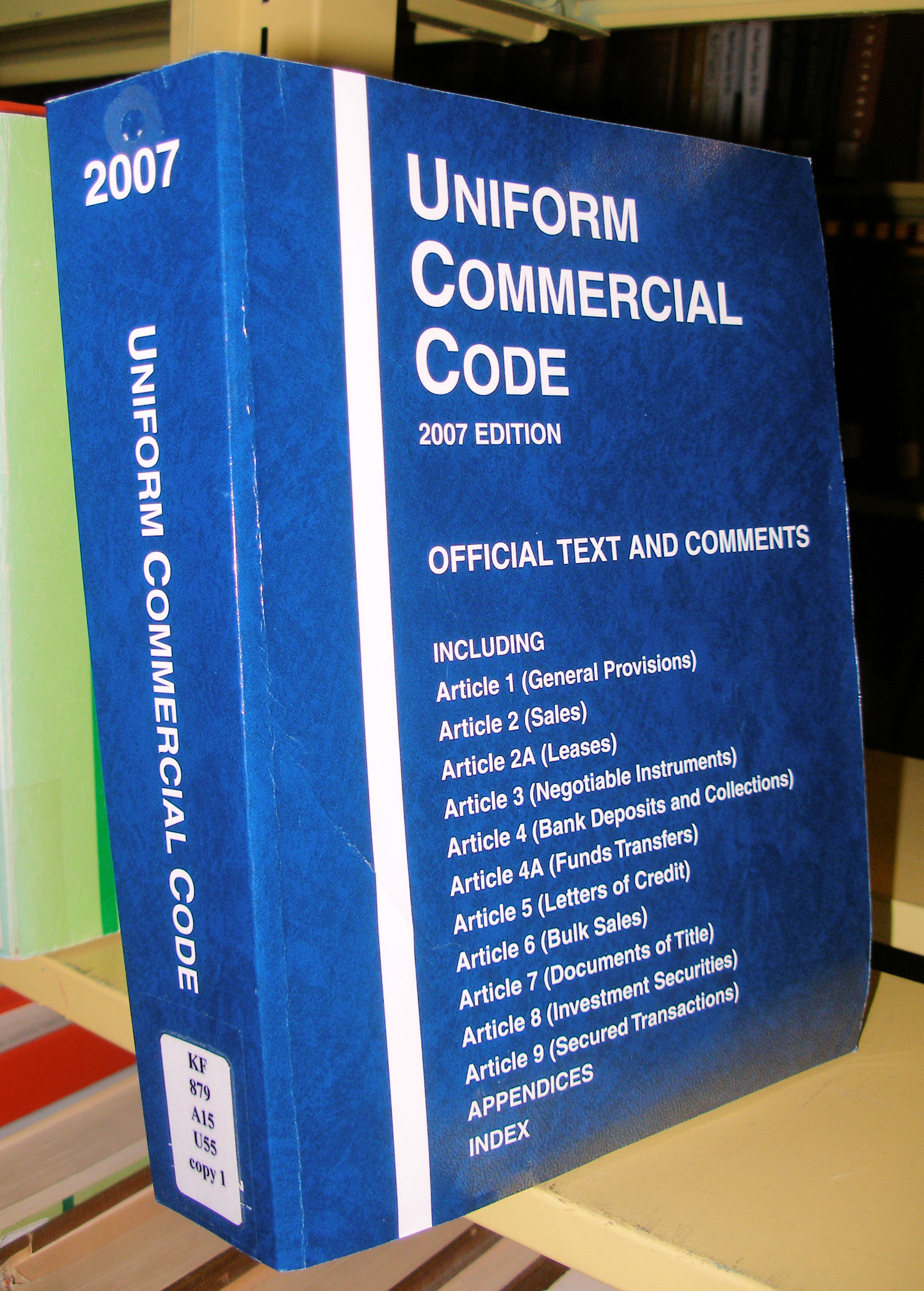
Because a buyer is purchasing personal property (stock) rather than real property (real estate), they cannot get a traditional mortgage. A cooperative buyer finances their purchase using a share loan rather than a traditional mortgage.
| Traditional Mortgage | Cooperative Share Loan |
|---|---|
| Asset Type | Real Property (Land/Structure) |
| Asset Type | Personal Property (Stock/Lease) |
| Security Instrument | A lien on the deed. |
| Security Instrument | A share loan is secured by the cooperative shares of stock and the proprietary lease. |
| Foreclosure | Lengthy judicial foreclosure process. |
| Foreclosure | Non-judicial UCC foreclosure (faster). |
This unique financing structure creates a vulnerability for the lender. If a shareholder stops paying their monthly maintenance, the cooperative corporation has the first legal right to evict the shareholder and cancel their shares. If the shares are canceled, the lender’s collateral simply vanishes.
To prevent this disaster, banks require an additional layer of legal protection. The Aztech Recognition Agreement is a standard three-way contract between a cooperative buyer, a lender, and the cooperative corporation. Under this agreement, the cooperative "recognizes" the lender's loan and promises to notify the lender if the shareholder falls behind on maintenance. By doing so, the Aztech Recognition Agreement protects the lender's lien on a borrower's cooperative shares in the event of a default, allowing the bank to step in and pay the maintenance themselves to preserve their collateral.
A real estate salesperson identifies the property; an attorney ensures the property isn't a financial trap. Due diligence for a cooperative purchase is typically performed by the buyer's attorney prior to signing the contract of sale.
Due diligence involves a forensic examination of the building's health, focusing on three primary areas:
1. Audited Financial Statements
Due diligence requires reviewing the cooperative's audited financial statements to assess the financial health of the corporation. Attorneys look at the building's income and expenses to ensure it isn't operating at a deficit. More importantly, cooperative financial statements reveal the size of the building's reserve fund for future capital improvements. A depleted reserve fund is a glaring warning sign that a severe special assessment is on the horizon.
2. Board Minutes
The board of directors keeps written records of their monthly meetings. For an attorney, these minutes act as the building's medical chart and gossip column.
- Reviewing cooperative board minutes helps identify planned upcoming major repairs to the building, such as Local Law 11 facade work.
- Reviewing cooperative board minutes helps identify prior discussions about levying special assessments on shareholders.
- Beyond finances, the minutes reveal the social environment: Reviewing cooperative board minutes can reveal chronic disputes or noise complaints among neighbors. If the apartment directly above your client's prospective unit has been the subject of weekly noise complaints for two years, the minutes will expose it.
3. The Offering Plan
An offering plan is the foundational document detailing the initial creation and terms of the cooperative corporation. It contains the building's original architectural blueprints, the initial share allocations, and the foundational bylaws of the corporation. While often decades old, it remains the ultimate legal authority on how the building was legally structured.
The highest governing authority in a cooperative is its board. A cooperative board of directors manages the overall operations and financial decisions of the cooperative corporation. They possess an extraordinary amount of power over who is allowed to enter the building.
To purchase shares, prospective cooperative buyers must submit a comprehensive board package containing financial documents and personal references for approval. This package is exhaustive, often requiring years of tax returns, letters of recommendation, and detailed asset verification.
Once the package is submitted and an interview is conducted, the board holds absolute authority. A cooperative board can reject a prospective buyer for any legal reason without providing an explanation for the rejection. As long as the rejection does not violate Fair Housing laws (e.g., rejecting based on race, religion, or familial status), the board is under no obligation to justify their decision. This prevents legal liability and preserves the exclusivity of the building.
Once inside, the shareholder's life is governed by two major frameworks beyond the proprietary lease.
First are the operational regulations. Cooperative house rules govern the daily conduct of residents regarding issues like pet ownership and garbage disposal. These rules are highly flexible and can be amended by the board to address immediate quality-of-life issues in the building.
Second are the constraints on property modification. If a shareholder wants to tear down a wall or remodel a kitchen, they cannot simply hire a contractor and begin. A cooperative shareholder must sign an alteration agreement before undertaking significant renovations within their unit. This legal document ensures the shareholder uses licensed and insured contractors, adheres to designated work hours, and accepts full financial liability for any damage caused to the building's plumbing or structural elements during the renovation.
Furthermore, a buyer cannot purchase a cooperative with the intent to treat it purely as an investment property. Subletting policies in a cooperative are heavily restricted by the cooperative board of directors to maintain high owner-occupancy rates. Lenders and prospective buyers prefer buildings filled with invested owners rather than transient renters, so boards often cap subletting (e.g., allowing a shareholder to sublet for only two out of every five years).
To understand the exceptions to these rigid rules, you must understand how cooperatives are born. Most cooperatives in New York were originally rental buildings that were converted in the 1970s and 1980s.
A sponsor is the original developer or owner who converted a rental building into a cooperative corporation. When the conversion occurred, the sponsor kept the shares for any apartments where the existing rental tenants chose not to buy. Today, the sponsor or their successors hold these remaining blocks of shares.
Because they hold a special legal status, a holder of unsold shares is typically exempt from cooperative board approval requirements when selling their shares to a buyer. For a real estate agent, a "Sponsor Unit" is highly desirable because it bypasses the grueling board package and interview process. Additionally, a holder of unsold shares is typically exempt from cooperative board approval requirements when subletting their unit to a tenant, allowing them to operate their remaining units essentially as standard rental properties.
When a standard shareholder eventually decides to sell their cooperative shares, they must navigate one final financial hurdle: the flip tax.
A flip tax is a transfer fee imposed by a cooperative corporation upon the sale of a unit's shares. Typically calculated as a percentage of the gross sale price (e.g., 2%) or a flat fee per share, the flip tax is paid at closing. Because it represents a massive influx of capital for the building, flip tax revenue is typically deposited directly into the cooperative corporation's reserve fund, fortifying the building's financial health and ensuring the cooperative remains stable for the next generation of shareholders.