Defining Condominiums and Sponsors
Not sure you’re ready?
Take the ~3-minute readiness diagnostic and see where you stand.
Imagine buying a slice of airspace suspended one hundred feet above Manhattan, encased in glass and steel. To the naked eye, this cube of air is merely part of a massive skyscraper. Yet, in the eyes of New York real property law, that exact geometrical space is as sovereign and independent as a hundred-acre farm in the Hudson Valley. This structural paradox—owning an independent slice of a deeply interdependent building—is the essence of a condominium. It requires a specialized legal architecture that bridges absolute individual ownership with mandatory communal cooperation. Understanding how this legal machinery works, who builds it, and how control shifts from the creator to the community is not merely an academic exercise; it is the fundamental mechanics of the New York real estate market.
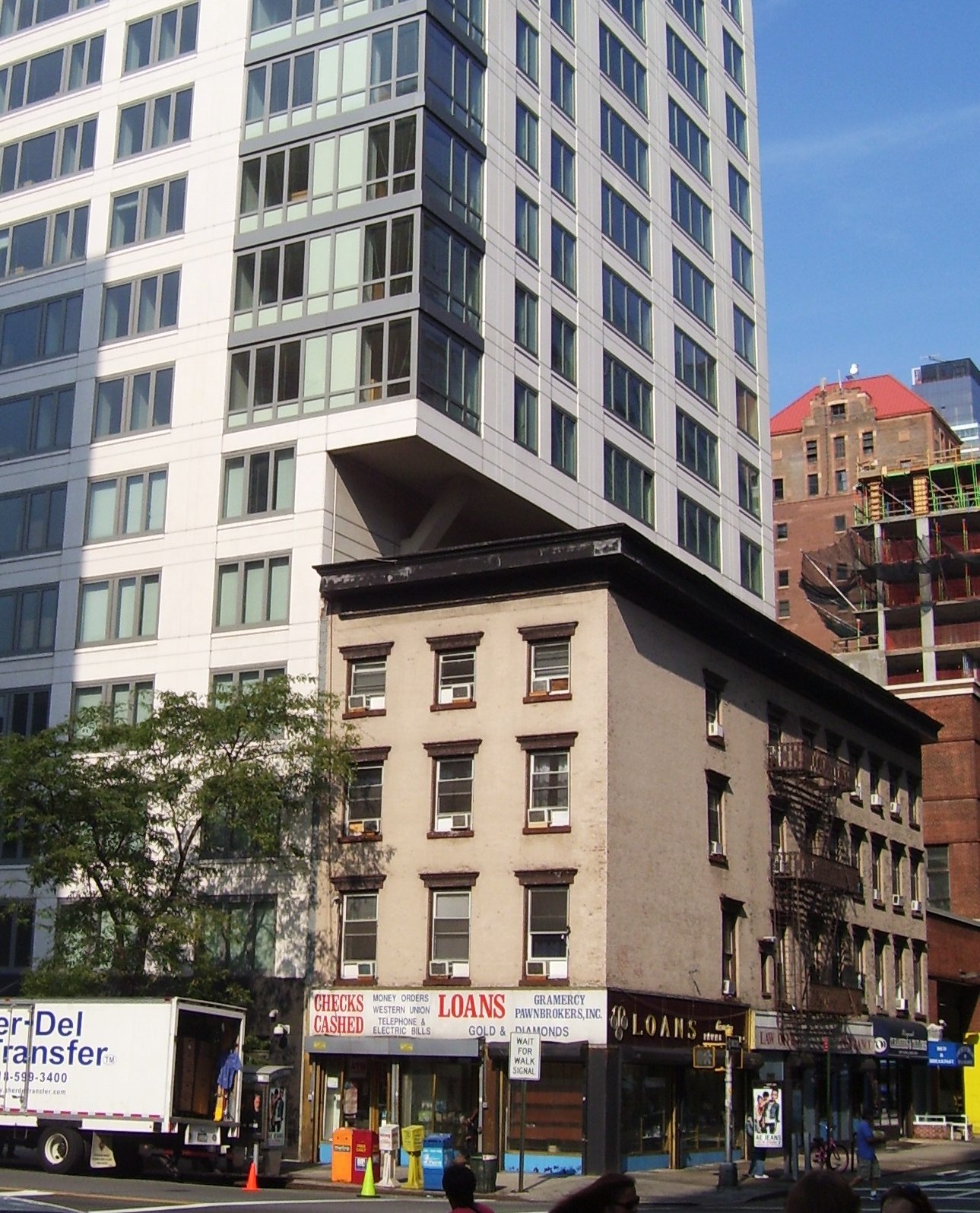
To a layperson, an apartment is an apartment. To a real estate professional, the distinction between forms of ownership alters everything from financing to taxation.
A condominium is a legally established form of real property ownership. Unlike a cooperative where buyers purchase shares in a corporation, a condominium buyer is purchasing physical real estate.

The Dual-Nature of Condo Ownership A condominium structure splits ownership into two distinct legal realities:
- Fee Simple Absolute: A condominium owner holds a fee simple absolute title to the individual unit. You own the space from the paint on the walls inward. As proof of this ownership, the condominium owner receives a deed exactly as they would if they bought a standalone house.
- Tenancy in Common: A condominium owner holds a tenancy in common interest in the shared areas of the building. You own an undivided percentage of the hallways, the land underneath, and the building's structural shell alongside all the other unit owners.
Because condominium units are classified as individual parcels of real estate for tax purposes, the local municipality assesses them individually. Each condominium owner receives an individual property tax bill from the local municipality.
This independence extends to finance. Condominium owners can secure an individual mortgage to finance the purchase of a unit. If your neighbor stops paying their bank, it is their problem, not yours. A default on a mortgage by one condominium owner does not place a lien on the units of other owners.
The Foundation Document: The Declaration
A condominium doesn’t exist just because someone built an apartment building. A condominium is legally created by filing a declaration with the local county clerk. Think of this document as the foundational charter of the building. The condominium declaration acts as the master deed for the entire property, formally subdividing the airspace and the land into individual tax lots.
While your unit is your castle, getting to your castle requires using the rest of the building. The shared areas of a condominium property are known as common elements.
Examples of condominium common elements include lobbies, elevators, roofs, and recreational facilities. Naturally, roofs leak and elevators require maintenance. To fund the maintenance, repair, and operation of the common elements, condominium owners must pay monthly common charges to the condominium association.

But who decides how the lobby is decorated, or how aggressively to collect delinquent common charges? That requires governance.
If the Declaration is the property’s Constitution, the condominium by-laws are its statutory laws. Condominium by-laws are the written rules and regulations governing the internal operation of the property.
By-laws are highly specific. They are the primary source of truth you will consult when a client asks, "Can I rent this out?" or "Can I bring my Golden Retriever?" The condominium by-laws strictly dictate:
- The community rules regarding pet ownership.
- The restrictions and procedures for subletting a unit.
- The specific procedures for collecting monthly common charges.
- The formal procedures for amending the rules of the property.
- The required frequency of unit owner meetings.
- The quorum requirements needed to pass votes at owner meetings.
The Board of Managers
The unit owners do not vote on every broken lightbulb. Instead, the by-laws establish the procedures for electing members to the board of managers.
The board of managers is the elected governing body responsible for overseeing a condominium. Condominium by-laws establish the specific duties and powers of the board of managers, giving them the authority to act on behalf of the association.
When acting, a condominium board of managers has a legal duty to exercise prudent business judgment. They cannot act capriciously; a condominium board of managers must operate within the rules established by the declaration and by-laws.
Every condominium must be willed into existence by a creator. In New York real estate, a sponsor is the developer or owner who organizes and offers a newly constructed or converted condominium for sale. Because they built or converted the property, the sponsor initially owns all the units in a newly developed condominium project.
To protect buyers from unscrupulous developers selling unfinished buildings or lying about the financial health of the project, New York has implemented some of the strictest real estate securities laws in the country. The Martin Act is the New York law granting the Attorney General authority to regulate condominium offerings. Under the Martin Act, the Attorney General can investigate and prosecute a sponsor who commits fraud.
The Offering Plan Process
The sponsor is responsible for creating the detailed offering plan for a new condominium development. An offering plan is a comprehensive disclosure document outlining all material terms of the condominium sale—from floor plans to the brand of refrigerators, to the exact property tax estimates.
| Stage | The Process and The Rules |
|---|---|
| Submission | The sponsor must submit the condominium offering plan to the New York State Attorney General. |
| The "Red Herring" | The preliminary draft of a condominium offering plan submitted to the Attorney General is called a red herring (historically bound with a red cover to indicate it was a draft). <br><br>During this phase, the sponsor cannot accept binding deposits from buyers. The sponsor may only accept non-binding indications of interest during the red herring phase of the offering. |
| The "Black Book" | The final, approved condominium offering plan is commonly known as a black book. <br><br>The sponsor cannot legally sell condominium units—and importantly, the sponsor cannot advertise condominium units—before the Attorney General accepts the offering plan. |
Once the "black book" is accepted, the promises inside it become legally binding. The sponsor must legally fulfill all construction commitments outlined in the final offering plan, and the sponsor must legally fulfill all financial commitments outlined in the final offering plan.
Conversions and Evictions
Sometimes a sponsor isn't building from the ground up, but rather taking an existing rental apartment building and turning it into a condominium. A sponsor converting an existing rental building to a condominium must declare the conversion as an eviction or non-eviction plan.
New York heavily protects existing renters. Existing tenants cannot be forced to move under a non-eviction condominium conversion plan. If they choose not to buy their apartment, they simply remain renters, and their unit becomes a "sponsor unit" that the sponsor owns and leases to them.
When a building first opens, there are no resident owners to elect a board. Therefore, the sponsor has the authority to appoint the initial board of managers for a new condominium. The sponsor maintains control over the board of managers during the initial sales phase of the development.
However, an inherent conflict of interest exists between a developer trying to maximize profit and a community of owners trying to maximize their quality of life. New York regulations require the sponsor to eventually relinquish control of the condominium board of managers.
The Timeline of Surrender
The offering plan must explicitly state the timeline for the sponsor to surrender board control. When does this happen? The sponsor loses board control on the earliest occurrence of either:
- The 50 percent sales threshold: The sponsor must surrender board control when more than 50 percent of the condominium units are sold.
- The five-year deadline: The sponsor must surrender board control five years after the closing of the first unit.
To prevent shadow-control, the law is strict: a sponsor who has surrendered board control is prohibited from electing a majority of the directors on the board.
What if the sponsor decides they don't want to sell right away? Sponsors legally retain the right to hold back units to rent out instead of selling the units. However, they cannot use this as a loophole to maintain permanent governance. A sponsor renting out retained units must still comply with the standard deadlines for relinquishing board control.
Sponsor Units
An apartment that a sponsor holds back and later decides to sell is called a sponsor unit. By definition, a sponsor unit is an apartment that has never been sold and remains under the ownership of the original developer.
From a real estate agent's perspective, these units are highly prized. Because the sponsor effectively acts as the seller and often still wields significant power, buyers of sponsor units typically bypass the standard board approval process required for resale units. This makes for a much smoother, faster closing.
Veto Power and Financial Boundaries
Imagine a scenario where the sponsor sells 51 percent of the building and hands over control of the board. The new board immediately votes to rip out the perfectly good lobby and install imported Italian marble, levying a massive special assessment on all owners to pay for it. Because the sponsor still owns 49 percent of the units, the sponsor would be footing almost half the bill for a lobby they don't want.
To prevent this, sponsors often retain veto power over major capital improvements while owning a significant percentage of units. Sponsor veto power prevents the newly elected board from passing massive assessments on the sponsor. However, this power is not indefinite; sponsor veto power over condominium expenses typically expires after five years.
Finally, while the sponsor and the condominium association are tightly intertwined in the early years, their money cannot be. The sponsor is prohibited from using condominium reserve funds for separate business operations. By law, the condominium reserve fund must remain completely separate from the sponsor's personal or corporate accounts.
By understanding the exact points where a sponsor's power begins and ends, and the distinct legal framework of a condominium versus other property types, you elevate yourself from a simple salesperson to a sophisticated advisor. You aren't just selling a view; you are selling a fee simple absolute interest governed by a board of managers. Know the mechanics, and you master the market.